Source Vacuum Distillation Heat Pump Crystallizer for Metallurgy, Power, Pharma
Compare 30 Vacuum Distillation Heat Pump Crystallizer units from verified suppliers. These industrial systems support evaporation, concentration, and crystallization for wastewater and petrochemical applications with customizable features and energy-saving designs; compare the available evidence and request quotations based on your requirements.
Key considerations
Products List

Steam Heated Evaporator Multi-Effect Distillation Industrial Crystallizer
$550.00 - $240000.00
MOQ: 2 Pieces


Multi Effect Evaporation Crystallizer with Energy-Saving and Stable Design
$52600.00 - $325000.00
MOQ: 1 Pieces

Multi Effect Evaporation Crystallizer with Energy-Saving and Durable Design
$52600.00 - $325000.00
MOQ: 1 Pieces

Energy-Saving Multi Effect Evaporation Crystallizer with Stable System
$52600.00 - $325000.00
MOQ: 1 Pieces

Multi Effect Evaporation Crystallizer with Superior Energy-Saving Capabilities
$52600.00 - $325000.00
MOQ: 1 Pieces
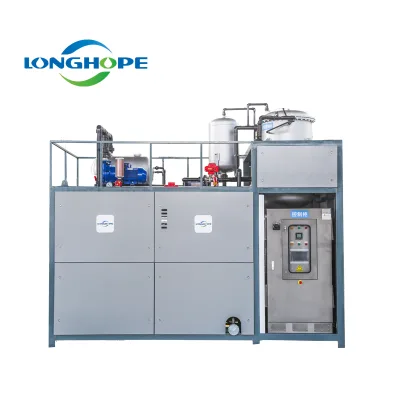
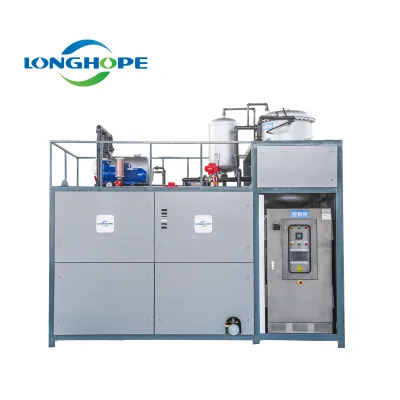
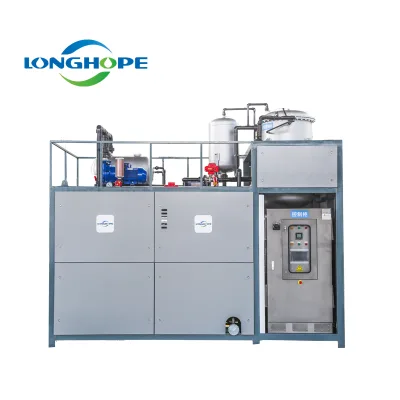
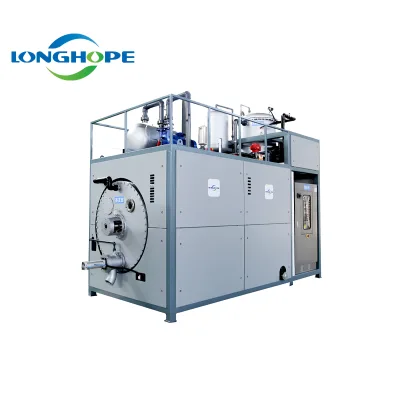
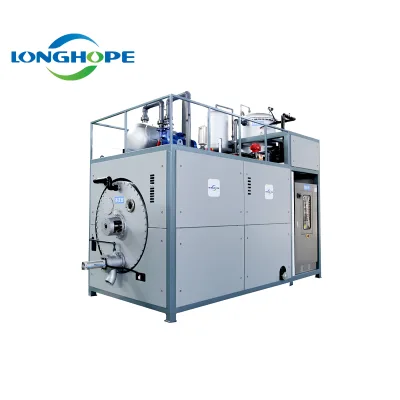
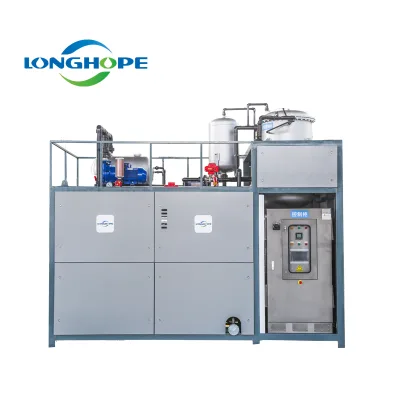

Crystallizer Evaporation Crystallizer Cooling Crystallizer Pressure Vessel
$1500.00 - $5500.00
MOQ: 1 Pieces


Chillcrystal Low-Temperature Crystallization Evaporator for Controlled Crystal Separation
$21000.00 - $85000.00
MOQ: 1 Pieces

Chillsave Low-Temperature Crystallization Evaporator for Energy-Saving Crystal Recovery
$21000.00 - $85000.00
MOQ: 1 Pieces


Comprehensive Sourcing Guide
Vacuum Distillation Heat Pump Crystallizer Sourcing Guide
Procuring industrial evaporation and crystallization equipment requires a precise understanding of the specific thermal dynamics and material compatibility needed for your wastewater or chemical processing streams. The market offers a variety of configurations, ranging from tube-type evaporators to plate-type heat exchangers, each suited for different throughput and purity requirements. Buyers must carefully evaluate whether a forced circulation system or a natural circulation design best fits their viscosity and solid content profiles.
This guide focuses on the technical and commercial considerations for sourcing vacuum distillation heat pump crystallizers, particularly those utilizing stainless steel or titanium construction. We examine the observed product attributes, such as energy consumption rates and customization options, to help procurement teams make informed decisions. The goal is to provide a structured approach to evaluating suppliers, verifying technical claims, and ensuring long-term operational reliability for metallurgy, pharmaceutical, and petrochemical applications.
Product Scope and Observed Listing Signals
The current market listings indicate a diverse range of industrial evaporators, with observed prices spanning from $550 to $325,000 USD. This wide variance suggests that buyers will encounter everything from small-scale pilot units to large, fully integrated skid-mounted systems. The minimum order quantity (MOQ) is typically low, ranging from 1 to 2 units, which allows for flexible procurement strategies for both initial trials and full-scale deployment. Buyers should note that these figures represent observed market signals and may vary significantly based on specific customization needs.
Product names and models vary, including identifiers like KJH-DIS-1562 and KJH-DLI-6152, often associated with brands such as LongHope. These units are frequently described as tube-type evaporators or evaporation crystallizers, designed for continuous discharge and energy-efficient operation. The observed applications include wastewater treatment, metallurgy, and power plants, indicating a broad industrial utility. Buyers should verify that the specific model matches their required processing capacity, which is often listed as greater than or equal to 0.5 tons per hour.
Technical Specifications to Verify
When evaluating technical specifications, the heat exchanger type is a critical differentiator, with options including tube-type and plate-type configurations. The observed products often feature 316L stainless steel or titanium materials, which are essential for resisting corrosion in aggressive chemical environments. Buyers must verify the temperature ranges, which can span from 20°C to 100°C, and ensure the system supports the required pH levels, typically between 6 and 8. The process flow direction, whether downstream, countercurrent, or crosscurrent, also impacts efficiency and must align with your plant’s layout.
Energy consumption is a major operational cost driver, with observed rates ranging from 25 kW to 2,500 kW per ton of water evaporated. Some listings specify a power input of 4150 kW/h or 55 kW for specific components, highlighting the need for accurate load calculations. The control systems often utilize electric auto-control with PLCs, such as Siemens, ensuring stable system operation. Buyers should confirm the core components, including pumps and engines, and verify that the machinery test reports are provided to validate performance claims before finalizing the purchase.
Compliance and Safety Documentation
Compliance with international standards is paramount for industrial equipment, with ISO certification being a common requirement for many suppliers. Buyers should request valid ISO certificates to ensure that the manufacturing processes meet recognized quality management benchmarks. Additionally, CE certification is often sought after for equipment destined for European markets, although its status should be verified on a case-by-case basis. Ensuring that the equipment meets local safety regulations is crucial for avoiding legal liabilities and ensuring smooth installation and commissioning.
Safety documentation should include detailed machinery test reports and warranty information, typically covering one year of operation. Buyers must verify that the supplier provides comprehensive online support and video technical assistance to address any operational issues promptly. The warranty terms should clearly define the scope of coverage for core components like pumps and PLCs. It is also important to confirm that the equipment is packed securely in plastic film and wooden boxes to prevent damage during transit, which can compromise safety and functionality.
Cost Drivers and Commercial Terms
The total cost of ownership is influenced by several factors, including the material of construction, energy efficiency, and customization options. Stainless steel 304/316L and titanium materials offer superior corrosion resistance but come at a higher initial cost compared to carbon steel. Buyers should evaluate the energy consumption per ton of water evaporated, as lower consumption rates can lead to significant savings over the equipment’s lifespan. The availability of customization allows for tailored solutions but may increase the initial price and lead time.
Commercial terms such as delivery time and payment conditions are critical for project planning. Observed lead times range from 100 to 120 days, which buyers must account for in their production schedules. The origin of the equipment, often Qingdao, China, can impact shipping costs and logistics. Buyers should negotiate clear terms for after-sales service, including the provision of spare parts and technical support. Understanding these commercial variables helps in creating a realistic budget and avoiding unexpected expenses during the procurement process.
Supplier Qualification and Quality Control
Supplier qualification involves assessing their manufacturing capabilities, quality control processes, and after-sales support infrastructure. Buyers should verify that the supplier has a proven track record in producing vacuum distillation heat pump crystallizers for industries like petrochemicals and pharmaceuticals. Requesting references from previous clients can provide insights into the reliability and performance of the equipment in real-world applications. It is also important to confirm that the supplier provides machinery test reports to validate the performance of the core components.
Quality control measures should include rigorous testing of the heat exchangers and control systems before shipment. Buyers should inquire about the specific standards used for material certification and welding procedures. The use of advanced PLC systems, such as Siemens, indicates a commitment to modern automation and control technologies. Ensuring that the supplier offers comprehensive training and documentation is essential for the successful operation and maintenance of the equipment. A robust quality control process minimizes the risk of defects and ensures long-term operational efficiency.
Long-Term Procurement Checks
Long-term procurement success depends on the supplier’s ability to provide consistent support and spare parts availability. Buyers should establish a clear communication channel for technical support, including online assistance and video troubleshooting. The warranty period, typically one year, should be clearly defined, along with the procedures for claiming repairs or replacements. Regular maintenance schedules and preventive care plans should be developed in collaboration with the supplier to extend the lifespan of the equipment.
Monitoring the performance of the crystallizer over time is crucial for identifying potential issues early. Buyers should track energy consumption, output quality, and system stability to ensure that the equipment continues to meet operational requirements. Periodic reviews of the supplier’s service quality and responsiveness can help in maintaining a productive partnership. By focusing on these long-term checks, buyers can maximize the return on investment and ensure the reliable operation of their vacuum distillation heat pump crystallizers.
FAQs
What is the primary function of this tube type evaporator?
The primary function is evaporation, concentration, and crystallization for industrial wastewater treatment. This system utilizes a vacuum tube-type skid-mounted forced circulation process to handle sulfate, nitrate, and potassium-sodium salt content effectively. It serves metallurgy, power plants, and pharmaceuticals while ensuring continuous discharge and stable operation.
Which materials are used in the construction of this equipment?
The equipment is constructed from 316L stainless steel, titanium, carbon steel, or stainless steel 304/316L. These materials ensure durability against corrosive industrial environments. The design supports various heat exchanger types, including plate-type and tubular configurations, to meet specific process requirements for condensers, vaporizers, coolers, and heaters.
What is the energy consumption per ton of water evaporated?
Energy consumption ranges from 25kw to 2500kw per ton of water evaporated, depending on the specific model and operational parameters. The system is designed to be energy-efficient and eco-friendly. This variable consumption allows for optimized performance across different processing capacities, ensuring cost-effective operation for large-scale industrial applications.
Can the system be customized for specific industrial applications?
Yes, customization is available to meet specific industrial needs. The system supports optional processes like vacuum tube-type skid-mounted forced circulation. It features electric auto control with PLC Siemens components. Buyers can select from various models, such as KJH-DIS-1562 or KJH-DLI-6152, to align with their exact production requirements.
What is the delivery time for this Vacuum Distillation Heat Pump Crystallizer?
The delivery time is typically 100 to 120 days after order confirmation. This timeframe accounts for manufacturing, assembly, and quality assurance processes. The equipment originates from Qingdao, China, and is packed in plastic film and wooden boxes. Buyers should plan their procurement schedules accordingly to ensure timely installation and commissioning.
What certifications does this industrial evaporator hold?
The equipment holds ISO certification, ensuring compliance with international quality management standards. This certification validates the manufacturing processes and product reliability. The system also includes a machinery test report and comes with a one-year warranty. Online and video technical support are provided to assist with installation and ongoing maintenance requirements.