Source Vacuum Forming Car Interior Trim for Dashboards, Panels, and Trims
Compare 30 listings for Vacuum Forming Car Interior Trim from Guangdong suppliers. Options include customizable ABS, PVC, and TPE materials with ISO9001 certification for automotive dashboards, panels, and decorative trims.
Key considerations
Products List
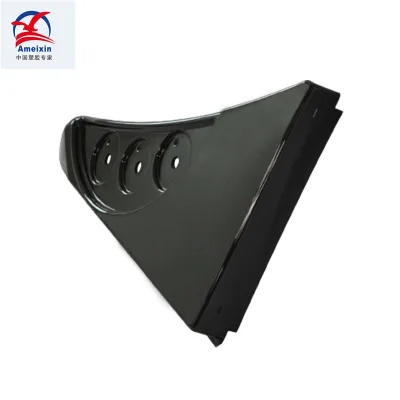
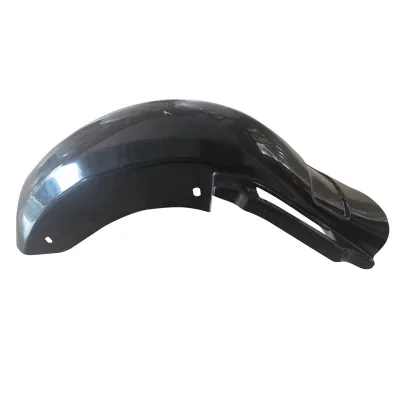
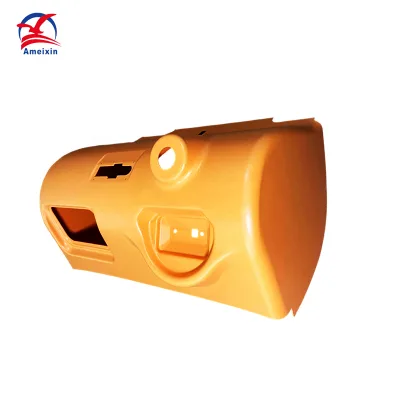
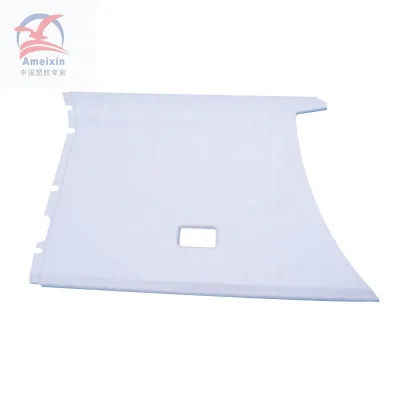
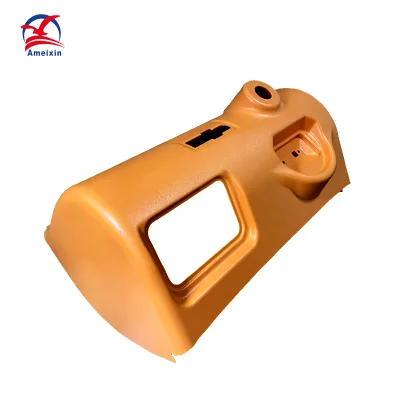
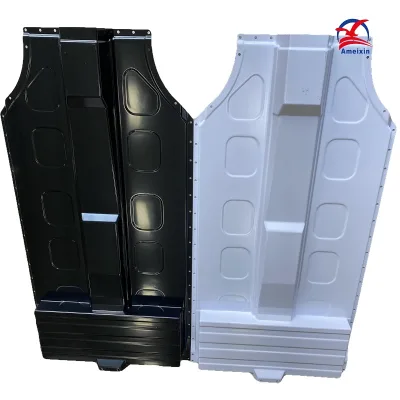
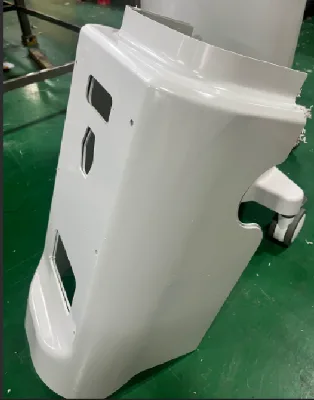
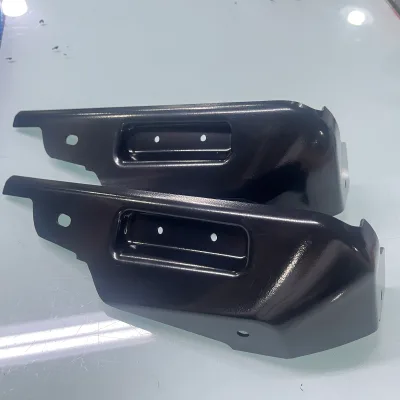
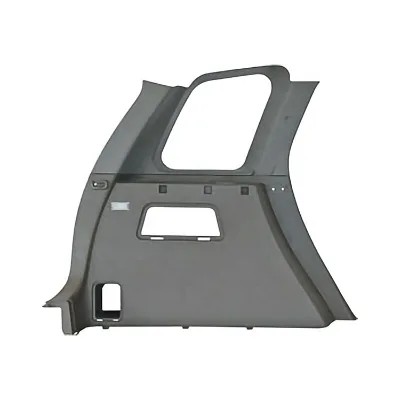
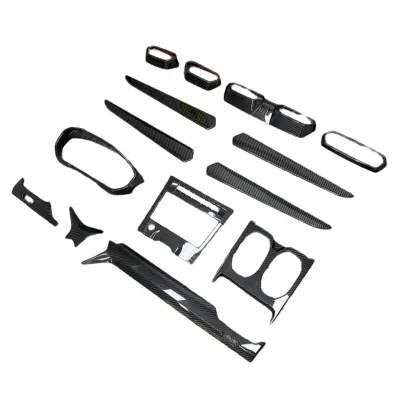
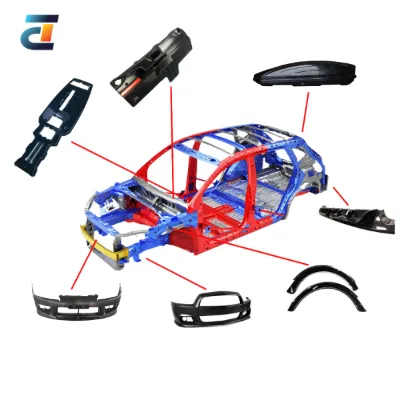
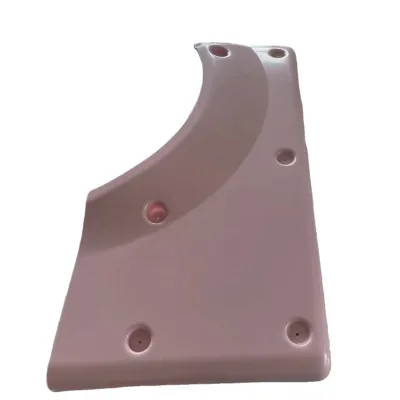
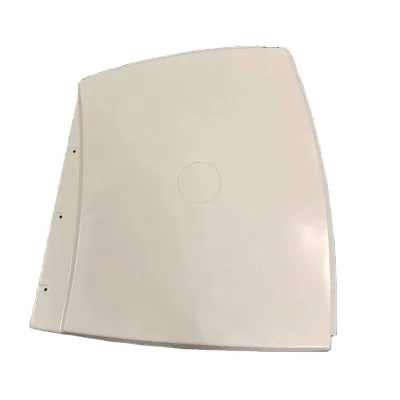
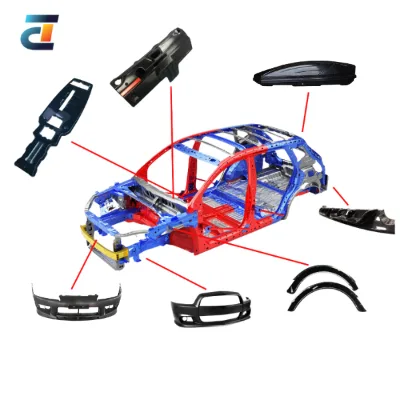
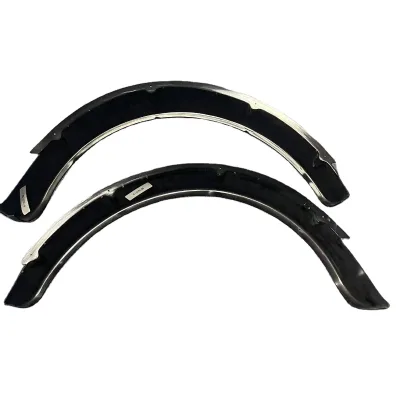
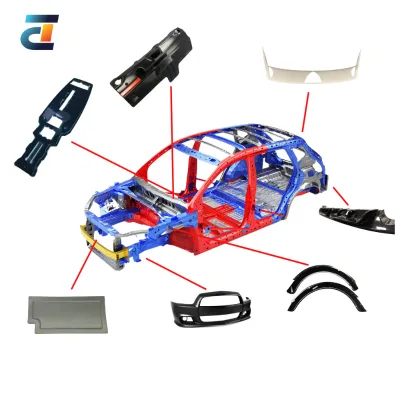
Vacuum Forming Cutting & Moulding Auto Interior and Exterior Automotive Plastic Parts
$10.17 - $20.34
MOQ: 200 pieces


Comprehensive Sourcing Guide
Strategic Sourcing Guide for Vacuum Forming Car Interior Trim
The automotive interior trim market relies heavily on vacuum forming processes to create complex, lightweight, and aesthetically pleasing components. For procurement professionals, sourcing Vacuum Forming Car Interior Trim requires a nuanced understanding of material science, manufacturing capabilities, and supply chain reliability. This guide synthesizes available market data to help buyers navigate the selection of suppliers, ensuring that technical requirements align with operational needs without relying on unverified claims. The focus remains on high-confidence attributes observed in the current marketplace, such as material versatility, certification standards, and customization options.
Technical Specifications and Material Selection
The foundation of any successful vacuum forming project lies in the selection of appropriate thermoplastic materials. The observed market data indicates a diverse range of materials available for automotive applications, including ABS, PA66, PP, PC, PMMA, PSU, PCTG, TPE, TPU, and PBT. Each material offers distinct properties suitable for specific interior trim functions. For instance, ABS and PC are often favored for their structural rigidity and impact resistance, making them ideal for dashboard components or door panels. Conversely, TPE and TPU provide the flexibility required for soft-touch surfaces and sealing elements.
Thickness is a critical specification that varies based on the intended application. Market observations show standard thicknesses ranging from 5mm to 8mm, with many suppliers offering fully customized sizing to meet specific design constraints. The single package size for these components typically varies, with some items packaged at 10x10x5 cm while larger assemblies may require 50x30x30 cm packaging. Buyers must verify the exact thickness and dimensional tolerances required for their specific vehicle models, as the vacuum forming process allows for significant customization but requires precise tooling.
The processing services available in the sector are extensive, encompassing molding, cutting, polishing, etching, and texturing. These secondary operations are essential for achieving the final aesthetic and functional quality of the trim. The drawing formats accepted by suppliers are predominantly STEP files, which facilitate accurate digital prototyping and tooling design. Understanding these technical parameters is the first step in defining a clear Request for Quotation (RFQ) that minimizes ambiguity and ensures the final product meets engineering specifications.
Compliance and Certification Verification
In the automotive industry, compliance is not merely a formality but a prerequisite for market entry. The supply chain for vacuum forming parts is heavily regulated, with a strong emphasis on quality management systems. Observed high-confidence facts indicate that many suppliers hold ISO9001 and TS16949 certifications, which are critical for automotive suppliers. Additionally, ISO9001:2008 is a specific standard noted in the current market data, reflecting a commitment to consistent quality control processes.
Buyers must verify that their potential suppliers maintain active certification status, as these credentials often dictate eligibility for major automotive contracts. The TS16949 standard, in particular, is tailored to the automotive sector and addresses the specific requirements of continuous improvement and defect prevention. While the provided data confirms the existence of these certifications among suppliers, buyers should not assume that every listed product automatically satisfies all regulatory requirements. It is essential to request current certification documents and audit reports to ensure the supplier's quality management system is robust and up-to-date.
Furthermore, the application of these parts often falls under "Automobile Ect" or general automotive interior decoration. This broad categorization necessitates a thorough review of material safety and environmental compliance. Buyers should inquire about the specific environmental standards the materials meet, such as restrictions on volatile organic compounds (VOCs) or heavy metals, which are critical for interior air quality. While specific test results are not provided in the general data, the presence of ISO certifications suggests a framework for such testing. Procurement teams must explicitly request test reports for flame retardancy, smoke density, and odor, as these are non-negotiable for interior trim components.
Cost Drivers and Pricing Dynamics
Understanding the cost structure of vacuum forming parts is vital for budget management and negotiation. The observed price range in the market spans from $0.01 to $1900 USD, a wide spectrum that reflects the vast difference between simple trim pieces and complex, large-scale interior assemblies. This variance is driven by several key factors, including material costs, tooling complexity, order volume, and finishing requirements.
The Minimum Order Quantity (MOQ) is a significant driver of unit cost. Data indicates MOQs ranging from as low as 1 piece to as high as 3000 units, with a specific observation of 200 pieces for certain product lines and 3000 meters for others. High-volume orders typically benefit from economies of scale, reducing the per-unit cost significantly. However, for low-volume or prototype runs, the cost per unit will be higher due to the amortization of tooling and setup costs. Buyers should be prepared to negotiate based on their projected volume, understanding that a higher MOQ often unlocks more competitive pricing tiers.
Additional cost drivers include the customization level and surface treatments. Products with "Customized Size," "Custom Color," or specific surface treatments like polishing, etching, or texturing will incur higher costs compared to standard off-the-shelf items. The material choice also plays a role; engineering plastics like PA66 or PBT generally cost more than standard PP or PS. Buyers must balance the need for customization against budget constraints, ensuring that the selected specifications are necessary for the application rather than purely aesthetic preferences that drive up costs unnecessarily.
Typical Applications and Design Considerations
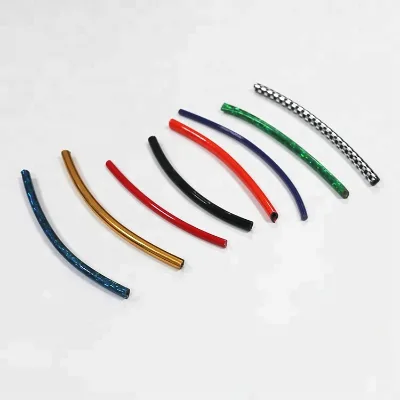
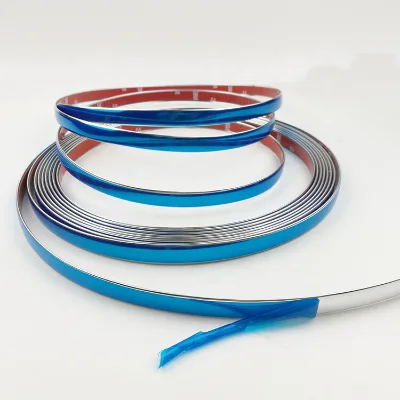
Vacuum forming is uniquely suited for creating large, complex shapes with consistent wall thickness, making it ideal for various automotive interior applications. The observed product names and applications highlight a strong focus on "Innerior Car Decoration" and "Automotive Interior Accessories." Common items include dashboard panels, door trim, center console covers, and various trim pieces such as u-shape trims. The specific mention of "Car Bumper Body Part" and "Auto Interior and Exterior Automotive Plastic Parts" suggests that the process is also utilized for exterior components, though the primary focus remains on interior aesthetics and functionality.
Design flexibility is a major advantage of vacuum forming. The ability to produce "Customized Size" and "Custom Color" allows manufacturers to tailor parts to specific vehicle models, including niche brands like Abarth. The process supports various design styles, from standard industrial looks to highly stylized automotive finishes. The "Plastic Molding Type" is listed as "Mould," indicating that the creation of a mold is a prerequisite for production, which allows for high repeatability and precision.
When evaluating applications, buyers should consider the functional requirements of the trim. For instance, parts used in high-traffic areas may require materials with higher abrasion resistance, while those near the driver may need specific tactile properties. The "Function" of these parts is often dual-purpose: "Protection+Decoration." This means the material must not only look good but also protect underlying components from wear, UV exposure, and minor impacts. Understanding the specific environmental conditions the trim will face is crucial for selecting the right material and thickness.
Supplier Evaluation and Operational Capabilities
Selecting the right supplier involves more than just comparing prices; it requires a deep dive into their operational capabilities and geographic location. The majority of the observed suppliers are located in Guangdong, China, a region known for its robust manufacturing ecosystem and expertise in plastic processing. This location offers access to a dense network of raw material suppliers and specialized tooling manufacturers, which can streamline the production process.
Key evaluation criteria should include the supplier's processing services, such as their ability to handle "Moulding, Cutting," and surface treatments like "Polish. Etched. Texture." A supplier with in-house capabilities for these services can reduce lead times and improve quality control by minimizing the need for outsourcing. The "Processing Service" being "Customizable" is a strong indicator of a supplier's flexibility and willingness to adapt to unique buyer requirements.
Buyers should also assess the supplier's experience with specific automotive brands and applications. The data mentions "Car Fitment: Abarth" and "Brand Name: AMX" or "CG," suggesting that suppliers have experience working with various automotive identities. However, buyers must verify if the supplier has a proven track record with their specific brand or vehicle platform. The "Drawing Format: STEP" requirement implies a need for digital proficiency, and suppliers should demonstrate their ability to work seamlessly with CAD data to ensure accurate tooling and production.
Quality Control and Long-Term Procurement Strategy
Maintaining quality in vacuum forming requires a rigorous quality control (QC) strategy. The "Single gross weight" of products varies, with observations of 2.000 kg and 5.0 kg, which can impact packaging and shipping logistics. Buyers should establish clear QC protocols that include dimensional checks, visual inspections for surface defects, and material verification. The "Packing: Customized Packing" option allows for tailored packaging solutions that protect the parts during transit, which is essential for maintaining quality upon arrival.
For long-term procurement, building a strategic partnership with suppliers is more beneficial than transactional relationships. The "Selling Units: Single item" observation indicates that suppliers are capable of handling both bulk orders and individual replacements, offering flexibility for after-sales support. Buyers should consider the supplier's ability to scale production up or down based on demand fluctuations, a critical factor in the automotive industry where production schedules can change rapidly.
Furthermore, the "Model Number" variations, such as 471, 433, and CG-CT56, suggest that suppliers maintain extensive catalogs of standard and custom parts. Buyers should leverage this by establishing a standardized part numbering system that aligns with the supplier's inventory to simplify reordering and reduce errors. Regular audits and performance reviews should be part of the long-term strategy to ensure that the supplier continues to meet quality and delivery expectations. By focusing on these strategic elements, buyers can secure a reliable supply chain for Vacuum Forming Car Interior Trim that supports both immediate production needs and future growth.
FAQs
What materials are used for Vacuum Forming Car Interior Trim?
Suppliers use diverse thermoplastics including ABS, PA66, PP, PC, PMMA, and TPE. These materials are selected based on required rigidity, flexibility, and impact resistance for specific automotive interior applications.
Which certifications do Vacuum Forming Car Interior Trim suppliers hold?
Many suppliers hold ISO9001 and TS16949 certifications to ensure quality management. Some also comply with ISO9001:2008 standards, which are critical for meeting automotive industry requirements and safety protocols.
Can I order custom sizes for Vacuum Forming Car Interior Trim?
Yes, custom sizes are available as a standard processing service for these parts. Buyers can request specific dimensions, such as 5mm or 8mm thickness, to match their vehicle model requirements precisely.
What is the minimum order quantity for Vacuum Forming Car Interior Trim?
Minimum order quantities vary significantly, ranging from 1 piece up to 3000 units depending on the supplier. Specific product lines may require 200 pieces or 3000 meters as a baseline for production.
How are Vacuum Forming Car Interior Trim parts packaged for shipping?
Packaging is customizable to protect the parts during transit, with single package sizes often measuring 10x10x5 cm or 50x30x30 cm. The gross weight per package typically ranges from 2.0 kg to 5.0 kg.
What surface treatments are available for Vacuum Forming Car Interior Trim?
Available surface treatments include polishing, etching, and texturing to achieve desired aesthetics. These processes are applied after the initial molding and cutting to enhance the final appearance and tactile feel of the trim.
Where are Vacuum Forming Car Interior Trim manufacturers located?
Most observed manufacturers are located in Guangdong, China, a hub for plastic processing. This location provides access to a robust supply chain for raw materials and specialized tooling for efficient production.