Source Vacuum Formed Transparent Plastic Shell for covers, panels, and displays
Find 30 verified options for the Vacuum Formed Transparent Plastic Shell designed for machine covers, display products, and panel applications. Compare specifications including material types like ABS and PC, custom sizes, and MOQs ranging from 1 to 1000000 pieces from manufacturers in Guangdong, China.
Key considerations
Products List
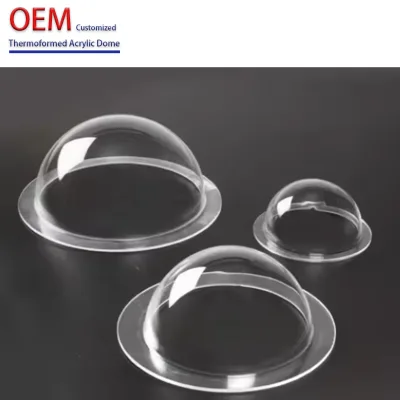
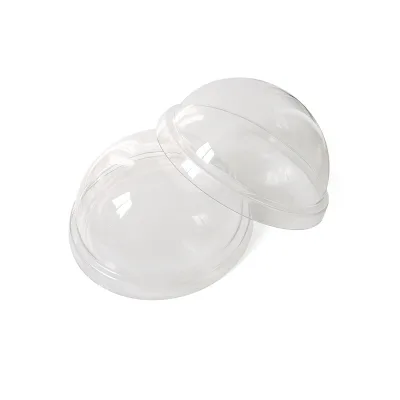
Thermoforming Semicircle Plastic Cover Vacuum Forming Plastic Transparent Shells
$1.03 - $20.64
MOQ: 100 Minimum
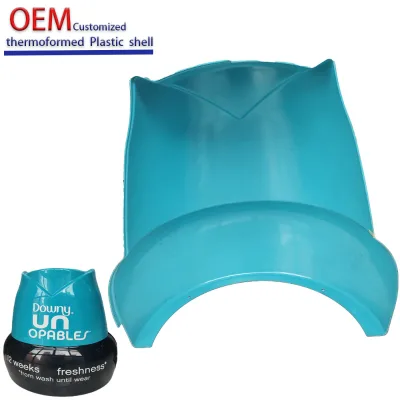
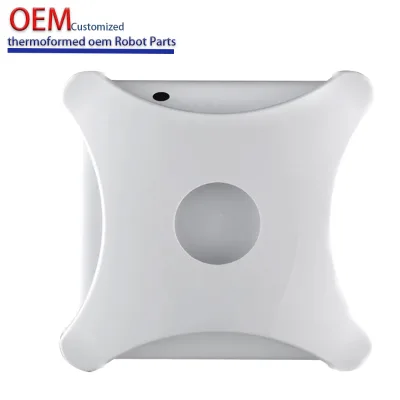
OEM Vacuum Formed Plastic Shell High Quality Plastic Products plastic shell
$2.00 - $10.00
MOQ: 100 Minimum
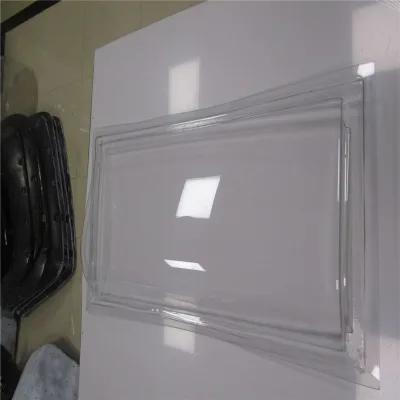
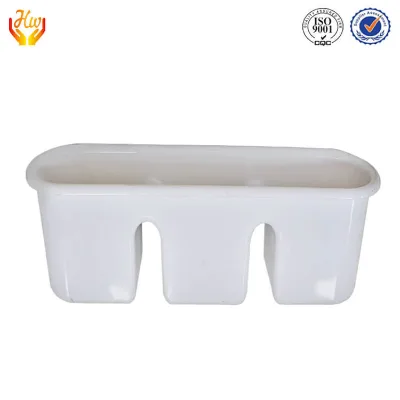
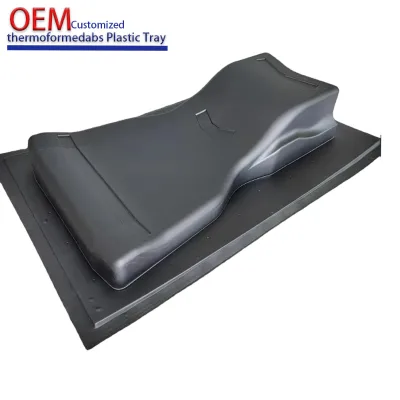


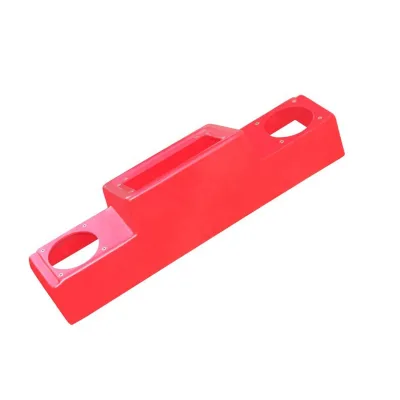


Factory Custom Vented Transparent Blister Plastic Packaging Clamshell with Hole
$0.02 - $0.15
MOQ: 1000000 Pieces



Comprehensive Sourcing Guide
Strategic Sourcing Guide for Vacuum Formed Transparent Plastic Shells
Understanding the Core Technology and Material Landscape
The procurement of vacuum formed transparent plastic shells requires a deep understanding of the thermoforming process, where a sheet of plastic is heated to a pliable forming temperature, stretched against a single-surface mold, and cooled to a rigid final shape. This method is particularly effective for producing large, shallow, or complex enclosures where injection molding might be cost-prohibitive due to high tooling expenses. The transparency of the final product is a critical functional attribute, often dictated by the base resin selected. Buyers must recognize that the material composition directly influences optical clarity, chemical resistance, and mechanical durability.
Based on observed market data, the material palette for these components is extensive, ranging from standard engineering plastics to specialized optical grades. Commonly cited materials include ABS (Acrylonitrile Butadiene Styrene), PC (Polycarbonate), PVC (Polyvinyl Chloride), PE (Polyethylene), and PP (Polypropylene). For applications demanding higher impact resistance or superior optical properties, suppliers may offer ASA, HDPE, PS (Polystyrene), PETG, and PMMA (Acrylic). The thickness of the raw sheet is a pivotal specification, with observed ranges typically spanning from 1mm to 12mm. This variability allows for the customization of structural rigidity; thinner gauges are suitable for lightweight cosmetic covers, while thicker sheets are necessary for machine guards or heavy-duty enclosures. The processing service typically involves a combination of molding and cutting, ensuring that the final part meets precise dimensional requirements after the forming stage.
Technical Specifications and Customization Parameters
When evaluating potential suppliers, the technical specifications of the vacuum formed shell must align with the intended application environment. The most significant advantage of this manufacturing method is the ability to produce custom sizes and shapes. The maximum forming dimensions observed in the market can reach up to 4000mm by 2000mm, with some variations in height up to 1000mm, allowing for the production of large-scale display units or protective covers. The model number is often customized, indicating that the design is not off-the-shelf but engineered to specific client requirements.
Color and surface finish are other critical customization vectors. While the core keyword specifies "transparent," the market data indicates that options exist for crystal clear finishes as well as multi-color configurations. The surface texture can also be customized, allowing for matte, glossy, or textured finishes that may be required for grip or aesthetic purposes. The shape of the product is fully adaptable, ranging from simple flat panels to complex, multi-curved geometries. However, buyers must verify the feasibility of specific design features, such as deep draws or sharp corners, as these can introduce stress points or thinning in the material during the vacuum forming process. The single package size is often listed as minimal (e.g., 1x1x1 cm for samples), but bulk packaging usually involves plastic bags and carton boxes, or fully customized packaging solutions to protect the transparent surfaces from scratches during transit.
Compliance, Certification, and Regulatory Verification
In the B2B procurement of plastic components, verifying compliance with international standards is non-negotiable. The supply chain for vacuum formed shells often involves multiple layers of regulatory adherence, particularly for products intended for food contact, medical use, or consumer electronics. Based on available data, certifications such as ISO9001:2008 and ROHS are frequently cited by manufacturers. These certifications indicate a commitment to quality management systems and the restriction of hazardous substances, respectively.
However, buyers must exercise due diligence beyond the initial listing. Some suppliers may list additional certifications such as IATF16949, which is critical for automotive applications, or Reach, RoHS, MSDS, LFGB, and FDA compliance. It is essential to understand that the presence of a certification on a product page does not guarantee that every specific batch of goods meets that standard. Buyers should request valid, current certificates of conformity for the specific materials and production runs they intend to purchase. For transparent shells used in food packaging or medical devices, verifying LFGB or FDA compliance is mandatory. Similarly, for automotive applications, IATF16949 certification ensures the supplier adheres to the rigorous quality standards of the automotive industry. The absence of these specific certifications in the provided data does not preclude a supplier from having them, but it necessitates direct verification before finalizing a contract.
Cost Drivers and Minimum Order Quantity Dynamics
The pricing structure for vacuum formed transparent plastic shells is influenced by several dynamic factors, including material costs, tooling complexity, and order volume. The observed price range in the market spans from $0.01 to $20.64 USD, reflecting the vast difference between simple, small-scale components and large, complex, or high-volume industrial parts. This wide variance underscores the importance of defining the exact scope of the project before seeking quotes.
A primary cost driver is the Minimum Order Quantity (MOQ). The market data reveals a significant disparity in MOQ requirements, ranging from as low as 1 piece to as high as 1,000,000 pieces. Suppliers with an MOQ of 1 piece are typically positioned as prototyping or low-volume service providers, suitable for R&D or small batch testing. Conversely, suppliers requiring an MOQ of 100, 150, or higher are geared towards mass production. The cost per unit generally decreases as the order volume increases, due to the amortization of mold costs and the efficiency of continuous production runs. Buyers should also consider the cost of customization; features like custom logos, specialized packaging, or unique surface textures can add to the overall unit cost. Additionally, the lead time and shipping costs for large-format items, which may exceed standard container dimensions, should be factored into the total landed cost calculation.
Supplier Evaluation and Service Capabilities
Selecting the right supplier involves more than just comparing prices; it requires a thorough assessment of their manufacturing capabilities and service offerings. The ideal supplier for vacuum formed transparent shells should demonstrate a robust range of processing services, including thermoforming, CNC cutting, and potentially SLA (Stereolithography) for rapid prototyping. The ability to offer OEM, ODM, and OBM services is a strong indicator of a supplier's flexibility and capacity to handle complex client needs.
Key evaluation criteria include the supplier's location, which impacts logistics and communication. Many manufacturers are based in industrial hubs such as Guangdong, China, known for its extensive plastic processing infrastructure. Buyers should verify the supplier's capacity for 3D design support, as this is often a prerequisite for creating the molds required for vacuum forming. The service level should also encompass custom logo application and tailored packaging solutions. When evaluating a supplier, request samples to assess the quality of the vacuum forming process, specifically looking for uniform wall thickness, clarity, and the absence of defects like warping or bubbles. It is also prudent to inquire about their prototype process capabilities, as a supplier that can efficiently produce SLA or vacuum forming prototypes can significantly reduce the time-to-market for new product development.
Quality Control and Long-Term Procurement Strategy
Ensuring consistent quality in vacuum formed transparent shells requires a proactive approach to quality control (QC). Given the sensitivity of transparent materials to surface imperfections, visual inspection is paramount. Buyers should establish clear acceptance criteria regarding optical clarity, surface texture, and dimensional accuracy. The observed specification of "Customer Customized" for size and shape implies that tolerance levels must be explicitly defined in the purchase order, as standard tolerances may not suffice for high-precision applications.
For long-term procurement, building a relationship with a supplier who offers consistent material quality is essential. The material thickness range of 1-12mm offers flexibility, but consistency in the raw material supply is critical to maintaining product integrity. Buyers should implement a system for periodic quality audits and request test reports for mechanical properties, such as impact resistance and tensile strength, especially for applications involving machine covers or protective enclosures. Furthermore, the supply chain should be resilient; verifying the supplier's ability to scale production from small batches (e.g., 100 pcs) to large volumes (e.g., 1,000,000 pcs) ensures that the partnership can grow with the buyer's business needs.
Comparative Analysis of Product Attributes
To facilitate decision-making, the following table summarizes the key attributes observed in the market for vacuum formed transparent plastic shells. This comparison highlights the variability in specifications and helps buyers identify the specific requirements they must communicate to suppliers.
| Attribute Category | Observed Specifications & Options | Procurement Consideration |
|---|---|---|
| Material Types | ABS, PC, PVC, PE, PP, ASA, HDPE, PS, PETG, PMMA, PA66, PCTG, TPE, TPU, PBT | Select based on required clarity, chemical resistance, and impact strength. |
| Thickness Range | 1mm to 12mm | Thicker sheets offer durability but increase material cost and forming time. |
| Maximum Size | Up to 4000mm x 2000mm (Height varies 800-1000mm) | Verify if the supplier's equipment can accommodate the required part dimensions. |
| MOQ Range | 1 pc to 1,000,000 pcs | Align order volume with budget and inventory strategy; low MOQ for prototyping. |
| Certifications | ISO9001:2008, ROHS, IATF16949, Reach, LFGB, FDA | Request specific certificates relevant to the end-use application. |
| Surface Finish | Crystal Clear, Multi-color, Custom Texture | Define finish requirements early to avoid post-processing costs. |
| Processing Services | Thermoforming, CNC Cutting, Moulding, SLA Prototyping | Ensure the supplier has the full suite of services for end-to-end production. |
Final Procurement Recommendations
Sourcing vacuum formed transparent plastic shells is a strategic process that balances technical requirements with commercial viability. Buyers must move beyond the surface-level information provided in product listings and engage in a detailed dialogue with potential suppliers. The wide range of materials, from standard ABS to high-performance PMMA, offers solutions for nearly any application, but the selection must be driven by the specific environmental and functional demands of the end product.
It is imperative to verify all claims regarding certifications and material properties through direct documentation. The variability in MOQ and pricing structures necessitates a clear definition of the project scale before engaging in negotiations. By focusing on suppliers who demonstrate comprehensive processing capabilities, from 3D design to final packaging, and who can provide robust quality assurance protocols, buyers can secure a reliable supply chain for their transparent plastic shell needs. Ultimately, the success of the procurement lies in the precision of the specifications provided and the transparency of the communication with the manufacturing partner.
FAQs
What materials are used for vacuum formed transparent plastic shells?
Common materials include ABS, PC, PVC, PE, PP, ASA, HDPE, PS, PETG, and PMMA. These options allow buyers to select based on required optical clarity, chemical resistance, and mechanical durability for specific applications.
Can I customize the size and shape of these plastic shells?
Yes, both size and shape are fully customizable to meet specific client requirements. Maximum forming dimensions can reach up to 4000mm by 2000mm, allowing for large-scale enclosures or protective covers.
What is the typical thickness range for these vacuum formed parts?
The material thickness typically ranges from 1mm to 12mm. This variability allows for customization of structural rigidity, with thinner gauges suitable for lightweight covers and thicker sheets for heavy-duty applications.
Which certifications do manufacturers usually hold for these products?
Manufacturers often hold ISO9001:2008 and ROHS certifications. Some may also provide IATF16949, Reach, LFGB, or FDA compliance, which are critical for automotive, food contact, or medical device applications.
How does the minimum order quantity vary for these shells?
MOQ requirements vary significantly, ranging from 1 piece for prototyping to 1,000,000 pieces for mass production. Buyers should align their order volume with budget and inventory strategy when selecting a supplier.
What processing services are available for these plastic components?
Available services include thermoforming, CNC cutting, molding, and SLA prototyping. Suppliers often offer OEM, ODM, and OBM services along with custom logo and packaging solutions to support end-to-end production needs.
Where are these plastic shell manufacturers typically located?
Many manufacturers are based in industrial hubs such as Guangdong, China. This location impacts logistics and communication, so buyers should verify the supplier's capacity for 3D design support and rapid prototyping.