Source Vacuum Insulated Beer Bottle for Travel, Outdoor, and Sport
Find 30 Vacuum Insulated Beer Bottle options from China. Compare double wall stainless steel models with BPA-free, leak-proof features. View specs for 12oz to 64oz capacities and request quotes from OEM/ODM suppliers; compare the available evidence and request quotations based on your requirements.
Key considerations
Products List


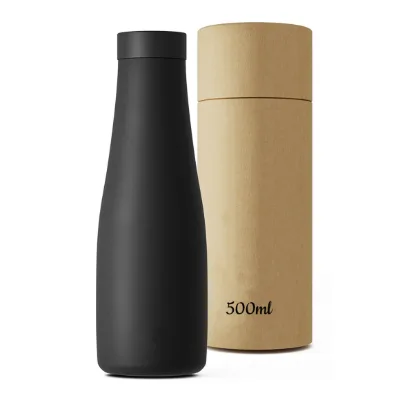
Vacuum Mug Stainless Steel Insulated Travel Coffee Cup Sports Water Bottle
$2.26 - $3.42
MOQ: 999 Pieces




Comprehensive Sourcing Guide
Vacuum Insulated Beer Bottle Sourcing Guide
Procuring vacuum insulated beer bottles requires distinguishing between general beverage containers and units specifically engineered for carbonated or hot liquid retention. The observed market data indicates a strong prevalence of double-wall vacuum insulation technology, which is essential for maintaining beverage temperature over extended periods. Buyers must verify that the specific model selected, such as the Y3 series or SMB-4 variants, explicitly supports the thermal requirements for beer service, whether for cold retention or keeping drinks hot.
Commercial listings reveal a diverse range of customization options, including logo printing and color variations like red, orange, and green. However, the availability of these features often correlates with specific minimum order quantities, which can range significantly from 500 pieces to 3000 pieces depending on the supplier. Sourcing strategies should prioritize suppliers who clearly define their production capabilities for custom branding while maintaining the structural integrity of the vacuum seal required for carbonated beverages.
Product Scope and Observed Listing Signals
The product scope for vacuum insulated beer bottles typically centers on 18/8 stainless steel construction, ensuring durability and resistance to corrosion during repeated use. Listings frequently highlight the "Double Wall Vacuum Insulated" type, which serves as the primary mechanism for thermal efficiency. Buyers should scrutinize the specific model numbers, such as the Y3 series with capacities ranging from 12oz to 64oz, to ensure the volume aligns with standard beer serving sizes and the intended usage context, whether for travel or outdoor events.
Observed listing signals also emphasize the inclusion of accessories like covers, which are critical for preventing spills and maintaining carbonation levels. The material composition is consistently noted as food-grade stainless steel, often accompanied by claims of being BPA-free, which addresses safety concerns for direct food contact. When evaluating listings, procurement teams must confirm that the "Food Grade" keyword applies to the specific alloy used and that the "Leak Proof" feature is validated through rigorous testing rather than mere marketing assertions.
Technical Specifications to Verify
Technical verification must begin with the wall construction and insulation method, as the "Double Wall" and "Vacuum" attributes are non-negotiable for effective thermal performance. Buyers should request detailed specifications regarding the wall thickness and the vacuum integrity of the specific model, such as the HJ4 or SB-51 series, to ensure they can withstand the pressure of carbonated beer without compromising the seal. The "Injection Molding" technique mentioned in some listings may apply to the cap or lid components, but the main body should rely on spinning or deep-drawing processes for optimal strength.
Capacity specifications vary widely, with observed standards including 350ml, 500ml, 750ml, and 1000ml options, alongside imperial measurements like 12oz and 17oz. It is imperative to match the selected capacity to the target market's preferences, as the "Y3" model offers a broad range from 12oz to 64oz. Procurement teams must also verify the "Metal Type" to confirm it is 18/8 stainless steel, as this grade offers superior corrosion resistance compared to lower-grade alternatives, ensuring the bottle remains safe for long-term beer storage and consumption.
Compliance and Safety Documentation
Safety documentation is paramount when sourcing containers for consumable beverages, requiring verification of certifications such as FDA, LFGB, and CE/EU compliance. These certifications confirm that the materials used, particularly the stainless steel and any plastic components, meet strict international standards for food safety and do not leach harmful substances like BPA. Buyers should explicitly request test reports that validate the "BPA Free" claim and ensure the product adheres to the specific regulatory requirements of the destination market.
In addition to material safety, factory audits provide critical insight into the manufacturing environment and quality management systems. The presence of BSCI, Sedex, and ISO9001:2015 certifications indicates that the supplier adheres to recognized standards for social responsibility and quality control. Procurement teams must verify that these certifications are current and applicable to the specific production line manufacturing the beer bottles, ensuring that the "Eco Friendly" attributes are backed by legitimate operational practices rather than unsubstantiated marketing claims.
Cost Drivers and Commercial Terms
Cost drivers for vacuum insulated beer bottles are heavily influenced by the level of customization, including logo printing and color selection. Listings indicate that "Customization" and "Logo" options are available, but these services often trigger higher minimum order quantities, typically starting at 500 pieces. Buyers must balance the desire for branded, multicolor products with the economic reality that complex designs and specific color requests, such as red or green, may increase unit costs and extend production timelines.
Commercial terms also encompass lead times and sample availability, which are critical for supply chain planning. Observed data suggests a sample time of 3 to 7 days, while full production lead times generally range from 15 to 20 days. Procurement strategies should account for these durations when scheduling orders, especially when utilizing "OEM/ODM" support. Additionally, shipping methods, including sea, air, or express options, will significantly impact the final landed cost and delivery speed, requiring careful calculation based on order volume and urgency.
Supplier Qualification and Quality Control
Supplier qualification should prioritize manufacturers with a proven track record in producing stainless steel vacuum containers for the beverage industry. The presence of specific model numbers like "SMB-4" and "HJ4" suggests a specialized production capability, but buyers must verify that the supplier has the capacity to maintain consistent quality across large batches. It is essential to confirm that the "Production Time" of 15-20 days is reliable and that the supplier can scale operations to meet fluctuating demand without compromising the vacuum seal integrity.
Quality control protocols must be rigorous, focusing on the "Leak Proof" and "Keep Drink Cold Hot" performance claims. Buyers should implement a sampling strategy that includes pressure testing for carbonated beverages and thermal retention testing to validate the vacuum insulation. The "Gift Box" or "White Box + Carton Box" packaging options should also be inspected to ensure they provide adequate protection during transit, preventing dents or scratches that could compromise the vacuum seal or aesthetic appeal of the final product.
Long-Term Procurement Checks
Long-term procurement success depends on establishing a robust relationship with suppliers who can consistently deliver on quality and compliance. Buyers should schedule regular audits to verify that the "Factory Audit" certifications remain valid and that the production processes have not drifted from the agreed-upon standards. Continuous monitoring of the "Material" and "Technics" ensures that the 18/8 stainless steel and vacuum insulation methods remain consistent, preventing degradation in product performance over time.
Finally, market trends and consumer preferences should be regularly reviewed to adapt the product lineup accordingly. The "Style" of the bottles, ranging from "Sport" to "Simple," and the "Popular Color" options like red or orange, may shift based on seasonal demands or regional preferences. Procurement teams must maintain flexibility in their ordering strategies to accommodate these changes, ensuring that the inventory remains relevant and that the "Customized" features continue to meet the evolving needs of the end-user market.
FAQs
What materials are used in these vacuum insulated beer bottles?
These bottles are made from 18/8 stainless steel, a food-grade material suitable for daily drinking use. The double-wall vacuum insulation separates the inner and outer walls, keeping the exterior safe to hold. Many listed models are also described as BPA free. Buyers should confirm material certificates such as LFGB or FDA documentation with each supplier before placing an order.
How long does production take after an order is confirmed?
Typical production time for listed models is 15 to 20 days after order confirmation, and sample time is usually 5 to 7 days, with some suppliers offering samples in 3 days. Actual schedules vary by order size, customization requirements, and factory capacity. Confirm the current lead time with the supplier before finalizing your purchase contract.
Which customization options are available for logo and packaging?
Most listed suppliers support OEM and ODM customization, including custom logos and multicolor printed designs. Standard packing is typically a white box plus carton, while some models offer gift box packing. Sample lead times of 3 to 7 days let you check print quality first. Discuss minimum order quantities and artwork requirements directly with each factory.
What capacities are offered for vacuum insulated beer bottles?
Listed models cover a wide capacity range, including 12, 17, 20, 25, 32, 40, and 64 ounce versions, plus 260ml, 350ml, 500ml, 750ml, and 1000ml options. Smaller 12oz and 17oz bottles suit individual drinking, while larger 32oz and above sizes fit outdoor or shared use. Verify available sizes with each supplier since stock varies by model.
How does double wall vacuum insulation keep drinks cold or hot?
The double wall design creates a vacuum layer between the inner and outer stainless steel walls, which greatly reduces heat transfer by conduction and convection. This keeps drinks cold or hot for extended periods and prevents condensation on the outside. Sealed, leak-proof covers support travel and outdoor use. Actual holding time depends on the model, so request test details from suppliers.
Can I order small quantities or samples before bulk production?
Yes, many listed suppliers offer samples, with sample times ranging from 3 to 7 days, so you can evaluate quality before committing. While the product page lists an MOQ of 500 pieces for some models, the observed listing range spans 1 to 3000 pieces. Ask each supplier about sample fees and whether sample costs are credited against future bulk orders.
Which certifications and audits should I verify with suppliers?
Listed products reference certifications including LFGB, CE/EU, and FDA, and factory audits covering BSCI, Sedex, and ISO9001:2015. These indicate food-contact safety and production quality management. Always request current, valid certificate copies in your company name and verify audit dates, because certificates differ by factory and may not apply to every listed item.
How are the bottles packed and shipped from China?
Standard packing is a white box inside a carton, and gift box packing is available for some models. Suppliers ship by sea, by air, or by express, so you can balance cost and delivery speed based on order size. Sea freight suits large volume orders, while express works well for samples. Confirm packing details and freight terms before production.