Source Vegan Ashwagandha Theanine Gummies for sleep and stress
Find 30 listings for Vegan Ashwagandha Theanine Gummies with features like low sugar and vitamins. Buyers can compare OEM options, certifications, and packaging sizes from manufacturers in China.
Key considerations
Products List


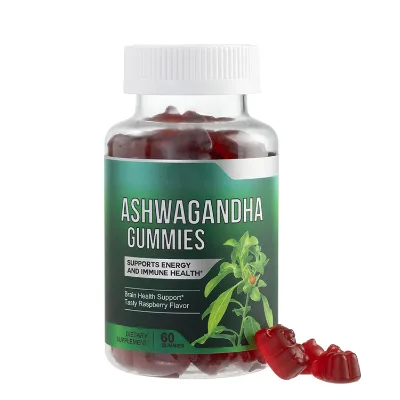


OEM Private Label Shilajit Ashwagandha Gummies All in One Energy Boost Gummy
$2.00 - $3.50
MOQ: 100 bottle




Comprehensive Sourcing Guide
Strategic Sourcing Guide for Vegan Ashwagandha and L-Theanine Gummies
Understanding Product Specifications and Formulation
When sourcing vegan ashwagandha and L-theanine gummies, buyers must first establish a clear understanding of the technical specifications that define the product's identity and efficacy. The core product type is categorized as a gummy candy, specifically designed for health care and food applications. The primary active ingredients typically include ashwagandha root extract and L-theanine, often combined with vitamins to enhance the nutritional profile. A critical specification observed in the market is the dosage per unit, with common formulations offering 500mg of active ingredients per gummy. The standard serving recommendation for these supplements is generally two gummies per day, a figure that buyers should verify against the specific product label to ensure alignment with intended health outcomes.
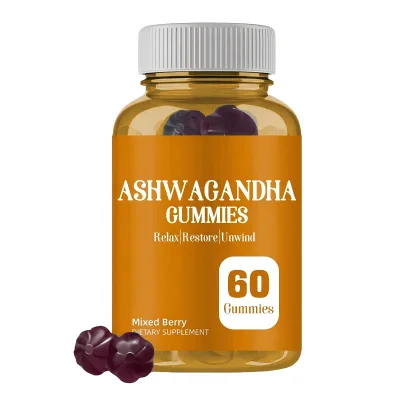
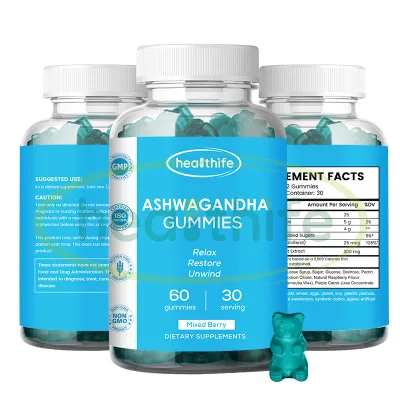
The physical appearance and packaging are equally vital for market positioning. These products are frequently described as having a customized appearance, allowing for distinct branding through color and shape. The standard packaging unit is typically a bottle containing either 60 or 90 gummies, which is then placed within a carton for bulk shipping. The single package size often measures approximately 10x10x15 cm, with a gross weight of around 0.350 kg per unit. For large-scale orders, specifications may scale to bulk configurations such as 3g per gummy with 60 pieces per bottle and 96 bottles per carton. Buyers should note that while some listings mention a "spicy" flavor, the vast majority of ashwagandha and theanine gummies are formulated with sweet or fruit flavors to mask the earthy notes of the root extract. The shelf life for these products is consistently observed to be two years or 24 months when stored in a cool, dry place, a critical factor for inventory management and logistics planning.
Compliance and Certification Verification
Navigating the regulatory landscape is paramount when importing health supplements from international markets. The supply chain for vegan ashwagandha gummies often originates from specific regions in China, including Shaanxi and Henan provinces. To ensure the product meets international safety and quality standards, buyers must rigorously verify the certifications held by potential suppliers. High-confidence data indicates that reputable manufacturers in this sector often hold a robust portfolio of certifications, including HACCP, ISO, GMP, QS, KOSHER, JAS, OCIA, and NOP. These certifications cover various aspects of production, from food safety management systems (HACCP, ISO) to organic standards (JAS, OCIA, NOP) and religious dietary compliance (KOSHER).
It is essential to distinguish between verified certifications and those that may be claimed without immediate proof. While some industry standards like ISO 9001, ISO 27001, ISO 22000, CE, and ROHS are frequently discussed in the broader manufacturing context, buyers should not assume their presence without direct documentation from the supplier. The verification process should focus on the specific certifications listed in the product's technical dossier. For instance, the presence of GMP (Good Manufacturing Practice) is non-negotiable for health care products, ensuring that the manufacturing environment maintains strict hygiene and quality control. Similarly, HACCP certification confirms that the supplier has identified and controlled biological, chemical, and physical hazards. Buyers should request current, valid certificates for each claimed standard and verify their authenticity through the issuing bodies. The absence of these certifications should be treated as a significant red flag, potentially indicating a lack of adherence to international safety protocols.
Cost Drivers and Pricing Dynamics
The pricing structure for vegan ashwagandha and L-theanine gummies is influenced by several variable factors, creating a wide range in observed market prices. The current market data indicates a price range between $0.02 and $7.00 USD per unit, though this variance is heavily dependent on the order volume, ingredient quality, and packaging complexity. The Minimum Order Quantity (MOQ) is a primary driver of unit cost, with observed ranges spanning from as low as 1 unit to as high as 50,000 units. Typically, suppliers offer a tiered pricing model where the per-unit cost decreases significantly as the order volume increases. For example, a specific listing may require an MOQ of 1,000 bottles, which would necessitate a larger upfront investment but result in a lower cost per gummy compared to smaller trial orders.
Beyond the base price, buyers must account for the cost of customization. The availability of OEM (Original Equipment Manufacturer) and ODM (Original Design Manufacturer) services allows for private labeling, custom bottle designs, and tailored packaging, all of which add to the overall cost. The specification of the active ingredient concentration also plays a role; products with higher assay values, such as the 500mg per gummy specification, may command a premium over standard formulations. Additionally, the choice of packaging materials, such as specialized bottles or cartons, and the inclusion of additional features like "sugar-free" or "organic" claims can influence the final price. Buyers should request detailed quotes that break down the cost of raw materials, processing, packaging, and logistics to understand the true cost drivers. It is also crucial to consider the lead time associated with different order sizes, as expedited production for smaller MOQs may incur higher costs.
Typical Applications and Target Demographics
The application of vegan ashwagandha and L-theanine gummies extends beyond simple consumption, targeting specific health outcomes and demographic groups. The primary application of these products is in the health care sector, where they are utilized to promote sleep and support stress management. Ashwagandha is widely recognized for its adaptogenic properties, helping the body manage stress, while L-theanine is known for promoting relaxation without drowsiness. The combination of these ingredients makes the product particularly suitable for adults seeking to improve sleep quality and mental clarity. The product is explicitly categorized for use by men, women, middle-aged and elderly people, and teenagers, though it is noted as not applicable for newborns. This demographic specificity is crucial for marketing and compliance, ensuring that the product is sold only to the intended audience.
The "vegan" attribute is a significant selling point, appealing to consumers who avoid animal-derived ingredients. This is often achieved by using plant-based gelatin substitutes in the gummy formulation. The product is also marketed with features such as "low-salt," "low-sugar," and "sugar-free," catering to health-conscious consumers who are mindful of their dietary intake. The presence of vitamins further enhances the product's appeal as a daily supplement. Buyers should note that while the product is designed for general health maintenance, the specific claims regarding effectiveness, such as "promote sleep," must be supported by the supplier's technical data and comply with local advertising regulations. The versatility of the product allows for use in various retail channels, including health food stores, pharmacies, and online marketplaces, provided the target demographic aligns with the product's intended use.
Supplier Evaluation and Service Capabilities
Selecting the right supplier requires a comprehensive evaluation of their capabilities, particularly regarding customization and service. The market offers a high degree of customization, with suppliers providing OEM and ODM services that include private labeling, custom bottle designs, and tailored packing solutions. This flexibility is essential for brands looking to differentiate themselves in a competitive market. Buyers should assess the supplier's ability to meet specific requirements, such as custom colors, flavors, and packaging sizes. The availability of samples is another critical factor; suppliers that offer samples allow buyers to evaluate the product quality, taste, and texture before committing to a large order.
When evaluating suppliers, buyers should look for those with a proven track record in the production of health care products and gummies. The location of the supplier, often in provinces like Shaanxi and Henan in China, can impact logistics and lead times. It is important to verify the supplier's production capacity and their ability to scale operations to meet increasing demand. The service model should include not only manufacturing but also support for regulatory compliance, quality assurance, and after-sales service. Buyers should inquire about the supplier's experience with international shipping, documentation, and customs clearance to ensure a smooth procurement process. Additionally, the supplier's willingness to engage in long-term partnerships and their responsiveness to inquiries are key indicators of their reliability. A supplier that offers comprehensive support and demonstrates transparency in their operations is more likely to deliver consistent quality and meet the buyer's expectations.
Quality Control and Long-Term Procurement Strategy
Maintaining high quality standards is essential for the long-term success of any gummy supplement product. Quality control measures should be integrated into every stage of the procurement process, from raw material sourcing to final packaging. The use of advanced testing methods, such as HPLC (High-Performance Liquid Chromatography), is standard for verifying the assay and purity of the active ingredients. Buyers should ensure that the supplier conducts rigorous testing for heavy metals, pesticides, and microbial contamination to guarantee the safety of the final product. The specification of the assay, such as 500mg per gummy, must be consistently met across all production batches.
For long-term procurement, buyers should develop a strategy that prioritizes consistency and reliability. This involves establishing clear quality agreements with the supplier, defining acceptable tolerance levels for product specifications, and setting up regular quality audits. The shelf life of the product, typically two years, should be factored into inventory planning to minimize waste and ensure that products are sold while fresh. Buyers should also consider the scalability of the supply chain, ensuring that the supplier can handle increased order volumes without compromising quality. Building a strong relationship with the supplier can lead to better pricing, priority production scheduling, and access to new product innovations. Finally, buyers should stay informed about changes in regulatory requirements and market trends to adapt their procurement strategy accordingly, ensuring that the product remains competitive and compliant in the global market.
FAQs
What certifications do Vegan Ashwagandha Theanine Gummies typically hold?
These gummies often hold certifications including HACCP, ISO, GMP, QS, KOSHER, JAS, OCIA, and NOP. Buyers should verify current certificates for each standard to ensure compliance with international safety and quality protocols before placing orders.
How is the dosage and assay strength defined for these gummies?
The standard assay strength is typically 500mg per gummy, with a recommended dose of two gummies per day. This specification ensures consistent delivery of active ingredients like ashwagandha root extract and L-theanine for health care applications.
Can suppliers provide custom packaging and private labeling services?
Yes, suppliers offer OEM and ODM services including custom labels, bottle designs, and packing configurations. Buyers can request specific packaging sizes like 60 or 90 gummies per bottle to align with their brand identity and market requirements.
What is the shelf life and storage requirement for these products?
The shelf life is consistently two years or 24 months when stored in a cool, dry place. This duration allows for effective inventory management and ensures product stability and safety for consumers until the expiration date.
Which demographic groups are suitable for consuming these gummies?
These gummies are applicable for men, women, teenagers, and adults including middle-aged and elderly people. They are explicitly not suitable for newborns, ensuring safety for the intended adult and adolescent health care consumer base.
What is the typical minimum order quantity for bulk purchases?
The minimum order quantity ranges from 1 unit up to 50,000 units depending on the supplier. Specific listings may require an MOQ of 1,000 bottles, which influences the per-unit cost and overall investment required for the order.