Source Vegan Hyaluronic Acid Face Serum for Eye, Face, and Neck
Find 30 listings for Vegan Hyaluronic Acid Face Serum with features like anti-aging and firming. Buyers can compare options for face, hand, and neck applications with customizable packaging and various ingredient profiles including collagen and green tea.
Key considerations
Products List


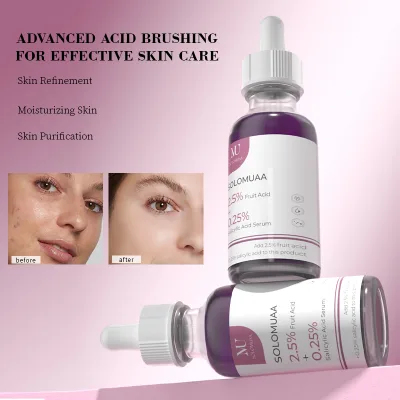
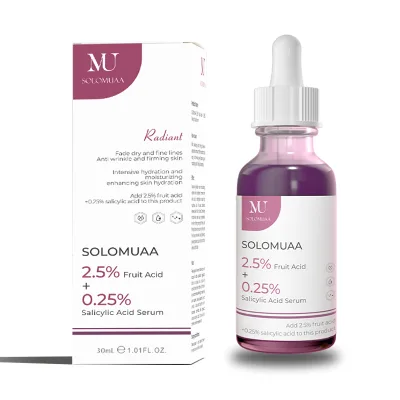
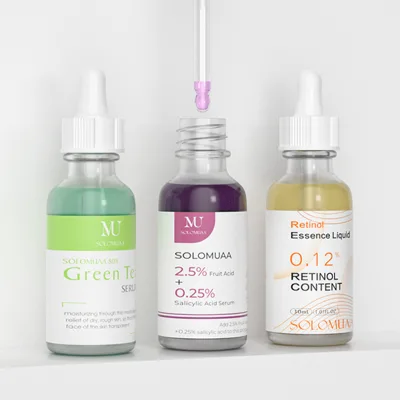


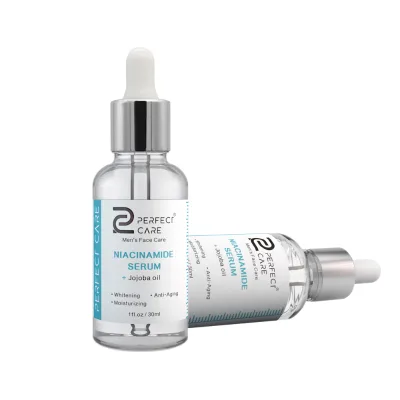

Comprehensive Sourcing Guide
Strategic Sourcing Guide for Vegan Hyaluronic Acid Face Serum
The global market for Vegan Hyaluronic Acid Face Serum has expanded significantly as procurement professionals seek sustainable, high-efficacy skincare solutions that align with ethical consumer demands. For buyers in the B2B sector, sourcing this specific product category requires a nuanced understanding of formulation science, regulatory compliance, and supply chain logistics. The following guide outlines the critical factors for evaluating suppliers and selecting products that meet rigorous quality standards while adhering to the constraints of modern procurement.
Understanding Formulation and Core Ingredients
The foundation of a high-quality Vegan Hyaluronic Acid Face Serum lies in its ingredient profile. Unlike traditional serums that may rely on animal-derived collagen or glycerin, vegan formulations utilize plant-based alternatives. Based on observed market data, the primary active ingredients often include Hyaluronic Acid, Vitamin C, Niacinamide, Tranexamic Acid, and various botanical extracts such as Green Tea, Aloe Vera, and Sophora flavescens. These components are selected not only for their moisturizing properties but also for their ability to address specific skin concerns like aging, dark circles, and pigmentation.
When evaluating a potential product, buyers must verify the source of the hyaluronic acid. While synthetic fermentation is the standard for vegan certification, the presence of other plant-based actives like Pearl, Brown Rice, or Seaweed can enhance the product's efficacy. The form of the serum is typically liquid, designed for optimal absorption. Buyers should look for formulations that explicitly state "Paraben-Free," "Cruelty-Free," and "Organic" to ensure they meet the strict criteria of the vegan market. The combination of these ingredients creates a synergistic effect, offering benefits such as skin revitalization, firming, and lightening without compromising ethical standards.
Technical Specifications and Product Standards
Technical specifications are the backbone of any procurement agreement, ensuring that the delivered product matches the ordered requirements. In the current market, standard packaging volumes for these serums vary, with common sizes observed at 30ml, 40ml, and 60ml. These volumes cater to different retail strategies, from travel-sized samples to full-size premium offerings. The physical dimensions of the single package are also critical for logistics planning; typical single package sizes range around 4x4x11 cm, with a net weight of approximately 30ml and a gross weight of 0.100 kg.
Product models and identifiers play a vital role in inventory management. Suppliers often assign specific model numbers such as "HAS," "VCES," "CS," or "VC" to distinguish between different formulations or batch types. For instance, a specific salicylic acid variant might be designated as "S1-salicylic acid serum." Buyers must ensure that the model number on the purchase order aligns exactly with the product specifications to avoid receiving incorrect formulations. Additionally, the color of the serum, which can range from clear to purple depending on the active ingredients like Green Tea or specific botanical extracts, should be verified against the brand's visual identity standards.
Compliance, Certification, and Regulatory Adherence
Navigating the regulatory landscape is perhaps the most critical step in sourcing skincare products. For a product to be marketed as vegan and hyaluronic acid-based, it must adhere to strict international standards. The most common certifications observed in this sector include CE, GMP (Good Manufacturing Practice), and MSDS (Material Safety Data Sheet). These certifications indicate that the manufacturing facility adheres to safety protocols and quality control measures.
Buyers must verify that the supplier possesses valid GMP certification, which ensures that the product is consistently produced and controlled according to quality standards. The CE mark is essential for products entering the European market, signifying compliance with health, safety, and environmental protection standards. Furthermore, the MSDS is a mandatory document that details the chemical composition and safety handling instructions for the serum. Without these documents, the product cannot be legally imported or sold in many jurisdictions.
It is also important to confirm the "Vegan" and "Cruelty-Free" status through recognized third-party audits. While the product listing may claim these attributes, the procurement team should request proof of certification to avoid greenwashing. The place of origin, often Guangdong, China, requires specific attention to local export regulations and the destination country's import laws regarding cosmetics.
Cost Drivers and Pricing Dynamics
The pricing of vegan hyaluronic acid face serums is influenced by several factors, including the quality of raw materials, the complexity of the formulation, and the scale of production. The observed price range in the market is typically between $0.50 and $4.00 USD per unit. However, this range can fluctuate based on the concentration of active ingredients. For example, serums containing high concentrations of Pearl, Ginseng, or specialized peptides like Pro-Xylane may command a higher price point within this range.
Minimum Order Quantity (MOQ) is another significant cost driver. The market observes a wide MOQ range, from as low as 2 units for sampling purposes to as high as 3000 units for bulk production. A specific supplier might set an MOQ of 200 sets, which is a common threshold for private labeling projects. Buyers should negotiate based on their volume requirements; higher volumes often result in lower unit costs but require a larger upfront capital investment.
The cost of private custom packaging also impacts the final price. While standard packaging is cheaper, the demand for "Private Custom Packaging" or "Be Customized by Customers" options adds to the manufacturing cost. Buyers must factor in the design, mold, and printing costs associated with custom branding when calculating the total landed cost.
Typical Applications and Target Market Segmentation
Understanding the intended application of the serum is crucial for matching the product to the right market segment. These serums are versatile and designed for use on multiple areas of the body, including the face, neck, hands, eyes, and decollete. The specific features of the serum, such as Anti-Aging, Anti-Wrinkle, Firming, and Lightening, make it suitable for a wide demographic, though the primary target audience is often female consumers seeking skin revitalization.
The product is suitable for both home use and professional spa applications. For home use, the suggested application frequency is typically 1 to 2 times per week, depending on the potency of the active ingredients. However, for daily maintenance, lighter formulations may be recommended. The serum addresses a broad spectrum of skin concerns, including dark circles, puffiness, blackheads, acne, and blemish clearing. This versatility allows buyers to position the product in various retail channels, from mass-market drugstores to high-end beauty boutiques.
Supplier Evaluation and Quality Control
Selecting the right supplier requires a rigorous evaluation process that goes beyond price comparisons. Buyers should assess the supplier's production capacity, with some listing available quantities of up to 10,000 units. The ability to offer customization, such as private labeling and custom packaging, is a key differentiator. Suppliers that provide "Private Customized Packaging" demonstrate a higher level of flexibility and service capability.
Quality control measures must be integrated into the procurement process. Buyers should request batch testing reports to verify the consistency of the active ingredients, such as the 80% Green Tea Leaf Extract found in specific formulations. The supplier's adherence to the stated standards, such as the 30ml or 40ml volume specifications, must be verified through pre-shipment inspections. Additionally, the supplier's location in Guangdong, China, should be evaluated for logistical efficiency and the reliability of their shipping partners.
Long-Term Procurement Considerations
Sourcing vegan hyaluronic acid face serums is not a one-time transaction but a long-term strategic partnership. Buyers must consider the scalability of the supply chain to meet future demand fluctuations. The ability of the supplier to maintain consistent quality over time, despite changes in raw material availability, is essential. For instance, the supply of botanical ingredients like Green Tea or Aloe Vera can be subject to seasonal variations, which may affect production timelines.
Lead times and inventory management are also critical. While specific lead times are not universally standardized, buyers should establish clear agreements regarding production schedules and delivery windows. The flexibility of the supplier to handle custom orders and the speed of their response to quality issues will determine the success of the partnership. Furthermore, staying updated on regulatory changes in the target market is necessary to ensure continued compliance.
Comparative Analysis of Product Attributes
To facilitate decision-making, the following table summarizes key attributes observed in the market for vegan hyaluronic acid face serums. This comparison helps buyers identify the specific features that align with their brand strategy.
| Attribute Category | Common Observation | Strategic Implication |
|---|---|---|
| Main Ingredients | Hyaluronic Acid, Vitamin C, Green Tea, Collagen | High efficacy for hydration and anti-aging; supports vegan claims. |
| Packaging | Private Custom Packaging, 30ml/40ml/60ml | Allows for brand differentiation; volume affects unit cost. |
| Certifications | CE, GMP, MSDS, Cruelty-Free, Vegan | Essential for market access and consumer trust. |
| Target Areas | Face, Neck, Eyes, Hands, Body | Versatile product suitable for multiple SKUs or bundles. |
| Key Features | Anti-Aging, Firming, Lightening, Moisturizing | Addresses top consumer pain points in skincare. |
| MOQ Range | 2 to 3000 units | Flexible for startups; bulk discounts for established brands. |
| Origin | Guangdong, China | Established manufacturing hub with competitive logistics. |
Final Procurement Recommendations
In conclusion, sourcing Vegan Hyaluronic Acid Face Serum requires a balanced approach that prioritizes ingredient integrity, regulatory compliance, and supply chain reliability. Buyers should focus on suppliers who provide transparent documentation regarding certifications like GMP and CE, and who offer flexible customization options for packaging and formulation. By carefully evaluating the technical specifications, such as volume and ingredient concentration, and understanding the cost drivers associated with MOQ and private labeling, procurement professionals can secure a product line that meets both quality standards and market demands. The long-term success of the product depends on maintaining a strong partnership with suppliers who can adapt to evolving consumer preferences and regulatory landscapes.
FAQs
What certifications do Vegan Hyaluronic Acid Face Serum products typically have?
These products typically hold CE, GMP, and MSDS certifications to ensure safety and quality. Buyers should verify these documents before purchasing to confirm the manufacturer adheres to international standards for cosmetics and chemical handling.
Which packaging options are available for private labeling these serums?
Private custom packaging and customized options by customers are widely available for these serums. Suppliers often support various volumes like 30ml, 40ml, and 60ml to suit different retail strategies and branding requirements.
How can I find suppliers with low minimum order quantities for sampling?
You can find suppliers with low minimum order quantities starting from 2 units for sampling purposes. The market offers a wide range of MOQs up to 3000 units, allowing flexibility for initial testing before bulk orders.
What are the main ingredients used in these vegan formulations?
Main ingredients often include Hyaluronic Acid, Vitamin C, Green Tea, and plant-based collagen. These formulations are designed to be vegan, cruelty-free, and paraben-free while addressing concerns like aging and dark circles.
Can I source these serums from manufacturers in Guangdong, China?
Yes, many manufacturers producing these serums are located in Guangdong, China. This region is a known hub for cosmetic production, offering efficient logistics and access to a wide variety of product models and specifications.
What is the typical price range for bulk orders of this serum?
The typical price range observed in the market is between 0.50 and 4.00 USD per unit. Costs vary based on the concentration of active ingredients and the complexity of the custom packaging selected.
Which product models are commonly available for this serum type?
Commonly available product models include HAS, VCES, CS, and VC, along with specific variants like S1-salicylic acid serum. These models help distinguish between different formulations and batch types for inventory management.