Source Vertical Black Acrylic Display Block for Retail, Exhibitions, and Stores
Find 30 Vertical Black Acrylic Display Block options for retail counters, exhibition shows, and specialty stores. Compare sizes, customization, and UV printing features to select the right counter riser for your product collection.
Key considerations
Products List


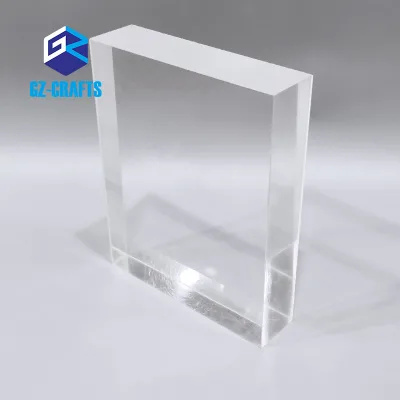
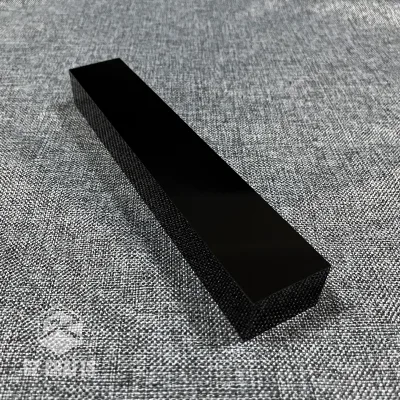
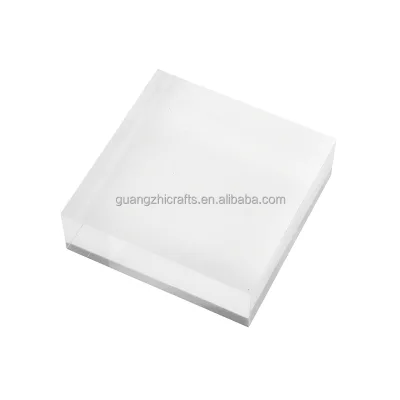
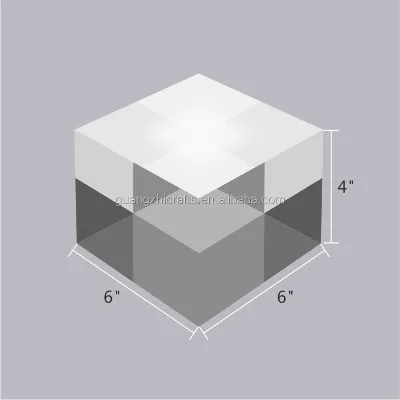
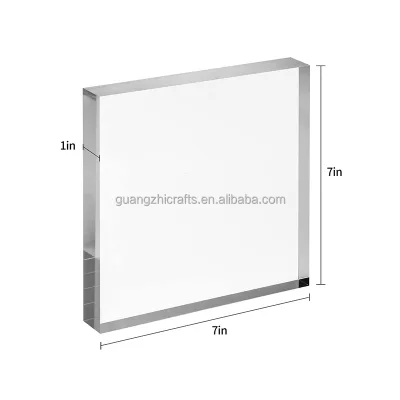
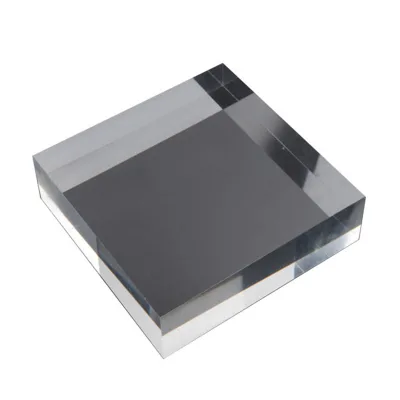


Clear Polished Acrylic Crystal Glass Display Base Block with Customized Shape
$0.56 - $3.06
MOQ: 50 Pieces


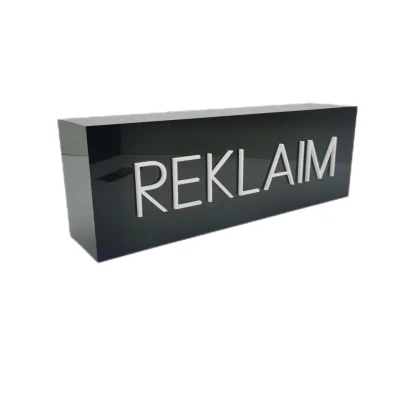


Customized Acrylic Blocks/Acrylic Frame/Perspex Blocks/Acrylic Exhibition Stand
$130.00 - $155.00
MOQ: 200 Pieces


Comprehensive Sourcing Guide
Vertical Black Acrylic Display Block Sourcing Guide
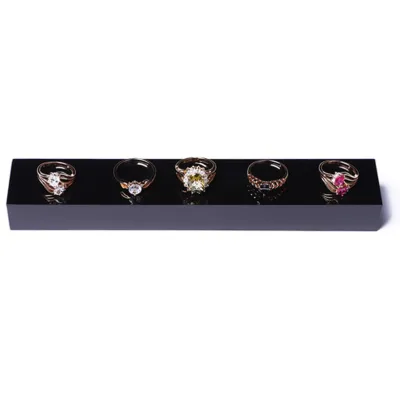
Sourcing vertical black acrylic display blocks requires a careful balance between aesthetic precision and functional durability. These units are primarily designed for indoor environments, serving as sophisticated risers for jewelry, watches, and small luxury items in supermarkets, specialty stores, and exhibition shows. The visual impact of a matte or glossy black finish against the transparency of acrylic creates a high-contrast presentation that elevates the perceived value of the displayed goods. Buyers must recognize that while the material is inherently clear, the specific request for black acrylic often involves using black-tinted raw material or applying surface treatments to achieve the desired depth and opacity.
The procurement process for these items is heavily influenced by customization capabilities. Most suppliers offer OEM and ODM services, allowing brands to tailor dimensions, thickness, and branding elements to fit specific retail strategies. The availability of UV printing, engraving, or silk-screen printing for logos ensures that the display block can serve as both a functional tool and a brand ambassador. However, this customization introduces variables in production time and quality control, requiring buyers to establish clear specifications early in the sourcing journey to avoid discrepancies between the sample and the final bulk order.
Product Scope and Observed Listing Signals
The market for vertical black acrylic display blocks presents a wide range of options, with observed listing prices varying significantly from low-cost basic units to premium custom-engineered pieces. This price disparity often reflects differences in raw material quality, thickness, and the complexity of the finishing process. Buyers should note that while some listings offer standard sizes such as 15x8x2 cm or 140x75x30 mm, many suppliers emphasize customized sizing to meet unique shelf or counter requirements. The minimum order quantity (MOQ) typically ranges from 10 to 200 units, providing flexibility for small boutique retailers as well as larger chains, though higher customization levels may push MOQs toward the upper end of this range.
Observed product attributes indicate a strong focus on versatility and ease of integration into existing retail fixtures. Common features include pre-assembled units that are ready for immediate placement on countertops or desktops, eliminating the need for complex installation procedures. The orientation of the block can be horizontal or vertical, with square and rectangular shapes being the most popular for general display purposes. Additionally, the weight of these blocks is generally light, making them easy to rearrange for seasonal merchandising changes. Buyers should verify if the listed price includes packaging, as materials like film, foam, and carton are standard to protect the acrylic surface from scratches during transit.
Technical Specifications to Verify
Thickness is a critical technical specification that directly impacts the stability and visual weight of the display block. Popular thicknesses include 20mm, 25mm, and 30mm, with thicker options providing greater stability for heavier items but potentially increasing the cost and weight of the unit. Buyers must confirm the exact thickness required for their specific application, as thinner blocks may wobble when displaying heavier jewelry or electronics. The raw material choice is equally important; while some blocks use black acrylic sheets, others may use clear acrylic with black backing or surface treatments. Verifying the material composition ensures that the color is consistent throughout the block and does not chip or fade over time.
Dimensional accuracy and model numbers are essential for maintaining consistency across large orders. Suppliers often provide specific model codes, such as AAB-005 or GZ-1256, which correspond to standard dimensions like 15x8x2 cm or 8x12x3 inches. However, buyers should not rely solely on these codes, as manufacturers may update dimensions or use different naming conventions. It is crucial to request detailed technical drawings or CAD files that specify the exact length, width, and height, including tolerances. Additionally, buyers should verify if the block is designed for single-shelf use or if it can be stacked or combined with other units to create multi-level displays, as this affects the overall footprint and display capacity.
Compliance and Safety Documentation
While specific certification status for individual acrylic display blocks is not always explicitly documented in standard listings, buyers should inquire about the safety and environmental standards of the raw materials used. Trusted category knowledge suggests that high-quality acrylic is often RoHS compliant, indicating that it is free from hazardous substances like lead and mercury. This is particularly important for retailers who sell products in regions with strict environmental regulations or who market their goods as eco-friendly. Buyers should request material safety data sheets (MSDS) or compliance certificates from suppliers to ensure that the acrylic does not off-gas harmful chemicals, which could affect indoor air quality in enclosed retail spaces.
Safety documentation also extends to the physical stability of the display block. Although acrylic is durable, it can be slippery, and buyers should verify if the bottom of the block includes non-slip pads or feet to prevent items from sliding off. This is a critical safety feature for displaying valuable or fragile items like jewelry. Additionally, buyers should check if the supplier adheres to ISO 9001 quality management standards, which indicates a systematic approach to manufacturing consistency and defect reduction. While ISO 14001 environmental management is less common for simple acrylic blocks, its presence would signal a supplier’s commitment to sustainable production practices, which may align with a buyer’s corporate social responsibility goals.
Cost Drivers and Commercial Terms
The cost of vertical black acrylic display blocks is driven primarily by material thickness, customization complexity, and order volume. Thicker blocks require more raw material, directly increasing the unit cost, while custom sizes and shapes may incur additional tooling or setup fees. Buyers should also consider the cost of branding, such as UV printing or engraving, which adds to the per-unit price but can enhance brand visibility. The observed price range of $0.51 to $155 USD reflects these variables, with basic, small, unbranded blocks at the lower end and large, thick, custom-branded units at the higher end. Understanding these cost drivers allows buyers to negotiate more effectively and allocate their budget based on the importance of aesthetics versus functionality.
Commercial terms, including lead times and payment conditions, vary significantly based on the level of customization. Standard items may have shorter lead times, while custom orders typically require 5-7 working days for sample production and longer for bulk manufacturing. Buyers should clarify the sample time and cost, as samples are essential for verifying quality before committing to a large order. Payment terms often depend on the order size and the supplier’s trust level, with common arrangements including partial deposits and balance payments before shipment. Buyers should also confirm the packaging details, as proper protection with film, foam, and carton is crucial to prevent damage during shipping, which could result in additional costs for replacements.
Supplier Qualification and Quality Control
Supplier qualification is a vital step in ensuring the reliability of the supply chain for acrylic display blocks. Buyers should verify the supplier’s location, with many manufacturers based in Shenzhen or Guangdong, China, known for their expertise in acrylic processing. Assessing the supplier’s production capacity and experience with OEM/ODM projects helps determine their ability to meet specific design requirements and volume demands. Buyers should also evaluate the supplier’s communication responsiveness and willingness to provide detailed information, as this indicates their professionalism and commitment to customer service. Requesting references or case studies from previous clients can provide additional insights into the supplier’s reliability and quality standards.
Quality control measures should be clearly defined and agreed upon before production begins. Buyers should specify acceptable tolerances for dimensions, color consistency, and surface finish, and request photos or videos of the production process if possible. Implementing a pre-shipment inspection is highly recommended to catch any defects, such as scratches, bubbles, or misalignments, before the goods are shipped. Buyers should also establish a clear process for handling defective items, including replacement policies and cost responsibilities. By setting rigorous quality control standards and verifying the supplier’s ability to meet them, buyers can minimize the risk of receiving subpar products and ensure a consistent brand experience for their customers.
Long-Term Procurement Checks
Long-term procurement success depends on establishing a sustainable relationship with suppliers who can adapt to changing market needs. Buyers should regularly review supplier performance metrics, such as on-time delivery rates, product quality consistency, and responsiveness to issues. Building a partnership rather than a transactional relationship can lead to better pricing, priority production slots, and collaborative innovation in design and functionality. Buyers should also stay informed about industry trends, such as new acrylic finishes or sustainable material options, to ensure their display solutions remain competitive and aligned with consumer preferences.
Continuous improvement in the procurement process involves periodic audits of the supply chain and regular feedback loops with suppliers. Buyers should encourage suppliers to suggest improvements in design or manufacturing that could reduce costs or enhance product durability. Additionally, buyers should monitor market prices and raw material costs to anticipate potential fluctuations and adjust their sourcing strategies accordingly. By maintaining a proactive approach to supplier management and staying engaged with industry developments, buyers can ensure a steady supply of high-quality vertical black acrylic display blocks that support their retail objectives and brand identity.
FAQs
What customization options are available for the display block?
Customization is available for size, color, and logo printing. You can choose from standard dimensions like 15x8x2 cm or request customized sizes. The raw material can be 20mm or 30mm black acrylic, and logos can be applied via UV printing or engraving.
How long does it take to receive a sample?
The sample time is typically 5 to 7 working days. This duration applies to the production of a single unit before shipping. Please note that lead times may vary based on the specific customization requirements and current factory workload.
Which sizes are offered for the acrylic display block?
Standard sizes include 15x8x2 cm, 10x6x2 cm, and 140x75x30 mm. Customized sizes are also available to meet specific display needs. Some models support dimensions like 8x12x3 inches depending on the specific product model selected.
Can the display block be used for jewelry in supermarkets?
Yes, the product is designed for use in exhibition shows, supermarkets, and specialty stores. It functions as a counter display for jewelry and other collections. The installation is suitable for countertops and desktops in retail environments.
What is the minimum order quantity for this product?
The minimum order quantity ranges from 10 to 200 units depending on the supplier. Specific MOQ values vary by vendor and customization level. Buyers should verify the exact requirement with the selected manufacturer before placing an order.
How is the product packed for shipping?
The product is packed using film, foam, and carton materials. This packaging ensures protection during transit. The assembly is pre-assembled, so the unit arrives ready for immediate display setup without requiring additional construction.
Where is the product manufactured?
The product originates from Shenzhen, China, or Guangdong, China. These locations are the primary production hubs for these acrylic display blocks. Buyers can expect manufacturing standards consistent with these established industrial regions.