Source Vertical Buoy Fishing Net for Commercial, River, and Sea Use
Find and compare 30 Vertical Buoy Fishing Net options for commercial, river, and sea applications. Evaluate PVC and EVA foam models with varying buoyancy and dimensions to match your specific fishing net requirements.
Key considerations
Products List




Comprehensive Sourcing Guide
Vertical Buoy Fishing Net Sourcing Guide
Sourcing vertical buoys and associated fishing nets requires a nuanced understanding of how floating components interact with netting systems in commercial operations. These products are not merely isolated pieces of equipment but integrated systems designed to maintain the vertical structure of fishing gear in aquatic environments. Buyers must recognize that the performance of a vertical buoy is directly tied to its material composition, buoyancy rating, and physical dimensions, all of which must align with the specific demands of the target fishing method. Whether deployed in riverine or marine settings, the integrity of the buoy determines the efficiency of the net and the overall success of the catch.
The procurement process involves navigating a diverse market of manufacturers, primarily concentrated in regions with established maritime supply chains, such as China. Suppliers often offer extensive customization options, including logo placement and specific dimensional adjustments, to meet the unique requirements of different fishing fleets. Understanding the distinction between the buoy itself and the netting material is crucial, as these are sometimes sourced separately or as bundled packages. Buyers need to evaluate both the floating element and the connecting netting to ensure compatibility, durability, and operational safety in harsh marine conditions.
Product Scope and Observed Listing Signals
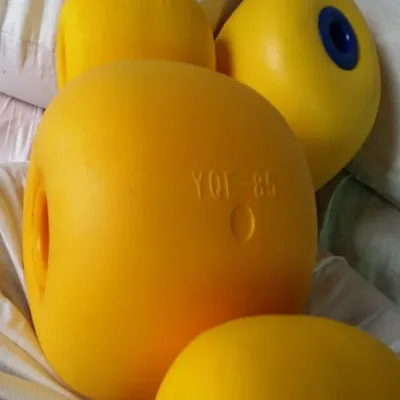
The market for vertical buoys and fishing nets presents a wide spectrum of product types, ranging from simple PVC floats to more complex EVA foam constructions. Observed listings indicate that PVC remains a dominant material due to its balance of cost, durability, and buoyancy, often appearing in models like the SH Y2 or pvc fishing float. These products are frequently described with specific dimensions, such as 24386mm or 48x96x10mm, which dictate their load-bearing capacity and visibility in water. Buyers should note that material variations, including the use of Eva Foam for models like EVA-60, offer alternative properties such as enhanced shock absorption or different density profiles, which may be preferable for specific net configurations.
In addition to the buoys themselves, the scope of procurement often extends to the netting components that attach to them. Listings reveal that nets are constructed from various materials, including PE, Nylon, and Polyester, with specific denier counts like 190d Twine. The knotting style, whether single or double, and the edge construction, such as double edges, are critical factors that influence the net's strength and longevity. Some products are marketed with specific drifting tail types, like cut tails, which affect how the buoy moves in currents. Buyers must carefully cross-reference the buoy specifications with the netting specifications to ensure that the combined system meets the operational requirements of commercial fishing, particularly when used in conjunction with fishing nets for large-scale operations.
Technical Specifications to Verify
Verifying technical specifications is the first line of defense against procurement errors, particularly regarding buoyancy and dimensional accuracy. Buyers must confirm the exact buoyancy rating, which can range significantly from small values like 7-790g to substantial capacities such as 6000G for larger models. The physical dimensions, including diameter and height, must be verified against the supplier’s datasheets, as variations like 24mm-110mm in diameter or 38mm-175mm in height directly impact the net’s vertical spread and stability. It is essential to ensure that the stated density, often described as high, corresponds to the material type, whether PVC or EVA, to prevent premature sinking or excessive drift.
The construction details of the associated netting require equal scrutiny, particularly the knot type and material composition. Whether the net utilizes single or double knots, and whether it is made from multifilament Nylon or Polyester, affects its tensile strength and resistance to abrasion. Buyers should verify the twine count, such as 190d, and the standard construction methods, like twisted or multifilament weaves, to ensure the net can withstand the tension exerted by the buoys and the weight of the catch. Additionally, the packing method, whether in plastic bags, woven bags, or bales, can influence the condition of the product upon arrival, so verifying packaging standards is a practical step in maintaining product quality.
Compliance and Safety Documentation
While specific safety certifications may not always be explicitly listed for every individual buoy model, buyers should prioritize suppliers who demonstrate adherence to broader quality management standards. The presence of ISO9001 certification in supplier profiles indicates a commitment to consistent manufacturing processes, which is a strong indicator of product reliability. Buyers should request documentation that verifies the material safety and environmental compliance of the PVC or EVA foam used, ensuring that the products do not leach harmful substances into marine environments. This is particularly important for commercial operations that are subject to increasing regulatory scrutiny regarding sustainable fishing practices.
Documentation should also cover the structural integrity of the netting materials. Buyers must ensure that the Polyester or Nylon nets meet relevant industry standards for tensile strength and knot security. Although specific test results may not be provided in initial listings, suppliers with established quality control systems should be able to provide material test reports or certificates of conformity upon request. Verifying that the products are produced in recognized manufacturing hubs, such as Weihai, can also provide some assurance of adherence to local industrial standards and export regulations, reducing the risk of receiving substandard goods.
Cost Drivers and Commercial Terms
The cost of vertical buoys and fishing nets is influenced by several key factors, including material type, dimensions, and customization requirements. PVC buoys are generally more cost-effective than EVA foam alternatives, but the latter may offer better performance in certain conditions, justifying a higher price point. Buyers should analyze the price range, which can vary from minimal costs for small floats to significant amounts for large, high-buoyancy units, to determine the value proposition of each option. The availability of samples allows buyers to test products before committing to large orders, which can help in making informed cost-benefit decisions.
Commercial terms, such as Minimum Order Quantity (MOQ) and packaging, play a significant role in the total cost of ownership. MOQs can range from small quantities for testing to large volumes for fleet-wide deployment, affecting inventory management and cash flow. Buyers should also consider the packaging costs and methods, as products packed in plastic bags or woven bags may require additional handling or storage considerations. Negotiating terms that include customized logos or specific packing configurations can add value but may also impact the unit price, so buyers should balance these requirements against their budget constraints.
Supplier Qualification and Quality Control
Qualifying suppliers involves assessing their production capabilities, quality control processes, and track record in the maritime supply chain. Buyers should look for suppliers who offer customization options, such as customized logos and specific model variations, as this indicates flexibility and a customer-centric approach. The availability of samples is a positive signal, allowing buyers to physically inspect the product quality, including the density, color, and finish of the buoys. Suppliers who provide detailed product models, such as Y-17A or HY-13, demonstrate a structured product line, which can simplify the sourcing process and ensure consistency across orders.
Quality control measures should be verified through direct communication with the supplier, focusing on their inspection protocols for both buoys and nets. Buyers should inquire about how defects are identified and rectified during production, particularly for issues like uneven buoyancy or weak knots in the netting. Suppliers who operate in established industrial regions, such as China, often have access to robust supply chains and quality assurance resources. Establishing clear quality expectations and communication channels before placing orders can help mitigate risks and ensure that the delivered products meet the specified standards for commercial fishing operations.
Long-Term Procurement Checks
Long-term procurement success depends on establishing a reliable supply chain that can adapt to changing operational needs and market conditions. Buyers should regularly review supplier performance, focusing on consistency in product quality, delivery times, and responsiveness to issues. Maintaining a relationship with suppliers who offer a wide range of models and materials allows for flexibility in sourcing, enabling buyers to switch between PVC and EVA options or different netting materials as needed. This adaptability is crucial for managing risks associated with supply chain disruptions or changes in fishing regulations.
Continuous monitoring of product performance in the field is essential for identifying any long-term durability issues or design flaws. Buyers should collect feedback from fishing crews regarding the buoyancy retention, material degradation, and net strength over time. This feedback loop can inform future purchasing decisions, allowing buyers to refine their specifications and select suppliers who consistently deliver high-quality products. By focusing on long-term partnerships and continuous improvement, buyers can ensure that their vertical buoy and fishing net systems remain effective, safe, and cost-efficient throughout their operational lifecycle.
FAQs
What materials are used for vertical buoy fishing nets?
Vertical buoy fishing nets are commonly constructed from PVC, EVA foam, or PE materials. PVC floats offer high density and durability for commercial use. EVA foam variants provide specific buoyancy ratings like 6000G. PE nets often feature twisted or multifilament twine. These materials ensure longevity and effective performance in sea and river environments.
Can I customize the logo on vertical buoy fishing nets?
Yes, customized logos are available for vertical buoy fishing nets. Buyers can request specific branding to be applied to the floats or netting. This customization supports commercial identity and brand recognition. The service is typically offered alongside other customization options like color selection. Contact suppliers directly to discuss logo placement and design requirements for your order.
What are the standard specifications for PVC fishing floats?
Standard PVC fishing float specifications include dimensions such as 24x38x6mm, 48x96x10mm, and 35x60x9mm. Models like SH Y2 and pvc fishing float are common designations. These sizes are optimized for use with fishing nets in commercial settings. The high-density PVC material ensures stable buoyancy. Specific model numbers help buyers select the correct size for their netting requirements.
How is the quality of vertical buoy fishing nets ensured?
Quality is ensured through ISO9001 certification and rigorous manufacturing standards. Products are described as having good quality and high density. Materials like polyester twine and nylon knots provide structural integrity. Double-edged nets and single or double knot types enhance durability. These factors contribute to reliable performance in commercial fishing operations across various water bodies.
What packaging options are available for vertical buoy fishing nets?
Packaging options include plastic bags, plastic woven bags, cartons, and bales. PVC floats are often packed in plastic bags or cartons. PE nets may be supplied in bales for bulk handling. Specific models like EVA-60 come in defined packaging to protect the foam. These methods ensure safe transport and storage. Buyers can choose packaging based on their logistical needs and order volume.
Where are vertical buoy fishing nets typically manufactured?
Vertical buoy fishing nets are typically manufactured in China, with specific origins in Weihai. This region is known for producing high-quality fishing gear. Products are exported globally for use in sea and river fishing. The location indicates a strong supply chain for materials like PVC and PE. Buyers can source directly from these manufacturing hubs for competitive pricing and reliable delivery.
What buoyancy ratings are available for EVA foam floats?
EVA foam floats offer buoyancy ratings ranging from 7g to 790g, with specific models like EVA-60 providing 6000G. Dimensions vary, such as 215x235x42mm for the EVA-60 model. These ratings allow for precise selection based on net weight and water conditions. High-density EVA foam ensures consistent performance. Buyers can match buoyancy to their specific commercial fishing requirements for optimal net operation.