Source Vertical Electric Animal Feed Crusher for Poultry, Livestock, and Farm Use
Find 30 Vertical Electric Animal Feed Crusher units from verified Chinese manufacturers. Compare specifications like capacity, voltage, and motor type to select the right equipment for crushing corn, beans, and other feed materials efficiently.
Key considerations
Products List
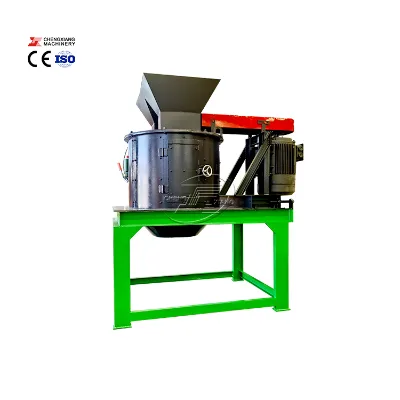

Customized Vertical Self-Priming Animal Feed Grinder and Grain Crusher
$420.00 - $2030.00
MOQ: 10 Pieces

Vertical Self-Suction Grain Crusher for Efficient Animal Feed Processing
$420.00 - $2030.00
MOQ: 10 Pieces

Vertical Self-Priming Mill Crusher for Reliable Animal Feed Production
$420.00 - $2030.00
MOQ: 10 Pieces

Customized Vertical Feed Crusher for Efficient Livestock Vegetable Chopper
$160.00 - $400.00
MOQ: 10 Pieces

Gold Series Self-Priming Grain Crusher Vertical Design Animal Feed Grinder
$420.00 - $2030.00
MOQ: 10 Pieces

Premium Self-Priming Corn Crusher Vertical Design Animal Feed Grinder
$420.00 - $2030.00
MOQ: 10 Pieces


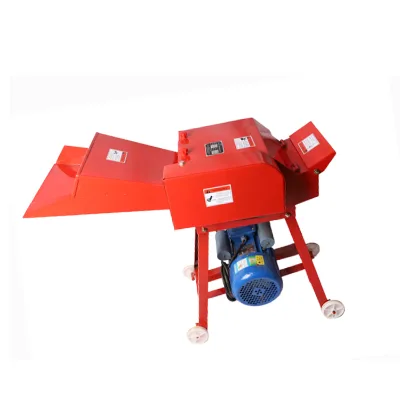


Powerful Crusher for Animal Bone Meal Processing
$2000.00 - $60000.00
MOQ: 1 Sets
Zhucheng Huafang Environmental Protection Equipment Co., Ltd.


Versatile Crusher in Carbon Steel 3t Batch 380V/220V Voltage
$1000.00 - $30000.00
MOQ: 1 Pieces
Zhucheng Huafang Environmental Protection Equipment Co., Ltd.

Crusher in Carbon Steel 3t Batch 380V/220V Voltage
$1000.00 - $30000.00
MOQ: 1 Pieces
Zhucheng Huafang Environmental Protection Equipment Co., Ltd.

High - Efficiency and Durable Vertical Feed Crushing and Mixing Machine
$988.00 - $1038.00
MOQ: 1 Pieces


3-5tons/H Animal Manure Crushing Machine New Type Vertical Crusher
$1600.00 - $1700.00
MOQ: 1 Pieces
Henan Tongda Heavy Industry Science And Technology Co., Ltd.


Comprehensive Sourcing Guide
Strategic Sourcing Guide for Vertical Electric Animal Feed Crushers
Understanding Vertical Electric Feed Crusher Technology
The Vertical Electric Animal Feed Crusher represents a specialized category of agricultural machinery designed to reduce the particle size of various feed ingredients, including grains, beans, and corn, prior to mixing or pelleting. The core operational principle involves a vertical configuration where material is fed into a crushing chamber, often utilizing a hammer mill mechanism or a specialized splitter design. In the context of modern feed production, these machines are frequently integrated into a "crushing-before-mixing" processing technic, ensuring uniform particle distribution before the material enters subsequent stages like bulking or pelleting.
The vertical design offers distinct advantages over horizontal counterparts, particularly regarding space utilization and gravity-assisted material flow. The machinery typically relies on high-efficiency motors, often specified as pure copper motors, to drive the crushing mechanism. This motor type is critical for maintaining consistent torque under variable load conditions, which is common when processing dense materials like corn or beans. The crushing action itself may involve a movable pulley system or a fixed die configuration, depending on the specific model. For instance, certain units are designed as "feed hammer mills" with screen meshes to control the final particle size, while others function as grain splitters with specific cutting heights and widths.
When evaluating the technical architecture, buyers must distinguish between different machine types within this vertical category. Some units are classified as single screw bulking machines, while others are flat die pelletizers or self-priming crushers. The distinction is vital because a machine designed for wet expansion or specific grinding equipment types may not be suitable for dry crushing applications. The vertical orientation often dictates the internal geometry, requiring precise alignment of the engine and motor components to prevent vibration and ensure longevity. The single package size for these units can be substantial, often reaching dimensions around 352x226x230 cm, indicating that the vertical footprint, while compact in width, requires significant height clearance and robust handling infrastructure during installation.
Technical Specifications and Performance Parameters
Selecting the correct Vertical Electric Animal Feed Crusher requires a meticulous review of technical specifications that directly impact throughput and energy efficiency. The voltage requirements for these machines vary significantly based on the regional power grid and the specific motor configuration. Common specifications include 220V and 380V options, with some models supporting a dual-rated voltage of 220V/380V to accommodate different industrial standards. The power consumption is intrinsically linked to the motor type; pure copper motors are preferred for their superior conductivity and thermal stability, which are essential for continuous operation in feed mills.
Capacity is another critical parameter that defines the machine's suitability for a specific production scale. Observed data indicates a production capacity range of 1 to 8 units per shift, with specific throughput rates often cited between 3 to 6 tons per hour (t/h). This range suggests that these machines are versatile, capable of serving small-scale operations as well as medium-sized commercial feed plants. However, the actual output is heavily dependent on the material being processed. For example, a machine rated for corn may yield different results when processing beans or other grains due to variations in hardness and moisture content.
The physical dimensions and weight of the equipment are paramount for logistics and installation planning. The single gross weight for these units can reach up to 3000 kg, with a net weight observation of 845 kg in specific configurations. The standard dimensions for the machinery often vary, with common profiles including 660x700x1580 mm, 1040x780x1640 mm, or 1200x1260x1600 mm. Some compact models may have dimensions as small as 390x380x670 mm, weighing approximately 40 kg. Buyers must verify the exact dimensions against their facility's floor space and ceiling height, as the vertical design necessitates adequate clearance for the material discharge and maintenance access.
The cutting and grinding capabilities are defined by specific metrics such as cutting height and width. Typical specifications include a cutting height range of 60-80 mm and a cutting width of 1800 mm for certain wide-format models. The screen mesh is a crucial component for controlling the fineness of the crushed feed. Machines equipped with screen meshes allow for adjustable particle sizes, which is essential for meeting the nutritional requirements of different animal species. The model numbers, such as 200, 300, 400, or 500, often correspond to the diameter of the crushing chamber or the motor power rating, serving as a quick reference for capacity and size.
Compliance, Certification, and Safety Standards
In the B2B procurement of industrial machinery, compliance with international and local safety standards is non-negotiable. For vertical electric animal feed crushers, the presence of recognized certifications serves as a primary indicator of quality and safety. The CE certification is a widely observed standard for machinery originating from China, indicating that the product meets EU safety, health, and environmental protection requirements. Buyers should verify that the certification documents are current and specific to the model being purchased, as certifications can vary between different product lines within the same manufacturer.
Beyond general certifications, the machinery test report is a critical document that provides empirical evidence of the machine's performance and safety. A provided machinery test report typically includes data on vibration levels, noise emissions, electrical safety, and operational stability. This document is essential for validating that the machine operates within safe parameters and does not pose a risk to operators or the facility. The test report should be reviewed by technical personnel to ensure that the observed test results align with the claimed specifications, such as the "High Efficiency Automatic" features or the "High Productivity" selling points.
Safety features are often integrated into the design to mitigate risks associated with high-speed rotating parts and electrical components. The vertical design, while space-efficient, requires robust guarding mechanisms to prevent accidental contact with the crushing chamber. The engine and motor components must be properly insulated and grounded to prevent electrical hazards. Additionally, the machine's warranty, typically offered for 1 year, often covers defects in materials and workmanship, but it is crucial to understand the specific terms regarding wear and tear on parts like the screen mesh and hammer blades.
When evaluating suppliers, buyers should request documentation proving compliance with relevant standards. While specific standards like ISO or GB may not be explicitly listed in all product descriptions, the presence of a CE mark and a valid machinery test report are strong indicators of adherence to safety protocols. Buyers must also consider the "New" status of the equipment, ensuring that the machinery is not a refurbished unit mislabeled as new, which could compromise safety and performance. The customization options available, such as color and specific dimensions, should not compromise the structural integrity or safety compliance of the final product.
Cost Drivers and Pricing Dynamics
The pricing of vertical electric animal feed crushers is influenced by a complex interplay of factors, including material composition, motor quality, customization level, and production capacity. The observed price range for these machines spans from approximately $73.74 to $60,000, reflecting the vast diversity in machine size, complexity, and intended application. Entry-level models, often smaller and with lower capacity, tend to fall at the lower end of this spectrum, while industrial-grade units with high productivity and advanced automation features command premium prices.
Material quality is a significant cost driver. Machines constructed with stainless steel or thickened steel, as indicated by model descriptions like "300/400/500 Stainless" or "400/500 Thickened steel," generally cost more than those made from standard carbon steel. The use of pure copper motors also adds to the cost, as copper is a more expensive and conductive material compared to aluminum alternatives. The "High Efficiency Automatic" features, which may include advanced control systems or automated feeding mechanisms, further increase the manufacturing cost and, consequently, the selling price.
Customization plays a pivotal role in pricing. Buyers seeking specific dimensions, colors, or specialized processing techniques like "Wet Expansion" or "Crushing-before-Mixing" will incur additional costs. The "Customized" attribute suggests that the manufacturer can tailor the machine to specific needs, but this flexibility comes at a price premium. The packaging method, such as "Wooden Box" or "Export of Wooden Crates," also contributes to the overall cost, as robust packaging is necessary to protect the heavy machinery during international shipping.
The minimum order quantity (MOQ) and production capacity of the supplier can also influence the final price. With an observed MOQ range of 1 to 50 units, buyers purchasing single items may face higher per-unit costs compared to those placing bulk orders. The production capacity of the supplier, ranging from 1 to 8 units, indicates the scale of their manufacturing operation. Suppliers with higher capacity may offer more competitive pricing due to economies of scale, but buyers must balance this with the supplier's ability to maintain quality control and meet delivery timelines.
Typical Applications and Operational Versatility
Vertical electric animal feed crushers are designed for a wide array of applications within the animal feed industry. The primary application is the processing of various grains and legumes, including corn, beans, and other feed ingredients. The "Application" attribute often lists specific materials like "Beans" or "Corn," indicating the machine's suitability for these inputs. The versatility of these machines allows them to handle different types of feed materials, making them ideal for feed mills that produce a variety of animal feeds.
The "Function" of these machines often extends beyond simple crushing. Some models are designed to "Broken Petals," a term that may refer to the gentle processing of delicate feed ingredients or the specific mechanical action of the crushing mechanism. The "Grinding Equipment Type" and "Pellet Mill Type" attributes suggest that these crushers can be integrated into larger production lines, serving as a precursor to pelleting or mixing processes. The "Processing Technics" of "Crushing-before-Mixing" highlights the machine's role in preparing feed ingredients for uniform distribution in the final product.
The "Bulking Machine Type" and "Expanding Method" attributes indicate that some vertical crushers are part of a broader system for feed expansion and bulking. This is particularly relevant for producing high-quality feed for livestock, where the texture and density of the feed are critical. The "Vertical" machine design is particularly suited for these applications, as it facilitates the flow of material through the system and allows for efficient integration with other equipment.
The "Selling Units" of "Single item" suggest that these machines can be purchased individually, allowing for flexible procurement strategies. However, the "High Productivity" and "High Efficiency Automatic" features make them particularly valuable for commercial operations where throughput and consistency are paramount. The ability to process materials like corn and beans with high efficiency ensures that the final feed product meets the nutritional requirements of various animal species.
Supplier Evaluation and Quality Assurance
Evaluating suppliers for vertical electric animal feed crushers requires a comprehensive approach that goes beyond price comparison. Buyers should assess the supplier's production capacity, which ranges from 1 to 8 units, to ensure they can meet demand without compromising quality. The "Place of Origin" is consistently listed as "Henan, China," a region known for its manufacturing capabilities, but buyers should verify the specific factory location and infrastructure to ensure it aligns with their quality expectations.
Quality assurance is paramount, and the "Machinery Test Report" is a key document to review. Buyers should request this report for the specific model they intend to purchase and verify that the test results confirm the machine's performance and safety. The "Warranty" of 1 year is a standard offering, but buyers should clarify the terms of coverage, including what constitutes a defect and the process for claims. The "New" status of the equipment should be confirmed through visual inspection and documentation to ensure the machine is not a refurbished unit.
The "Brand" and "Brand Name" attributes, such as "CHENGXIANG" or "Gold," can provide insights into the supplier's reputation. However, buyers should not rely solely on brand names and should conduct due diligence on the manufacturer's track record. The "Customization" availability is a positive indicator of a supplier's flexibility and ability to meet specific client needs, but it should be balanced with the supplier's ability to maintain consistent quality across customized orders.
The "Single Gross Weight" and "Single Package Size" are critical for logistics planning. Buyers should ensure that the supplier has experience in packaging and shipping heavy machinery, as the "Wooden Box" or "Export of Wooden Crates" packaging must be robust enough to protect the machine during transit. The "Production Capacity" of the supplier should be aligned with the buyer's timeline, as delays in production can impact the overall project schedule.
Long-Term Procurement and Maintenance Considerations
Long-term procurement of vertical electric animal feed crushers involves considering the total cost of ownership, including maintenance, spare parts availability, and operational efficiency. The "Core Components" such as the engine and motor are critical to the machine's longevity. Buyers should verify the availability of spare parts for these components, as downtime due to part failure can significantly impact production. The "Motor Type" being pure copper is a positive indicator of durability, but regular maintenance is still required to ensure optimal performance.
The "Screen Mesh" is a consumable part that will require periodic replacement. Buyers should inquire about the cost and availability of replacement screen meshes and ensure that the supplier offers a range of mesh sizes to accommodate different feed requirements. The "Cutting Height" and "Cutting Width" specifications should be considered in the context of maintenance, as adjustments may be necessary over time to maintain the desired particle size.
The "Warranty" period of 1 year provides a safety net for initial defects, but buyers should plan for long-term maintenance costs beyond this period. The "High Efficiency Automatic" features may reduce labor costs but could increase the complexity of maintenance. Buyers should ensure that their technical team is trained to handle these advanced features or that the supplier offers comprehensive training and support services.
The "Customization" options allow for long-term adaptability, but buyers should consider the implications of customization on future maintenance and spare parts. Customized machines may require specific parts that are not readily available off the shelf, potentially leading to longer lead times for repairs. Therefore, buyers should negotiate clear terms regarding spare parts availability and support services as part of the procurement agreement.
In conclusion, sourcing a Vertical Electric Animal Feed Crusher requires a careful balance of technical specifications, compliance, cost, and long-term operational considerations. By thoroughly evaluating the supplier's capabilities, verifying certifications, and understanding the specific needs of their feed production process, buyers can make informed decisions that ensure the reliability and efficiency of their operations.
FAQs
What is the typical capacity of a Vertical Electric Animal Feed Crusher?
The capacity typically ranges from 3 to 6 tons per hour for specific models. Some units offer a broader production capacity range of 1 to 8 units depending on the configuration and material processed.
Which certifications are available for these crushing machines?
CE certification is available for these machines to ensure safety compliance. Buyers should verify that the machinery test report is provided to confirm the equipment meets operational standards.
Can the machine voltage be customized for different power grids?
Yes, the machine supports dual-rated voltage options of 220V and 380V. This flexibility allows the equipment to operate in various regions without requiring external transformers for standard industrial setups.
What is the warranty period for the vertical feed crusher?
The standard warranty period provided is 1 year for the machinery. This coverage typically applies to defects in materials and workmanship for core components like the engine and motor.
How is the machine packaged for international shipping?
The machine is packed in a wooden box or export wooden crates for protection. This robust packaging method ensures the equipment remains secure during transit to various global destinations.
What materials can this crusher process effectively?
The crusher is designed to process materials such as corn and beans. It functions as a grain splitter or feed hammer mill suitable for various feed ingredients in the production line.
Is customization available for the machine dimensions and color?
Customization is available for both dimensions and color to meet specific customer demands. Buyers can request tailored specifications while maintaining the core functionality of the vertical design.