Source Vertical Single-Wall Tower Bioreactor for Lab, Pharma, Biofuel
Find and compare 30 vertical single-wall tower bioreactor options from verified suppliers. Evaluate specifications including capacity, agitation, and control systems to identify the right equipment for fermentation and reaction processes.
Key considerations
Products List


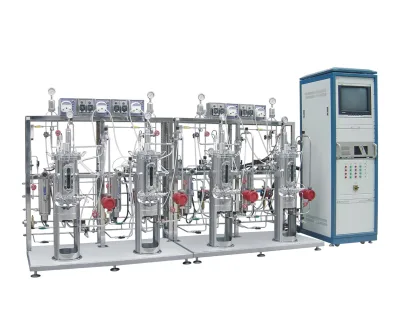
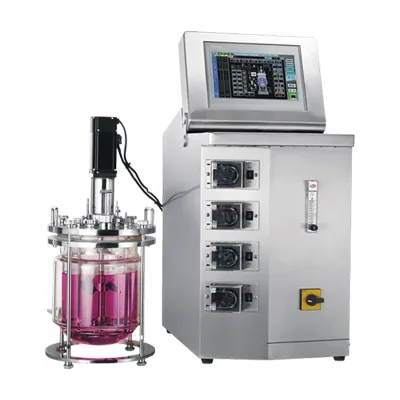
Lab Scale Bioreactor Bench Top Bioreactor Small Glass Bioreactor Fermenter
$9669.16 - $10686.96
MOQ: 1 Minimum
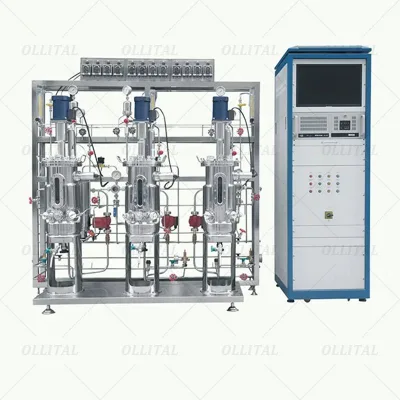
500L Bioreactor Bioreactor for Fermented Enzymes Fixed Bed Bioreactor
$8900.00 - $15200.00
MOQ: 1 Minimum
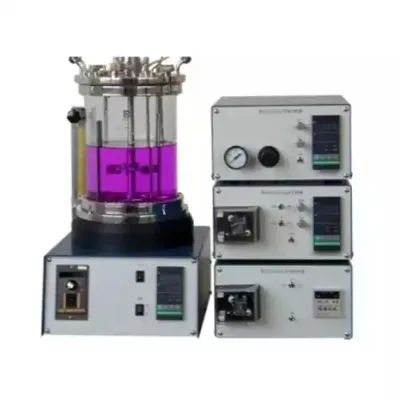
Bioreactor Tissue Culture Continuous Stirred Tank Bioreactor Bioreactor Equipment
$9669.16 - $10686.96
MOQ: 1 sets
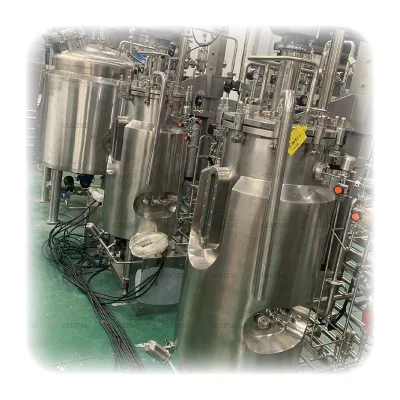
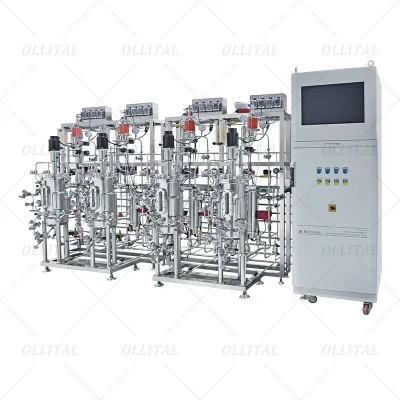


Ollital Stainless Steel Fermenter Bioreactor Microbial Culture Bioreactor
$8800.00 - $15200.00
MOQ: 1 Sets


Advanced Stainless Steel Bioreactor for Fermentation and Cell Culture
$25000.00 - $50000.00
MOQ: 1 Pieces


High-Performance Bioreactor for Optimal Tissue Culture and Fermentation
$25000.00 - $50000.00
MOQ: 1 Pieces
Comprehensive Sourcing Guide
Vertical Single-Wall Tower Bioreactor Sourcing Guide
Vertical single-wall tower bioreactors represent a specialized class of fermentation equipment designed for processes requiring precise control over environmental parameters within a compact footprint. These units are frequently utilized in liquid dosage form production, where the vertical configuration facilitates efficient gas-liquid mass transfer and uniform mixing. The observed market data indicates a strong presence of computerized systems capable of intelligent PID control, allowing operators to maintain agitation speeds between 1 and 25 rpm with high stability. This level of automation is critical for maintaining the delicate balance required in fermentation and reaction processes, ensuring consistent product quality across batches.
When evaluating these systems, buyers must distinguish between standard atmospheric pressure models and those designed for more complex operational needs. The available inventory includes units with varying capacities, ranging from small-scale 10-liter prototypes to large-scale 2000-liter production vessels. The structural design often features a jacketed heat transfer system, which may include internal coils for precise temperature regulation. Understanding the specific configuration of the agitator, such as ribbon agitators or magnetic and mechanical drives, is essential for matching the equipment to the viscosity and mixing requirements of the intended biological or chemical process.
Product Scope and Observed Listing Signals
The current market listings for vertical single-wall tower bioreactors reveal a diverse range of specifications tailored to different production scales. Buyers will encounter models identified by codes such as SKC-600 and CRT-10/15/20 series, which denote specific capacity tiers from 10 liters up to 1000 liters. The observed price range is substantial, spanning from approximately $2,000 to nearly $480,000, reflecting the variance in material quality, automation levels, and total vessel capacity. This wide spectrum necessitates a clear definition of process requirements before engaging with suppliers, as the cost implications of upgrading from a basic 10-liter unit to a 500-liter automated system are significant.
A critical signal in product listings is the availability of customization options, which allows manufacturers to adapt the bioreactor to specific facility constraints or process flows. Many units are offered as new, computerized systems with a standard voltage of 220V, though some listings indicate compatibility with 220/240/380 Volt systems to accommodate different regional power standards. The feeding volume capabilities are typically observed between 15% and 50%, a parameter that directly impacts the efficiency of the fermentation cycle. Additionally, the tilt angle of the vessel is often adjustable between 1 and 10 degrees, a feature that can be vital for specific drainage or sampling procedures in vertical tower configurations.
Technical Specifications to Verify
Verification of the control system architecture is the first technical priority for any procurement decision. The most advanced units observed feature comprehensive control systems managing temperature, RPM, pH, dissolved oxygen (DO), antifoam, feed, aeration, and pressure. These systems rely on core components such as PLCs and pumps to execute complex fermentation and reaction protocols. Buyers should confirm that the intelligent PID control for speed is integrated with these broader monitoring loops, as the ability to adjust agitation from 1 to 25 rpm in response to real-time sensor data is a key differentiator between basic and high-performance bioreactors.
Material composition and heat transfer structures must be scrutinized to ensure compatibility with the specific chemicals and biological agents used in the process. The supplied data highlights the use of stainless steel grades 304 and 316L, alongside borosilicate glass for specific viewing or sampling ports. The heating mechanism is typically an outside jacket with internal coils, providing a robust method for temperature maintenance. It is essential to verify the exact material grade for the vessel body and agitator, as 316L offers superior corrosion resistance for aggressive media compared to 304. Furthermore, the ventilation rate of 1vvm (volume of air per volume of liquid per minute) should be confirmed against the specific oxygen demand of the culture being cultivated.
Compliance and Safety Documentation
Certification status serves as a primary indicator of regulatory compliance and manufacturing quality. The observed listings frequently cite CE and ISO certifications, which are standard requirements for equipment entering international markets. These certifications imply that the bioreactor meets specific safety, health, and environmental protection standards. However, buyers must request the actual certification documents to verify that the specific model and batch being purchased are covered, as certifications can sometimes apply to a product line rather than individual units. The presence of a machinery test report provided by the supplier is another critical document that validates the performance of the equipment prior to shipment.
Safety documentation must also address the operational parameters and pressure limits of the vessel. Most observed units are designed for atmospheric pressure operation, which simplifies safety protocols but requires verification that the system can handle potential pressure spikes during aeration or fermentation. The warranty period of one year is a standard commercial term that should be clearly defined in the contract, covering defects in materials and workmanship. Buyers should ensure that the documentation includes detailed operating manuals that cover the specific voltage requirements, such as 220V or 380V, and the proper handling of the wooden case packaging to prevent damage during transit.
Cost Drivers and Commercial Terms
The total cost of ownership for a vertical single-wall tower bioreactor is driven primarily by capacity, material grade, and the complexity of the automation system. Units with capacities ranging from 10 to 50 liters are generally more affordable, while those scaling up to 2000 liters involve significantly higher costs due to the increased volume of stainless steel and the complexity of the control systems. The power consumption, which can range from 0.75KW to 75KW depending on the motor size and agitation requirements, also influences the long-term operational expenses. Buyers should calculate the energy costs associated with the specific power rating of the selected model to understand the full financial impact.
Commercial terms regarding packaging and shipping are equally important for budgeting and logistics planning. The standard packaging for these units is a wooden case, which provides robust protection but adds to the shipping weight and volume. The selling units are typically listed as single items, meaning that bulk discounts may not apply in the same way as for smaller components. The minimum order quantity (MOQ) observed is consistently 1, offering flexibility for small-scale research or pilot projects. However, buyers should negotiate lead times and delivery terms, as the origin of the equipment, often listed as Fujian, China, will impact shipping duration and import duties.
Supplier Qualification and Quality Control
Supplier qualification should focus on the ability to provide a machinery test report and evidence of core component sourcing. The presence of a PLC and pump as core components suggests a reliance on third-party suppliers for critical automation parts; therefore, buyers should verify the brands and quality standards of these components. A supplier that provides a detailed machinery test report demonstrates a commitment to quality control and ensures that the bioreactor functions as specified before leaving the factory. This documentation is crucial for validating that the intelligent PID control and agitation systems perform within the expected parameters of 1-25 rpm.
Quality control processes must also extend to the manufacturing standards and the condition of the equipment upon delivery. The observed listings specify that the products are new, but buyers should insist on a pre-shipment inspection to confirm the condition of the stainless steel surfaces and the integrity of the jacketed heat transfer structure. The standard export packaging details should be reviewed to ensure that the wooden case is sufficient to protect the unit during international transit. Additionally, verifying the supplier's location and their experience with the specific model numbers, such as the CRT-10/15/20 series, can provide insight into their production capabilities and after-sales support infrastructure.
Long-Term Procurement Checks
Long-term procurement success depends on the availability of spare parts and the clarity of the warranty terms. The one-year warranty is a baseline expectation, but buyers should investigate the supplier's policy for extending coverage or providing maintenance contracts. Given the complexity of the control systems involving temperature, pH, and DO sensors, the availability of replacement sensors and PLC modules is critical for minimizing downtime. The supplier should be able to demonstrate a supply chain for these core components to ensure that the bioreactor remains operational for years beyond the initial warranty period.
Operational efficiency and ease of use are key factors for long-term viability. The key selling point of "Easy To Operate" suggests that the interface and control logic are designed for user-friendliness, but this should be validated through a trial run or detailed demonstration. Buyers should also consider the scalability of the system; if the process requires increasing capacity from 50 liters to 100 liters, the supplier should be able to provide a seamless upgrade path. Finally, verifying the place of origin and the specific production standards, such as the 10L~50L or 50L-2000L standards, ensures that the equipment is built to a consistent quality level that can be replicated if additional units are needed in the future.
FAQs
What customization options are available for this bioreactor?
Customization is available for this vertical single-wall tower bioreactor to meet specific production needs. The system supports various capacities ranging from 10L to 2000L and allows for tailored agitator models like ribbon agitators to suit different process requirements.
Which certifications does the bioreactor system hold?
The bioreactor holds CE and ISO certifications, ensuring compliance with international safety and quality standards. These certifications apply to the new condition units supplied, which are constructed from stainless steel 316L and 304 for durability and hygiene.
How is the temperature and pressure controlled in the unit?
The control system manages temperature, RPM, pH, DO, antifoam, feed, aeration, and pressure automatically. The unit operates at atmospheric pressure and features a jacketed heat transfer structure with outside or inside coil heating for precise process regulation.
What is the voltage requirement for the bioreactor operation?
The bioreactor operates on 220V, 240V, or 380V at 50/60 Hz frequencies. This flexible voltage requirement ensures compatibility with various industrial power supplies while maintaining the intelligent PID speed control between 1 and 25 rpm.
Can the bioreactor handle multiple feeding processes simultaneously?
Yes, the system supports level, weigh feed, multi-feeds, methanol, ethanol, and exhaust O2 monitoring. This capability allows for complex fermentation and reaction processes with precise control over feeding volumes ranging from 15% to 50%.
What is the warranty period for the equipment?
The equipment comes with a 1-year warranty covering the machinery and core components like the PLC and pump. This warranty applies to the new condition units which are packaged in wooden cases for safe export delivery.
Which materials are used in the construction of the reactor?
The reactor is constructed from borosilicate glass and stainless steel grades 316L and 304. These materials ensure chemical resistance and structural integrity for fermentation extraction processes operating at atmospheric pressure with a tilt angle of 1 to 10 degrees.