Find Vertical Shaft Walking Tractor with Rotary Tiller for Farm, Garden, and Orchard
Source 30 Vertical Shaft Walking Tractor with Rotary Tiller units from verified Chinese manufacturers. Buyers can compare diesel-powered models with gear drives, hand or electric start options, and CE certifications for soil preparation tasks.
Key considerations
Products List


18HP Walking Tractor with Plough and Rotary Tiller Garden Walking Tractor
$850.00 - $950.00
MOQ: 10 Sets


$1200.00 - $1300.00
MOQ: 1 Pieces
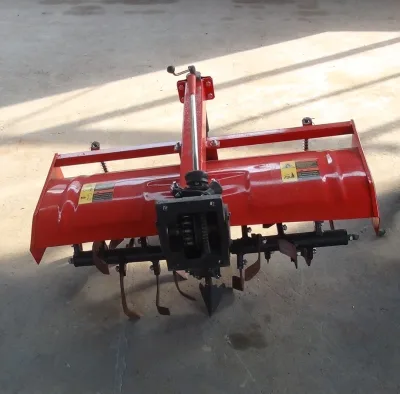


High Performance Agricultural Machinery Tiller Cultivator Walking Tractor 18HP
$550.00 - $750.00
MOQ: 1 Pieces


Farm Machinery Tractor Rotary Tiller
$470.00 - $1285.00
MOQ: 1 Pieces
Shandong Liying Agricultural Technology Development Co., Ltd.


Comprehensive Sourcing Guide
Sourcing Guide for Vertical Shaft Walking Tractors with Rotary Tillers
Understanding the Technical Landscape of Walking Tractors
When sourcing a vertical shaft walking tractor equipped with a rotary tiller, buyers must first distinguish between the two primary mechanical configurations observed in the market: horizontal axis and vertical axis systems. While the core keyword specifies a vertical shaft, the supplied product data reveals a significant presence of horizontal axis configurations, such as the "LS-WALKING TRACTOR" and various "GR" series models. This distinction is critical because the arbor configuration dictates the tillage depth, soil turnover quality, and the specific type of attachments the machine can support. The horizontal axis design, often found in models like the GR81W-1 and GR181W, typically offers a robust gear drive system suitable for heavy-duty soil preparation. In contrast, vertical shaft designs are often optimized for specific tillage patterns and may utilize different drive mechanisms.
The power source for these machines is predominantly diesel, a standard that ensures high torque output necessary for breaking compacted soil. The observed models, including the SH101 and DF-15L, operate with a power range of 8-18HP, which is a crucial specification for matching the machine to the scale of the farm. Buyers should verify the exact horsepower rating against their specific soil conditions, as underpowered units may struggle with continuous running operations in heavy clay, while overpowered units may waste fuel and increase operational costs. The drive type is consistently noted as a gear drive, which provides reliable power transmission from the engine to the tiller blades. This mechanical simplicity is a key advantage for maintenance in remote agricultural areas where complex hydraulic systems might fail.
Furthermore, the traction type is listed as "Traction," indicating that these are self-propelled units where the operator walks behind the machine. This design requires the operator to have a certain level of physical stamina, making the weight of the unit a vital consideration. The observed weight for specific models is around 60kg, which is manageable for most operators but requires careful handling during transport. The starting mechanism varies between hand start and electric start, offering flexibility based on the user's preference and the local climate conditions. In colder regions, an electric start might be preferred to ensure reliable ignition, whereas hand start mechanisms are often favored for their simplicity and lower cost in warmer climates.
Compliance and Certification Verification Protocols
Navigating the regulatory landscape for agricultural machinery requires rigorous verification of certifications, as the market is populated with products claiming various standards. The supplied data indicates that many walking tractors carry CE, EU, and ECE certifications. These marks are essential for buyers targeting the European market, as they signify compliance with safety, health, and environmental protection requirements. However, the presence of "CE,EU,ECE" in some listings alongside "ISO,CE" in others suggests that certification status can vary between manufacturers and specific models. Buyers must not assume that a single listing satisfies all regulatory requirements; instead, they should request the specific test reports and certificates for the exact model number they intend to purchase.
The standard "1.2CBM" and "2680 x 960 x 1250mm" listed in the product data likely refer to packaging dimensions or standard container specifications rather than the machine's operational standards. Buyers should be cautious when interpreting these figures as performance metrics. Instead, they should focus on verifying the machinery test reports, which are explicitly mentioned as "Provided" for some models. These reports are critical for validating the machine's performance claims, such as fuel efficiency, tillage depth, and safety features. The absence of a specific machinery test report in a supplier's listing should be treated as a red flag, indicating a potential lack of quality assurance.
Additionally, the origin of the product is a significant factor in compliance. The data shows origins ranging from "Made in China" to specific regions like "Yancheng Jiangsu China" and "Shandong, China." While these locations are hubs for agricultural machinery manufacturing, buyers should verify if the specific factory holds ISO 9001 certification, a standard mentioned in the background context. Although ISO 9001 is not a product certification, it indicates a manufacturer's commitment to quality management systems. Buyers should request proof of this certification to ensure that the production process is consistent and that the machines meet international quality benchmarks. It is also important to note that the "prod_standard" field contains mixed data, including dimensions and horsepower, which suggests that buyers must clarify what specific standard a supplier is referring to before finalizing a purchase.
Cost Drivers and Pricing Structure Analysis
The pricing for vertical shaft walking tractors with rotary tillers is influenced by several key factors, including the power source, the complexity of the gear drive system, and the level of customization available. The observed price range of 110 to 5000 USD reflects the vast diversity in the market, from basic, small-sized units to more advanced, feature-rich models. The lower end of the spectrum likely corresponds to entry-level models with basic hand-start mechanisms and minimal customization options. In contrast, the higher price points are associated with machines featuring electric start, advanced gear drives, and comprehensive certification packages.
The Minimum Order Quantity (MOQ) is another critical cost driver, with observed ranges between 1 and 20 units. For small-scale farmers or individual buyers, an MOQ of 1 is highly favorable, allowing for the acquisition of a single unit without the financial burden of bulk purchasing. However, for larger agricultural enterprises or distributors, negotiating a lower unit price based on an MOQ of 20 or more can significantly reduce the overall cost per unit. Buyers should be aware that the "Customization: Available" attribute allows for tailored solutions, which may incur additional costs. Customization can include specific color options, such as the observed "Red" and "Blue" variants, or modifications to the packing requirements, such as the "Wooden Package" versus "Export Package."
The packaging standard also impacts the total cost. The "1.2CBM" standard and the specific dimensions provided suggest that shipping costs will vary based on the volume and weight of the machine. Buyers should calculate the total landed cost, including freight, insurance, and customs duties, rather than focusing solely on the ex-works price. The "High Efficiency" and "High Productivity" selling points mentioned in the data suggest that more expensive models may offer better long-term value through reduced fuel consumption and increased tillage speed. Therefore, buyers should evaluate the total cost of ownership, considering factors like maintenance, warranty coverage, and the availability of spare parts, rather than just the initial purchase price.
Typical Applications and Operational Scenarios
The primary application field for these machines is agriculture, with a specific focus on farm cultivation and soil preparation. The "Farming Policy: Dry Cultivating Machinery" attribute indicates that these tractors are designed for dry land farming, where soil moisture levels are lower, and the machine must be robust enough to handle harder soil conditions. The "Type: Rotary Tiller" and "Type: Farm Cultivator" classifications highlight the dual functionality of these machines, allowing them to perform both tilling and cultivating tasks. This versatility makes them ideal for small to medium-sized farms that require a single machine for multiple operations.
The "Usage: Farm Tractor" and "Usage: Lawn Tractor, Garden Tractor, Farm Tractor" attributes suggest that these machines are also suitable for smaller plots, such as gardens and orchards. The "Small" size specification reinforces this, making them accessible for farmers with limited land area or those who need a maneuverable machine for tight spaces. The "Continuous Running Operation" capability is a key feature for commercial farmers who need to maximize productivity during short planting windows. The "Key Selling Points: High Productivity" and "Advantage: High Efficiency" further emphasize the machine's ability to complete tasks quickly and effectively.
However, buyers should be mindful of the traction type and the operator's physical requirements. Since these are walking tractors, the operator must walk behind the machine, which can be physically demanding over long periods. This limitation makes them less suitable for very large, open fields where a ride-on tractor would be more efficient. Instead, they are best suited for terraced fields, hilly terrain, or small plots where a larger tractor cannot easily operate. The "Drive Wheel: 2WD" configuration also suggests that these machines may struggle in extremely muddy or slippery conditions, so buyers should assess the specific terrain of their farm before making a purchase.
Supplier Evaluation and Quality Control Standards
Evaluating suppliers for vertical shaft walking tractors requires a multi-faceted approach, focusing on the supplier's ability to provide consistent quality, reliable certifications, and comprehensive after-sales support. The "Core Components: Gear, Bearing" attribute highlights the importance of the internal mechanical parts. Buyers should request detailed specifications for these components, including the brand and material quality, as these directly impact the machine's durability and lifespan. The "Warranty: 1 Year" is a standard offering, but buyers should verify the terms of the warranty, including what is covered and the process for claiming repairs or replacements.
The "Machinery Test Report: Provided" is a critical document that buyers should review before placing an order. This report should include data on the machine's performance under various conditions, such as fuel consumption, tillage depth, and safety tests. Buyers should also check the "Condition: New" status to ensure that the machine is not a refurbished unit sold as new. The "Brand Name: RT" observed in the data suggests that there are established brands in the market, but buyers should not rely solely on brand reputation. Instead, they should conduct due diligence on the specific factory, checking for ISO 9001 certification and other quality management standards.
Quality control should be an ongoing process, not just a pre-purchase check. Buyers should establish clear communication channels with the supplier to monitor production progress and request pre-shipment inspections. The "Place of Origin: Shandong, China" and "Yancheng Jiangsu China" indicate that there are specific manufacturing hubs known for agricultural machinery. Buyers should verify if the supplier is located in one of these reputable regions, as this can be an indicator of the supplier's expertise and access to high-quality components. Additionally, the "Product Packing: Wooden Package" and "Export Package" options should be evaluated to ensure that the machine will arrive in good condition, protected from damage during transit.
Long-Term Procurement and Maintenance Considerations
Long-term procurement of walking tractors involves more than just the initial purchase; it requires a strategic approach to maintenance, spare parts availability, and operational efficiency. The "Type: Walking Tractor" and "Machine Type: Tiller" classifications suggest that these machines are designed for heavy use, making regular maintenance essential. Buyers should inquire about the availability of spare parts, particularly for the core components like gears and bearings. The "Customization: Available" attribute can be leveraged to order specific spare parts or accessories at the time of purchase, reducing the risk of downtime in the future.
The "Operation: Soil Preparation Machinery, Continuous Running Operation" attribute indicates that these machines are built for durability, but they still require regular servicing. Buyers should establish a maintenance schedule that includes oil changes, blade sharpening, and gear inspections. The "Warranty: 1 Year" provides a safety net for the first year of operation, but buyers should plan for long-term maintenance costs beyond the warranty period. The "High Efficiency" and "High Productivity" selling points suggest that well-maintained machines will continue to perform at a high level, reducing the need for frequent replacements.
Finally, buyers should consider the environmental impact and fuel efficiency of the machine. The "Power Source: Diesel" attribute indicates that these machines will consume fuel, and buyers should look for models that offer the best balance between power and fuel consumption. The "Standard: 8-18HP" range allows for a variety of options, and buyers should select a model that matches their specific needs to avoid unnecessary fuel costs. By focusing on these long-term considerations, buyers can ensure that their investment in a vertical shaft walking tractor with a rotary tiller provides value and reliability for years to come.
FAQs
What certifications do vertical shaft walking tractors with rotary tiller have?
Many models carry CE, EU, and ECE certifications for safety and compliance. Some listings also include ISO and CE marks, but buyers must verify specific certificates for the exact model before purchase.
How is the power source configured for these walking tractors?
The power source is predominantly diesel to ensure high torque for soil preparation. Units typically range from 8 to 18 horsepower, suitable for continuous running operations in various agricultural conditions.
Which drive type is standard for these agricultural machines?
A gear drive is the standard configuration for reliable power transmission. This mechanical design is preferred for its simplicity and durability in remote areas where complex hydraulic systems might fail.
Can buyers request customization for the walking tractor color?
Yes, customization is available for specific features like color options. Observed variants include red and blue finishes, allowing buyers to tailor the machine to their preference or branding needs.
What is the typical warranty period for these tillers?
The standard warranty period offered is one year for the machinery. Buyers should verify the specific terms of coverage and the process for claiming repairs or replacements with the supplier.
How heavy are the typical vertical shaft walking tractors?
The observed weight for specific models is around 60 kilograms. This manageable weight requires careful handling during transport but allows operators to walk behind the machine effectively.