Source Vertical Single Suction Sump Pump for Mining, Irrigation, and Circulation
Find 30 Vertical Single Suction Sump Pump options with varying head, capacity, and impeller types. Compare specifications from suppliers in Shijiazhuang, China, including models like ZJL and 65QV-SPR for diverse industrial applications; compare the available evidence and request quotations based on your requirements.
Key considerations
Products List




Comprehensive Sourcing Guide
Vertical Single Suction Sump Pump Sourcing Guide
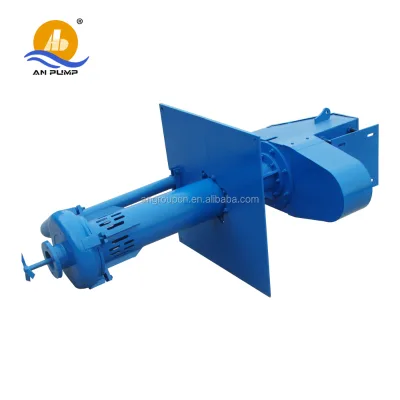
Procuring vertical single suction sump pumps requires a strategic approach to align mechanical design with specific fluid handling demands. These pumps are engineered for deep sump installations, utilizing a vertical shaft configuration that allows the impeller to remain submerged while the motor sits above the liquid level. This design minimizes the risk of cavitation and ensures efficient operation in applications involving slurry, condensate, or circulating fluids. Buyers must evaluate the mounting height and shaft position to ensure compatibility with existing pit dimensions and structural constraints.
The market offers a diverse range of configurations, including open, closed, and semi-open impellers, each suited to different particle sizes and viscosity levels. High-chrome alloy and rubber materials are commonly specified for wet parts to resist abrasion and corrosion, particularly in mining or industrial wastewater contexts. Understanding the distinction between single-stage and multi-stage designs is critical, as it directly impacts the maximum head and flow capacity. Buyers should verify whether the pump is designed for high-pressure or middle-pressure applications to match system requirements accurately.
Product Scope and Observed Listing Signals
Current market listings indicate a broad spectrum of vertical pump models, with observed price ranges extending from approximately $100 to $30,000 USD. This variance reflects differences in material quality, motor power, and customization options. Minimum order quantities are typically low, ranging from one to three units, which facilitates prototyping and small-scale industrial deployments. The presence of OEM acceptance suggests that manufacturers are willing to tailor designs for specific brand or operational needs, providing flexibility for specialized procurement projects.
Observed specifications highlight key performance metrics, such as maximum heads between 50-80 meters and 80-110 meters, alongside capacities ranging from 200-400 liters per minute. Suction diameters vary from 40mm to 250mm, allowing for adaptation to various pipe sizes. Models like ZJL, 65QV-SPR, and 100RV-SP represent common designations, though buyers should verify exact model numbers against their technical datasheets. The availability of blue, yellow, green, or custom colors indicates aesthetic flexibility, though functional integrity remains the primary procurement driver.
Technical Specifications to Verify
Verifying the pump casing type is essential, as options include vertical joint surface, horizontal split, and split casing designs. Each configuration offers distinct maintenance advantages; for instance, horizontal split casings allow for easier access to internal components without disturbing the piping. The position of the pump shaft, whether vertical or horizontal, must align with the installation footprint. Buyers should also confirm the theory of operation, which is typically centrifugal, ensuring that the hydraulic performance matches the expected flow dynamics and pressure requirements of the system.
Seal types are another critical technical consideration, with options ranging from packing seals and expeller seals to mechanical seals. Some configurations may operate without a traditional seal, relying on alternative containment methods. The choice of seal impacts maintenance frequency and leakage risks, particularly in hazardous or environmentally sensitive applications. Additionally, the impeller number, often single-stage, influences the pressure generation capability. Buyers must ensure that the wet parts, whether metal or rubber, are compatible with the chemical properties of the fluid being pumped to prevent premature degradation.
Compliance and Safety Documentation
Certification verification is a foundational step in the procurement process, with CE, ISO, and SGS marks frequently observed in product listings. These certifications indicate adherence to international quality and safety standards, providing assurance regarding manufacturing consistency and operational safety. Buyers should request valid certificates for each batch or model, ensuring that the documentation is current and issued by recognized bodies. Compliance with these standards is often a prerequisite for bidding on government or large-scale industrial projects.
Standardization also extends to the materials used in construction, such as high-chrome alloy or rubber components, which must meet specific durability and chemical resistance criteria. While specific numerical standards may vary by region, the presence of CE marking generally implies conformity with European health, safety, and environmental protection standards. Buyers should verify that the supplier provides material test reports for critical wet parts, ensuring that the alloy composition or rubber formulation meets the specified requirements for abrasion and corrosion resistance.
Cost Drivers and Commercial Terms
Several factors influence the final cost of vertical single suction sump pumps, including material selection, motor power, and customization complexity. High-chrome alloy components and specialized rubber linings typically command higher prices due to their superior durability and resistance to harsh environments. Customization options, such as specific mounting heights or unique color schemes, may also add to the base cost. Buyers should request detailed breakdowns of pricing to understand the value proposition of each component and avoid hidden fees associated with non-standard configurations.
Commercial terms often include flexible packing options, such as wooden boxes, cases, or crates, tailored to customer requests. This flexibility helps protect the equipment during transit, reducing the risk of damage. Export markets are global, indicating that suppliers are experienced in international logistics and documentation. Buyers should clarify incoterms, shipping responsibilities, and warranty periods to ensure a smooth transaction. Understanding the total cost of ownership, including maintenance and spare parts availability, is crucial for long-term budgeting.
Supplier Qualification and Quality Control
Supplier qualification involves assessing the manufacturer’s production capabilities, quality control processes, and after-sales support. Given that products originate from regions like Shijiazhuang, China, buyers should verify the supplier’s track record in exporting similar equipment. Requesting references from previous clients in comparable industries can provide insights into the reliability and performance of the pumps. Suppliers who accept OEM requests often have robust engineering teams capable of adapting designs to meet specific operational needs.
Quality control measures should include factory acceptance tests and pre-shipment inspections to verify performance against specifications. Buyers should inquire about the testing protocols for head, capacity, and seal integrity to ensure that each unit meets the agreed-upon standards. Establishing a clear communication channel for technical support and troubleshooting is essential, especially for complex installations. Suppliers with a global export presence are likely to have established procedures for handling international inquiries and resolving post-sale issues efficiently.
Long-Term Procurement Checks
Long-term procurement success depends on the availability of spare parts and the ease of maintenance. Buyers should confirm the lead times for critical components such as impellers, seals, and shafts to minimize downtime during repairs. Suppliers that offer comprehensive maintenance guides and technical training can significantly enhance the operational lifespan of the pumps. Regular inspection of wet parts for wear and tear is recommended, particularly in abrasive service applications, to prevent catastrophic failures.
Monitoring the performance of the pumps over time helps identify potential issues early, allowing for proactive maintenance. Buyers should establish a routine for checking seal conditions, bearing temperatures, and vibration levels to ensure optimal operation. Keeping detailed records of maintenance activities and part replacements aids in predicting future needs and optimizing inventory levels. Engaging with suppliers for periodic performance reviews can also provide opportunities for upgrades or modifications to improve efficiency and reliability.
FAQs
What certifications do these vertical single suction sump pumps have?
These pumps hold CE, ISO, and SGS certifications. This ensures compliance with international safety and quality standards for industrial applications. Buyers can verify these credentials to meet regulatory requirements in their specific regions. The documentation supports global export markets and provides assurance of manufacturing quality and operational reliability for heavy-duty slurry handling tasks.
Can I request custom colors for the pump casing?
Yes, customization is available for the pump casing color. Options include blue, yellow, green, or any specific color per your request. This allows for better identification in complex industrial environments. Customization supports branding or safety coding needs. The factory accepts OEM requests to tailor the exterior appearance while maintaining the internal high chrome alloy or rubber standards for wet parts.
What is the maximum head capacity for these pumps?
The maximum head capacity ranges from 50 to 110 meters depending on the specific model. Some variants offer 50-80m head, while others provide 80-110m head. This range suits various vertical sump applications. The design supports high-pressure and middle-pressure working conditions. Buyers should select the model that matches their specific hydraulic requirements for efficient slurry or condensate pumping operations.
Which seal types are available for vertical single suction sump pumps?
Available seal types include packing seal, expeller seal, and mechanical seal. These options allow selection based on leakage tolerance and maintenance preferences. Some models may operate with no seal depending on the design. The choice impacts operational efficiency and environmental compliance. Buyers can specify the preferred sealing method to ensure compatibility with their existing infrastructure and process requirements.
What materials are used for the wet parts of the pump?
Wet parts are constructed from high chrome alloy or rubber materials. These materials provide resistance against abrasion and corrosion in slurry applications. Metal pump parts and rubber pump parts are available options. The selection depends on the specific chemical and physical properties of the fluid being pumped. This ensures durability and extended service life in demanding industrial environments.
How is the pump packed for international shipping?
Pumps are packed in wooden boxes, wooden cases, or wooden crates. Packaging can be customized as per customer requests to ensure safe transit. This robust packaging protects the vertical pump components from damage during global export. The method supports various shipping logistics and handling requirements. Buyers can specify packaging preferences to align with their supply chain standards and destination port regulations.