Source Vintage 3 Piece Handbag and Coaster Set for business, daily, and shopping
Compare 30 listings for the Vintage 3 Piece Handbag and Coaster Set featuring PU leather, polyester lining, and customizable options. Buyers can evaluate specifications like bag size, closure types, and MOQs from manufacturers in China for business, daily, and shopping needs.
Key considerations
Products List


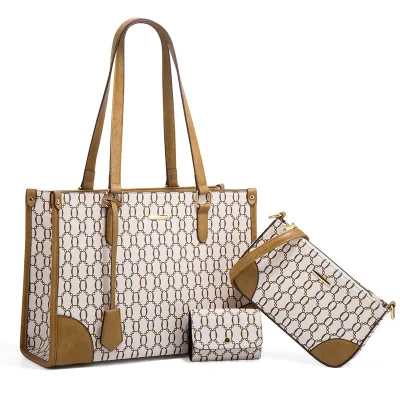
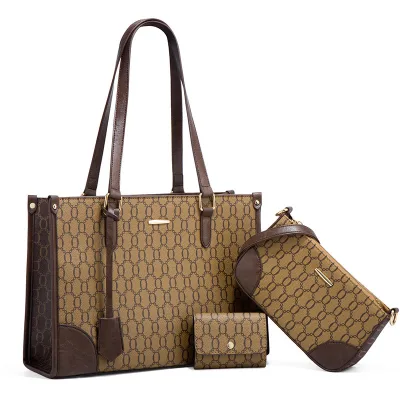


Multi-Function PU Lady Bag Women's Handbag Four Pieces Bag Set 3in1 Tote Bag Set
$12.00 - $15.50
MOQ: 10 Pieces


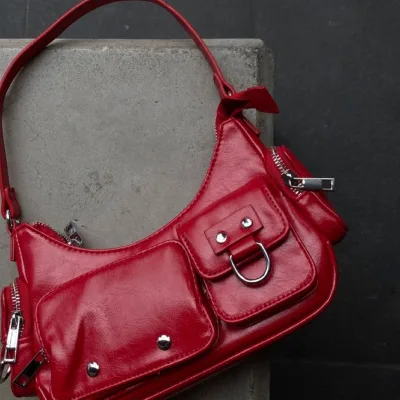
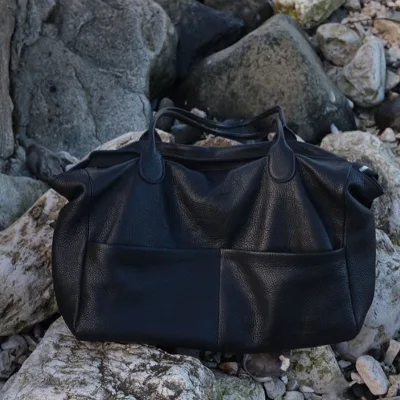


Customized European-Style Country-Style Handbag and Suitcase Three-Piece Set
$4.26 - $4.88
MOQ: 1000 Sets


Comprehensive Sourcing Guide
Sourcing Strategy for Vintage-Style Handbag and Coaster Sets
The global market for vintage-inspired accessories continues to demonstrate robust demand, particularly among buyers seeking the aesthetic appeal of retro craftsmanship combined with modern durability. When sourcing a "Vintage 3 Piece Handbag and Coaster Set," buyers must navigate a complex landscape where product definitions often blur between fashion accessories and functional home goods. The core keyword implies a cohesive collection, yet the supply chain for such items frequently involves distinct manufacturing streams for the handbag and the accompanying coasters. This guide provides a disciplined approach to evaluating suppliers, verifying technical specifications, and ensuring that the final product meets the rigorous standards expected in B2B procurement. The focus remains on evidence-based decision-making, utilizing observed market data and established manufacturing norms to mitigate risk.
Defining Product Specifications and Material Integrity
The first step in sourcing a vintage-style set is establishing a precise definition of the product attributes. In the context of the current market, "vintage" often refers to specific textures, colors, and structural elements rather than a specific era of manufacture. Based on observed product data, the handbag component frequently utilizes PU Leather as the main material, often paired with polyester or PU leather linings. This combination allows for the "polished crocodile pattern" surface texture that is highly desirable in vintage aesthetics while maintaining cost efficiency. The structural integrity of the bag is often defined by a "bucket structured body" or a "basket bag" shape, which are key indicators of the vintage silhouette.
Buyers must verify the specific dimensions and capacity requirements. Standard observations indicate sizes such as 29x13x21cm or 24x9x19cm, with handle heights around 17 cm. The interior design typically features a large compartment with a pochette or phone pouch, ensuring functionality for daily use. Crucially, the "vintage" claim must be substantiated by craftsmanship details such as "edge oil & fine stitching." These are not merely aesthetic choices but indicators of assembly quality.
The coaster component, often less documented in general handbag listings, requires specific attention to material compatibility. If the set includes metal fasteners or hardware, the material is often zinc alloy, noted for its "anti-corrosion" features. However, if the coasters are ceramic or resin, the material specifications will differ entirely. Buyers should explicitly request material safety data sheets (MSDS) or composition declarations to ensure the materials used for coasters do not react negatively with the handbag's leather finish or pose safety risks in a domestic setting. The "3 piece" designation usually implies a handbag, a matching pouch or wallet, and a set of coasters, though this configuration varies by supplier.
Technical Standards and Compliance Verification
Compliance in the accessory sector is multifaceted, involving chemical safety, structural integrity, and labeling standards. While specific certification statuses for every listed product are not universally available in general catalogs, buyers must verify adherence to international standards for leather and synthetic materials. For PU leather products, the absence of hazardous substances is paramount. Buyers should request test reports confirming that the materials do not exceed limits for heavy metals, phthalates, or formaldehyde, which are common concerns in synthetic leather production.
The "Made in China" origin is a frequent observation in this category, with specific production hubs noted in regions like Fujian. This geographic concentration suggests a mature supply chain but also necessitates rigorous due diligence regarding labor practices and environmental compliance. The "prod_standard" often cited includes specific dimensions and packaging requirements, such as "1PCS Per Polybag" or "Box" packaging. These packaging standards are critical for logistics and retail presentation.
For the coaster component, if it involves metal or heat-resistant materials, compliance with food-contact safety standards is essential. Even if the coasters are purely decorative, they must meet general product safety regulations regarding flammability and chemical stability. Buyers should not assume that a handbag supplier automatically possesses the necessary certifications for home goods. The procurement strategy must include a separate verification step for the coaster materials, ensuring they meet the specific regulatory requirements of the target export market, whether that be the EU, North America, or Asia.
Cost Drivers and Pricing Dynamics
Understanding the cost structure of a vintage handbag and coaster set requires an analysis of material inputs, labor intensity, and order volume. The observed price range in the market spans from $0.20 to $17.20 USD, a significant variance that reflects differences in material quality, brand positioning, and order quantity. The lower end of this spectrum typically corresponds to basic PU leather items with minimal customization and high-volume production. The higher end reflects items with "fine stitching," "edge oil" finishing, and complex hardware like "high quality zippers" or "magnetic clasps."
The Minimum Order Quantity (MOQ) is a primary driver of unit cost. Data indicates MOQs ranging from 10 to 1000 pieces per order, with specific models requiring 50 pieces. Suppliers offering lower MOQs, such as 10 pieces, often charge a premium per unit to cover setup costs and small-batch production inefficiencies. Conversely, orders exceeding 1000 pieces may benefit from economies of scale, though the total capital outlay increases.
Customization is another significant cost factor. Attributes such as "Logo/Color/Hardware Customizable" and "Color Matching" options allow buyers to differentiate their products but inevitably increase the unit price. The "Hand-Woven" trendy elements mentioned in some listings add labor costs, as this process is often more time-intensive than machine weaving. Buyers must balance the desire for unique vintage aesthetics against the budget constraints of their target market. A detailed cost breakdown should be requested from suppliers, separating the base material cost, labor, customization fees, and packaging expenses to ensure transparency.
Supplier Evaluation and Quality Assurance
Evaluating suppliers for a vintage set requires a multi-dimensional approach that goes beyond simple price comparison. The "3 piece" nature of the order implies coordination between different production lines or distinct suppliers for the bag and the coasters. Buyers should prioritize suppliers who demonstrate a clear understanding of the "vintage" aesthetic, evidenced by their ability to replicate specific textures like the "polished crocodile pattern" and maintain consistent color matching across different batches.
Quality control protocols are essential. The "Craftsmanship" attribute, specifically "Edge Oil & Fine Stitching," must be verified through pre-shipment inspections. Buyers should define acceptable tolerances for stitching density and edge oil application. For the "Bucket Structured Body," the structural rigidity must be tested to ensure the bag maintains its shape when loaded. The "Double-Thickened Rounded Handles" are a critical stress point; they must be tested for tensile strength to prevent failure during daily use.
When evaluating the coaster component, buyers should look for suppliers who can provide samples of the specific material (e.g., zinc alloy or resin) to check for defects such as burrs, discoloration, or uneven surfaces. The "Stock" availability mentioned in some listings is a positive indicator of a supplier's ability to fulfill orders quickly, but it does not guarantee long-term consistency. Buyers should assess the supplier's capacity to maintain quality over time, especially if the order volume increases.
Typical Applications and Market Positioning
The target applications for a Vintage 3 Piece Handbag and Coaster Set are diverse, ranging from daily personal use to corporate gifting and retail resale. The "Occasion" attributes listed, such as "Business/Daily/Shopping," indicate that these products are designed for versatility. The "Target Group" is predominantly women, suggesting that marketing strategies should focus on style, functionality, and aesthetic appeal.
In the retail sector, these sets are often positioned as lifestyle products. The "Cross-Border Fashion" pattern suggests a global appeal, making them suitable for e-commerce platforms targeting international customers. The inclusion of a "Large Compartment + Pochette" and "Phone Pouch" enhances the utility for modern consumers who need to carry electronic devices alongside traditional accessories.
For corporate gifting, the "Customization" options allow businesses to brand the items with their logos, creating a cohesive and memorable gift set. The "Vintage" aesthetic adds a touch of sophistication and timelessness, making these items attractive for high-end corporate events or client appreciation gifts. The coaster set, in particular, serves as a functional addition that extends the brand presence into the customer's home or office environment.
Long-Term Procurement Considerations
Sourcing a vintage handbag and coaster set is not a one-time transaction but a long-term relationship that requires strategic planning. Buyers must consider the lifecycle of the product, including potential design updates and material availability. The "Trendy Elements" such as "Hand-Woven" details may shift in popularity, requiring suppliers to be agile in adapting their production lines.
Inventory management is another critical factor. With MOQs ranging from 10 to 1000 pieces, buyers must balance the risk of overstocking against the cost of frequent reordering. The "Stock" availability mentioned by some suppliers can be a valuable asset, but it should be verified regularly to ensure that the specific models remain in production.
Finally, buyers should establish clear communication channels with suppliers regarding quality issues and returns. The "Non-Waterproof" attribute of some handbags, contrasted with "Waterproof" options in others, highlights the importance of clear product descriptions to manage customer expectations. A robust procurement strategy includes a clear return policy and a mechanism for addressing defects, ensuring that the buyer maintains a positive reputation in the market. By focusing on these long-term considerations, buyers can build a sustainable supply chain that delivers consistent value and quality.
FAQs
What materials are used for the vintage handbag?
The handbag primarily uses PU Leather as the main material with a Polyester lining. Some variations feature a Polished Crocodile Pattern surface texture and may include Zinc Alloy hardware for durability.
Can I customize the logo and color of the bag?
Yes, the product supports Logo, Color, and Hardware customization options. Buyers can request specific color matching or branding to align with their brand identity while maintaining the vintage aesthetic.
What is the minimum order quantity for this set?
The minimum order quantity varies by model, ranging from 10 to 50 pieces per order. Specific models like HY250711101-3 require 50 pieces, while others may accept orders as low as 10 pieces.
How large is the bag and what does it fit?
Standard dimensions include sizes like 29x13x21cm or 24x9x19cm with a handle height of 17 cm. The interior design features a large compartment capable of fitting an iPad and a long wallet.
Is the handbag waterproof or water-resistant?
Product listings show mixed attributes where some bags are Non-Waterproof while others are Waterproof. Buyers should verify the specific waterproof status of the model they intend to source before purchasing.
Where are these vintage handbags manufactured?
The products are made in China, with specific production hubs noted in regions like Fujian. This origin indicates a mature supply chain for PU leather and synthetic accessories.
What packaging is used for the handbag?
Packaging standards vary, with options including 1 piece per polybag or box packaging. The specific packing method depends on the model and supplier requirements to ensure safe transport.