Source Vintage A-Line Knee-Length Kaftan for Parties
Explore 30 options for a Vintage A-Line Knee-Length Kaftan suitable for casual wear and special occasions. Compare chiffon and polyester styles, including A-line and straight silhouettes, with customization available for logos and patterns; compare the available evidence and request quotations based on your requirements.
Key considerations
Products List


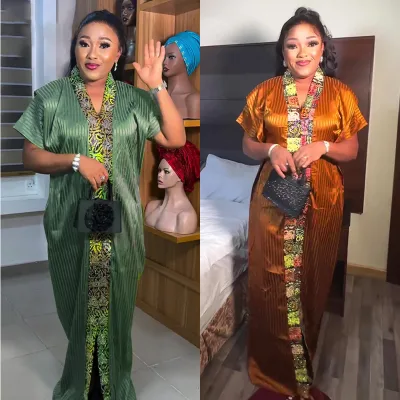
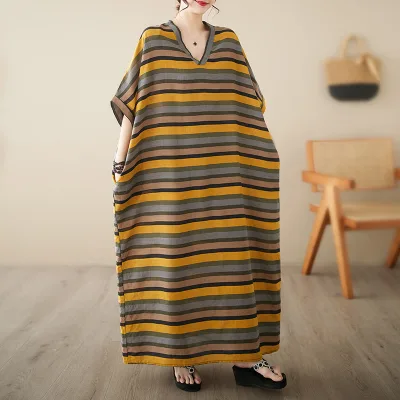

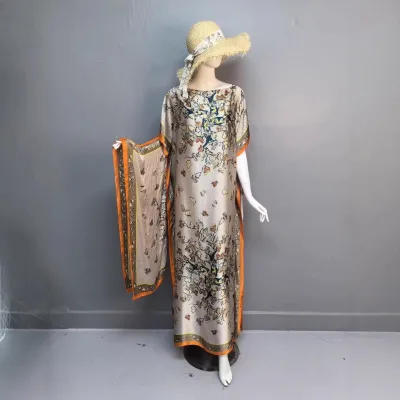
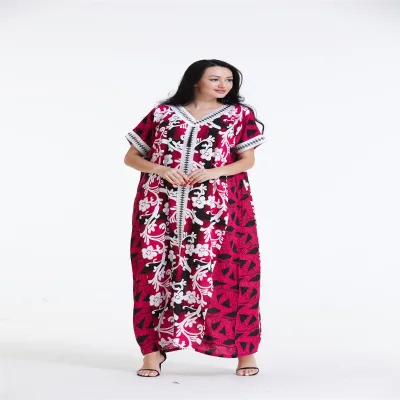
Ethnic Clothing Kaftan Floral Patterning Dress for Plus Size Women Dashiki Dress
$5.06 - $6.89
MOQ: 300 Pieces

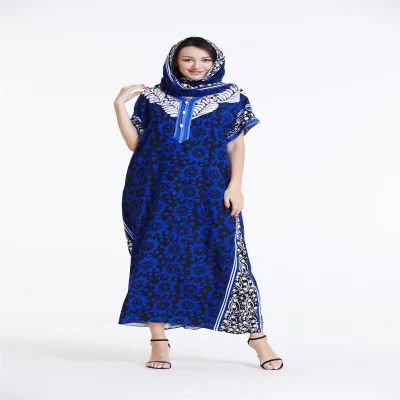
Muslim Clothing Kaftan Maroc Pink Victorian Quinceanera Dresses Plus Size Dress
$6.40 - $8.22
MOQ: 300 Pieces

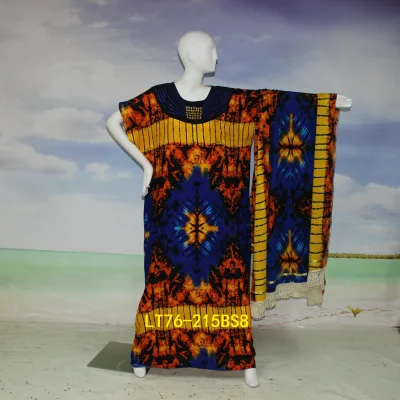
Muslim Clothing Kaftan Maroc O-Neck Dresses Women Ladies Sexy Plus Size Dress
$3.91 - $5.73
MOQ: 300 Pieces


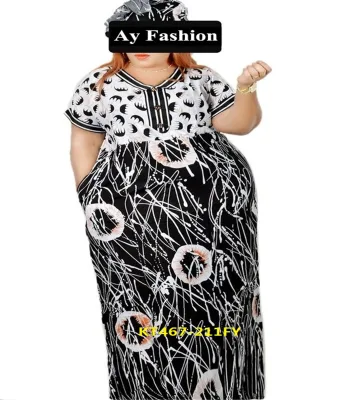
Islamic Clothing Borkha Long Sleeve Ramadan Kaftan Evening Dress Plus Size Dress
$7.40 - $9.22
MOQ: 300 Pieces

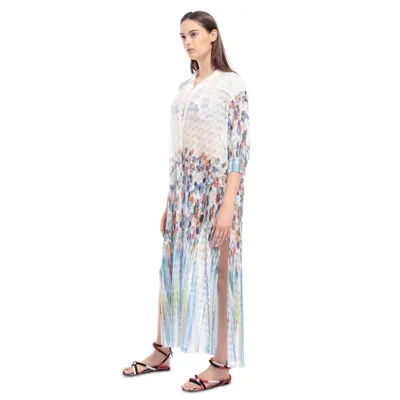
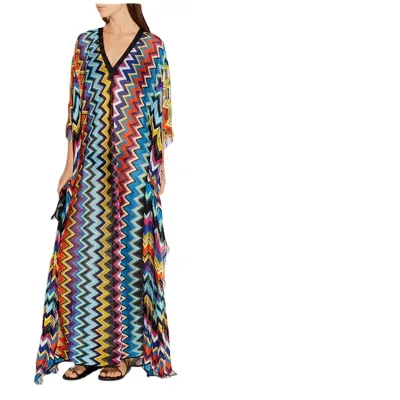


Comprehensive Sourcing Guide
Vintage A-Line Knee-Length Kaftan Sourcing Guide
Sourcing vintage-style A-line knee-length kaftans requires distinguishing between authentic retro reproductions and modern casual wear that mimics the silhouette. While the observed product data highlights specific items like the "african long dress" and various sportswear sets, buyers must carefully filter for garments that match the specific knee-length and A-line criteria rather than floor-length or athletic variations. The presence of "Casual" and "Bohemian" style tags in the inventory suggests a market segment that blends traditional kaftan aesthetics with contemporary comfort, though the exact vintage character depends on fabric weight and print quality.
Buyers should prioritize suppliers who explicitly define their silhouette and length specifications, as the observed listings include both "Floor-Length" dresses and "Medium" length skirts that do not meet the knee-length requirement. The "A-Line Skirt" and "Straight Skirt" attributes found in the data indicate that manufacturers often produce multiple cuts under similar style names, necessitating a rigorous review of product images and dimension sheets. Verifying the "Waist Type" as mid-waisted or high-waisted is essential to ensure the garment achieves the desired vintage proportion, as modern cuts often vary significantly in their waist placement and drape.
Product Scope and Observed Listing Signals
The current market signals indicate a diverse range of products that may be confused with vintage kaftans, including sportswear sets and casual dresses with specific model numbers like WM0048 and ESG13615. While the data confirms the availability of "Chiffon" and "Spandex / Polyester" materials, these fabrics often define modern athletic or summer wear rather than the heavier, structured fabrics typical of vintage kaftans. Buyers must scrutinize the "Fabric Weight" and "Fabric Type" attributes, as the observed 160-gram weight and "Worsted" type suggest a specific texture that may not align with the flowing, lightweight drape expected of a traditional kaftan.
Observations of "Print" patterns and "Digital Printing" methods suggest that many available items feature modern graphic designs rather than the intricate, heritage-inspired motifs associated with vintage styles. The "Simple" fashion element and "Round Collar" or "V-neck" options found in the listings provide a baseline for casual wear, but the specific "Vintage" aesthetic requires a deeper investigation into the print origin and cut details. Suppliers offering "In-Stock Items" with "Carton" or "PP Bag" packing may provide faster turnaround, yet the lack of specific vintage certification means buyers must rely on visual verification of the pattern and cut to ensure authenticity.
Technical Specifications to Verify
Verifying the exact dimensions of the A-line cut is critical, as the observed data includes size standards ranging from S to 4XL, which may not uniformly translate to a consistent knee-length across different manufacturers. Buyers should request detailed measurement charts that specify the hem circumference and side seam length to confirm the A-line flare, as the "Straight" silhouette observed in some listings contradicts the flared shape required for a true kaftan. The "Single package size" of 25x25x3 cm or 40x40x5 cm provides a clue to the garment's volume, but these dimensions must be cross-referenced with the actual garment length to ensure it falls within the knee-length range.
Fabric composition and weight are equally vital, as the observed "Spandex / Polyester" blend offers stretch and durability suitable for active use but may lack the drape of natural fibers often found in vintage designs. The "Needle detection" attribute confirms a safety standard for metal detection, which is a positive indicator for quality control, but it does not guarantee the fabric's aesthetic suitability for a vintage look. Buyers must verify the "Sleeve Length" and "Sleeve Style," as the observed "Short" and "Cap Sleeve" options may need to be adjusted to achieve the long, flowing sleeves characteristic of a classic kaftan silhouette.
Compliance and Safety Documentation
Safety compliance is a non-negotiable aspect of sourcing, particularly given the observed "Needle detection: Yes" attribute which indicates a commitment to metal detection protocols. While this feature suggests a baseline level of quality control regarding physical hazards, buyers must ensure that the supplier also adheres to relevant textile safety standards for the target market, such as flammability regulations or chemical restrictions on dyes. The "Digital Printing" and "Silk Screen Printing" methods used in the observed inventory require verification that the inks used are non-toxic and compliant with international safety standards for children's or adult wear.
Documentation regarding the "Place of Origin" in Guangdong, China, should be accompanied by a full supply chain transparency report to verify that no prohibited labor practices were involved in the production of the vintage-style garments. Although the data mentions "7 days sample order lead time," this operational metric does not replace the need for formal compliance certificates that validate the safety of the materials used. Buyers should request test reports specifically for the "Worsted" or "Chiffon" fabrics to ensure they meet the required safety thresholds for the intended use, whether for casual wear or specific occasions like parties.
Cost Drivers and Commercial Terms
The cost of sourcing vintage-style kaftans is heavily influenced by the complexity of the "Print" and the specific "Fabric Type" selected, as the observed "Digital Printing" and "Silk Screen Printing" methods carry different cost structures. The "Fabric Weight" of 160 grams and the use of "Spandex / Polyester" blends may offer a lower cost point compared to natural fibers, but achieving a high-quality vintage aesthetic often requires more expensive materials or specialized dyeing processes. Buyers should analyze the "MOQ" range of 1 to 300 units to determine the most economical order size, as smaller batches may incur higher per-unit costs due to setup fees for printing and cutting.
Commercial terms such as the "7 days sample order lead time" and the "Carton" or "PP Bag" packing methods impact the overall landed cost and logistics planning. The "Single gross weight" of 0.500 kg per unit is a key factor in calculating shipping expenses, especially when ordering larger quantities to meet the "MOQ" requirements. Buyers must negotiate clear terms regarding the "Supply Type" of "In-Stock Items" versus custom production, as custom orders for specific vintage designs may extend lead times and increase costs due to the need for specialized tooling or fabric sourcing.
Supplier Qualification and Quality Control
Supplier qualification should focus on their ability to consistently reproduce the specific "A-Line" and "Knee-Length" specifications without deviation, as the observed data shows a mix of "Straight Skirt" and "A-Line Skirt" types that may confuse buyers. The presence of "Needle detection" is a strong indicator of a supplier's commitment to quality control, but it should be complemented by regular third-party inspections to verify the consistency of the "Print" quality and the durability of the "Seams." Buyers should request samples that match the exact "Model Number" and "Size" requirements to ensure the supplier can deliver the precise vintage aesthetic desired.
Quality control protocols must also address the "Decoration" elements, such as the "Tassel" observed in some listings, which can be prone to wear and tear if not securely attached. The "Logo position" on the "Front, back, Left Sleeve, Right Sleeve" requires precise alignment to maintain the garment's aesthetic integrity, and any misalignment can significantly reduce the perceived value of the vintage style. Suppliers should demonstrate a robust process for handling "Customization" requests, ensuring that any modifications to the standard "Casual" or "Bohemian" designs do not compromise the structural integrity or the intended look of the kaftan.
Long-Term Procurement Checks
Establishing a long-term procurement strategy requires regular audits of the supplier's ability to maintain the "Vintage" aesthetic over multiple production runs, as trends and material availability can shift quickly. Buyers should monitor the consistency of the "Fabric Weight" and "Material" composition to ensure that the "Spandex / Polyester" blend or "Chiffon" used in the initial order remains consistent in subsequent batches. The "Season" attributes of "Summer" and "Spring" suggest that these garments are seasonal, and buyers must plan their inventory cycles to avoid overstocking or stockouts during peak demand periods.
Continuous communication with the supplier regarding "Customization" capabilities and "Supply Type" availability is essential for adapting to market changes and maintaining a competitive edge. Buyers should track the "Lead Time" for sample orders and bulk production to ensure that the "7 days sample order lead time" remains reliable as order volumes increase. Regular reviews of the "Product Standard" and "Size" consistency will help identify any drift in quality or fit, ensuring that the vintage kaftans continue to meet the high standards expected by the target market.
FAQs
Can I customize the Vintage A-Line Knee-Length Kaftan with my own logo?
Yes, customization is available for this product line. Buyers can request digital printing or silk screen printing to add their logo or graphic design to the front, back, or sleeves. This service allows for brand personalization while maintaining the garment's modest and casual style suitable for various occasions.
What materials are used in the Vintage A-Line Knee-Length Kaftan?
The product utilizes chiffon and a spandex polyester blend for different styles. Some variants feature a fabric weight of 160 grams with a straight silhouette, while others use worsted fabric types. These materials ensure comfort and durability, supporting the casual and bohemian aesthetics required for vacation or everyday wear.
What is the minimum order quantity for the Vintage A-Line Knee-Length Kaftan?
The minimum order quantity ranges from 1 to 300 units depending on the specific model and customization requirements. Standard in-stock items may have lower MOQs, while custom designs might require higher volumes. Buyers should check the specific model number, such as ESG13615 or WM0048, for exact ordering thresholds.
How long does it take to produce a sample order?
Sample orders are supported with a lead time of 7 days. This quick turnaround allows buyers to verify quality, fit, and printing details before committing to bulk production. The sample process ensures that the final product meets the specified size standards and design expectations for the Vintage A-Line Knee-Length Kaftan.
What sizes are available for the Vintage A-Line Knee-Length Kaftan?
Standard sizes range from S to 4XL, accommodating a wide variety of body types. Specific models may also be available in M or S sizes. The sizing standard ensures a consistent fit across the product line, supporting the mid-waisted and straight silhouette designs intended for middle-aged and casual wear markets.
Where is the Vintage A-Line Knee-Length Kaftan manufactured?
The product originates from Guangdong, China. Manufacturing facilities in this region are equipped to handle various production standards, including needle detection for safety. The location supports efficient logistics and packaging, ensuring that items are securely packed in cartons or PP bags for global shipment.