Source Vinyl Cutters for Signage, Packaging, and Prototyping
Explore 30 Vinyl Cutter options tailored for industrial and commercial applications. Compare specifications such as cutting speed, blade material, and automation levels to find the right equipment for your production needs; compare the available evidence and request quotations based on your requirements.
Key considerations
Products List


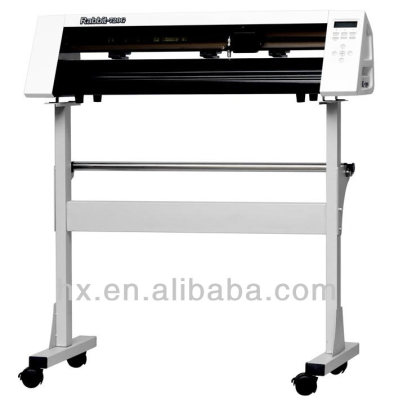
$102.13 - $306.38
MOQ: 1 Minimum


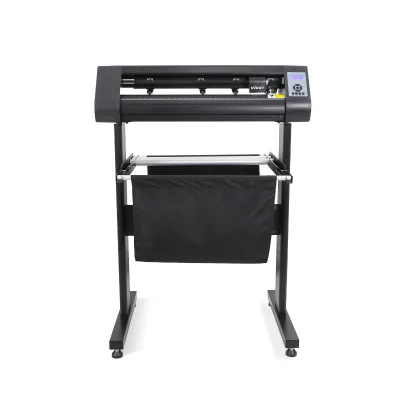


Factory Direct Sale Rubber Cutter
$3999.00 - $15999.00
MOQ: 1 Sets
Qingdao Shun Cheong Rubber Machinery Manufacturing Co., Ltd.


Comprehensive Sourcing Guide
Vinyl Cutter Sourcing Guide
The Vinyl Cutter market presents a diverse array of machinery ranging from manual single-blade cutters to fully computerized contour cutting systems. Buyers must distinguish between simple PVC cutting tools and complex electric machines capable of step motor operations for precise material handling. The observed product landscape includes models with plastic or metal handles, indicating a split between manual utility and industrial automation. Understanding this distinction is critical before initiating any procurement process, as the operational requirements for a basic cutting knife differ vastly from those of a living paper cutting machine.
Sourcing decisions should be grounded in the specific functional needs of the production line, such as the requirement for a cut-off machine versus a fine grinding process. The available data highlights a wide spectrum of specifications, including models with 32 MB memory buffers and others defined by simple mechanical resolutions. Procurement teams must verify whether the intended application requires a computerized driven type or a manual approach. This initial assessment ensures that the selected equipment aligns with the actual workflow, preventing the acquisition of over-engineered or underpowered machinery for the specific task at hand.
Product Scope and Observed Listing Signals
The observed product listings reveal a significant variance in model numbers and physical configurations, ranging from model 112 to complex identifiers like HBC-1350III. Some units are explicitly described as having a working layer of PVC plastic, while others are classified as single-blade cutters with metal handles. This diversity suggests that the market offers solutions for both light-duty tasks and heavy industrial applications. Buyers should carefully examine the product model and classification to ensure the machine matches the specific material thickness and cutting precision required for their operations.
Packaging and origin data provide further insight into the intended market and logistics requirements. Products are listed with packing types ranging from simple boxes to export standard cartons, often originating from regions like Hefei, Anhui, or Shanghai, Nantong. The presence of both customized and non-customized options indicates flexibility in the supply chain, yet buyers must confirm if the standard configuration meets their specific branding or operational needs. Verifying the exact model number against the observed packing and origin details helps in anticipating shipping costs and ensuring the equipment arrives in a condition suitable for immediate deployment.
Technical Specifications to Verify
Technical verification must begin with the driven type and control mechanisms, as the market includes both electric and manual options. High-end models feature computerized systems with step motors for automatic contour cutting, offering mechanical resolutions as fine as 0.009 mm. In contrast, other listings describe basic cutting knives or cut-off machines without advanced automation. Buyers should prioritize the driven type and resolution specifications to ensure the machine can handle the required precision, particularly when working with materials that demand high accuracy or complex patterns.
Blade material and diameter are critical parameters that directly influence cutting performance and longevity. The available data specifies blade materials ranging from metal to steel, with some models noting a diameter of 2.5 mm. Additionally, cutting speeds are listed for certain electric units, reaching up to 705 mm/sec. Procurement teams must validate these specifications against the intended material type, such as PVC or vinyl, to prevent premature blade wear or inefficient cutting speeds. Confirming the blade material and diameter ensures the machine can maintain consistent performance over extended production cycles.
Compliance and Safety Documentation
Compliance verification is essential when sourcing industrial machinery, as the listings indicate the presence of CE and CCC certifications alongside ISO standards. These certifications are particularly relevant for machines originating from China, where regulatory adherence varies by manufacturer. Buyers must request valid certification documents to ensure the equipment meets the safety and quality standards required in their destination market. Relying on the presence of these marks in the listing is insufficient; physical verification of the certificates is necessary to mitigate liability and ensure operational safety.
Safety documentation should also cover the specific operational modes and mechanical features of the machine. The observed data includes references to fine grinding, plating, and wire electrical discharge machining (Wedm-Ls) processes, which imply complex manufacturing capabilities. Buyers must ensure that the safety protocols for these advanced processes are clearly documented and that the machine includes necessary guards or emergency stops. Understanding the full scope of the machine's capabilities, including its memory buffer and processing modes, helps in establishing a comprehensive safety framework for the facility.
Cost Drivers and Commercial Terms
Cost structures in the Vinyl Cutter market are heavily influenced by the level of automation and the complexity of the mechanical resolution. Computerized models with step motors and large memory buffers command higher prices compared to basic single-blade cutters with plastic handles. Buyers should analyze the correlation between the model specifications and the listed price range to identify the true value proposition. Understanding these cost drivers allows for more accurate budgeting and prevents overspending on features that may not be necessary for the specific application.
Commercial terms such as MOQ and packaging standards play a significant role in the total cost of ownership. The observed MOQ ranges from 1 to 500 units, offering flexibility for both small-scale buyers and large distributors. Packaging options vary from simple cartons to 2-layer export standard cartons, which can impact shipping costs and product protection. Buyers must negotiate these terms carefully, considering the trade-off between lower unit costs at higher volumes and the logistical expenses associated with specialized packaging. Clear agreement on these terms ensures a smooth transaction and minimizes unexpected expenses.
Supplier Qualification and Quality Control
Supplier qualification requires a thorough review of the production technology and material composition used in the manufacturing process. The listings indicate the use of plastic steel and metal handles, alongside processes like laser printing and fine grinding. Buyers should verify the supplier's capability to maintain consistency in these materials and processes across different production batches. A supplier with a proven track record in producing computerized and electric machines is more likely to deliver reliable equipment that meets the specified technical requirements.
Quality control measures must extend beyond the initial inspection to include long-term performance monitoring. The presence of certifications like CE and ISO suggests a baseline commitment to quality, but buyers should implement their own quality checks upon receipt. This includes verifying the mechanical resolution, cutting speed, and the integrity of the blade material. Establishing a robust quality control protocol ensures that the purchased Vinyl Cutter performs as expected and reduces the risk of operational downtime due to manufacturing defects or material inconsistencies.
Long-Term Procurement Checks
Long-term procurement success depends on the availability of spare parts and the durability of the machine's core components. Buyers should assess the supplier's support infrastructure, including the availability of replacement blades, motors, and control units. The complexity of computerized models with step motors and memory buffers necessitates a reliable supply chain for technical support and parts. Ensuring that the supplier can provide these components over the lifespan of the machine is crucial for maintaining operational efficiency and minimizing downtime.
Continuous evaluation of the machine's performance against the original specifications is vital for long-term value. Buyers should regularly monitor cutting speeds, mechanical resolution, and the condition of the working layer to detect any degradation. The ability to customize the machine or upgrade its software, as suggested by the presence of customized options, can extend the machine's utility. Establishing a schedule for performance reviews and maintenance ensures that the Vinyl Cutter remains a productive asset, adapting to changing production needs without requiring immediate replacement.
FAQs
What customization options are available for vinyl cutters?
Customization is available for many Vinyl Cutter models, allowing buyers to tailor specifications to their specific production needs. Some units are offered as non-customized standard items, while others support bespoke adjustments. Buyers should verify the customization status for each specific model, such as the 112 or 109 series, to ensure the machine meets their exact operational requirements before placing an order.
Which certifications do Vinyl Cutter machines typically hold?
Vinyl Cutter machines often hold CE, CCC, and ISO certifications, ensuring compliance with international safety and quality standards. These certifications are critical for buyers importing equipment from China, particularly from regions like Hefei, Anhui. Verifying these documents is essential for regulatory clearance and operational safety, especially for computerized models like the HBC-1350III that require strict adherence to manufacturing standards.
How is the cutting speed of advanced vinyl cutters measured?
Advanced vinyl cutters, such as the AC-721 model, feature a cutting speed of 705 mm/Sec. This high speed is supported by a mechanical resolution of 0.009 mm and a memory buffer of 32 MB or 16 MB when using Aas. These specifications ensure precise and efficient cutting for complex designs, making them suitable for high-volume production environments requiring rapid turnaround times.
What materials are used in the construction of vinyl cutters?
Vinyl cutters are constructed using various materials, including plastic steel for handles and metal for blades. The working layer often consists of PVC plastic, while blade materials may be specified as metal or steel. These material choices impact durability and cutting performance, with different models offering plastic or metal handles to suit varying user preferences and industrial application demands.
Can vinyl cutters be automated for contour cutting?
Yes, certain vinyl cutters feature automatic contour cutting capabilities driven by step motors. Models like the HBC-1350III are computerized and classified as living paper cutting machines, enabling precise automated operations. These machines are electrically driven and designed for high accuracy, making them ideal for complex cutting tasks that require consistent performance without manual intervention during the cutting process.
What packaging standards are used for exporting vinyl cutters?
Vinyl cutters are typically packed in export standard cartons, with some models using two-layer export standard cartons for enhanced protection. Other variations include box or ctns packaging. These packaging methods ensure safe transit from origins like China, Shanghai, or Nantong. Buyers should confirm the specific packing type for their chosen model to ensure the equipment arrives undamaged and ready for immediate installation.