Source Vintage Wood Phone Stand for Office, Home, and School
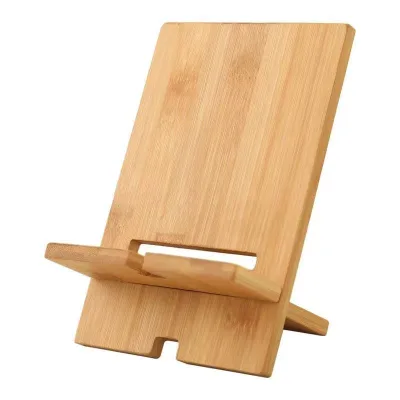
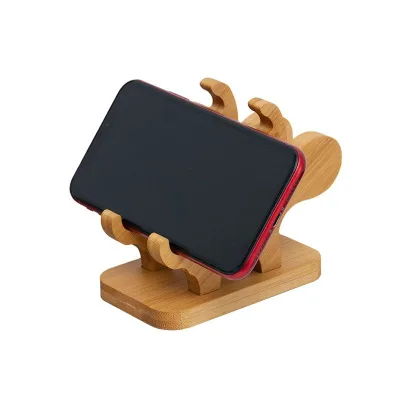
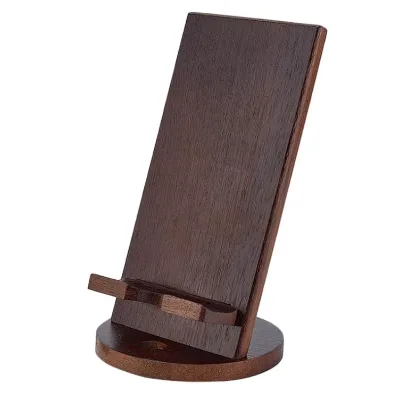
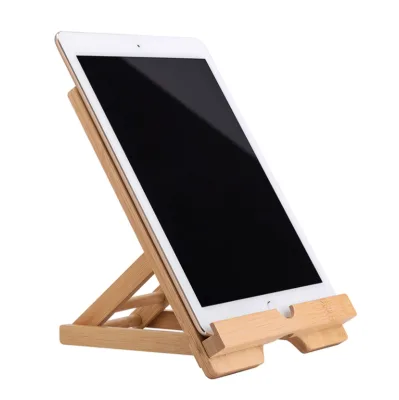
Explore 30 listings for a Vintage Wood Phone Stand suitable for office desks, home living rooms, and school study areas. Compare specifications such as carved or polished techniques, natural or customized colors, and dimensions to find the right fit for your needs.
Key considerations
Products List



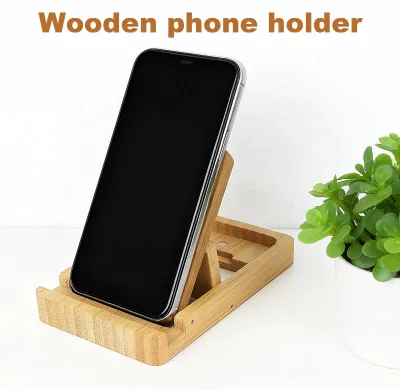
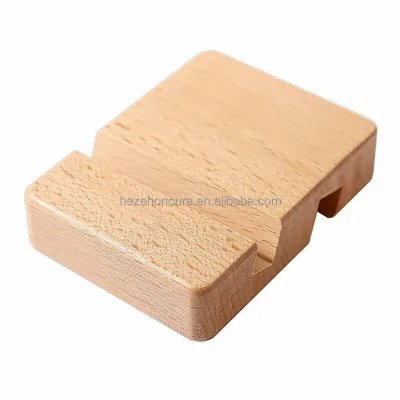
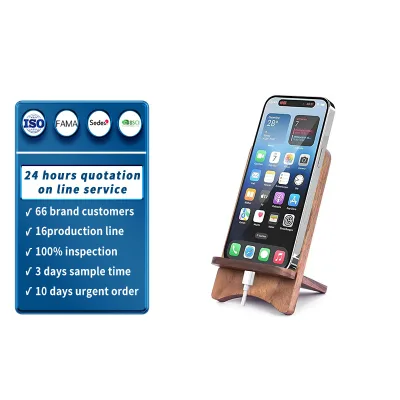
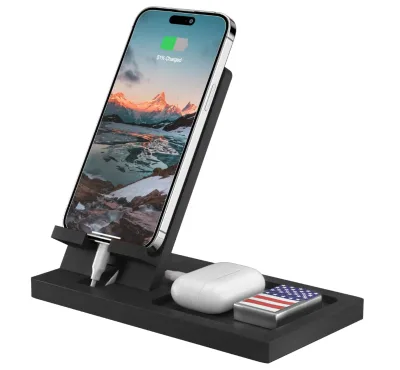





Comprehensive Sourcing Guide
Vintage Wood Phone Stand Sourcing Guide
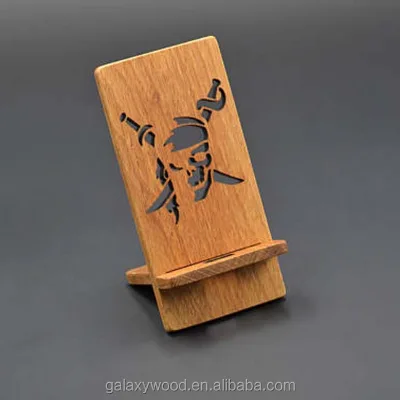
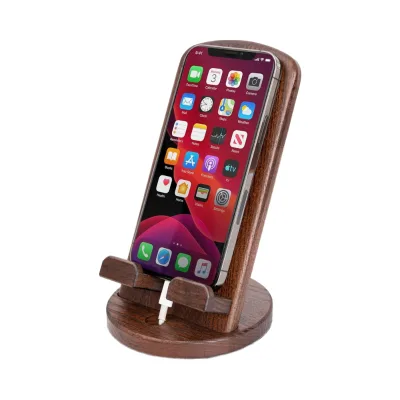
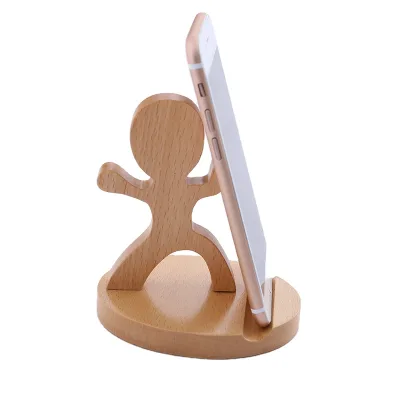
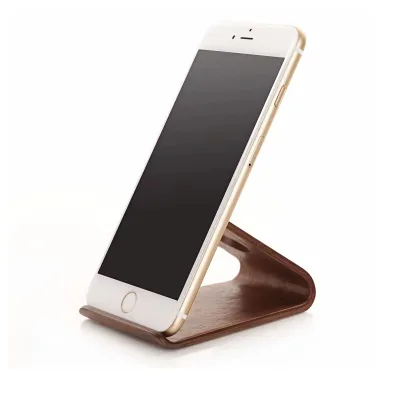
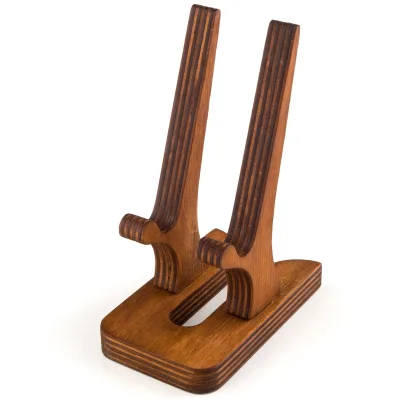
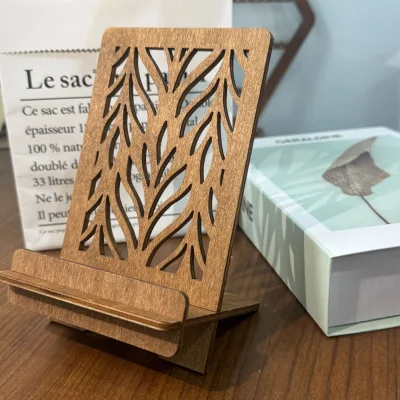
Sourcing vintage wood phone stands requires distinguishing between mass-produced items and those with authentic handcrafted characteristics. The market offers products labeled with themes like "custom wood holder" or "wood phone holder," often featuring techniques such as polishing or carving to achieve a specific aesthetic. Buyers must carefully evaluate whether the "vintage" descriptor refers to a genuine antique style or merely a finish applied to modern manufacturing processes.
Procurement decisions should prioritize suppliers who explicitly define their production techniques, such as "carved" or "lacquer" finishes, to ensure the desired texture and durability. While some listings mention "natural" colors, others offer "customized color" options, which can significantly alter the perceived age and style of the final product. Understanding these distinctions is essential for aligning the purchase with specific design requirements for office or home environments.
Product Scope and Observed Listing Signals
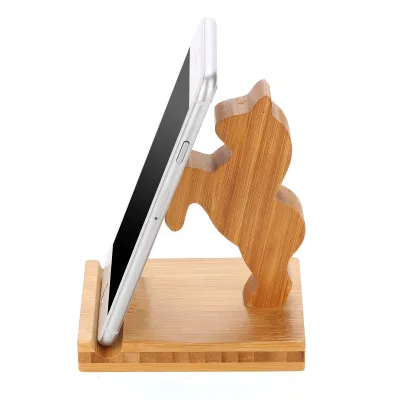
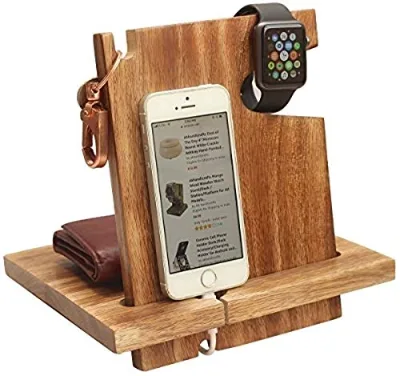
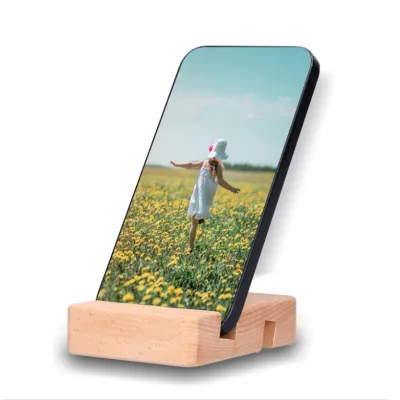
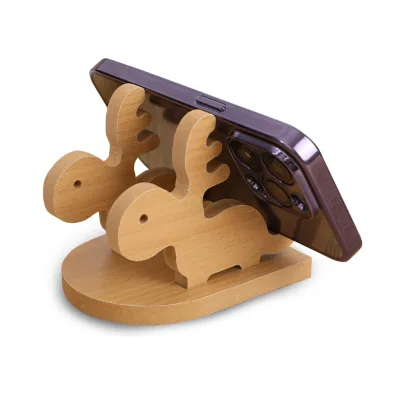
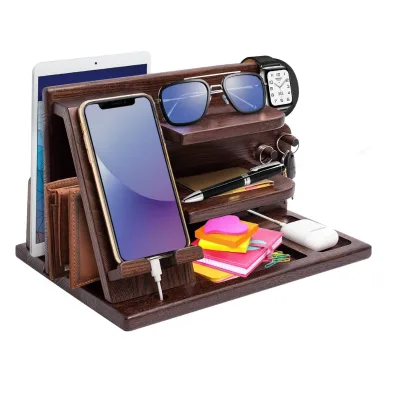
The available product scope includes various forms of wooden storage and display units, ranging from simple phone holders to multi-tiered organizers. Listings indicate that these items often serve dual purposes as office organizers or living room decorations, with shapes varying from rectangles to custom designs. The "theme" of the product is frequently described as a custom wood mobile phone stand, suggesting a high degree of customization potential for branding or specific functional needs.
Buyers should note that observed listing signals include diverse model numbers like GW-1933 and GW-864, which may correspond to different structural designs or sizes. Some products are marketed with features like being "stackable," "rotatable," or "foldable," indicating versatility beyond simple phone support. It is critical to verify if the "single item" selling unit applies to the specific configuration required, as some listings imply bulk packaging or specific single-package dimensions that affect logistics.
Technical Specifications to Verify
Technical verification must begin with dimensional accuracy, as specifications list tolerances such as <±1mm for dimensions and <±1% for weight. Buyers should confirm the exact single package size, which can range from 25x20x15 cm to 35x15x12 cm depending on the model, to ensure compatibility with shipping constraints and retail shelving. The thickness of the material, noted as 2.5 wire in some contexts, requires clarification to ensure structural integrity for holding devices of varying weights.
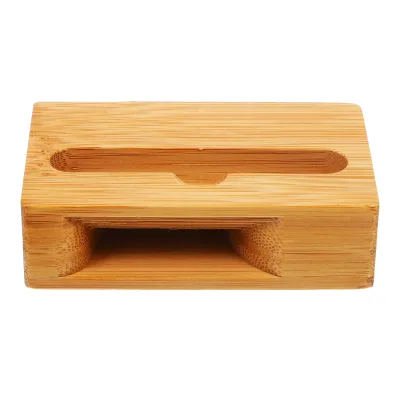
Material composition is another critical specification, with some products listing "Wood Bamboo" as the main material while others specify just "Wood." The "technics" applied, such as "polished," "carved," or "lacquer," directly impact the surface finish and resistance to wear. Buyers must verify if the "installation" method is a standing type and confirm the number of tiers, as some units are designed as double-tier storage holders while others are single-level stands.
Compliance and Safety Documentation
While specific certification data is not universally present in the provided facts, buyers should request documentation to confirm that the wood products meet international safety standards for consumer goods. The presence of a "CE" certification in background knowledge suggests that compliance with European safety directives is a relevant consideration for markets in that region. Procurement teams must ensure that any finishes, such as lacquer or polish, are non-toxic and safe for prolonged contact with skin and electronic devices.
Safety verification also extends to the structural stability of the stand, particularly for "standing type" installations in high-traffic areas like offices or schools. Buyers should inquire about the durability of the joints and the resistance of the wood to heat, as some product features list "heat resistant" capabilities. Ensuring that the product meets general safety requirements for office and home use is essential to mitigate liability risks associated with product failure or material hazards.
Cost Drivers and Commercial Terms
Cost drivers for vintage wood phone stands are heavily influenced by the complexity of the "technique" used, such as hand carving versus machine polishing, and the extent of customization required. The "MOQ" (Minimum Order Quantity) varies significantly across listings, ranging from 1 piece to 1000 pieces, which directly impacts the unit price and the feasibility of small-batch procurement. Buyers must balance the desire for unique, custom designs against the economic constraints imposed by higher minimum order thresholds.
Commercial terms also include the "sample time," which is observed to be between 7 and 15 days, affecting the overall lead time for the project. The "selling units" are typically listed as single items, but bulk pricing structures may apply once the MOQ is met. Additionally, the "single gross weight" of 1.000 kg per unit is a key factor in calculating shipping costs, especially when sourcing from locations like Guangdong or Fujian, China.
Supplier Qualification and Quality Control
Supplier qualification should focus on verifying the "place of origin," as products are sourced from regions like Guangdong and Fujian, China, each with distinct manufacturing capabilities. Buyers must assess the supplier's ability to maintain consistent quality across different "model numbers" and ensure that the "brand name" or "XX" placeholder does not indicate a lack of established identity. A qualified supplier should demonstrate a clear understanding of the "functional design" requirements, such as multifunctionality and portability.
Quality control processes must include checks on the "shape" and "color" consistency, as some products offer "customized color" options that require precise color matching. The "functional design" features, such as being "detachable" or "retractable," need rigorous testing to ensure they function smoothly over time. Buyers should request evidence of the "installation" process and verify that the "storage holders & racks" meet the specified "style" of vintage aesthetics without compromising structural strength.
Long-Term Procurement Checks
Long-term procurement checks involve monitoring the consistency of the "material" quality, specifically the "wood bamboo" or solid wood used in production, to prevent degradation over time. Buyers should establish a protocol for periodic quality audits to ensure that the "technics" like carving or lacquering remain consistent across large production runs. This is particularly important for products intended for "office home school" usage, where durability and aesthetic longevity are paramount.
Sustainability and environmental impact should also be part of the long-term strategy, given that some product features highlight "sustainable" attributes. Buyers must verify that the "customized" nature of the product does not lead to excessive waste or inefficient material usage. Regular reviews of the "sample time" and "lead times" are necessary to ensure that the supply chain remains responsive to market demands and that the "vintage" style remains relevant to evolving consumer preferences.
FAQs
What materials are used for vintage wood phone stands?
These stands are primarily crafted from natural wood or bamboo materials. The surface is often polished or carved to achieve a vintage aesthetic. Some models feature lacquer techniques for durability. The main material ensures a sturdy and sustainable structure for daily office or home use.
Can I customize the size and shape of the stand?
Yes, customization is available for both size and shape. Buyers can request specific dimensions to fit their needs. The theme can also be adjusted to match specific design preferences. This flexibility allows for unique branding or functional requirements in various settings like offices or living rooms.
What is the typical MOQ for these wooden holders?
The minimum order quantity varies by supplier and model. Common MOQs observed are 500 pieces or 1000 pieces. Buyers should confirm the specific MOQ with the manufacturer before placing an order. This threshold ensures efficient production and cost-effectiveness for bulk purchases of these decorative and functional items.
Where are these wood phone holders manufactured?
These products are manufactured in China, specifically in regions like Guangdong and Fujian. These areas are known for their woodworking expertise and supply chain efficiency. Buyers can expect reliable production capabilities and access to a wide range of wooden holder designs and specifications from these manufacturing hubs.
What techniques are used to finish the wood surface?
Common finishing techniques include polishing, carving, and lacquering. Polishing provides a smooth and refined look, while carving adds intricate decorative details. Lacquer finishes offer protection and a glossy appearance. These techniques enhance the vintage style and ensure the stand is durable and visually appealing for various applications.
Are these stands suitable for office and home use?
Yes, these stands are designed for versatile use in offices, homes, and schools. They serve as functional organizers and decorative pieces. The vintage style complements various interior designs. Their sturdy construction makes them ideal for holding phones or other small items in living rooms or workspaces effectively.