Source Vinyl Label Stickers for Shipping, Food, and Packaging
Compare 30 Vinyl Label Stickers from verified suppliers offering offset and digital printing options. These adhesive labels support custom sizes, waterproof features, and applications for shipping, food, and promotional use with lead times as short as 5-7 work days; compare the available evidence and request quotations based on your requirements.
Key considerations
Products List


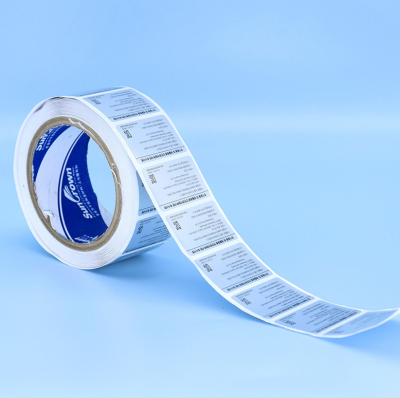


Comprehensive Sourcing Guide
Vinyl Label Stickers Sourcing Guide
Sourcing Vinyl Label Stickers requires a strategic approach that balances material durability with printing precision, ensuring the final product meets both aesthetic and functional demands. Buyers must first define the specific environmental conditions the labels will face, as vinyl offers superior resistance to moisture, chemicals, and temperature fluctuations compared to paper alternatives. This makes it an ideal choice for products that require long-term adhesion and legibility in challenging settings. Understanding these material properties allows procurement teams to select the right substrate that prevents peeling, fading, or degradation over the product's lifecycle.
The procurement process also involves navigating a wide variety of customization options, from adhesive strength to surface finishes like glossy or matte lamination. Suppliers often provide flexible solutions, including custom sizes and shapes, which can streamline packaging design but require precise technical specifications to avoid production errors. Buyers should engage early with potential vendors to clarify these details, ensuring that the chosen vinyl type aligns with the intended application, whether it be for beverage bottles, shipping logistics, or promotional items. This proactive communication helps mitigate risks associated with mismatched expectations and ensures a smoother transition from sample approval to mass production.
Product Scope and Observed Listing Signals
The current market for Vinyl Label Stickers presents a diverse range of options, with observed price points ranging from $0.01 to $2 per unit, reflecting variations in material quality, print complexity, and order volume. Minimum order quantities (MOQs) are equally flexible, starting as low as one piece for prototyping and scaling up to 50,000 units for large-scale industrial needs. This wide spectrum allows buyers to test market response with small batches before committing to significant inventory investments, providing a low-risk entry point for new product launches or seasonal campaigns.
Listing signals indicate a strong emphasis on customization, with many suppliers offering offset, digital, and transfer printing techniques to suit different production volumes and design intricacies. Products are frequently described with features such as waterproof capabilities, strong adhesive properties, and anti-counterfeit measures, highlighting the versatility of vinyl in securing brand integrity and product safety. Buyers should carefully review these attributes to ensure they align with their specific use cases, such as food packaging, medicine labeling, or outdoor shipping labels, where durability and clarity are paramount.
Technical Specifications to Verify
When evaluating Vinyl Label Stickers, verifying the adhesive type is critical to ensure long-term performance on various surfaces. Suppliers often specify strong adhesive options, but buyers must confirm compatibility with the target substrate, whether it is glass, plastic, or metal, to prevent premature detachment. Additionally, the surface finishing, such as glossy or matte lamination, plays a significant role in both aesthetics and functionality, affecting readability and resistance to scratches or fingerprints. These technical details should be explicitly defined in the purchase order to avoid discrepancies between the sample and the final delivery.
Print quality and resolution are equally important, with options ranging from high-definition digital printing for short runs to offset printing for cost-effective mass production. Buyers should request physical samples to assess color accuracy, edge sharpness, and the integrity of any special effects like holographic or heat-sensitive features. Furthermore, confirming the standard packaging method, such as individual PP bags within cartons or rolls, ensures that the labels arrive in pristine condition, ready for immediate application on production lines without additional handling or damage.
Compliance and Safety Documentation
Ensuring that Vinyl Label Stickers meet relevant safety and regulatory standards is essential, particularly for products in the food, beverage, and pharmaceutical industries. Buyers should verify that the materials used are compliant with local regulations regarding direct or indirect food contact, as well as any restrictions on specific chemicals or adhesives. While some suppliers may claim certifications like ISO or CE, it is crucial to request valid documentation and test reports to confirm that these standards are actively maintained and applicable to the specific product batch being ordered.
Transparency in material composition and manufacturing processes also contributes to overall compliance and brand reputation. Buyers should inquire about the source of the vinyl and any recycling or sustainability initiatives, as these factors are increasingly important to consumers and regulatory bodies. Additionally, understanding the labeling requirements for the target market, such as ingredient lists, barcodes, or warning symbols, ensures that the printed labels provide all necessary information without violating local advertising or labeling laws. This diligence helps avoid costly recalls or legal issues down the line.
Cost Drivers and Commercial Terms
Several factors influence the final cost of Vinyl Label Stickers, including the complexity of the design, the quantity ordered, and the chosen printing method. Digital printing tends to be more cost-effective for smaller runs due to lower setup costs, while offset printing offers significant economies of scale for larger volumes. Buyers should also consider the impact of custom sizes and shapes, which may incur additional die-cutting fees, and the cost of special finishes like lamination or embossing, which add value but increase the unit price.
Commercial terms such as lead times and payment conditions also play a significant role in the overall procurement strategy. Typical lead times range from five to seven working days for standard orders, but this can extend for complex customizations or during peak production seasons. Buyers should negotiate clear terms regarding sample availability, shipping methods, and liability for defects to protect their interests. Understanding these cost drivers and terms allows for more accurate budgeting and helps in selecting suppliers who offer the best balance of quality, speed, and price.
Supplier Qualification and Quality Control
Selecting a reliable supplier involves rigorous qualification processes to ensure consistent quality and timely delivery. Buyers should assess the supplier’s production capabilities, including their printing technology, quality control protocols, and capacity to handle custom orders. Requesting references or case studies from previous clients can provide insights into the supplier’s reliability and responsiveness. Additionally, verifying the supplier’s adherence to international standards and their ability to provide necessary certifications adds an extra layer of confidence in their operational integrity.
Implementing a robust quality control plan is essential to maintain product standards throughout the production process. This includes conducting pre-production samples, in-line inspections, and final random inspections before shipment. Buyers should define clear acceptance criteria for defects, such as misalignment, color variation, or adhesive issues, and communicate these expectations to the supplier. Establishing a feedback loop for continuous improvement helps address any recurring issues and ensures that the supplier remains aligned with the buyer’s quality expectations over time.
Long-Term Procurement Checks
Building a sustainable relationship with vinyl label sticker suppliers requires ongoing monitoring and evaluation of performance metrics. Buyers should regularly review key indicators such as on-time delivery rates, defect percentages, and responsiveness to issues. This data-driven approach helps identify potential problems early and allows for corrective actions before they impact production schedules or customer satisfaction. Maintaining open communication channels with suppliers fosters collaboration and encourages them to prioritize the buyer’s needs and expectations.
As market conditions and regulatory requirements evolve, buyers must stay informed about changes that may affect their sourcing strategy. This includes monitoring trends in material sustainability, new printing technologies, and shifts in consumer preferences for eco-friendly packaging. By staying proactive and adaptable, buyers can ensure that their Vinyl Label Stickers continue to meet current standards and support their brand’s long-term goals. Regular audits and strategic reviews help maintain a competitive edge and ensure that the supply chain remains resilient and efficient.
FAQs
What materials are used for Vinyl Label Stickers?
Vinyl Label Stickers are made from vinyl film with a strong adhesive backing, while some options use coated paper instead. Vinyl offers better durability and waterproof performance, which suits bottled beverage, food, and shipping label applications. Buyers can choose between vinyl and paper constructions depending on the surface, exposure conditions, and desired finish such as glossy or matt lamination.
Can I order custom sizes and shapes for Vinyl Label Stickers?
Yes, custom sizes and shapes are supported, with any custom size available according to buyer requirements. Most products are fully customizable, covering dimensions, printing content, and finish. Before ordering, confirm the exact dimensions, artwork files, and quantity, since custom specifications can affect pricing, production lead time, and minimum order quantity for the finished stickers.
How long does production take for custom Vinyl Label Stickers?
Standard leading time is 5 to 7 work days after order confirmation. This applies to typical custom sticker orders; larger quantities, complex artwork, or special finishing may extend the schedule. Factor in shipping time separately, and confirm the final production schedule with the supplier before placing an order so delivery dates align with your launch or packing timeline.
Which printing methods are available for Vinyl Label Stickers?
Common printing types include offset printing, digital printing, and transfer printing. Offset printing suits high-volume runs with consistent color, while digital printing supports short runs and frequent design changes. Transfer printing is used for specific label applications. Choose the method based on order quantity, color complexity, and artwork detail, and request a sample before mass production.
Are Vinyl Label Stickers waterproof and suitable for beverages?
Yes, waterproof Vinyl Label Stickers are designed for bottled beverage, food, and packaging film uses. The vinyl material combined with glossy or matt lamination protects printed content from moisture and handling. For bottles stored in refrigerated or wet environments, confirm adhesive strength and lamination type with the supplier, and test the labels on your actual packaging before full production.
Can I get samples before placing a bulk order?
Yes, samples are available so buyers can check material, adhesive strength, print quality, and finishing before committing. Review the sample under real conditions, such as applying it to your bottles or packaging. Sample policies, costs, and timelines vary by supplier, so confirm these details upfront and approve the sample specification before mass production begins.
What packaging options are used when shipping Vinyl Label Stickers?
Common packing includes plastic bag plus carton, strong export cartons, carton boxes, and box or wooden case options, with pallets available on request. Some products are supplied in roll or sheet form, and certain specifications use 100 pieces per individual PP bag and 1000 pieces per carton. Confirm your preferred packing format so labels arrive protected and easy to handle.
Can Vinyl Label Stickers include anti-counterfeit features?
Yes, some vinyl label sticker products offer anti-counterfeit features alongside standard options like waterproofing. These are useful for medicine, price tags, and branded goods where authenticity matters. Discuss the specific security technique, printing method, and any verification element with the supplier during customization, since anti-counterfeit designs may influence artwork requirements, production time, and overall unit cost.