Source Wall Climbing Inspection Robot for Pipes, Turbines, Walls
Compare 30 Wall Climbing Inspection Robot models from verified suppliers. Evaluate specs like load capacity, speed, and climbing angles for vertical pipe, wind turbine, and wall applications.
Key considerations
Products List
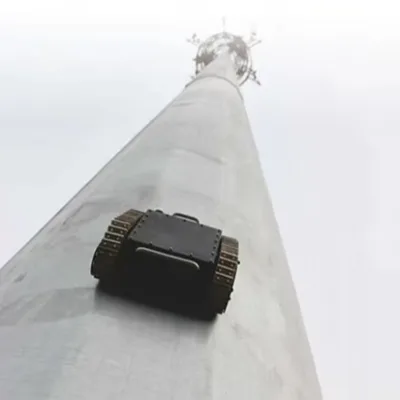
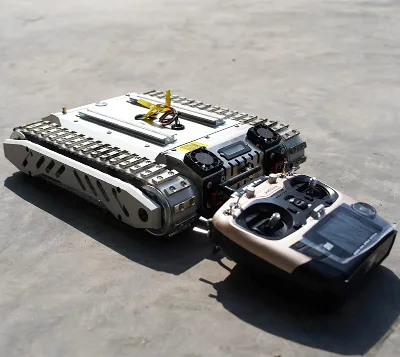
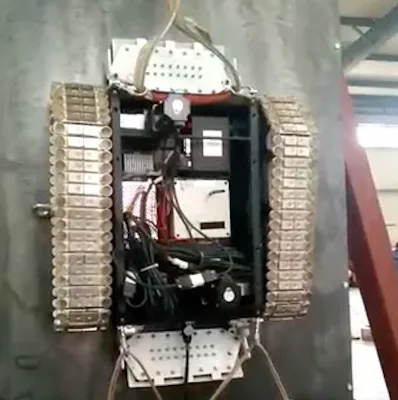
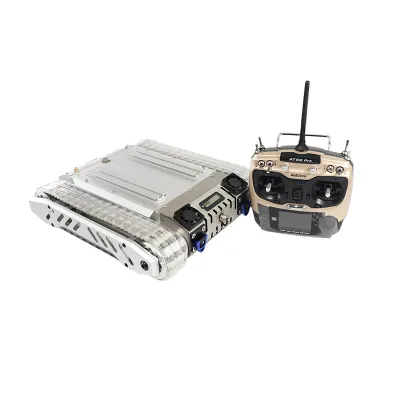
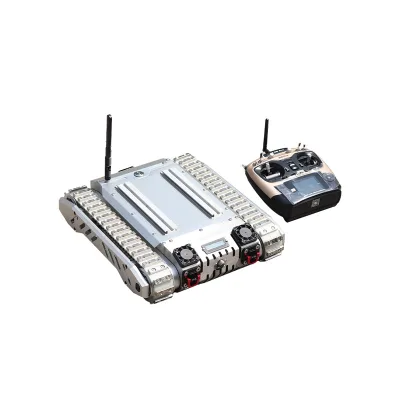


$20000.00 - $25000.00
MOQ: 1 Pieces


High Mobility Pipe Inspection Robot with 30° Climbing Ability and IP68 Rating
$32500.00 - $40000.00
MOQ: 1 Pieces

High Climbing Pipe Robot for 40° Slope with 500W Optional Front Camera
$32500.00 - $40000.00
MOQ: 1 Pieces


Comprehensive Sourcing Guide
Strategic Sourcing Guide for Wall Climbing Inspection Robots
Understanding the Technical Landscape of Magnetic Chassis Systems
The procurement of wall climbing inspection robots requires a precise understanding of the underlying mechanical and magnetic principles that define their operational viability. Unlike wheeled or aerial drones, these specialized units rely on magnetic adhesion to traverse vertical and inverted surfaces. The core technology typically involves high-strength magnetic materials designed specifically for interaction with ferromagnetic surfaces, such as iron or steel structures. In the current market, buyers encounter chassis systems where the adsorption material is explicitly defined as magnetic material compatible with iron. This distinction is critical, as these robots cannot operate on non-magnetic substrates like concrete, glass, or aluminum without significant modification or the use of auxiliary suction mechanisms.
The mechanical architecture of these units often centers on a tracked chassis design, which provides superior traction and stability compared to wheeled alternatives. The tracked system allows the robot to maintain contact with the surface even when encountering minor irregularities or gaps in the weld lines of vertical pipes or wind turbine blades. Key technical parameters that define the performance of these units include the maximum gradeability, which indicates the steepest angle the robot can ascend. High-performance models are engineered to handle climbing angles up to 90 degrees, effectively allowing them to scale vertical walls. Furthermore, the payload capacity is a decisive factor; while some units are designed for light inspection tasks with a rated load of 10kg at a 90-degree vertical angle, others offer a higher ultimate load capacity of up to 60kg at slightly lower angles, such as 85 degrees.
Power delivery systems vary significantly between models, influencing both the operational range and the weight of the unit. Some systems utilize a direct cable power supply operating at 220V, which eliminates the need for heavy onboard batteries but restricts the robot's range to the length of the tether. Conversely, battery-operated units offer greater mobility but introduce constraints regarding service life, with typical operational durations hovering around two hours. The self-weight of the robot is a balancing act between the need for sufficient magnetic force and the requirement for agility. Observed specifications indicate self-weights ranging from 7.5 kg for compact inspection units to 70 kg for heavier chassis designed for transport or heavy-duty exploration. The running speed is another variable, with observed ranges spanning from 0 to 0.11 m/s for heavy-load scenarios up to 0.5 m/s for lighter, more agile inspection tasks.
Compliance Verification and Safety Standards
When sourcing wall climbing robots, buyers must navigate a complex landscape of safety and compliance standards, particularly given the high-risk environments where these devices operate, such as wind farms, chemical plants, and offshore structures. The primary safety concern is the reliability of the magnetic adhesion system. While product specifications may list a protection grade of IP54, indicating protection against dust and water jets, buyers must verify if this rating is sufficient for the specific environmental conditions of their site. For applications involving heavy rain or submersion risks, an IP65 rating or higher may be necessary, and some manufacturers offer this as a customizable option.
Certification verification is essential to ensure that the electrical and mechanical components meet international safety requirements. Buyers should request documentation confirming compliance with relevant electrical safety standards for industrial equipment. Since these robots often operate in hazardous environments, the presence of explosion-proof certifications may be required depending on the location of the inspection, such as inside oil tanks or near flammable gas sources. The core components, typically including motors and gears, must be sourced from reputable manufacturers to ensure longevity and reliability under continuous load.
It is crucial to distinguish between the manufacturer's claims and third-party verified data. While a product listing might state a specific warranty period, such as one year, this does not guarantee coverage for all failure modes. Buyers should scrutinize the warranty terms to understand what constitutes a defect versus normal wear and tear, particularly regarding the magnetic system and track mechanisms. Additionally, the production capacity of the supplier, often listed as a specific number of sets per month, serves as an indicator of the supplier's ability to meet demand and provide after-sales support. A production capacity of 100 sets per month suggests a mature manufacturing line, but buyers should still verify the supplier's track record in delivering units that meet the specified safety and performance criteria.
Cost Drivers and Total Cost of Ownership Analysis
The pricing structure for wall climbing inspection robots is highly variable, influenced by the complexity of the magnetic system, the payload capacity, and the included accessories. The observed price range in the market spans from $5 to $40,000, reflecting the vast difference between basic chassis components and fully integrated inspection systems. A unit priced at the lower end of this spectrum may be a bare chassis requiring the integration of cameras, sensors, and control systems by the buyer, whereas a higher-priced unit likely includes a comprehensive suite of tools, including video transmission modules, remote control systems, and specialized mounting hardware.
The total cost of ownership (TCO) extends beyond the initial purchase price. Buyers must account for the cost of consumables, such as replacement tracks or magnetic pads, which may degrade over time due to friction and exposure to harsh environments. The power consumption of the unit, often specified as 200W per motor or lower for compact models, impacts operational costs, especially in battery-powered configurations where battery replacement or recharging infrastructure is required. For cable-powered units, the cost of the power supply cable and the associated safety equipment must be factored into the budget.
Lead times and minimum order quantities (MOQ) also play a significant role in the financial planning of a procurement project. While some suppliers offer an MOQ of just one set, allowing for pilot testing, others may have higher thresholds for custom configurations. The single package size and weight, which can be substantial at 230 kg gross weight for certain models, directly impact shipping and logistics costs. Buyers should calculate the freight charges based on the dimensions of the single package, which can reach up to 150x100x80 cm, and consider the need for specialized handling equipment at the destination.
Typical Applications and Operational Scenarios
Wall climbing inspection robots are designed for a diverse range of applications where human access is difficult, dangerous, or impossible. The primary use case is the inspection of vertical structures, such as wind turbine blades and towers, where the robot can traverse the surface to detect cracks, corrosion, or coating defects. The ability to carry a payload of up to 10kg at a 90-degree angle allows these units to transport inspection tools, such as ultrasonic thickness gauges or visual cameras, to the exact location of interest.
Beyond wind energy, these robots are increasingly utilized in the petrochemical industry for the inspection of vertical pipes and storage tanks. The magnetic adhesion system ensures stability on the smooth, vertical surfaces of these structures, allowing for continuous monitoring and data collection. The remote control capability, often extending up to 300 meters, enables operators to maintain a safe distance from hazardous areas while controlling the robot's movements. The video outgoing-inspection feature provides real-time visual feedback, which is critical for making immediate decisions regarding the condition of the structure.
Other applications include scientific research, where the robot can be used to explore confined or hazardous spaces, and transportation tasks, where it may be used to move small components along vertical surfaces. The versatility of the robot is further enhanced by its ability to handle different surface conditions, provided the material is magnetic. However, buyers must ensure that the robot's specifications align with the specific geometry and material of the target structure. For instance, a robot designed for smooth steel surfaces may struggle on textured or uneven surfaces, even if the material is magnetic.
Supplier Evaluation and Quality Assurance Protocols
Selecting the right supplier for wall climbing inspection robots requires a rigorous evaluation process that goes beyond simple price comparison. Buyers should assess the supplier's technical expertise, specifically their ability to customize the robot to meet specific site requirements. The availability of customizable features, such as an IP65 protection grade or specific payload capacities, indicates a supplier's flexibility and commitment to meeting diverse client needs. The brand name, such as AVATAR, may be a factor in brand recognition, but the technical specifications and build quality should be the primary focus of the evaluation.
Quality control measures are essential to ensure that the delivered units perform as expected. Buyers should request detailed test reports that verify the robot's climbing angle, speed, and load capacity under various conditions. The presence of core components like motors and gears from reputable manufacturers is a strong indicator of quality. Additionally, the supplier's production capacity, listed as 100 sets per month, should be sufficient to meet the buyer's timeline without compromising quality.
Communication and after-sales support are also critical components of supplier evaluation. The supplier should be able to provide comprehensive documentation, including user manuals, maintenance guides, and troubleshooting resources. The warranty period, typically one year, should be clearly defined, and the supplier should have a established process for handling warranty claims and providing technical support. Buyers should also verify the supplier's location, such as Henan, China, to understand the logistics implications and potential language barriers that may affect the procurement process.
Long-Term Procurement and Maintenance Considerations
Sourcing wall climbing inspection robots is a long-term investment that requires careful planning for maintenance and lifecycle management. The durability of the tracked system and the magnetic adhesion mechanism is paramount, as these components are subject to high stress during operation. Buyers should establish a maintenance schedule that includes regular inspections of the tracks, gears, and magnetic pads to prevent unexpected failures. The battery service life, typically around two hours, necessitates a strategy for power management, including the availability of spare batteries or charging stations.
The compatibility of the robot with existing inspection tools and software is another long-term consideration. The robot's control method, such as a 300m remote control, should be compatible with the buyer's existing communication infrastructure. The ability to integrate the robot's video feed with other data acquisition systems can enhance the value of the inspection process. Buyers should also consider the scalability of their procurement strategy, ensuring that the supplier can provide additional units or upgrades as their inspection needs grow.
Finally, buyers should plan for the eventual replacement of the robot. The obsolescence of specific models, such as the AVT-8T or AVT-3C, may require the development of a migration strategy to newer models with improved capabilities. By maintaining a clear understanding of the technical specifications, compliance requirements, and operational constraints, buyers can ensure a successful and sustainable procurement of wall climbing inspection robots.
FAQs
What is the maximum climbing angle for this robot?
The robot can climb angles up to 90 degrees vertically. This capability allows it to inspect vertical pipes and wind turbines effectively on magnetic surfaces.
How much payload can the robot carry at 90 degrees?
It carries a rated load of 10kg at a 90-degree vertical angle. Some models offer an ultimate load capacity of 60kg at slightly lower angles like 85 degrees.
Can the robot operate on non-magnetic walls?
No, it requires magnetic conductivity material like iron for adsorption. The system uses magnetic material specifically designed to adhere to ferromagnetic surfaces only.
What is the protection grade of the robot chassis?
The standard protection grade is IP54 for dust and water jets. An IP65 rating is available as a customizable option for more demanding environmental conditions.
How long does the battery last during operation?
The battery service life is approximately 2 hours for battery-powered units. Some models use a 220V cable power supply instead to extend operational range.
What is the minimum order quantity for this product?
The minimum order quantity is 1 set for single item purchase. This allows buyers to test the unit before committing to larger orders.
Where is the product manufactured?
The product originates from Henan, China. The supplier has a production capacity of 100 sets per month to meet demand.