Source Wall Cladding Foam Board for Hotels, Offices, and Homes
Compare 30 Wall Cladding Foam Board options from verified Chinese manufacturers. Buyers can evaluate PVC and WPC materials, fireproof and waterproof features, and customization availability for indoor and outdoor applications; compare the available evidence and request quotations based on your requirements.
Key considerations
Products List


Interior Decoration Wall Cladding Durable Bamboo Charcoal PVC Foam Board
$3.47 - $3.50
MOQ: 3 Square Meters


Interior Home Wall Decoration PVC Foam Board PVC Wall Panels Building Materials
$4.00 - $8.00
MOQ: 500 Square Meters
Linyi Xingda Aluminum & Plastic Decoration Material Co., Ltd.


Comprehensive Sourcing Guide
Wall Cladding Foam Board Sourcing Guide
Procuring wall cladding foam boards requires a nuanced understanding of material composition, specifically distinguishing between PVC-based and WPC (Wood-Plastic Composite) variants. Buyers must evaluate whether the core requirement is lightweight moisture resistance or high-impact durability, as these properties dictate the appropriate raw material mix. The observed market data indicates a strong prevalence of PVC panels with varying resin and calcium carbonate ratios, which directly influences weight, rigidity, and cost. Understanding these material distinctions is the first step in aligning supplier offerings with specific project performance needs.
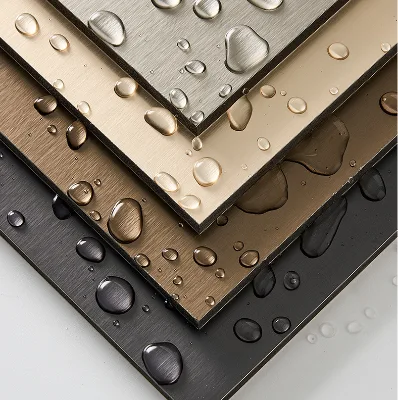
Beyond material selection, the surface treatment and design style play critical roles in the final aesthetic and functional outcome. Options range from sanding super embossing and wood grain finishes to modern luxury designs that mimic marble or golden textures. Buyers should verify if the surface treatment involves PVC lamination film or direct embossing, as this affects long-term wear resistance and ease of cleaning. Aligning the visual design with the intended application, whether it be a hotel lobby or a residential bathroom, ensures that the cladding meets both functional and decorative expectations.
Product Scope and Observed Listing Signals
The current market landscape for wall cladding foam boards reveals a diverse range of product models, including Great Wall Panels and standard wall panels with specific width and height dimensions. Observed listings highlight widths such as 100 mm, 200 mm, and 275 mm, with corresponding heights like 12 mm, 16 mm, and 25 mm. These dimensional variations allow for flexible installation patterns and aesthetic customization. Buyers should carefully match these standard dimensions to their project’s architectural requirements to minimize cutting waste and simplify the installation process.
Usage scenarios are clearly segmented between indoor and outdoor applications, with specific products tailored for each environment. Indoor applications frequently target hotels, apartments, offices, and public spaces, emphasizing decoration and soundproofing. In contrast, outdoor variants focus on weatherproofing, termite resistance, and leakage prevention. The observed data also notes a wide color palette, with over 100 colors available, including white, wooden, and marble patterns. This variety supports extensive customization but requires buyers to request physical samples to verify color accuracy under different lighting conditions.
Technical Specifications to Verify
Technical verification must begin with the raw material composition, particularly the PVC content and the inclusion of additives like calcium carbonate and marble powder. Listings indicate PVC content ranging from 40% to 70%, which significantly impacts the board’s flexibility, strength, and environmental profile. Buyers should request detailed material safety data sheets to confirm the absence of harmful substances, such as lead, and to verify formaldehyde emission levels, which are observed to be below 0.1 mg/L. This step is crucial for ensuring indoor air quality compliance, especially in sensitive environments like hospitals and schools.
Surface treatment and structural integrity are equally important technical parameters. The observed surface treatments include sanding super embossing and wood grain finishes, which provide aesthetic appeal and tactile quality. Buyers should verify the bonding strength of the surface film to prevent peeling over time. Additionally, the weight per square meter, ranging from 1.9 kg to 3 kg, affects handling and installation logistics. Confirming these specifications ensures that the selected panels meet the required load-bearing and durability standards for the intended application.
Compliance and Safety Documentation
Safety compliance is paramount when sourcing wall cladding materials, particularly regarding fire resistance and chemical emissions. The observed product attributes highlight fireproof and waterproof capabilities, which are essential for building code compliance in commercial and residential projects. Buyers must request third-party test reports that verify the fire rating of the panels, ensuring they meet local building regulations. This documentation provides assurance that the material will not contribute to fire spread, thereby enhancing the overall safety profile of the building.
Environmental and health certifications are another critical aspect of compliance. The observed data mentions ISO9001 certification, which indicates a commitment to quality management systems. However, buyers should also inquire about additional environmental certifications, such as those related to formaldehyde emissions and recyclability. The claim of 100% recyclability is a significant advantage, but it should be backed by verifiable data. Ensuring that the supplier provides comprehensive compliance documentation helps mitigate legal and reputational risks associated with non-compliant materials.
Cost Drivers and Commercial Terms
Cost drivers for wall cladding foam boards are primarily influenced by material composition, surface treatment complexity, and order volume. The observed price range of $0.58 to $320 USD reflects significant variation based on these factors. Higher PVC content and intricate surface designs, such as super embossing or wood grain, typically command higher prices. Buyers should analyze the cost per square meter rather than the unit price to ensure accurate budgeting. Understanding these cost drivers allows for more effective negotiation and value assessment when comparing different supplier quotes.
Commercial terms, including minimum order quantities (MOQ) and payment conditions, also impact the total cost of ownership. Observed MOQs range from 1 to 15,000 units, with some suppliers requiring 500 meters per color. Buyers should negotiate MOQs based on their project size and inventory capacity. Additionally, terms such as free return and exchange for quality reasons provide a safety net for procurement. Clear communication regarding packaging, such as cartons and pallets, ensures that logistics costs are accurately estimated and that products arrive in good condition.
Supplier Qualification and Quality Control
Supplier qualification involves verifying manufacturing capabilities and quality control processes. The observed data indicates that suppliers are located in regions like Shandong, China, which is a known hub for PVC and WPC production. Buyers should assess the supplier’s production capacity, with some listing supply abilities of up to 500,000 meters per month. This capacity ensures that large projects can be fulfilled on time. Additionally, verifying the supplier’s adherence to standardized production processes, such as hot pressing engineered wall boards, is essential for consistent product quality.
Quality control measures should include regular inspections and testing of raw materials and finished products. Buyers should request samples to evaluate physical properties such as flexural strength, impact resistance, and moisture proofing. The observed advantages, including termite resistance and corrosion resistance, should be validated through practical testing or third-party reports. Establishing a robust quality control protocol with the supplier helps prevent defects and ensures that the delivered products meet the specified technical and aesthetic requirements.
Long-Term Procurement Checks
Long-term procurement success depends on establishing a reliable supply chain and maintaining consistent product quality over time. Buyers should conduct periodic audits of the supplier’s production facilities to ensure ongoing compliance with quality standards. This includes verifying that the raw material sources remain consistent and that the manufacturing processes have not been altered without notice. Regular communication with the supplier helps address any emerging issues promptly and fosters a collaborative relationship that benefits both parties.
Performance monitoring of the installed cladding is also crucial for long-term satisfaction. Buyers should track any issues related to durability, such as peeling, discoloration, or structural failure, and share this feedback with the supplier. This data can be used to refine future procurement decisions and negotiate better terms. Additionally, staying informed about industry trends and new product innovations allows buyers to continuously improve their material selection. By maintaining a proactive approach to supplier management, buyers can ensure the long-term success of their projects.
FAQs
What materials are used for wall cladding foam boards?
Wall cladding foam boards are primarily made from PVC resin, calcium carbonate, and marble powder. The PVC content typically ranges from 40% to 70%, ensuring high strength and durability for indoor and outdoor applications in hotels and offices.
Can these panels be customized for specific projects?
Yes, customization is available for wall cladding foam boards with options for colors, sizes, and designs. Buyers can select from multi-color options or request customized colors, with standard lengths like 2.8m or 3.0m available for various interior decoration needs.
What are the key functional advantages of these panels?
These panels offer fireproof, waterproof, soundproof, and heat insulation properties. They are also moisture-proof, easy to clean, and resistant to termites and corrosion, making them ideal for bathrooms, offices, and public spaces requiring high durability and safety.
What is the minimum order quantity for these products?
The minimum order quantity is typically 500 meters per color for wall cladding foam boards. Some suppliers may accept orders starting from 1 unit, but bulk orders often require meeting the 500-meter threshold to ensure cost-effective production and shipping.
Which certifications do these wall panels hold?
These wall panels often carry ISO9001 certification to ensure quality management standards. The products also meet formaldehyde emission standards below 0.1mg/L, confirming their safety for indoor environments like apartments, hotels, and residential households.
How are these panels packaged for shipping?
The panels are packaged in cartons and placed on pallets for secure transport. Standard packing includes 10 pieces per carton, ensuring the products remain protected during transit from the manufacturing location in Shandong, China, to international destinations.
What surface treatments are available for these boards?
Surface treatments include sanding, super embossing, and wood grain finishes with over 100 color choices. PVC lamination film is applied to enhance the aesthetic appeal, offering patterns like wooden, marble, white, grain, and golden for modern luxury designs.