Source Wall Curtain Motor Control Switch for Home Hotel Villa
Compare 30 Wall Curtain Motor Control Switch options from verified suppliers. Buyers can evaluate specifications like voltage, installation methods, and customization MOQs for home, hotel, and villa applications.
Key considerations
Products List


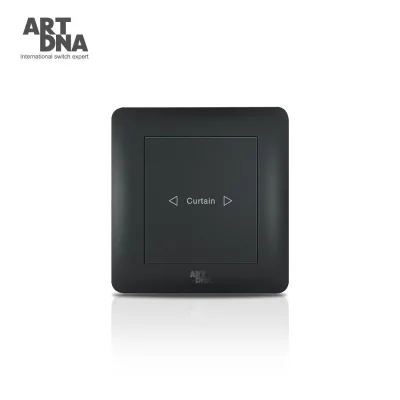

EU Standard PC material Push Button Electrical Curtain Control Wall Switch
$1.16 - $1.19
MOQ: 1000 Pieces


86 Type 1 Gang Curtain Switch for Electric Motor with Black plate Wall Switch
$1.21 - $1.24
MOQ: 1000 Pieces


Home Improvement Electrical Light Wall Switch with Double Control Switch
$0.46 - $0.56
MOQ: 100 Pieces

Comprehensive Sourcing Guide
Wall Curtain Motor Control Switch Sourcing Guide
Sourcing wall-mounted controls for automated curtain systems requires a nuanced understanding of both electrical infrastructure and smart home integration protocols. These devices serve as the primary interface between the user and the motorized track, translating simple tactile inputs or digital commands into precise mechanical movement. For procurement teams, the decision extends beyond basic functionality to include aesthetic integration, installation complexity, and long-term reliability in high-traffic environments such as hotels, villas, and commercial offices. The market offers a diverse array of options, ranging from traditional mechanical switches to advanced capacitive touch panels, each presenting distinct advantages in terms of cost, durability, and user experience.
The procurement landscape is characterized by significant variability in manufacturing origins, material compositions, and certification standards. Buyers must navigate a field where products may originate from major manufacturing hubs like Guangdong and Zhejiang provinces, each with its own supply chain efficiencies and quality control norms. Furthermore, the distinction between standard electrical switches and specialized motor controllers is critical; while some units function as simple on-off mechanisms, others may require specific wiring configurations or compatibility with existing home automation ecosystems. Understanding these technical and commercial nuances is essential for selecting a product that aligns with the specific project requirements, whether for a single residential unit or a large-scale hospitality development.
Product Scope and Observed Listing Signals
The current market listings reveal a wide spectrum of product attributes, indicating that "Wall Curtain Motor Control Switch" is a broad category encompassing various form factors and functionalities. Observed price points range significantly, reflecting differences in material quality, brand positioning, and included features such as customization options. Buyers should note that while some listings highlight basic mechanical switches, others emphasize advanced features like capacitive sensing or specific wiring requirements, such as null line and live line configurations. This diversity suggests that buyers must carefully define their technical requirements before engaging with suppliers, as the term alone does not guarantee compatibility with specific motor types or automation systems.
Listing signals also indicate a strong emphasis on customization and aesthetic flexibility, which is crucial for interior design integration. Many suppliers offer options for custom logos, packaging, and graphic designs, often tied to specific minimum order quantities (MOQs). For instance, customized logos may require an MOQ of 800 units, while graphic customization might start at 1,000 units, and custom packaging could require 3,000 units. Additionally, color options range from standard white and silver to fully customizable palettes, allowing for seamless integration into various interior design schemes. The presence of these customization options suggests that buyers should plan their orders well in advance to accommodate production lead times and MOQ thresholds, particularly for branded or project-specific requirements.
Technical Specifications to Verify
Verifying technical specifications is paramount to ensuring that the selected switch is compatible with the intended curtain motor and electrical infrastructure. Key attributes to confirm include the switch type, such as single or double control, and the contact type, which may vary between mechanical and capacitive designs. For example, some products feature a capacitive principle with an amplifier built-in, suitable for modern touch interfaces, while others rely on traditional mechanical structures. Buyers must also verify the wiring configuration, as some switches require specific connections like null line and live line, which may impact installation complexity and compatibility with existing wiring setups.
Additional technical details such as voltage ratings, protection levels, and physical dimensions are critical for safe and effective installation. Maximum voltage ratings observed in listings include 220V and 250V, which must align with the local electrical standards of the installation site. Protection features, such as insulation and durability ratings, are essential for ensuring long-term reliability, especially in environments with high humidity or frequent use. Furthermore, physical specifications like the switch shape (e.g., rectangle) and standard dimensions (e.g., 118mm72mm or 5234*21 CM for packaging) must be considered to ensure proper fit within wall boxes and aesthetic alignment with other fixtures. Buyers should request detailed technical datasheets to verify these parameters before placing orders.
Compliance and Safety Documentation
Compliance with regional safety standards is non-negotiable for electrical components, and buyers must ensure that all products meet the relevant certification requirements for their target markets. Listings indicate that some products carry ISO certification, which is a baseline for quality management systems, but this does not automatically imply compliance with specific electrical safety standards like CE, RoHS, or UL. Buyers must verify that the supplier can provide valid test reports and certificates from accredited laboratories, particularly for markets with strict regulatory frameworks. The absence of specific certification details in general listings underscores the need for proactive verification during the supplier qualification phase.
In addition to product-level certifications, buyers should inquire about the manufacturing standards and quality control processes employed by the supplier. Products originating from regions like Guangdong and Zhejiang may adhere to different local standards, such as the Italian or British standards mentioned in some listings, which must be cross-referenced with the requirements of the installation location. Buyers should also check for compliance with environmental regulations, such as restrictions on hazardous substances, to ensure that the products are suitable for modern sustainability goals. Requesting documentation for material composition, such as the use of PC/Copper or stainless steel, can also help verify that the products meet safety and durability expectations.
Cost Drivers and Commercial Terms
Understanding the cost drivers associated with wall curtain motor control switches is essential for accurate budgeting and negotiation. Key factors influencing price include the material composition, such as the use of stainless steel or PC/Copper, and the complexity of the internal mechanism, whether mechanical or capacitive. Customization options, including logo printing, graphic design, and packaging, also add to the overall cost, often accompanied by higher MOQs. Buyers should be aware that while base prices may appear competitive, the total cost of ownership can increase significantly with customization and compliance-related expenses.
Commercial terms, including MOQs and payment conditions, vary widely among suppliers and must be carefully negotiated to align with project timelines and cash flow requirements. Observed MOQs range from 10 to 2,000 units, offering flexibility for small-scale projects but potentially limiting options for larger orders. Buyers should also consider the packaging specifications, such as export standard cartons or specific unit counts per carton, as these can impact shipping costs and storage requirements. Clear communication regarding lead times, shipping methods, and after-sales support is crucial to avoid delays and ensure a smooth procurement process.
Supplier Qualification and Quality Control
Supplier qualification is a critical step in mitigating risks associated with electrical components, and buyers should conduct thorough due diligence before finalizing partnerships. This includes verifying the supplier’s manufacturing capabilities, quality control processes, and track record in the industry. Buyers should request samples to evaluate the product’s build quality, functionality, and aesthetic finish, paying close attention to details like the switch’s tactile response and the durability of the materials. Additionally, checking the supplier’s certifications and compliance documentation is essential to ensure that the products meet the required safety and regulatory standards.
Quality control measures should be established early in the procurement process, including pre-production inspections and final random inspections before shipment. Buyers should define clear acceptance criteria based on technical specifications and visual standards, and communicate these expectations to the supplier. Implementing a robust quality assurance plan, which may include third-party inspection services, can help identify and address potential issues before they impact the project. Regular communication and collaboration with the supplier can also foster a partnership that prioritizes quality and continuous improvement.
Long-Term Procurement Checks
Long-term procurement success depends on establishing ongoing relationships with reliable suppliers and implementing continuous improvement strategies. Buyers should regularly review supplier performance metrics, such as on-time delivery rates, product quality consistency, and responsiveness to issues. This data can inform future sourcing decisions and help identify opportunities for cost savings or process improvements. Additionally, staying informed about industry trends and technological advancements can help buyers anticipate changes in product offerings and adjust their sourcing strategies accordingly.
Maintaining a diverse supplier base can also mitigate risks associated with supply chain disruptions and ensure continuity of supply. Buyers should periodically evaluate alternative suppliers and negotiate competitive terms to maintain leverage and secure favorable pricing. Furthermore, fostering open communication with suppliers regarding feedback and suggestions can drive product innovation and enhance the overall value proposition. By adopting a proactive and strategic approach to procurement, buyers can ensure that their Wall Curtain Motor Control Switch sourcing efforts support long-term project success and operational efficiency.
FAQs
What customization options are available for wall curtain motor control switches?
Customization is available for logos, packaging, and graphics with specific minimum order quantities. Buyers can request a customized logo with an MOQ of 800 units, while customized packaging requires 3000 units and graphic customization needs 1000 units. These options allow for tailored branding without altering the core product functionality.
Which certifications do wall curtain motor control switches typically hold?
Many wall curtain motor control switches carry ISO certification to ensure quality management standards. This certification indicates that the manufacturing process adheres to international norms for consistency and reliability. Buyers should verify specific ISO documentation when sourcing products to ensure compliance with their regional safety requirements.
How are wall curtain motor control switches installed on walls?
These switches are designed for wall-mounted installation to provide convenient access and secure placement. The product features a single control switch type and a rectangle shape suitable for standard wall fixtures. Installation typically involves connecting the null line and live line according to the specific wiring requirements of the device.
What materials are used to construct wall curtain motor control switches?
Manufacturers use durable materials such as stainless steel, PC, and copper for construction. Stainless steel provides structural integrity while PC and copper ensure electrical conductivity and insulation. These materials contribute to the product's durability and suitability for various applications including homes, hotels, and apartments.
Can the color of wall curtain motor control switches be customized?
Yes, the color can be customized to match specific interior design requirements or branding needs. While standard options include white and silver, buyers can request other colors subject to minimum order quantities. This flexibility allows for aesthetic integration into diverse environments like villas, lighting systems, and electronics.
What is the maximum voltage rating for these wall curtain motor control switches?
The maximum voltage rating varies by model, with some switches supporting up to 250V and others up to 220V. These ratings ensure safe operation within standard electrical systems for home and commercial use. Buyers must select a model compatible with their local voltage standards to prevent electrical hazards.
Which standards do wall curtain motor control switches comply with?
Products comply with various international standards including Italy Standard and British Standard depending on the model. Compliance ensures that the switches meet specific regional safety and performance criteria. Buyers should confirm the applicable standard for their target market to guarantee regulatory acceptance and safety.