Source Wall Mount Metal Bracket for Automotive, Industrial, and Building uses
Find and compare 30 Wall Mount Metal Bracket options from verified suppliers. Buyers can review specifications like tolerance, material, and customization to select the right bracket for automotive, industrial, or building applications.
Key considerations
Products List


Comprehensive Sourcing Guide
Strategic Sourcing Guide for Wall Mount Metal Brackets
Understanding Product Definitions and Core Variants
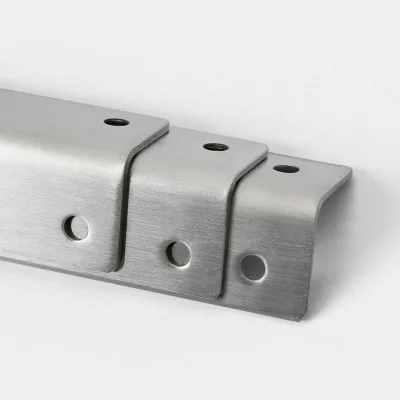
The term "Wall Mount Metal Bracket" encompasses a diverse range of hardware solutions designed to secure equipment, furniture, or structural elements to vertical surfaces. In the B2B procurement landscape, this category is not monolithic; it includes specific sub-types such as rack systems, shelf brackets, TV mounts, and specialized projectors or air conditioner supports. The fundamental distinction lies in the intended application and the mechanical requirements of the load. For instance, a bracket designed for a heavy-duty industrial rack requires different structural integrity compared to a lightweight bracket intended for a modern TV or projector.
When initiating a search, buyers must recognize that product attributes vary significantly based on the specific use case. Some listings describe "Metal Stamping Parts" with a tolerance of +/-0.10mm, indicating a high-precision manufacturing process suitable for automotive or industrial applications where fitment is critical. Conversely, other variants are categorized under "Furniture Hardware Accessories," focusing on aesthetic integration and simple modern styles. The material composition is another primary differentiator. While some brackets are fabricated from general steel, others utilize stainless steel or cold-rolled steel to enhance corrosion resistance, particularly for environments exposed to moisture or outdoor conditions.
The customization landscape is extensive. Many suppliers offer "Customized" designs where the product is manufactured to specific samples or drawings provided by the buyer. This is often denoted as OEM (Original Equipment Manufacturer) or ODM (Original Design Manufacturer) acceptance. The ability to customize the design, surface finish, and dimensions is a critical factor for buyers with unique spatial constraints or branding requirements. For example, a "Simple Modern" style bracket might be available in colorful finishes, while industrial-grade brackets often feature a "Powder Coated Black" finish for durability and a professional appearance.
Technical Specifications and Material Engineering
Selecting the correct technical specifications is the cornerstone of a successful procurement strategy for wall mount metal brackets. The physical properties of the bracket determine its load-bearing capacity, longevity, and suitability for the intended environment. The primary material choices observed in the market include steel, stainless steel, and sheet metal. Stainless steel is frequently specified for applications requiring high resistance to rust and corrosion, such as in humid environments or outdoor installations. Cold-rolled steel is another common choice, offering a balance of strength and formability for general-purpose mounting solutions.
Tolerance levels are a vital technical parameter that buyers must verify. In precision applications, such as those involving automotive components or industrial machinery, a tolerance of +/-0.10mm may be required to ensure proper alignment and fit. However, for general furniture hardware or decorative brackets, standard tolerances may suffice. The structural design also plays a pivotal role; brackets are often engineered in specific geometric configurations, such as triangle brackets, which provide inherent stability and distribute weight efficiently. The angle of the bracket is another specification; some are fixed at a specific angle, while others may be adjustable, though many standard wall mounts are designed as unadjustable units to maximize rigidity.
Surface treatment is equally critical for both aesthetic and functional reasons. Powder coating is a prevalent method, often applied in black or other colors to protect the metal from oxidation and provide a smooth, uniform finish. The thickness of the coating and the quality of the adhesion can significantly impact the bracket's lifespan. Buyers should inquire about the specific surface treatment processes used, such as whether the coating is applied to order or if standard finishes are available. Additionally, the folding mechanism, if applicable, should be noted; some brackets are designed to remain unfolded for permanent installation, while others may have folding capabilities for temporary or space-saving arrangements.
Compliance, Certification, and Safety Standards
Navigating the regulatory landscape is essential for ensuring that wall mount metal brackets meet safety and quality requirements in target markets. Compliance is not merely a formality but a prerequisite for market access and liability protection. Various standards and certifications are associated with these products, ranging from international safety marks to industry-specific requirements. Common certifications observed in the sector include CE, ROHS, and IP66. The CE mark indicates conformity with health, safety, and environmental protection standards for products sold within the European Economic Area. ROHS compliance ensures that the product does not contain specific hazardous substances, which is crucial for electronics and furniture applications.
The IP66 rating is particularly relevant for brackets used in environments where dust and water resistance are necessary. This rating implies that the product is dust-tight and protected against powerful water jets, making it suitable for harsh industrial or outdoor settings. However, not all brackets will carry these certifications; some are manufactured to "customer order or drawings" without specific third-party certifications. In such cases, buyers must verify the supplier's internal quality control processes and request test reports to ensure the product meets the required safety thresholds.
Material standards are also a key area of compliance. The use of specific grades of stainless steel or cold-rolled steel must align with the intended application's durability requirements. For instance, a bracket used in a building or industrial setting must meet specific structural integrity standards. Buyers should verify that the supplier adheres to relevant material standards and that the product documentation clearly states the compliance status. It is important to note that while some products list specific standards, others may rely on custom specifications. In these instances, the buyer must define the necessary standards in the purchase agreement and ensure the supplier has the capability to meet them.
Cost Drivers and Pricing Dynamics
The pricing of wall mount metal brackets is influenced by a complex interplay of factors, including material costs, manufacturing complexity, order volume, and customization requirements. The observed price range in the market is vast, spanning from nominal values to significant sums, reflecting the diversity of product types and quality levels. The primary cost driver is the material used; stainless steel and high-grade cold-rolled steel are generally more expensive than standard steel due to their superior corrosion resistance and strength. The thickness of the metal and the weight of the bracket also directly impact the material cost.
Manufacturing processes play a significant role in pricing. Metal stamping, which involves shaping metal sheets using dies, is a common method for producing these brackets. The complexity of the stamping process, including the number of steps and the precision required, affects the production cost. Customization is another major cost factor. Products designed to specific samples or drawings, or those requiring unique surface treatments like custom powder coating, will incur higher costs compared to standard off-the-shelf items. The level of customization, such as the inclusion of specific features or the use of specialized materials, will further influence the final price.
Order volume is a critical determinant of unit cost. Suppliers often offer tiered pricing structures where the unit price decreases as the order quantity increases. The Minimum Order Quantity (MOQ) can vary widely, ranging from as low as 1 unit to as high as 5000 units. For buyers with smaller volume requirements, the unit cost may be higher due to the setup costs associated with production runs. Conversely, large-volume orders can benefit from economies of scale, resulting in lower per-unit costs. Lead time is also a factor; expedited production or rush orders may incur additional charges. Buyers should carefully evaluate their volume needs and negotiate pricing terms that align with their budget and timeline constraints.
Typical Applications and Industry Use Cases
Wall mount metal brackets serve a wide array of applications across various industries, from residential and commercial furniture to heavy-duty industrial and automotive sectors. The versatility of these products makes them a staple in modern infrastructure and design. In the furniture industry, brackets are commonly used to support shelves, wall-mounted units, and TV stands. The "Simple Modern" style and "Colorful" finishes cater to aesthetic preferences in residential and commercial spaces, ensuring that the hardware complements the overall design. These brackets are often designed for "Air Conditioner Bracket, Shelf Bracket, TV Bracket, Wall Bracket, Projector Bracket" applications, highlighting their adaptability to different mounting needs.
In the industrial sector, the focus shifts to durability and load-bearing capacity. Metal stamping parts with high precision tolerances are essential for automotive and industrial machinery applications. These brackets must withstand significant stress and vibration, requiring robust construction and high-quality materials. The "Triangle Bracket" structure is frequently employed in these scenarios due to its superior stability. Additionally, brackets used in building construction must meet strict safety standards and often require certifications like CE or IP66 to ensure they can withstand environmental challenges.
The automotive industry also relies on specialized metal brackets for various components. These parts often require custom designs to fit specific vehicle models and must adhere to stringent quality standards. The ability to customize the design to samples or drawings is crucial in this sector, as each vehicle may have unique mounting requirements. Furthermore, the "OEM" and "ODM" capabilities of suppliers allow for the production of brackets that are tailored to the specific needs of automotive manufacturers. Whether for light-duty furniture or heavy-duty industrial use, the selection of the appropriate bracket depends on the specific application requirements, including load, environment, and aesthetic considerations.
Supplier Evaluation and Quality Assurance Protocols
Evaluating suppliers for wall mount metal brackets requires a thorough assessment of their capabilities, quality control measures, and track record. Buyers should prioritize suppliers who demonstrate a clear understanding of the technical specifications and compliance requirements relevant to their industry. The ability to provide samples is a key indicator of a supplier's confidence in their product quality. Many suppliers offer sample services, allowing buyers to physically inspect the product before committing to a larger order. This step is crucial for verifying the material quality, surface finish, and overall workmanship.
Quality control processes should be a central part of the supplier evaluation. Buyers should inquire about the supplier's internal quality assurance protocols, including inspection methods and testing procedures. For products with specific tolerances, such as +/-0.10mm, the supplier must have the necessary equipment and expertise to maintain these standards consistently. The use of advanced manufacturing technologies, such as precision metal stamping, can enhance the quality and consistency of the brackets. Additionally, suppliers should be able to provide documentation regarding their quality control processes, including inspection reports and test results.
Packaging and logistics are also important considerations in supplier evaluation. The method of packaging can significantly impact the condition of the brackets upon arrival. Common packaging methods include cartons, wooden cases, and pallets, which provide protection during transit. Buyers should ensure that the packaging is robust enough to prevent damage, especially for large or heavy orders. The supplier's ability to meet lead times and delivery schedules is another critical factor. A reliable supplier should be able to provide accurate lead time estimates and adhere to them consistently. Finally, the supplier's location and origin, such as Zhejiang or Guangdong in China, can influence shipping costs and lead times, so buyers should consider these factors when selecting a partner.
Long-Term Procurement and Relationship Management
Establishing a long-term relationship with a reliable supplier is essential for the sustained success of procurement strategies involving wall mount metal brackets. Beyond the initial purchase, buyers should focus on building a partnership that ensures consistent quality, competitive pricing, and reliable delivery. This involves regular communication and collaboration to address any issues that may arise and to explore opportunities for improvement. Suppliers who are willing to work closely with buyers to customize products and adapt to changing requirements are valuable partners in the long run.
Sustainability and environmental responsibility are increasingly important factors in supplier selection. Buyers should consider the environmental impact of the materials and manufacturing processes used by their suppliers. Suppliers who adhere to standards like ROHS and use eco-friendly materials can help buyers meet their own sustainability goals. Additionally, the ability of suppliers to innovate and introduce new technologies or designs can provide a competitive advantage in the market. Buyers should look for suppliers who are proactive in developing new solutions and improving their product offerings.
Risk management is another critical aspect of long-term procurement. Buyers should develop contingency plans to mitigate potential disruptions in the supply chain, such as raw material shortages or production delays. Diversifying the supplier base can help reduce dependency on a single source and ensure continuity of supply. Regular audits and performance reviews can help identify areas for improvement and ensure that suppliers continue to meet the required standards. By fostering a collaborative and transparent relationship with suppliers, buyers can build a resilient supply chain that supports their long-term business objectives.
FAQs
Can wall mount metal brackets be customized to specific drawings?
Yes, customization is available to match specific samples or drawings provided by the buyer. Many suppliers accept OEM and ODM requests, allowing for unique designs in styles like simple modern or industrial applications.
What materials are commonly used for these brackets?
Common materials include steel, stainless steel, and sheet metal. Stainless steel is often chosen for corrosion resistance, while cold-rolled steel provides strength for general industrial and building applications.
Which certifications do these brackets typically meet?
Some brackets meet standards such as CE, ROHS, and IP66 for safety and environmental protection. Others are manufactured to customer orders without specific third-party certifications, requiring verification of internal quality control.
How precise are the manufacturing tolerances for these parts?
Precision metal stamping parts often feature a tolerance of plus or minus 0.10mm. This level of accuracy is suitable for automotive and industrial applications where fitment is critical for proper function.
What is the typical lead time for production?
The standard lead time is approximately 30 days for production. This duration may vary based on order volume, customization requirements, and the specific manufacturing capacity of the selected supplier.
How are the brackets packaged for shipping?
Brackets are typically packed in cartons, which are then placed on pallets. Some orders may also include wooden cases or wooden boxes for added protection during international transit.