Source High Voltage Ball Clevis for Pole Installation, Cable Support, and Signal Transmission
Compare 30 High Voltage Ball Clevis options from Chinese manufacturers for pole installation, cable support, and electrical signal transmission. These fittings feature hot-dip galvanization, stainless steel or aluminum alloy construction, and customizable models to meet diverse grid requirements.
Key considerations
Products List


High Quality Ball Clevis Product
$1.00 - $5.00
MOQ: 1000 Pieces
Songguang (Hebei) Electric Power Equipment Manufacturing Co., Ltd

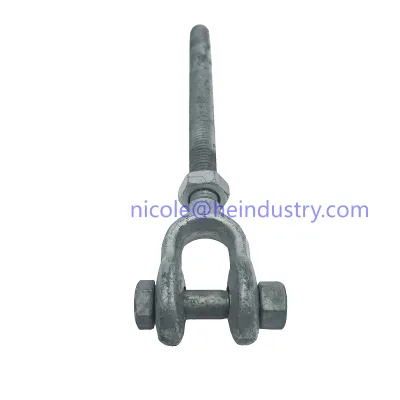
Y Type Ball Clevis for Electric Power Fitting
$1.00 - $5.00
MOQ: 1000 Pieces
Songguang (Hebei) Electric Power Equipment Manufacturing Co., Ltd





1000A Ball Shape Tulip Contact Electrical Contacts for High Voltage Equipment
$20.00 - $23.00
MOQ: 1 Pieces

Comprehensive Sourcing Guide
Strategic Sourcing Guide for High Voltage Ball Clevis Components
Understanding Product Classification and Technical Attributes
When sourcing High Voltage Ball Clevis components, buyers must first distinguish between the specific nomenclature used in the global market and the technical reality of the supply chain. The core keyword "High Voltage Ball Clevis" often encompasses a broader category of line fittings, including pull-line fittings and link fittings, which serve as the critical mechanical interface in transmission infrastructure. Based on available market data, these components are frequently categorized under "Line Fittings" with a primary function of "Cable Support" and a specific purpose of "Pole Installation." It is essential to recognize that while the term "ball clevis" implies a specific ball-and-socket geometry, the actual product listings often reveal a diverse range of models, such as the DQ-7U, DQ-16AU, and D0559, alongside generic model identifiers like "Socket Eye" or "70-240kn."
The technical architecture of these fittings relies heavily on the material composition and surface treatment processes. The observed market data indicates a prevalence of Stainless Steel, Aluminum Alloy, and Low Carbon Steel as the primary materials. For high-voltage applications, the choice of material is not merely a preference but a safety requirement. The surface treatment is equally critical; the data points to "Galvanized" and "Hot-DIP Galvanized" (HDG) as the dominant finishing processes. This galvanization is often cited as meeting ISO standards, ensuring resistance against corrosion in harsh environmental conditions. Buyers should verify that the specific "Galvanization Type" matches the environmental exposure of the installation site, as the difference between standard galvanization and hot-dip galvanization can significantly impact the longevity of the component. The observed color variations, ranging from "Silver" to "Sliver White," are visual indicators of the underlying metal and coating quality, but they should not be the sole determinant of material authenticity.
Compliance, Standards, and Certification Verification
In the high-voltage sector, compliance is not optional; it is the foundation of operational safety. When evaluating potential suppliers, procurement teams must rigorously check for adherence to recognized international and national standards. The supplied product information highlights several specific standards that buyers should look for in documentation, including IEC standards, GB (Guobiao), DIN, and ANSI. These standards govern the mechanical strength, dimensional tolerances, and performance characteristics of the fittings. For instance, one data point explicitly mentions "IEC standard" alongside "Hot DIP Galvaniztion," suggesting a correlation between the electrical standard and the protective coating process.
However, buyers must exercise caution when interpreting "Customazation" or "Customize" listed as a standard. In many contexts, this indicates that the supplier offers bespoke manufacturing capabilities rather than a specific regulatory certification. A legitimate high-voltage component should carry verifiable certification marks corresponding to the specific standard it claims to meet. The data mentions a "Galvanization Standard: ISO," which is a positive indicator, but buyers should request the specific ISO standard number (e.g., ISO 1461) to ensure the coating thickness and adhesion meet the required specifications. Furthermore, the "Standard: SOCKET EYE" entry suggests that some listings may conflate the product type with the standard name. Procurement teams must verify that the product documentation explicitly references the relevant electrical or mechanical standard (such as IEC 61952 for suspension clamps or equivalent clevis standards) rather than just the product name.
Cost Drivers and Pricing Dynamics
The pricing structure for High Voltage Ball Clevis components is influenced by a complex interplay of material costs, manufacturing complexity, and logistical factors. The observed price range in the market spans from $0.20 to $65.00 USD. This wide variance is not indicative of quality differences alone but reflects the diversity of the product line, ranging from small, low-load link fittings to heavy-duty, high-voltage clevis assemblies. The lower end of the price spectrum likely corresponds to standard, off-the-shelf components made from common materials like low carbon steel with standard galvanization. The higher end of the range typically accounts for specialized models, such as those with specific voltage ratings or custom dimensions, which may utilize higher-grade stainless steel or aluminum alloys.
Material composition is a primary cost driver. Aluminum alloy and stainless steel components generally command a premium over low carbon steel due to the raw material costs and the additional processing required to maintain their structural integrity. The manufacturing process also plays a significant role; Hot-DIP Galvanization (HDG) is more expensive than standard galvanization due to the energy-intensive dipping process, but it offers superior corrosion resistance, which is critical for high-voltage applications. Additionally, the "Minimum Damage Strength" of the components, observed in the range of 70kn to 300kn, directly correlates with the amount of steel or alloy required, thereby influencing the unit price. Buyers should not assume that a lower price equates to a better deal; instead, they must analyze the total cost of ownership, including the expected lifespan, which is often cited as "Over Than 10 Years" for properly galvanized units.
Typical Applications and Operational Context
High Voltage Ball Clevis components are integral to the stability and safety of electrical transmission and distribution networks. The primary application identified in the market data is "Transmission of Electrical Signals," though this is technically a function of the insulators and conductors they support. The fittings themselves serve as the mechanical link, ensuring that the weight of the conductors is properly transferred to the tower or pole structure. The data specifies "Ball & Socket Type Insulators" as a key application area, indicating that these clevises are designed to work in conjunction with insulator strings to allow for necessary angular movement while maintaining electrical isolation.
The installation method is another critical factor in application suitability. The product attributes list "Manually Installed" as a common method, suggesting that these components are designed for field assembly by technicians. However, the complexity of the installation can vary based on the specific model and the voltage class. The "Purpose: Pole Installation" confirms their use in distribution networks, while the high strength ratings (up to 300kn) suggest suitability for major transmission lines. Buyers must ensure that the selected clevis is compatible with the specific insulator type and the mechanical load requirements of the specific line section. The "Connection: Male" attribute highlights the directional nature of the fitting, which must be correctly oriented during installation to ensure proper engagement with the ball end of the insulator or the clevis of the adjacent component.
Supplier Evaluation and Geographic Considerations
Evaluating suppliers for high voltage components requires a deep dive into their geographic origins and manufacturing capabilities. The market data indicates that the majority of these products originate from China, with specific hubs identified in Hebei, Shandong, and Qingdao. These regions are known for their robust manufacturing ecosystems in the steel and hardware sectors. However, the presence of a location does not guarantee quality; it is the supplier's adherence to standards and their production capacity that matter. The "Lead Time: 30 Days" observed in the data provides a baseline for planning, but buyers should verify if this applies to standard stock items or custom orders, as customization can extend lead times significantly.
When assessing suppliers, buyers should look for evidence of "Customization" capabilities, as this indicates a flexible manufacturing process capable of meeting specific project requirements. The "Samples: Free" attribute is a positive sign of supplier confidence and willingness to engage in the evaluation process. However, the availability of free samples should not be the sole criterion for selection. Buyers must also consider the "Trade Terms" offered, such as FOB, CFR, and CIF, which impact the logistics and risk management of the procurement. A supplier offering CIF (Cost, Insurance, and Freight) may provide more convenience for international buyers, while FOB (Free on Board) offers more control over the shipping process but requires greater logistical coordination. The "Warranty: 12 Months" is a standard offering, but for high-voltage applications, buyers should negotiate extended warranties or performance guarantees that align with the "Over Than 10 Years" life expectancy of the product.
Quality Control and Long-Term Procurement Strategy
Ensuring the quality of High Voltage Ball Clevis components is paramount to preventing catastrophic failures in the power grid. Quality control measures should begin at the raw material stage, verifying that the "Low Carbon Steel," "Stainless Steel," or "Aluminum Alloy" meets the specified chemical composition and mechanical properties. The surface treatment process, particularly "Hot-DIP Galvanization," must be rigorously inspected for coating thickness and uniformity. The "Galvanization Standard: ISO" mentioned in the data should be verified against the specific project requirements, as different environments may demand different coating thicknesses.
For long-term procurement, buyers should adopt a strategy that prioritizes consistency and traceability. The "Standard Exportation Carton" and "Woven Bags / Cartons / Pallets" packaging options suggest that suppliers are aware of the need for secure transport, but buyers should specify packaging requirements to prevent damage during transit. The "Minimum Damage Strength" range of 70kn to 300kn should be validated through third-party testing for each batch, especially for custom orders. Additionally, the "Life: Over Than 10 Years" claim should be supported by accelerated aging tests or historical performance data from the supplier.
Buyers should also consider the "Customization" aspect as a long-term strategy. As grid requirements evolve, the ability to source fittings with specific dimensions or strength ratings becomes increasingly valuable. Establishing a relationship with a supplier that offers robust customization services can reduce the risk of obsolescence and ensure a steady supply of components that meet future project needs. Finally, maintaining a clear record of all specifications, standards, and test results for each procurement batch is essential for compliance audits and future maintenance planning. By focusing on these quality control and strategic elements, buyers can secure a reliable supply of High Voltage Ball Clevis components that ensure the safety and efficiency of their electrical infrastructure.
Comparative Analysis of Product Specifications
To facilitate a clearer understanding of the variations available in the market, the following table summarizes the key attributes observed in the product listings. This comparison helps buyers identify the specific characteristics that align with their project requirements.
| Attribute Category | Observed Variations | Key Considerations for Buyers |
|---|---|---|
| Material | Stainless Steel, Aluminum Alloy, Low Carbon Steel, Steel | Verify material grade against corrosion and load requirements. |
| Surface Treatment | Galvanized, Hot-DIP Galvanized (HDG), Galvanized Sheet | HDG is preferred for harsh environments; verify ISO coating standards. |
| Model/Type | DQ-7U, DQ-16AU, D0559, Socket Eye, 120KN, 70-240kn | Match model number to specific mechanical load and voltage class. |
| Strength Rating | 70kn-300kn (Minimum Damage Strength), 120kn | Ensure rating exceeds the maximum expected line tension. |
| Origin | China (Hebei, Shandong, Qingdao) | Verify supplier location for logistics and potential trade barriers. |
| Standards | IEC, GB, DIN, ANSI, ISO | Request specific standard documentation for compliance verification. |
| Packaging | Standard Export Carton, Woven Bags, Ply-Wood Case | Specify packaging to prevent damage during international shipping. |
| Lead Time | 30 Days (Standard) | Confirm lead time for custom orders vs. stock items. |
This structured approach to comparing specifications ensures that buyers can make informed decisions based on the actual data available, rather than relying on generic marketing claims. By cross-referencing these attributes with project-specific needs, procurement teams can optimize their sourcing strategies for High Voltage Ball Clevis components.
FAQs
What materials are used for High Voltage Ball Clevis fittings?
These fittings are commonly made from stainless steel, aluminum alloy, or low carbon steel. The choice depends on the required strength and corrosion resistance for the specific transmission line environment.
How are these fittings protected against corrosion?
The standard protection method is hot-dip galvanization, often referred to as HDG. This process meets ISO standards to ensure long-term durability and resistance to harsh weather conditions.
Which standards do these line fittings typically meet?
Products often comply with IEC, GB, DIN, and ANSI standards. Some listings also reference specific product standards like Socket Eye or customization requirements for unique project needs.
Can suppliers provide free samples for evaluation?
Yes, many suppliers offer free samples to allow buyers to verify quality before placing a bulk order. This helps in assessing the material and surface treatment before committing to a larger purchase.
What is the typical lead time for these components?
The standard lead time is approximately 30 days for production and delivery. This duration may vary depending on the order size, customization requirements, and current factory capacity.
Which models are available for high voltage applications?
Available models include DQ-7U, DQ-16AU, D0559, and Socket Eye variants. Specific strength ratings range from 70kn to 300kn to match different load requirements.
How long do these fittings typically last in service?
Properly galvanized fittings are designed to last over ten years in service. This lifespan is achieved through robust materials and protective coatings that resist environmental degradation.