Source Washing Machine Water Cup for RO Systems, Household, and Parts
Explore 30 verified listings for the Washing Machine Water Cup, comparing features like activated carbon filtration, CE certification, and durable rubber construction. Buyers can evaluate specifications for RO systems and general household washing machines to find suitable components.
Key considerations
Products List


High Quality Washing Machine Rubber Bowl Rubber Cup for Washing Machine Parts
$0.30 - $0.50
MOQ: 500 Pieces
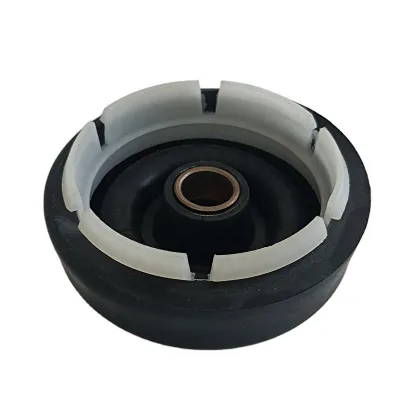
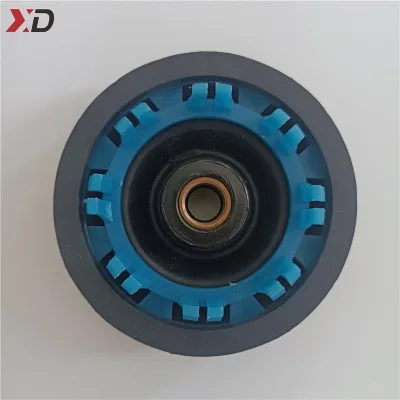
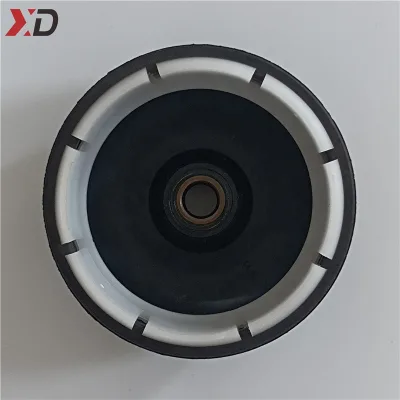
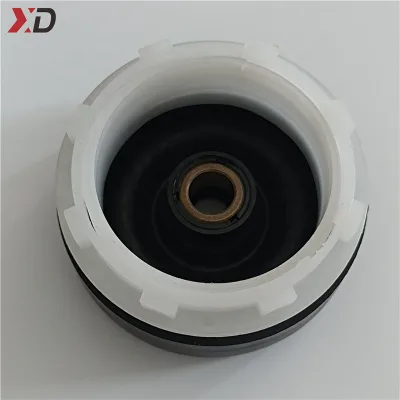
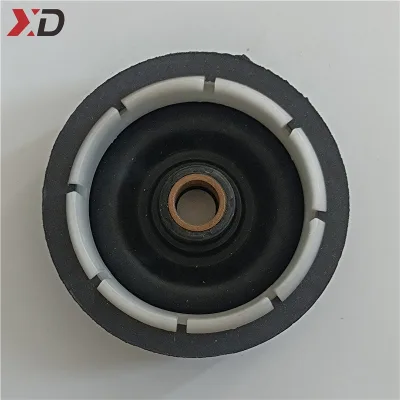
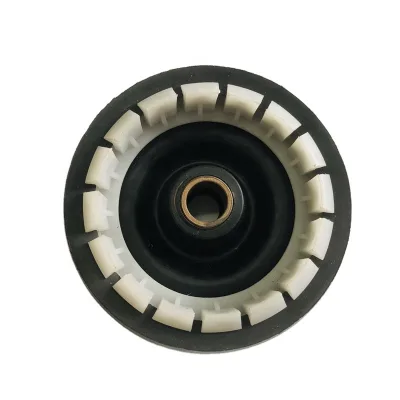
Original Top Selling Twin-tub Washing Machine Rubber Parts Washing Machine Leather Cup
$0.31 - $0.51
MOQ: 500 Minimum


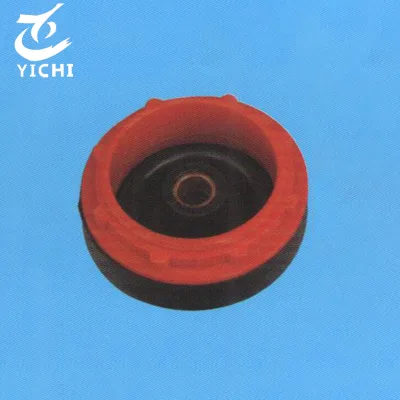
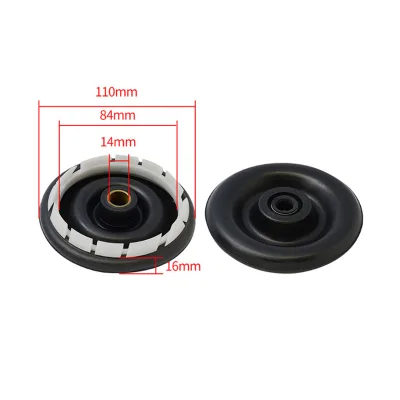


Hot Sales Washing Machine Rubber Cup Rubber Bowl for Washing Machine Parts
$0.30 - $0.50
MOQ: 500 Pieces


Comprehensive Sourcing Guide
Strategic Sourcing Guide for Washing Machine Water Cup Components
Navigating the global market for washing machine water cups requires a disciplined approach that distinguishes between generic plastic components and specialized parts designed for specific filtration or mechanical integration. The term "Washing Machine Water Cup" often appears in supplier catalogs with varying degrees of technical specificity, ranging from simple reservoirs to integrated filtration units. For procurement professionals, the primary challenge lies in filtering through inconsistent product descriptions to identify components that meet rigorous operational standards. This guide synthesizes available market data to provide a framework for evaluating suppliers, verifying technical specifications, and ensuring long-term supply chain stability without relying on unverified claims.
Technical Specifications and Material Composition
The foundational step in sourcing any mechanical component is a deep dive into material composition and physical dimensions. In the current market, products labeled as washing machine water cups or related filtration accessories exhibit significant variation in their construction. A critical observation from current listings indicates that materials frequently cited include rubber, plastic, and combinations thereof, such as "rubber+plastic." This suggests that the component may serve a dual purpose, acting as both a structural cup and a sealing or gasket element within the machine's water flow system.
When evaluating product listings, buyers must scrutinize the specific model numbers provided, as these often dictate the compatibility with existing machinery. For instance, models such as "XD-RB10," "XD-RB01," and "XQB65-Q76331" represent distinct design iterations. The presence of model numbers like "NW-SHW1" alongside "SX1423" further highlights the fragmented nature of the market, where a single generic keyword yields products intended for entirely different applications, including RO systems or general household filtration.
Dimensions are equally critical. While some listings specify a "5 Inch" size, others provide no dimensional data, relying instead on the term "Packaging Suitable for Shipping." This ambiguity necessitates a strict requirement for suppliers to provide detailed engineering drawings or CAD files before order placement. The operating environment of a washing machine involves exposure to water, detergents, and mechanical vibration. Therefore, the material must be resistant to degradation. Listings mentioning "Activated Carbon" as a working principle suggest that some "water cups" are actually filtration housings or cartridges. Buyers must verify if the component is a passive container or an active filtration unit, as the latter requires specific media compatibility checks.
Compliance, Certification, and Regulatory Standards
Regulatory compliance is a non-negotiable aspect of B2B procurement, particularly for products that interact with water and electricity. The market data indicates that several products carry CE and RoHS certifications. These are standard requirements for electronic and mechanical components sold in the European Union and other regulated markets. The CE mark confirms conformity with health, safety, and environmental protection standards, while RoHS (Restriction of Hazardous Substances) ensures that the product does not contain specific hazardous materials like lead or mercury.
However, the presence of these certifications in a listing does not automatically guarantee that every unit in a shipment meets these standards. Procurement teams must treat certifications as supplier claims that require independent verification. Some listings reference "rubber and plastic" as a standard, which is a material classification rather than a regulatory certification. This distinction is vital; a product can be made of rubber and plastic without being compliant with RoHS if the specific rubber compounds used contain restricted substances.
Buyers should also be aware of the "Plastic" standard mentioned in certain contexts. This is a broad material category and does not imply a specific safety rating. When sourcing for international markets, it is prudent to request a copy of the actual test reports from a recognized third-party laboratory. The origin of the products, frequently listed as "Zhejiang, China," or simply "China," places the supply chain within a major manufacturing hub. While this region is known for high-volume production, it also necessitates rigorous due diligence to ensure that the claimed certifications are valid and not merely marketing assertions.
Cost Drivers and Pricing Structures
Understanding the cost structure of washing machine water cups is essential for budgeting and negotiation. The observed price range in the market spans from $0.10 to $800.00 USD. This extreme variance is not indicative of a single product type but rather reflects the diversity of the category, which includes simple rubber gaskets to complex filtration assemblies. A price point near the lower end likely corresponds to basic rubber or plastic components with minimal processing, while the upper end may include integrated units with advanced features like activated carbon filtration or custom branding.
Several factors drive these costs. First, the level of customization available is a significant variable. Listings explicitly state that "Customization" is available, which can include logo printing via laser, custom packaging, or tailored dimensions. Customization inherently increases the unit cost and often requires a higher Minimum Order Quantity (MOQ). The observed MOQ range is equally wide, spanning from 1 to 5,000 units. Suppliers offering low MOQs of 1 or 500 pieces may charge a premium per unit to cover setup costs, whereas bulk orders of 5,000 units typically benefit from economies of scale.
Additionally, the complexity of the production process affects pricing. Products requiring specific voltage customization or those designed for "brand new" conditions with extended warranties may command higher prices. The "Selling Units" being listed as "Single item" suggests that some suppliers cater to small-scale repairs or prototyping, while others focus on mass production. Buyers should analyze the total cost of ownership, including shipping, which is influenced by the packaging type (e.g., "Carton" vs. "Corrugated Box") and the density of the product.
Typical Applications and Functional Versatility
The functional application of these components varies widely, often leading to confusion in product categorization. While the core keyword is "Washing Machine Water Cup," the data reveals that these parts are also utilized in RO (Reverse Osmosis) systems and general household filtration. The "Usage" field in product listings explicitly mentions "RO System," "washing machines," and "Household" applications. This overlap means that a component designed for a washing machine might be physically similar to one used in a water purifier, but the internal specifications, such as pressure ratings or filtration media, could differ significantly.
Some products are marketed specifically as "Washing Machine Parts" with features like "Easy Installation" and "High Quality." These components are often integral to the water inlet or outlet mechanisms, serving as connectors or reservoirs. The "Working Principle" of "Activated Carbon" indicates that certain units are designed to filter impurities from the water before it enters the washing drum, enhancing the cleaning process and protecting the machine's internal components from scale buildup. The "Descaling Function" mentioned in some listings further supports the idea that these cups are part of a maintenance or filtration system.
Buyers must align the product's intended application with their specific machine requirements. A cup designed for a cold water system may not be suitable for a hot water application, especially if the material properties (such as rubber or plastic) are not rated for higher temperatures. The "Water Temperature" attribute listed as "Cold" is a critical constraint that must be verified against the washing machine's operational parameters. Using a component outside its specified temperature range can lead to premature failure, leaks, or safety hazards.
Supplier Evaluation and Verification Protocols
Evaluating suppliers for washing machine water cups requires a methodical approach to verify their capabilities and reliability. The market data shows a concentration of suppliers originating from Zhejiang, China, a region known for its manufacturing density. However, the presence of a location does not equate to quality. Buyers should prioritize suppliers who provide transparent information regarding their production standards and after-sales support.
Key indicators of a reliable supplier include the provision of "Free spare parts" as part of the after-sales service, which suggests confidence in product durability. Additionally, the availability of "Laser Printing" for logos indicates that the supplier has the capability for branding and customization, a valuable asset for private-label buyers. The "Condition" of the product being "brand new" is a basic expectation, but suppliers who explicitly state this demonstrate attention to detail.
Payment terms are another area for scrutiny. The standard "T/T" (Telegraphic Transfer) is common, but buyers should negotiate terms that protect their interests, such as partial payments upon shipment inspection. The "Warranty" period, often listed as "1 Year," should be clearly defined in the contract, including the scope of coverage and the process for claiming replacements. Suppliers who offer a warranty are generally more invested in the long-term performance of their products.
Quality Control and Long-Term Procurement Considerations
Ensuring consistent quality is paramount in B2B procurement. Given the wide range of materials and specifications, a robust quality control (QC) plan is essential. Buyers should implement a pre-shipment inspection protocol that verifies material composition, dimensional accuracy, and functional performance. For components involving rubber and plastic, testing for tensile strength and chemical resistance is advisable. If the product includes activated carbon, the filtration efficiency and carbon quality must be validated.
Long-term procurement considerations involve establishing a relationship with a supplier that can scale with demand. The observed MOQ of up to 5,000 units suggests that suppliers are capable of handling large orders, but buyers must ensure that the supply chain remains stable during peak seasons. The "Packing" methods, such as "standard carton" or "Color Box," should be evaluated for their ability to protect the product during transit. Corrugated boxes are generally preferred for heavy or fragile items, while color boxes may be used for retail-ready products.
Furthermore, buyers should consider the "Operating Language" of the supplier's documentation. English-language support is listed in some contexts, which facilitates clearer communication and reduces the risk of errors in order specifications. Finally, the "Voltage" being "Customized" implies that electrical components may be integrated into some water cup designs. In such cases, verifying the electrical safety standards and compatibility with the local power grid is critical to prevent equipment damage.
Comparative Analysis of Product Attributes
To facilitate decision-making, the following table summarizes key attributes observed in the market for washing machine water cups and related components. This comparison helps buyers quickly identify products that align with their specific technical and operational requirements.
| Attribute Category | Observed Variations | Key Verification Points |
|---|---|---|
| Material | Rubber, Plastic, Rubber+Plastic | Verify chemical resistance and temperature tolerance. |
| Certification | CE, RoHS | Request third-party test reports for validation. |
| Function | Filtration (Activated Carbon), Descaling, Reservoir | Confirm compatibility with machine water flow system. |
| Dimensions | 5 Inch (specific), Others unspecified | Require CAD drawings for precise fitment. |
| Customization | Logo (Laser), Color, Voltage | Assess impact on MOQ and unit cost. |
| Origin | Zhejiang, China | Verify factory audit status and export history. |
| Warranty | 1 Year (standard) | Define terms for spare parts and replacement. |
| Packaging | Carton, Corrugated Box, Color Box | Ensure protection against shipping damage. |
In conclusion, sourcing washing machine water cups requires a balance of technical due diligence and strategic supplier selection. By focusing on verified specifications, understanding the true cost drivers, and implementing rigorous quality control measures, procurement professionals can secure a reliable supply of high-quality components. The market offers a wide array of options, but success lies in filtering out generic listings to find products that meet the exacting standards of modern washing machine manufacturing.
FAQs
What materials are used for washing machine water cups?
These cups are typically constructed from rubber, plastic, or a combination of rubber and plastic. This material selection ensures durability and resistance to water and detergent exposure within the washing machine system.
Which certifications should I look for in these components?
Look for products that explicitly list CE and RoHS certifications to ensure compliance with safety and environmental standards. These marks indicate the product meets specific regulatory requirements for hazardous substances and general safety.
Can I customize the logo or packaging for these cups?
Yes, customization is available for features like laser printing of logos and specific packaging types such as color boxes or cartons. Buyers should confirm the minimum order quantity required to activate these custom options.
What is the typical price range for washing machine water cups?
The observed price range spans from 0.1 to 800 USD depending on the specific model and features. Basic rubber components are priced lower, while units with activated carbon filtration or custom specifications command higher prices.
How do I verify the working principle of a filtration cup?
Check if the product description specifies a working principle like activated carbon for filtration or indicates a simple mechanical function. Some listings also mention a descaling function, which requires verification against your specific machine needs.
What is the minimum order quantity for these parts?
The minimum order quantity varies significantly, ranging from 1 unit for single items up to 5000 units for bulk orders. Specific listings may require 500 pieces for customized orders, so confirm the MOQ before purchasing.
Where are these washing machine parts typically manufactured?
Most products originate from Zhejiang, China, which is a major manufacturing hub for these components. Buyers should verify the specific origin listed on the product page to ensure it matches their sourcing requirements.