Source Washing Machine Tripod for Commercial, Household, and Industrial Use
Compare 30 verified Washing Machine Tripod listings from Chinese manufacturers. Buyers can evaluate specifications, pricing, and customization options for commercial laundry, household washing, and general appliance repair applications.
Key considerations
Products List


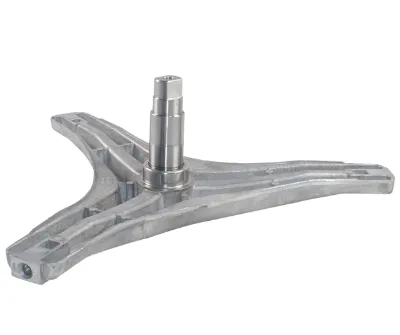


Washing Machine Accessories Mfs50-Es1002-A0712-302 Washing Machine Tripod
$5.00 - $9.00
MOQ: 200 Pieces


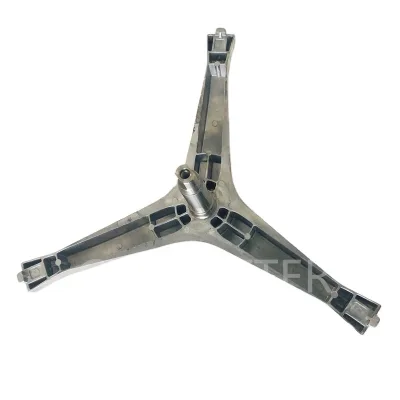
DC97-15184A Washing Machine Tripod Washing Machine Drum Tripod Washing Machine
$6.18 - $7.73
MOQ: 150 Minimum
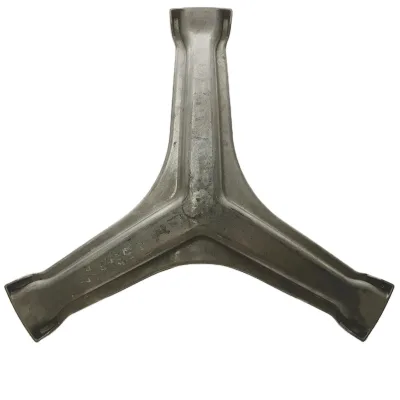
A02829201Aluminum Die Casting Electrolux Washing Machine Tripod for Drum Spider
$5.00 - $8.00
MOQ: 300 Minimum
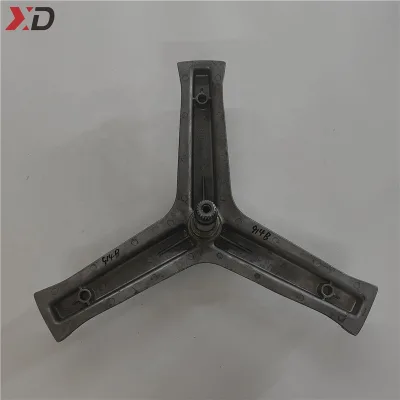
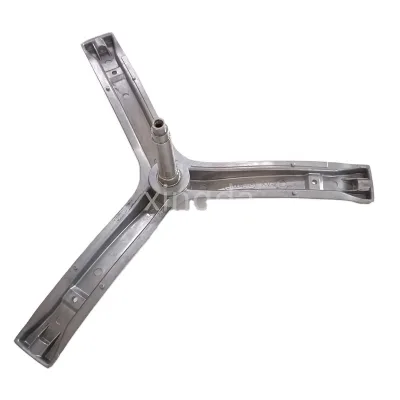
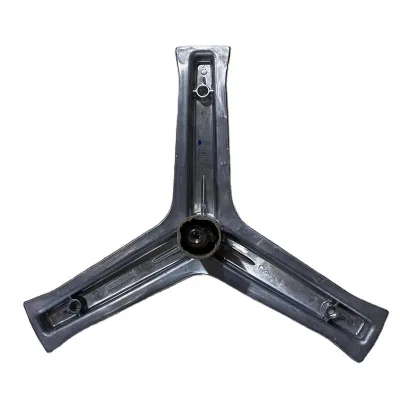
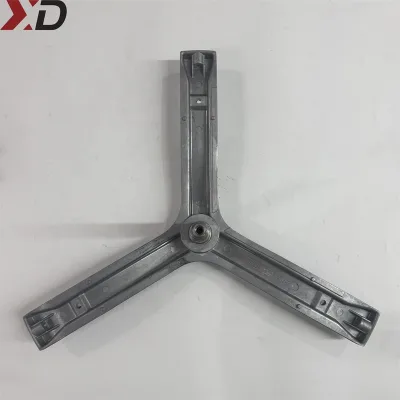


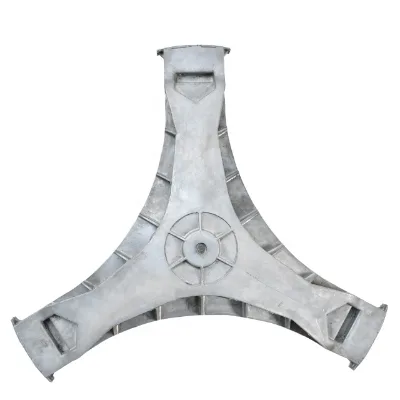
DC97-16509C Washing Machine Tripod Parts for SAM-SUNG Washing Machine
$20.68 - $25.85
MOQ: 2000 pieces


Original Aluminum Metal Tripod Applicable Drum Spider for Washing Machine
$8.00 - $12.00
MOQ: 500 Pieces

Durable DC97-19266A Tripod Parts for Washing Machines Essential Washing Machine Parts
$10.00 - $12.00
MOQ: 10000 Pieces
Comprehensive Sourcing Guide
Strategic Sourcing Guide for Washing Machine Tripods
Understanding the Product Category and Technical Specifications
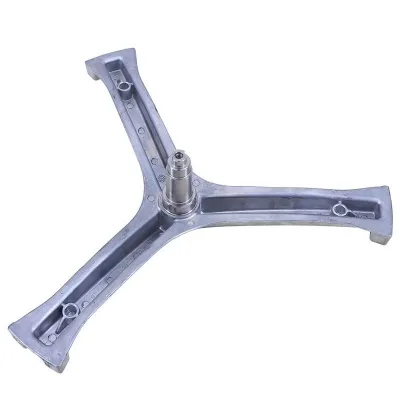
The Washing Machine Tripod is a critical mechanical component designed to stabilize the drum during high-speed spin cycles, effectively absorbing vibration and preventing structural damage to the appliance. In the B2B procurement landscape, this component is frequently categorized under washing machine electronic parts or general mechanical assemblies, depending on the specific integration requirements. The product is engineered for universal compatibility, making it a versatile solution for both commercial laundry operations and household washing machines. Buyers must recognize that while the core function remains consistent, the physical and material specifications vary significantly based on the target appliance model.
Technical documentation indicates that these tripods are constructed using high-quality materials, specifically metal, with some variants featuring an aluminum-covered copper foil layer. This material composition is essential for balancing weight, durability, and electrical conductivity where required. The single package dimensions for these units typically measure around 48x13x7 cm, with a single gross weight of approximately 0.76 kg, which are critical metrics for logistics planning and freight cost estimation. The product is available in a standard gray color and is designed for DIY installation, simplifying the assembly process for manufacturers and repair technicians.
The market offers a diverse range of model numbers to accommodate different machine architectures. Specific model identifiers observed in the supply chain include DC97-11292A, DC97-14370, DC97-15184A, MFS80-ES1417-B0242E-302, MFS50-ES1002-A0712-302, MHW34308901, MHW34308907, and WTS91021. Procurement teams must cross-reference these specific alphanumeric codes against their Bill of Materials (BOM) to ensure exact fitment. The product is often marketed as a "spider drum" or "washing machine electronic parts" depending on the supplier's categorization strategy, but the functional role is strictly mechanical stabilization.
Compliance, Certification, and Regulatory Standards
When sourcing washing machine tripods, verifying compliance with international standards is paramount to ensure product safety and market accessibility. The supply chain data indicates that certain products adhere to the CE standard, which is a mandatory conformity marking for products sold within the European Economic Area. This certification suggests that the product meets EU safety, health, and environmental protection requirements. However, buyers should not assume that all listed products automatically possess this certification; it must be verified on a per-shipment basis.
Beyond specific certifications, the quality of the product is generally described as "High" in supplier listings, implying adherence to rigorous manufacturing processes. The products originate from key manufacturing hubs in China, including Ningbo, Guangdong, and Zhejiang provinces. These regions are known for their specialized supply chains in home appliance components. Buyers must ensure that the place of origin declared on the commercial invoice matches the actual production location to avoid customs complications or mislabeling issues.
Regulatory compliance also extends to the packaging and labeling standards. The products are typically packed in standard export cartons or boxes, designed to withstand long-distance shipping without damage. The packaging often includes laser-printed logos or graphic designs, which must be clear and legible to meet retail and wholesale requirements. For commercial buyers, it is essential to confirm that the packaging meets the specific labeling laws of the destination country, particularly regarding material composition and country of origin disclosure.
Cost Drivers and Pricing Dynamics
The pricing structure for washing machine tripods is influenced by several variables, including material costs, order volume, and customization requirements. The observed price range in the market spans from $1 to $25.85 USD per unit. This wide variance is not indicative of quality differences alone but reflects the complexity of the specific model, the material grade, and the volume of the transaction. Lower-priced units often correspond to standard, high-volume models with minimal customization, while higher-priced units may include specialized alloys, complex geometries, or proprietary designs.
Minimum Order Quantity (MOQ) is a significant factor in the total cost of ownership. The market data shows an MOQ range between 100 and 10,000 pieces, with specific listings citing thresholds of 150, 500, and 1000 pieces. Buyers with smaller volume requirements may face higher per-unit costs or may need to consolidate orders with other suppliers to meet the minimum thresholds. Conversely, large-volume buyers can leverage economies of scale to negotiate more favorable pricing, though they must manage inventory costs carefully.
Customization is a key cost driver. Suppliers indicate that customization is available, including options for logo and graphic design via laser printing. OEM (Original Equipment Manufacturer) and ODM (Original Design Manufacturer) services are also offered, allowing buyers to tailor the product to their specific branding and engineering needs. These value-added services inevitably increase the unit cost and may extend the lead time. Additionally, the payment terms, typically structured as T/T (Telegraphic Transfer), can influence cash flow and overall financial planning, though they do not directly alter the unit price.
Typical Applications and Operational Environments
The Washing Machine Tripod serves a dual application profile, catering to both commercial laundry facilities and household residential units. In commercial settings, the components are subjected to more frequent and intense usage cycles, necessitating a design that prioritizes durability and longevity. The "High" quality rating and the use of metal construction support this heavy-duty application. The product is explicitly designed for washing machine operation, ensuring that the drum remains stable during the spin cycle to prevent excessive noise and wear on other machine parts.
For household applications, the focus shifts slightly towards ease of installation and compatibility with a wide range of consumer models. The "DIY Installation" attribute suggests that the design facilitates straightforward replacement, which is a critical factor for repair services and end-users. The universal compatibility of the tripod allows it to fit various machine types, making it a versatile component for spare parts distributors.
The power source for the washing machine operation is listed as both electric and manual, though the tripod itself is a passive mechanical component. Its performance is dependent on the integrity of the drum and the motor system. The product is marketed as durable, a claim that buyers should validate through sample testing, especially for applications involving high-speed spinning. The specific model numbers listed, such as the DC97 series and MFS series, correspond to specific appliance manufacturers and models, requiring precise matching to ensure operational safety.
Supplier Evaluation and Verification Protocols
Selecting the right supplier requires a rigorous evaluation process that goes beyond the initial product listing. Buyers should verify the supplier's capability to handle OEM and ODM requests, as this indicates a higher level of manufacturing flexibility and technical competence. The availability of customization, including laser printing for logos, is a strong indicator of a supplier's ability to meet brand-specific requirements.
Geographic location is another critical factor. The supply chain data points to origins in Ningbo, Guangdong, and Zhejiang. Each of these regions has distinct logistical advantages and manufacturing specializations. Ningbo, for instance, is a major port city, which can facilitate efficient export logistics. Guangdong and Zhejiang are known for their robust electronics and appliance component industries. Buyers should assess the supplier's proximity to these hubs to ensure reliable supply chain management.
Quality assurance is a non-negotiable aspect of supplier evaluation. While the general product quality is described as high, buyers must request specific quality control reports and test data before placing large orders. The warranty period, observed as 3 years in some listings, is a significant differentiator. A longer warranty suggests the supplier's confidence in their product's durability and their commitment to after-sales support. However, buyers must clarify the terms of the warranty, including what constitutes a defect and the process for claims.
Quality Control and Long-Term Procurement Considerations
Implementing a robust quality control (QC) protocol is essential for mitigating risks associated with component failure. Given the critical role of the tripod in preventing machine damage, even minor defects can lead to significant operational downtime and customer dissatisfaction. Buyers should establish clear acceptance criteria based on the product's material composition, specifically the metal and aluminum-copper foil layers. Visual inspections for laser-printed logos and packaging integrity should be standard procedures.
The lead time for production and delivery is a vital consideration for supply chain planning. The observed sample lead time is 7 days, while the standard delivery time is listed as 15 days. These timelines can vary based on order volume and customization requirements. Buyers must factor in these lead times when forecasting inventory needs to avoid stockouts. For large orders, the lead time may extend, and suppliers should be required to provide a detailed production schedule.
Long-term procurement strategies should focus on building a resilient supply chain. This involves diversifying suppliers across different regions in China to mitigate the risk of regional disruptions. Maintaining open communication with suppliers regarding their production capacity and quality standards is crucial. The availability of a 3-year warranty provides a safety net, but proactive relationship management is necessary to ensure that warranty claims are processed efficiently.
Furthermore, buyers should consider the environmental impact of the materials used. The use of metal and aluminum suggests a focus on recyclability, which aligns with global sustainability trends. Ensuring that the supplier adheres to environmental standards can enhance the brand reputation of the final product. Finally, the packaging standard, typically a standard export carton, should be evaluated for its ability to protect the product during transit and its compliance with international shipping regulations.
Summary of Key Procurement Parameters
To facilitate a streamlined procurement process, the following table summarizes the key parameters observed in the market for washing machine tripods. This data serves as a reference for buyers to benchmark their requirements against available supply options.
| Parameter | Observed Range / Value | Notes for Verification |
|---|---|---|
| Price Range (USD) | $1.00 - $25.85 | Varies by model and volume |
| MOQ | 100 - 10,000 PCS | Check specific model thresholds |
| Material | Metal, Aluminum/Copper Foil | Verify alloy composition |
| Origin | Ningbo, Guangdong, Zhejiang, China | Confirm on invoice |
| Certification | CE (Some units) | Request certificate of conformity |
| Warranty | 3 Years (Some listings) | Clarify terms and conditions |
| Lead Time | 7 days (Sample), 15 days (Standard) | Confirm for bulk orders |
| Packaging | Carton, Box, Standard Export Carton | Check for damage resistance |
| Customization | Available (Logo, OEM/ODM) | Confirm design capabilities |
| Compatibility | Universal | Match specific model numbers |
By adhering to these guidelines and leveraging the provided data, buyers can navigate the complex landscape of Washing Machine Tripod sourcing with confidence. The focus on verified specifications, rigorous supplier evaluation, and strategic planning ensures the acquisition of high-quality components that meet the demands of both commercial and household markets.
FAQs
What materials are used for washing machine tripods?
These tripods are constructed from metal, with some variants featuring an aluminum covered copper foil layer. This composition ensures durability and stability during high-speed spin cycles for both commercial and household applications.
Which certifications apply to these washing machine parts?
Some products in the supply chain adhere to the CE standard, ensuring compliance with European safety and environmental requirements. Buyers must verify this certification on a per-shipment basis as it is not guaranteed for every listed item.
Can I customize the logo on these electronic parts?
Yes, customization is available including laser printing for logos and graphic designs. OEM and ODM services are offered to tailor the product to specific branding needs, though this may affect the unit cost and lead time.
How long is the delivery time for these components?
The standard delivery time is 15 days, while sample lead time is 7 days. These timelines can vary based on order volume and customization requirements, so buyers should confirm specific schedules before placing large orders.
What is the minimum order quantity for these tripods?
The market shows an MOQ range between 100 and 10,000 pieces, with specific listings citing thresholds of 150 or 500 PCS. Buyers with smaller volume requirements may face higher per-unit costs or need to consolidate orders.
Where are these washing machine tripods manufactured?
Products originate from key manufacturing hubs in China, including Ningbo, Guangdong, and Zhejiang provinces. Each region offers distinct logistical advantages, with Ningbo serving as a major port city for efficient export operations.
Which model numbers are compatible with these parts?
Specific model identifiers include DC97-11292A, MFS80-ES1417-B0242E-302, and WTS91021 among others. Procurement teams must cross-reference these alphanumeric codes against their Bill of Materials to ensure exact fitment for their appliances.