Source Water Based Temporary Tattoo Marker for skin, nails, and art
Compare 27 Water Based Temporary Tattoo Marker options from verified suppliers. Buyers can evaluate features like ink type, writing width, and material to find suitable markers for skin, nails, and art drawing applications; compare the available evidence and request quotations based on your requirements.
Updated
Key considerations
Products List
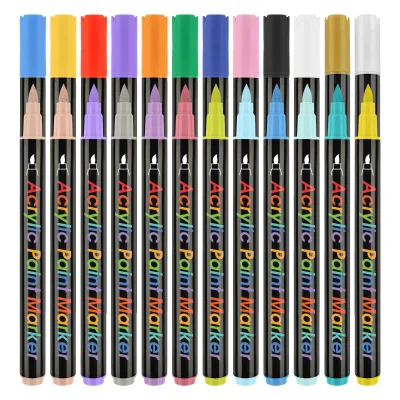
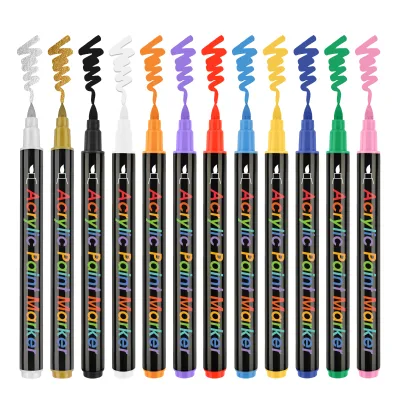
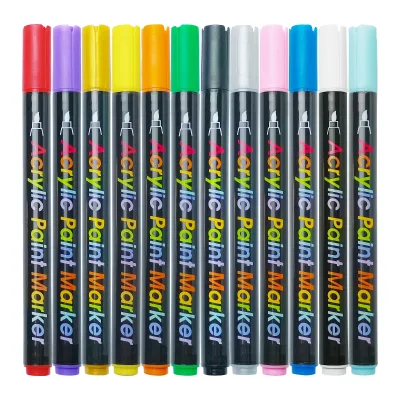
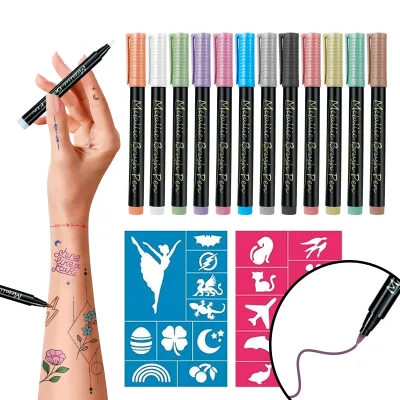
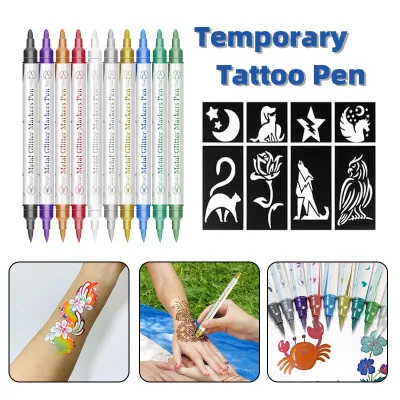
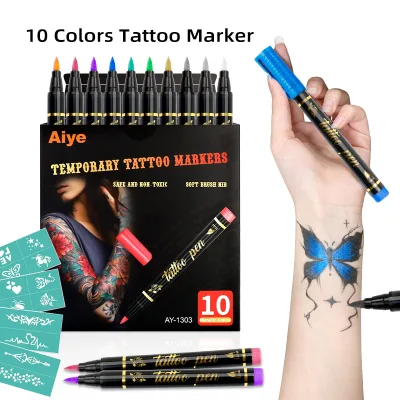
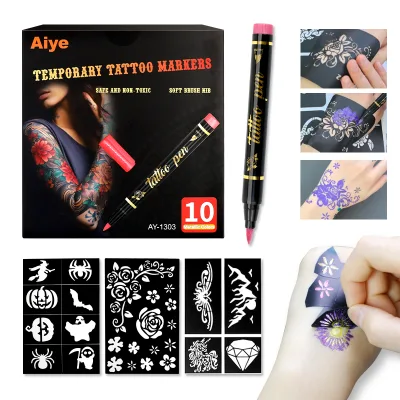
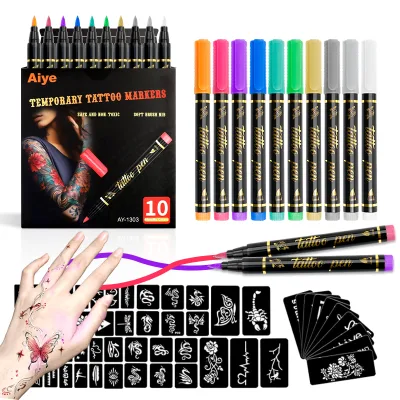
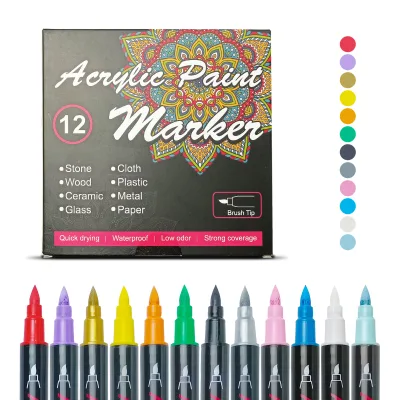
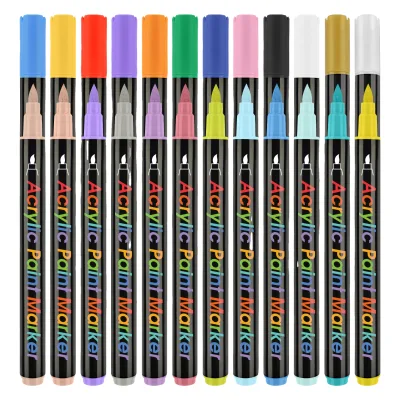

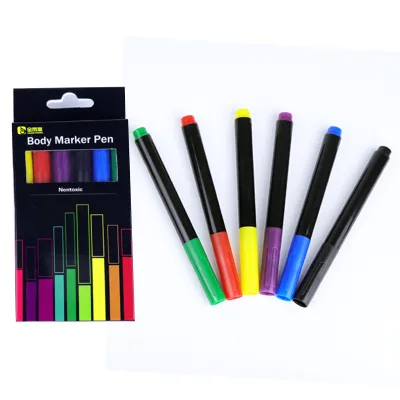
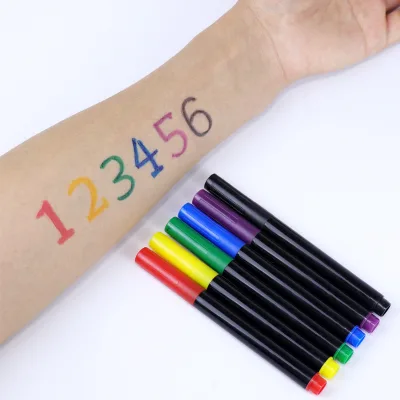
Amazon Hotsale Washable Makeup Novelty Body Painting Temporary Tattoo Marker Pen
$0.16 - $0.21
MOQ: 500 Pieces
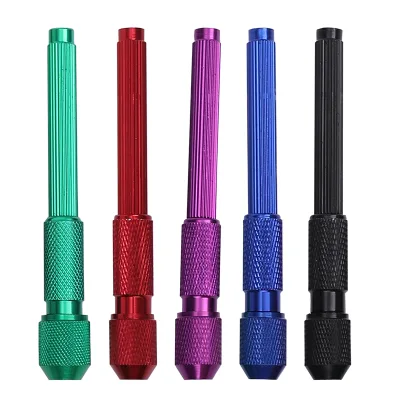
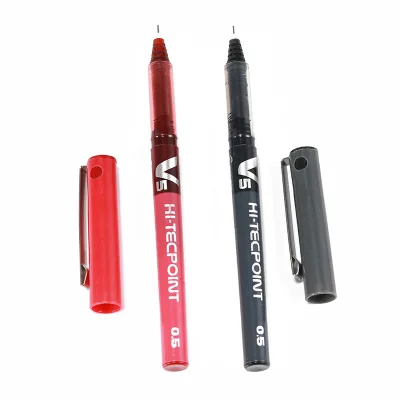
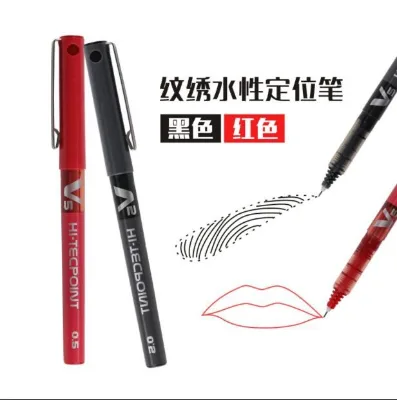
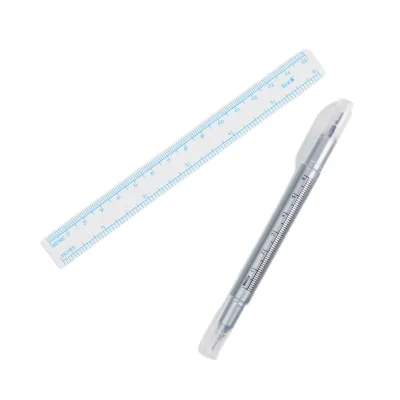
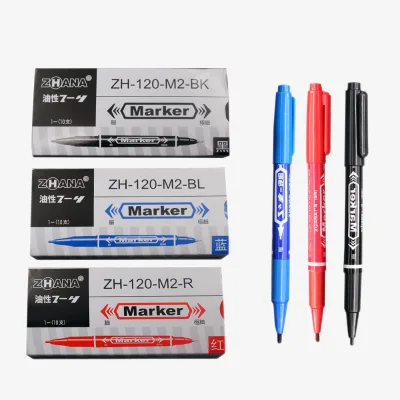
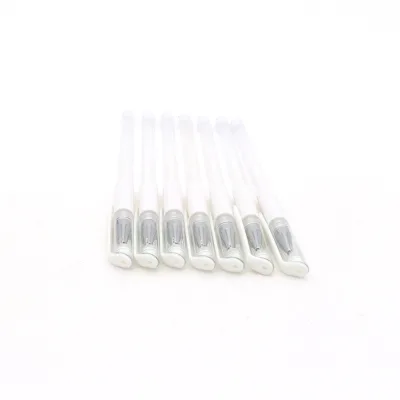
Temporary Tattoo Black Red Microblading Skin Marker Pen Tattoo Skin Scribe Pen
$11.3175 - $12.3473
MOQ: 12 boxes


Comprehensive Sourcing Guide
Water Based Temporary Tattoo Marker Sourcing Guide
Buyers must first distinguish between permanent and temporary formulations when evaluating product listings, as the supplied data reveals conflicting ink classifications for similar items. Some listings explicitly describe the ink as permanent with a "No" erasable status, while others specify "Dry-Erase & Wet-Erase" capabilities for body painting applications. This discrepancy requires immediate clarification from the supplier to ensure the product matches the intended use case, whether for long-lasting skin art or short-term decorative purposes.
The observed product range includes markers designed for skin, nails, and general art drawing, indicating a need to verify the specific writing medium for each order. While some items are labeled as "Temporary Tattoo Pen," others are categorized as "Body Paint Pen" or "Permanent Makeup Maker Pen," suggesting variations in formulation and application. Procurement teams should request sample swatches on the target surface to confirm that the ink adheres correctly and performs as described before committing to a bulk purchase.
Product Scope and Observed Listing Signals
The market data indicates a diverse range of physical attributes, with writing widths varying from a precise 6mm to a flexible brush point, catering to different artistic needs. Buyers should note that the single package size often measures around 15x1x1 cm, and the weight of individual units ranges from 10g to 12g, which impacts shipping calculations and packaging logistics. Understanding these physical dimensions is essential for estimating freight costs and ensuring the product fits within standard retail packaging constraints.
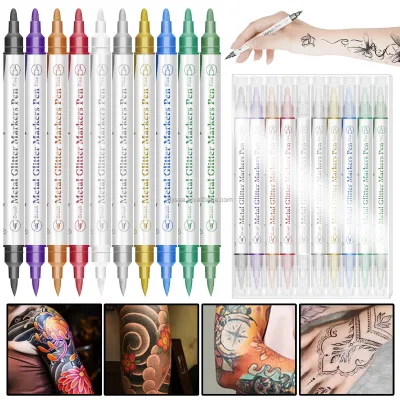
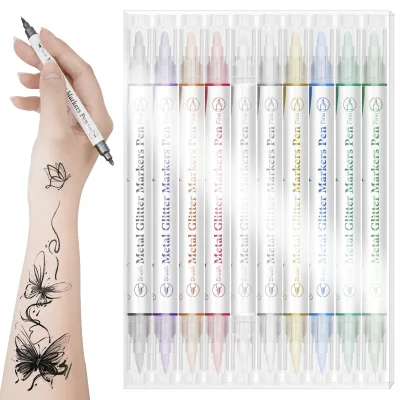
Color availability is extensive, with listings showing options for black, white, gold, silver, and various primary and secondary hues, including metallic finishes. However, the material composition varies between PLA and plastic, which may influence the durability and feel of the pen barrel. Sourcing agents must verify if the specific color palette and material type align with brand requirements, as the "Multi Colored" attribute suggests a broad inventory that may require careful selection to maintain product consistency.
Technical Specifications to Verify
Verification of the writing width and tip type is critical, as the data shows both fixed 6mm widths and brush tips that offer variable line control. Buyers should confirm whether the brush tip is synthetic or natural, as this affects the smoothness of the writing and the precision of the lines drawn on skin. The "Smooth Writing" feature is listed as a key attribute, but actual performance can only be validated through physical testing of the ink flow and tip flexibility on the intended medium.
Length and weight specifications also vary, with some models measuring 13.5cm and weighing 10g, while others are slightly heavier at 12g. These differences can affect user comfort during extended drawing sessions, particularly for body art applications where the pen is held for long periods. Procurement teams should request detailed dimensional drawings to ensure the pen fits ergonomic standards and that the weight distribution supports steady hand movement without causing fatigue.
Compliance and Safety Documentation
Safety is paramount when sourcing products intended for skin contact, and the supplied context lists several certifications including MSDS, EN71, ASTM, BSCI, CE, and ISO9001. Buyers must verify that the specific batch of "Non-Toxic Water Based Inks" carries valid test reports matching these standards, as the presence of a certification on a listing does not guarantee that every unit in a shipment is compliant. Requesting current certificates of analysis for the ink formulation is a necessary step to mitigate liability and ensure consumer safety.
The distinction between "Permanent" and "Erasable" inks also carries regulatory implications, particularly regarding the ingredients used for removal or long-term adhesion. While some listings claim the ink is non-toxic, the "Permanent" classification may involve different chemical compositions than the "Dry-Erase" variants. Buyers should demand full ingredient disclosure and safety data sheets to confirm that the product meets local regulations for cosmetic and temporary tattoo applications in their target markets.
Cost Drivers and Commercial Terms
The observed price range spans from $0.09 to $18.50, reflecting significant variation based on ink quality, packaging, and order volume. The minimum order quantity (MOQ) is listed as low as 1 piece, which allows for sampling but may result in higher unit costs for small orders. Buyers should negotiate tiered pricing structures that leverage the low MOQ flexibility to secure better rates as order volumes increase, balancing the need for inventory with cost efficiency.
Packaging options, such as OEM packing or standard boxes, also influence the final landed cost and must be factored into the total budget. The single gross weight varies from 0.010 kg to 0.03 kg, which affects shipping calculations, especially for air freight where weight is a primary cost driver. Procurement teams should calculate the total cost per unit including packaging and freight to determine the true profitability of the product line before finalizing any purchase agreements.
Supplier Qualification and Quality Control
Supplier location is consistently identified as Guangdong, China, a major manufacturing hub that offers access to a wide network of suppliers but requires rigorous vetting. Buyers should verify the supplier's production capacity and quality control processes, as the "Confirmed" delivery time suggests flexibility that may not always be reliable during peak seasons. Establishing clear communication channels and defining quality expectations early in the relationship is essential to prevent delays and ensure consistent product standards.
Quality control should focus on the consistency of ink color and the durability of the brush tip, as these are common points of failure in marker pens. The "Customized Acceptable" logo attribute indicates that suppliers can offer branding services, but buyers must ensure that the customization process does not compromise the structural integrity of the pen. Implementing a pre-shipment inspection protocol to check for defects in the ink flow, tip shape, and packaging quality is a recommended best practice for maintaining brand reputation.
Long-Term Procurement Checks
Sustaining a successful supply chain requires regular re-evaluation of supplier performance against the initial quality benchmarks established during the sampling phase. Buyers should monitor the consistency of the "Non-Toxic" claims and the stability of the ink formula over time, as changes in raw material sourcing can alter product performance. Periodic audits of the supplier's manufacturing process and certification status help ensure that the product continues to meet safety and quality standards throughout the contract period.
Market trends and consumer preferences for temporary tattoo markers may shift, necessitating adjustments in product specifications such as color palettes or tip types. Buyers should maintain a flexible relationship with suppliers to accommodate these changes, ensuring that the supply chain can adapt to new demands without significant disruption. Regular review of the cost structure and commercial terms will also help identify opportunities for optimization and cost reduction as the business scales.
FAQs
What ink types are available for water based temporary tattoo markers?
These markers utilize non-toxic water-based inks that are safe for skin application. Available ink colors include black, white, gold, silver, red, blue, yellow, green, orange, purple, light blue, and pink. The ink is designed for smooth writing on skin, body, or nails, ensuring vibrant and durable temporary designs for art and body painting purposes.
Can water based temporary tattoo markers be erased or removed?
Yes, certain models are explicitly designed to be erasable, making them suitable for temporary body painting and art drawing. While some permanent makeup markers exist, the water-based options typically allow for easy removal. This feature ensures that users can create temporary designs without long-term commitment, providing flexibility for various artistic applications and skin-safe usage.
What are the specifications for the brush tip size?
The markers feature a brush tip with a writing width of 6mm or a brush point for detailed work. The pen body size is approximately 143*12mm or 13.5cm in length. The single package size is around 15X1X1 cm, and the weight is typically 12g or 10g depending on the specific model, ensuring comfortable handling for precise application.
Which certifications do these markers typically hold?
Manufacturers often provide certifications such as MSDS, EN71, ASTM, BSCI, CE, and ISO9001 to ensure product safety and quality. These standards verify that the inks are non-toxic and suitable for skin contact. Buyers should verify specific documentation with suppliers to confirm compliance with international safety regulations for cosmetic and artistic products used on human skin.
What is the minimum order quantity for these markers?
The minimum order quantity ranges from 1 piece to 500 pieces, offering flexibility for both sample testing and bulk procurement. Some suppliers accept an MOQ of just 1 piece, allowing buyers to evaluate product quality before committing to larger orders. This low entry barrier supports small businesses and individual artists in sourcing custom-branded or specialized marker pens.
Where are these markers typically manufactured?
These products are primarily manufactured in Guangdong, China, a major hub for stationery and cosmetic tool production. The location indicates access to established supply chains for materials like PLA and plastic components. Buyers sourcing from this region can often benefit from competitive pricing and efficient logistics, though lead times and shipping costs should be confirmed with specific vendors.