Source Water Booster Pump for Homes, Industry, and Irrigation
Find 30 Water Booster Pump options for family homes, industrial utilities, and irrigation systems. Compare vertical inline and multistage models with varying head and flow rates to match your specific pressure requirements.
Key considerations
Products List
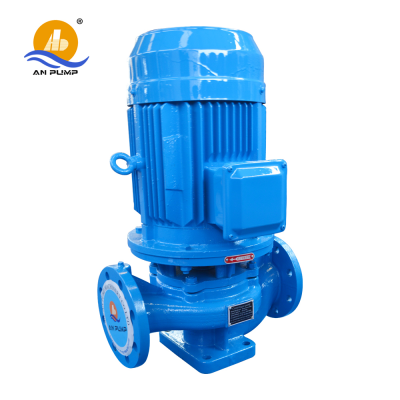
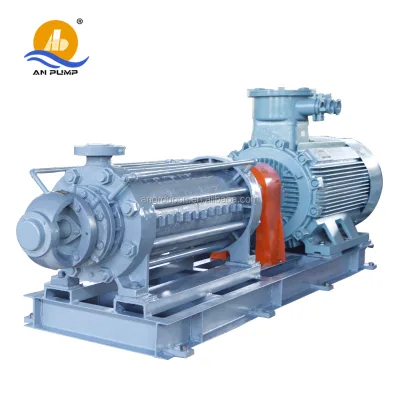


High Pressure Booster Centrifugal Pump Electric Water Pump Cheap Price
$40.00 - $70.00
MOQ: 100 Pieces
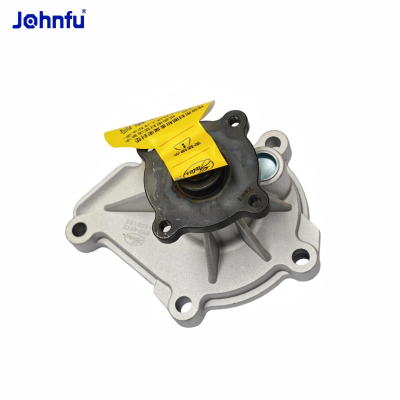


Intelligent Water Booster Pump with Durable Design for Optimal Performance
$230.00 - $248.00
MOQ: 1 Pieces


Comprehensive Sourcing Guide
Water Booster Pump Sourcing Guide
Sourcing water booster pumps requires a disciplined approach to aligning technical performance with commercial viability, particularly when navigating the diverse landscape of industrial and residential applications. Buyers must recognize that these pumps are not monolithic products but rather a category encompassing vertical inline pipeline pumps, horizontal multistage pumps, and centrifugal variants, each serving distinct hydraulic needs. The observed market signals indicate a wide spectrum of capabilities, ranging from small-scale domestic pressure boosting to high-capacity industrial boiler feed systems. Understanding these distinctions is the first step in preventing specification errors that lead to costly operational failures or inefficient energy consumption.
The procurement process is further complicated by the variability in manufacturing origins and customization options available from suppliers. Many manufacturers, such as those based in Hebei, China, offer extensive OEM and ODM support, allowing buyers to tailor pump configurations to specific site requirements. However, this flexibility introduces the need for rigorous verification of construction materials, motor specifications, and structural integrity. Buyers must navigate between standardized models and custom-engineered solutions, ensuring that the selected pump can withstand the intended pressure, flow rate, and environmental conditions without compromising long-term reliability or warranty coverage.
Product Scope and Observed Listing Signals
The current market for water booster pumps presents a broad range of product types, primarily categorized into vertical inline pipeline pumps and horizontal multistage pumps. Vertical inline models are often preferred for their compact footprint and ease of installation in existing piping systems, making them suitable for applications such as HVAC OEMs, commercial buildings, and district energy systems. In contrast, horizontal multistage pumps are designed for higher head requirements and larger capacities, frequently utilized in industrial boilers, fire protection systems, and urban sewage treatment. These structural differences dictate not only the physical installation space required but also the maintenance accessibility and operational efficiency of the equipment.
Listing signals reveal significant variation in performance metrics, with flow rates spanning from 1 to 1450 cubic meters per hour and maximum heads ranging from 7 to 154 meters for inline models, and up to 1050 meters for multistage variants. Power consumption also varies widely, with horsepower ratings from 0.75 kW to 160 kW for electric inline pumps, and extending up to 1050 kW for heavy-duty multistage units. These ranges indicate that buyers must carefully match their specific hydraulic demands to the correct pump class. The presence of diverse fluid applications, including drinking water, biofuel, and chemical transfer, further necessitates a review of material compatibility, as pumps may be constructed from cast iron, stainless steel, or high-chromium alloys depending on the corrosiveness of the fluid being handled.
Technical Specifications to Verify
When evaluating technical specifications, the first critical area is the pump structure and stage configuration. Buyers must verify whether the application requires a single-stage centrifugal pump for moderate pressure boosts or a multistage design for high-head applications. The choice between vertical inline and horizontal multistage configurations impacts the piping layout and foundation requirements. Additionally, the motor construction is a vital detail; specifications often highlight 100% copper wire windings, which are essential for thermal efficiency and longevity. Buyers should confirm the voltage requirements, which may be customer-specific, and ensure that the motor’s power rating aligns with the expected load to prevent overheating or underperformance.
Another key verification point is the sealing and lubrication system, particularly for horizontal multistage pumps. The shaft lubrication method, whether oil or grease, affects maintenance intervals and operational safety. Buyers must also inspect the material composition of the pump parts, ensuring that components in contact with the fluid are made from appropriate materials such as A03, A05, SS, or high-chromium alloy to resist wear and corrosion. The maximum head and flow rate claims must be cross-referenced with the pump’s performance curve to ensure that the operating point falls within the efficient range. Furthermore, the single package dimensions and gross weight, which can range from 60x55x120 cm and 390 kg to 100x100x100 cm and 500 kg, are crucial for logistics planning and site access considerations.
Compliance and Safety Documentation
Compliance with international standards is a non-negotiable aspect of sourcing water booster pumps, especially for industrial and commercial installations. Buyers should request documentation confirming adherence to relevant safety and quality certifications, such as CE, TUV, ISO, and BV. These certifications indicate that the pump has undergone rigorous testing for electrical safety, mechanical integrity, and environmental compliance. For pumps used in drinking water treatment or food and beverage industries, additional certifications may be required to ensure that materials do not leach harmful substances into the fluid. Verifying these credentials early in the sourcing process helps mitigate legal and operational risks associated with non-compliant equipment.
Safety features and operational safeguards are also critical components of the documentation package. Buyers must ensure that the pump includes appropriate protections against dry running, overpressure, and electrical faults. The warranty terms, which may vary from one to three years, should be clearly defined in the contract, outlining the coverage for parts, labor, and motor defects. It is essential to clarify whether the warranty is valid internationally or restricted to the country of origin. Additionally, buyers should verify that the pump’s pressure ratings are consistent with the system’s design pressure to prevent catastrophic failures. Clear documentation of these compliance and safety aspects ensures that the procurement team can confidently deploy the equipment in regulated environments.
Cost Drivers and Commercial Terms
The cost of water booster pumps is influenced by several factors, including the motor power, material quality, and level of customization required. High-pressure multistage pumps with large capacities and specialized materials like stainless steel or high-chromium alloys will naturally command higher prices than standard cast iron inline pumps. The observed price range of $10.26 to $12,000 reflects this diversity, with lower-end prices likely corresponding to smaller, less powerful units or basic models, while higher prices align with industrial-grade, high-head pumps. Buyers should analyze the total cost of ownership, considering energy efficiency and maintenance costs, rather than focusing solely on the initial purchase price.
Commercial terms such as Minimum Order Quantity (MOQ) and lead times also play a significant role in the procurement strategy. The observed MOQ range of 1 to 500 units suggests that suppliers are flexible, catering to both single-unit replacements and large-scale project installations. However, buyers should negotiate for volume discounts if their requirements exceed standard MOQs. Payment terms, shipping responsibilities, and after-sales support should be clearly defined in the contract. It is advisable to include clauses for performance guarantees and penalties for delays, ensuring that the supplier is accountable for delivering the pump within the specified timeframe and meeting the agreed-upon technical specifications.
Supplier Qualification and Quality Control
Supplier qualification is a critical step in ensuring the reliability of the Water Booster Pump supply chain. Buyers should conduct thorough due diligence on potential suppliers, verifying their manufacturing capabilities, quality control processes, and track record in the industry. Suppliers offering OEM and ODM services should demonstrate a robust engineering team capable of customizing pumps to specific requirements. It is also important to assess the supplier’s ability to provide consistent quality across batches, particularly for large orders. Requesting references from previous clients and reviewing case studies can provide valuable insights into the supplier’s performance and reliability.
Quality control measures should be integrated into the procurement process to minimize the risk of receiving defective or non-conforming products. Buyers should implement pre-shipment inspections to verify that the pumps meet the agreed-upon specifications, including flow rate, head, and material composition. Third-party inspection services can be engaged to conduct these checks independently, providing an additional layer of assurance. Additionally, buyers should establish clear communication channels with the supplier to address any issues that arise during production or delivery. Regular audits of the supplier’s quality management system can help maintain high standards and ensure continuous improvement in product quality.
Long-Term Procurement Checks
Long-term procurement success depends on establishing a sustainable relationship with suppliers and implementing ongoing performance monitoring. Buyers should regularly review the performance of the installed pumps, tracking metrics such as energy consumption, maintenance frequency, and operational efficiency. This data can be used to negotiate better terms with suppliers, such as extended warranties or discounted spare parts. It is also important to stay updated on technological advancements in pump design and materials, which may offer opportunities for upgrading existing systems to improve efficiency and reduce operational costs.
Supply chain resilience is another key consideration for long-term procurement. Buyers should diversify their supplier base to mitigate the risk of disruptions caused by geopolitical events, natural disasters, or production issues. Maintaining a buffer stock of critical spare parts, such as impellers, seals, and motors, can help minimize downtime in the event of a pump failure. Regular communication with suppliers regarding market trends, raw material costs, and regulatory changes can help buyers anticipate potential challenges and adjust their procurement strategies accordingly. By focusing on these long-term checks, buyers can ensure that their Water Booster Pump systems remain reliable, efficient, and cost-effective over their entire lifecycle.
FAQs
What is the maximum head for the Water Booster Pump?
The maximum head ranges from 7 to 154 meters for the inline Water Booster Pump model. Some multistage variants offer a higher maximum head between 69 and 1050 meters depending on the specific configuration and application requirements.
Can I get OEM or ODM support for this pump?
Yes, customized support including OEM and ODM services is available for these water booster pumps. Buyers can request specific modifications to meet their unique industrial or commercial needs while maintaining the core performance standards.
What is the warranty period for the Water Booster Pump?
The standard warranty period for the Water Booster Pump is three years. Some specific multistage pump models may carry a one-year warranty, so buyers should verify the exact terms for their selected model number.
Which materials are used for the pump construction?
The pump construction utilizes materials such as cast iron, stainless steel, and high-chromium alloy. Specific parts are available in stock, and the motor features 100% copper wire for reliable electric power source operation.
What is the flow rate capacity of the pump?
The flow rate capacity ranges from 1 to 1450 cubic meters per hour for the inline model. Multistage pump variants offer a flow rate between 15 and 300 cubic meters per hour to suit different industrial utility needs.
Where is the Water Booster Pump manufactured?
The Water Booster Pump is manufactured in Hebei, China. This location serves as the primary place of origin for the vertical inline pipeline pumps and horizontal multistage pumps listed in the product specifications.
What certifications do the pumps hold?
The horizontal multistage pumps hold certifications including TUV, ISO, CE, and BV. These standards ensure the pumps meet international safety and quality requirements for applications like boiler feed water and urban sewage treatment.