Source Water Based PU Foam Sealant for Woodworking, Construction, Packing
Find 30 listings for Water Based PU Foam Sealant suitable for woodworking, construction, and packing applications. Compare specifications including curing time, volume, and packaging options from suppliers in China.
Key considerations
Products List


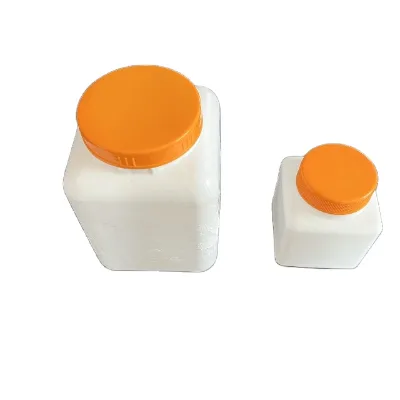


High Temperature PU Foam 100% Polyurethane Waterproof Sealant Liquid Foam
$0.84 - $0.90
MOQ: 4800 Pieces


Comprehensive Sourcing Guide
Strategic Sourcing Guide for Water-Based PU Foam Sealant Procurement
Navigating the global market for water-based polyurethane (PU) foam sealants requires a disciplined approach that balances technical performance with supply chain reliability. Buyers in the construction, woodworking, and automotive sectors often seek these materials for their versatility in bonding and sealing applications. The current market landscape presents a diverse array of products, ranging from specialized structural adhesives to general-purpose packing sealants. To make informed procurement decisions, it is essential to analyze the specific product attributes, verify compliance with relevant standards, and understand the cost drivers inherent in this category. This guide provides a structured framework for evaluating suppliers and selecting the right sealant solutions without relying on unverified claims or speculative data.
Technical Specifications and Material Composition
The foundation of any successful procurement strategy lies in a precise understanding of the technical specifications of the product. In the context of water-based PU foam sealants, the material composition is a primary differentiator. Market observations indicate that the main agent composition for many high-performance sealants is Polyurethane, while some variants utilize Polyurethane Elastomer as the core component. It is critical to distinguish between these formulations, as they dictate the final mechanical properties of the cured sealant. For instance, products identified with a "Main Agent Composition" of Polyurethane often align with applications requiring high elasticity and structural integrity, whereas those based on Polyurethane Elastomer may offer specific flexibility profiles.
Morphology and physical state are equally vital. While some sealants in the market are observed in a solvent-based morphology, water-based variants are increasingly preferred for environmental compliance. However, buyers must verify the specific morphology of the product they intend to purchase, as some listings describe a "Solvent" morphology or "Solid-State" characteristics that may not align with a strictly water-based requirement. The curing mechanism is another technical parameter that demands scrutiny. Products are frequently classified under "Room Curing" types, which implies that the sealant hardens at ambient temperatures without the need for external heat sources. This characteristic is essential for on-site construction applications where controlled curing environments are not feasible.
The bonding function of the sealant further defines its utility. The market features sealants categorized as "Structural Adhesive," "Instant Adhesive," and "Pressure Sensitive Adhesive." A water-based PU foam sealant intended for structural applications must demonstrate the ability to bear significant loads, whereas a pressure-sensitive variant is designed for temporary or low-stress bonding. Additionally, the shelf life of the product is a critical technical constraint. Observed data suggests shelf lives ranging from 9 to 12 months, which directly impacts inventory management and procurement planning. Buyers should verify the specific shelf life of the batch they are purchasing, as storage conditions can significantly influence this duration.
Compliance, Certification, and Regulatory Standards
In the global B2B market, compliance with international standards and certifications is non-negotiable, particularly for products used in construction and automotive industries. While specific certification statuses such as CE or REACH are often cited in general market discussions, buyers must treat these as verification targets rather than guaranteed attributes of every listed product. The absence of explicit certification data in a product listing should not be assumed to indicate non-compliance, but it does necessitate a direct inquiry to the supplier for proof of adherence to relevant regulations.
Product standards are often defined by volume and packaging specifications rather than purely chemical standards. For example, specific product models are associated with standard volumes such as 750ml, 310ml, 300ml, 400ml, and 600ml. These volume standards are crucial for logistics and application efficiency. A buyer sourcing for a large construction project may prefer the 750ml standard for reduced packaging waste, while a precision woodworking application might require the 300ml standard for better control. Furthermore, the packaging standard, such as "12PCS/CTN" or "24PCS/CTN," affects the handling and storage requirements at the destination.
When evaluating compliance, buyers should also consider the origin of the product. A significant portion of the market originates from regions like Shandong, China, which is a known hub for chemical manufacturing. While the origin provides context for the supply chain, it does not inherently guarantee quality or compliance. Buyers must request specific test reports and certification documents from the supplier to ensure that the product meets the regulatory requirements of the destination market. This is particularly important for products intended for use in the European Union or North America, where chemical regulations are stringent.
Cost Drivers and Pricing Dynamics
Understanding the cost structure of water-based PU foam sealants is essential for budgeting and negotiation. The observed price range in the market is extensive, spanning from $0.65 to $2800 per unit. This wide disparity is not indicative of a single product type but rather reflects the diversity of formulations, volumes, and packaging configurations available. The lower end of the price spectrum likely corresponds to smaller volume units or basic formulations, while the higher end may represent bulk industrial quantities, specialized structural grades, or complete packaging sets.
The Minimum Order Quantity (MOQ) is a significant factor influencing the unit cost. Market data shows MOQs ranging from 1 to 7200 pieces. Suppliers offering lower MOQs, such as 1 or 4800 pieces, may charge a premium per unit due to the higher handling costs associated with smaller batches. Conversely, suppliers with higher MOQs, such as 6000 or 7200 pieces, often provide more competitive unit pricing. Buyers must balance their immediate inventory needs with the potential for cost savings through bulk purchasing. It is important to note that the MOQ is a supplier-specific constraint and may vary based on the product model, such as "Qml-P600" or "P303CL."
Other cost drivers include the customization options available. Many suppliers offer "OEM" (Original Equipment Manufacturer) services, allowing buyers to brand the product or modify the formulation to meet specific requirements. While this adds value, it may also increase the cost and lead time. Additionally, the packaging type, whether "Carton" or specific configurations like "285245350mm," affects shipping costs. Buyers should calculate the total landed cost, including freight, duties, and handling, rather than focusing solely on the unit price.
Typical Applications and Performance Requirements
The versatility of water-based PU foam sealants makes them suitable for a wide range of applications. The primary sectors identified in the market include Woodworking, Construction, Packing, and Automobile. In the woodworking industry, these sealants are valued for their ability to bond various wood types while maintaining flexibility. The "Excellent Elasticity" characteristic observed in many products is particularly beneficial here, as it allows the sealant to accommodate the natural expansion and contraction of wood without cracking.
In the construction sector, the "Structural Adhesive" classification is of paramount importance. Sealants used in this application must provide strong, durable bonds that can withstand environmental stressors such as temperature fluctuations and moisture. The "Waterproof" characteristic is a key requirement for construction sealants, ensuring that the bonded joints remain watertight over time. Additionally, the curing time, which is observed to be around 24 hours for some products, is a critical factor in project scheduling. Buyers must ensure that the curing time aligns with their project timelines to avoid delays.
The packing and automobile industries also rely on these sealants for specific bonding and sealing tasks. In packing, the sealant may be used to secure boxes or create protective barriers. In the automobile sector, the sealant's ability to bond diverse materials, including metals and plastics, is essential. The "Straw Type" application method observed in some products suggests a precision delivery system, which is advantageous for detailed work in both woodworking and automotive assembly. Buyers should match the product's bonding function and morphology to the specific demands of their application to ensure optimal performance.
Supplier Evaluation and Quality Control
Selecting the right supplier is as critical as selecting the right product. Buyers should evaluate suppliers based on their ability to provide consistent quality, adhere to delivery schedules, and offer responsive customer support. The availability of "OEM" services indicates a supplier's flexibility and capacity to meet custom requirements. However, buyers must verify the supplier's production capabilities and quality control processes. Requesting samples and conducting independent testing is a prudent step to validate the product's performance before committing to a large order.
Quality control should encompass a review of the product's physical and chemical properties. Buyers should verify the "Main Agent Composition" and "Promoter Composition" to ensure they match the product specifications. The "Curing Agent" composition, for instance, plays a crucial role in the curing process and final properties of the sealant. Additionally, the "Shelf Life" should be confirmed through batch testing, as this can vary based on storage conditions and manufacturing date.
Suppliers should also be evaluated on their packaging standards. The "Package" specifications, such as "12PCS/CTN" or "40 PCS/CTN," should be consistent with the buyer's logistical requirements. Inconsistent packaging can lead to damage during transit and increased handling costs. Furthermore, buyers should assess the supplier's ability to provide documentation, including material safety data sheets (MSDS) and technical data sheets (TDS), to ensure that the product meets all necessary safety and performance standards.
Long-Term Procurement Considerations
Sourcing water-based PU foam sealants is not a one-time transaction but a long-term relationship that requires strategic planning. Buyers should consider the stability of the supply chain, the availability of raw materials, and the potential for price fluctuations. The "prod_origin" of the product, often listed as "China" or specific regions like "Shandong," can influence the reliability of the supply chain. Buyers should assess the geopolitical and economic factors that may impact the supplier's ability to deliver on time.
Another long-term consideration is the environmental impact of the product. As regulations become stricter, buyers may need to transition to more sustainable formulations. The "Water-based" nature of the sealant is already a positive step, but buyers should inquire about the specific environmental certifications and the supplier's commitment to sustainability. Additionally, the "Customization" availability allows buyers to adapt the product to changing market needs, ensuring that the sealant remains relevant and effective over time.
Finally, buyers should establish clear communication channels with their suppliers to address any issues promptly. Regular reviews of the supplier's performance, including delivery times, product quality, and responsiveness, can help identify potential problems before they escalate. By maintaining a proactive approach to supplier management, buyers can ensure a steady supply of high-quality water-based PU foam sealants that meet their evolving needs.
Comparative Analysis of Product Attributes
To facilitate decision-making, the following table summarizes key attributes observed in the market for water-based PU foam sealants. This comparison highlights the variability in specifications and helps buyers identify the product that best fits their requirements.
| Attribute | Observation Range / Specific Values | Relevance to Procurement |
|---|---|---|
| Main Agent Composition | Polyurethane, Polyurethane Elastomer | Determines mechanical strength and flexibility. |
| Morphology | Solvent, Solid-State | Affects application method and drying time. |
| Bonding Function | Structural Adhesive, Instant Adhesive, Pressure Sensitive | Defines the load-bearing capacity and use case. |
| Curing Time | 24 Hours (observed) | Impacts project scheduling and workflow. |
| Shelf Life | 9 Months to 12 Months | Influences inventory turnover and storage planning. |
| Standard Volume | 300ml, 400ml, 600ml, 750ml, 310ml | Affects packaging efficiency and application precision. |
| Packaging | 12PCS/CTN, 20 PCS/CTN, 24PCS/CTN, 40 PCS/CTN | Determines handling costs and storage space. |
| Origin | China, Shandong | Provides context for supply chain logistics. |
| Customization | Available (OEM) | Allows for branding and formulation adjustments. |
| MOQ | 1 to 7200 PCS | Sets the minimum financial commitment for buyers. |
This comparative analysis underscores the importance of matching specific product attributes to the buyer's operational needs. By carefully evaluating these factors, buyers can make informed decisions that optimize cost, performance, and supply chain reliability.
FAQs
What are the main agent compositions for these sealants?
The main agent compositions are Polyurethane or Polyurethane Elastomer. Some variants also list Rubber as a main agent. These compositions determine the final mechanical properties and elasticity of the cured sealant.
Which applications are suitable for this water-based PU foam sealant?
Suitable applications include Woodworking, Construction, Packing, and Automobile sectors. The sealant functions as a structural adhesive or pressure-sensitive adhesive depending on the specific product model selected.
How long is the shelf life of the available products?
The shelf life ranges from 9 to 12 months depending on the specific batch. Storage conditions significantly influence this duration, so buyers should verify the shelf life of the specific batch they purchase.
Can buyers request customization or OEM services for these sealants?
Yes, OEM services are available and acceptable for many listed products. Buyers can request branding or formulation modifications, though this may impact the lead time and unit cost of the order.
What is the typical minimum order quantity for these sealants?
The minimum order quantity varies significantly, ranging from 1 to 7200 pieces. Specific models like Qml-P600 may have an MOQ of 6000 pieces, while others start at 4800 pieces.
What packaging standards are commonly used for these products?
Packaging standards vary by volume, with options including 300ml, 310ml, 400ml, 600ml, and 750ml. Carton configurations typically contain 12, 20, 24, or 40 pieces per carton depending on the model.