Source Water Cooled Chopper Motorbike for Delivery, Commuting, and Leisure
Find a selection of 30 Water Cooled Chopper Motorbike units available for wholesale sourcing. Buyers can compare specifications including engine size, braking modes, and cooling methods across various models from Chinese manufacturers to suit delivery, commuting, and leisure applications.
Key considerations
Products List


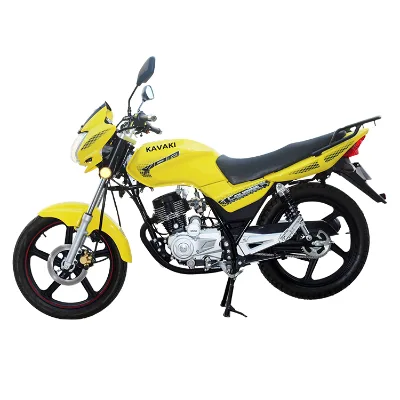
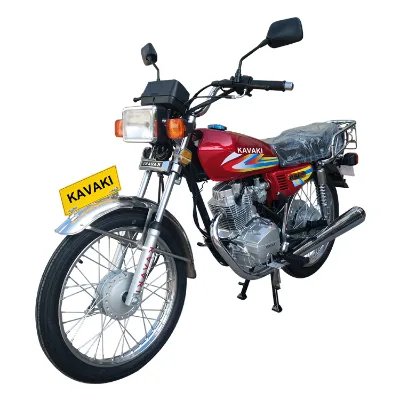
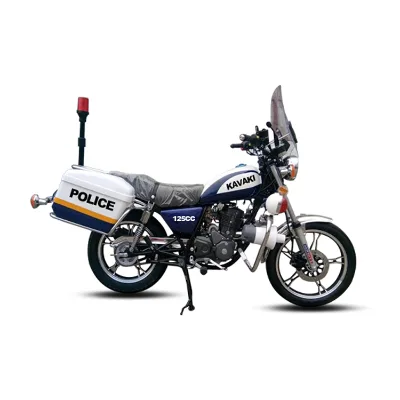


250cc Cruiser Motorcycle Gasoline Motorbike 200cc Chopper Motorcycle
$980.00 - $1050.00
MOQ: 24 Pieces

2024 Newest Design with 250cc, 400cc Chopper/ Cruiser ABS Motorcycles
$1150.00 - $1300.00
MOQ: 22 Pieces


Chopper Motorcycle Gas-Double Cylinder, 6 Speed and Water Cooled System
$1150.00 - $1250.00
MOQ: 10 Pieces

Euro5 Racing Motorcycle 250cc Chopper with Fog Lights 4 Stroke Oil Cooling Engine
$1160.00 - $1170.00
MOQ: 30 Pieces

250 Cc Chopper Motorcycles Racing Other Touring Motorcycle Scooter Motorbike
$1250.00 - $1290.00
MOQ: 1 Pieces
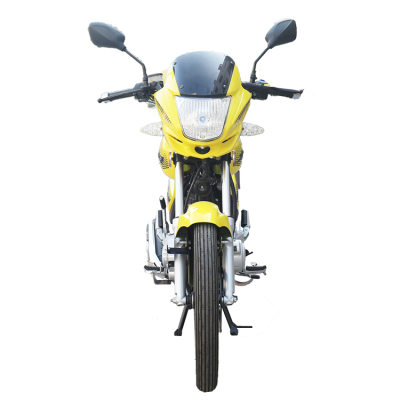


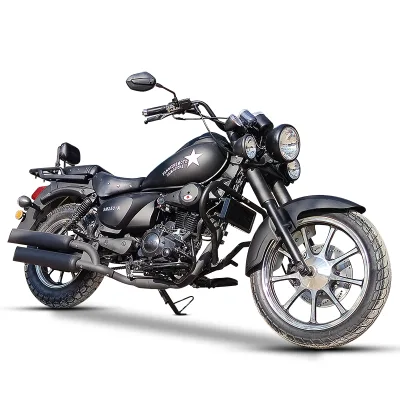

Motorbike 200cc 250cc Cruiser Motorcycle Chopper Wholesale 4 Stroke Chopper High Quality
$780.00 - $860.00
MOQ: 100 Pieces


Comprehensive Sourcing Guide
Strategic Sourcing Guide for Water-Cooled Chopper Motorbikes
Understanding the Market Reality and Technical Constraints
When initiating a procurement strategy for a "Water Cooled Chopper Motorbike," buyers must first reconcile the core keyword with the specific technical realities observed in the current supply chain. While the search term implies a specific cooling architecture, the available product data reveals a complex landscape where cooling methods vary significantly across listings. The observed inventory includes models utilizing Air Cooling, Oil Cooling, and specific electric variants, but explicit references to water cooling are not uniformly present in the provided high-confidence facts. This discrepancy necessitates a rigorous verification process before any order is placed.
The chopper segment itself is well-represented in the data, with items explicitly categorized as "Chopper" and "Racing Motorcycle." The displacement ranges observed span from 51-125CC up to 126-250CC, with a specific constraint noting engine sizes under 250cc for certain categories. Buyers seeking a water-cooled unit must understand that the standard configurations in this dataset often default to air or oil cooling systems. Consequently, the procurement process requires a direct inquiry to suppliers to confirm the existence of a liquid-cooled variant within the 125cc to 250cc range, as this is not a guaranteed attribute of every listed chopper model. The "New Euro4 Motorcycle Gas Chopper Motorbike" and "Hot Model 125cc Chopper Bike" listings demonstrate the variety of configurations available, but the cooling method must be treated as a variable to be confirmed rather than a standard feature.
Technical Specification Verification and Engine Architecture
The technical evaluation of a potential water-cooled chopper must focus on the engine architecture, displacement, and the specific integration of the cooling system. The data indicates that the engine type is predominantly 4-Stroke, which is the industry standard for modern emissions compliance. However, the cooling method is a critical differentiator. The observed listings show "Air Cooling" and "Oil Cooling" as distinct attributes. For a buyer specifically targeting water cooling, the absence of this attribute in the general product descriptions implies that it may be a custom or specialized configuration.
Buyers should verify the following technical parameters against the supplier's specific engineering drawings:
- Displacement: The market data shows a split between 51-125CC and 126-250CC. A water-cooled system is often preferred for the higher displacement range (126-250CC) to manage thermal load, though it can be applied to smaller engines for performance tuning.
- Fuel System: The fuel type is listed as "Gas / Diesel," though the vast majority of chopper listings imply gasoline. The specific fuel tank capacity observed is 12L, which is a standard metric for this class.
- Cooling System Integration: Unlike air-cooled engines that rely on fins and airflow, a water-cooled engine requires a radiator, water pump, and coolant reservoir. The physical dimensions of the motorcycle, such as the standard sizes observed (e.g., 22009501100mm or 19857551110mm), must accommodate the additional space required for the radiator and associated plumbing.
- Braking and Tyre Configuration: The braking mode is frequently listed as "Front and Rear Disc Brakes" or "Disc/Disc," which pairs well with the higher performance potential of a water-cooled engine. Tyre sizes vary, with observations of 120/80-17/150/70-17 and 110/70-17/140/70-17, indicating that the chassis geometry must support these specific wheel sizes.
Compliance, Certification, and Regulatory Alignment
Navigating the regulatory landscape is a primary concern for international buyers. The supplied data confirms a robust array of certifications, including EPA, CE, CQC, EEC, DOT, COC, and CCC. These certifications are not merely marketing terms but are essential for market access in specific regions. For instance, EPA certification is critical for the United States market, while CE and EEC are mandatory for the European Union.
When sourcing a water-cooled chopper, the certification verification process must be expanded to include the specific environmental standards for liquid-cooled engines. The "New Euro4 Motorcycle Gas Chopper Motorbike" listing explicitly references Euro4 compliance, a standard that often necessitates more sophisticated engine management systems, which are frequently paired with water cooling to maintain optimal operating temperatures for emissions control.
Buyers must ensure that the supplier can provide valid documentation for the specific model being purchased. The data shows that some models carry "CE" certification, while others carry a broader suite including "EPA, CQC, EEC, DOT, COC, CCC." It is vital to match the certification list to the destination country's requirements. For example, importing into the US requires DOT and EPA approval, whereas the European market requires EEC and CE. The "prod_standard" dimensions provided (e.g., 22009501100mm) are also relevant for customs classification and transport regulations, ensuring the vehicle meets size limits for road use in the target jurisdiction.
Cost Drivers and Pricing Structure Analysis
The pricing for chopper motorbikes in the observed market ranges from $179 to $2,000 USD. This wide variance is driven by several key factors, including the engine displacement, the complexity of the cooling system, and the level of customization. A water-cooled engine typically incurs higher manufacturing costs due to the additional components (radiator, pump, hoses) and the increased assembly complexity compared to air-cooled units. Therefore, buyers should anticipate that a water-cooled chopper will likely fall toward the higher end of the observed price spectrum, potentially exceeding the $1,000 mark depending on the displacement and feature set.
The Minimum Order Quantity (MOQ) is another significant cost driver, with observed ranges spanning from 1 to 1,000 units. For buyers seeking a specific, non-standard configuration like a water-cooled chopper, the MOQ may be higher, as the supplier might need to dedicate a production line or adjust the assembly process. The "Customization: Available" attribute suggests that buyers can negotiate specific features, but this often comes with a price premium and potentially higher MOQ thresholds.
Packaging also influences the final landed cost. The data lists "Steel Frame and Carton Box" and "Container" as packing methods. For international shipping, the choice between carton box and container shipping affects the unit cost. A single unit shipped in a carton box will have a much higher per-unit freight cost compared to a full container load. Buyers must calculate the total cost of ownership, including freight, insurance, and duties, rather than focusing solely on the ex-works price.
Typical Applications and Use Case Scenarios
The applications for a water-cooled chopper motorbike extend beyond simple transportation. The "Racing Motorcycle" and "Chopper" classifications suggest a dual-purpose nature: aesthetic appeal and performance capability. Water cooling is particularly advantageous for applications requiring sustained high-speed operation or operation in hot climates, where air-cooled engines might suffer from thermal degradation.
- Urban Commuting: In dense urban environments with frequent stop-and-go traffic, water-cooled engines maintain a more consistent temperature, reducing wear and improving fuel efficiency.
- Touring and Long-Distance: The stability of water cooling makes these bikes suitable for long-distance touring, where engine heat buildup can be a significant issue for air-cooled counterparts.
- Custom Builds and Showcases: The "Chopper" style is often associated with custom builds and motorcycle shows. The reliability of a water-cooled system allows for a more powerful engine configuration without the risk of overheating during static displays or slow-speed parades.
- Commercial Delivery: While less common for choppers, the "Tricycle" keyword in the data suggests potential for commercial adaptation. A water-cooled engine would offer the durability needed for daily commercial use.
The "Keyword" field in the data lists "Motorcycle, Scooter, Tricycle, Electric Bike," indicating that the supply chain is versatile. However, for a water-cooled chopper, the focus remains on the gasoline-powered motorcycle segment, as electric bikes typically utilize different thermal management strategies.
Supplier Evaluation and Quality Control Protocols
Evaluating a supplier for a water-cooled chopper requires a deeper dive than for standard air-cooled models. The "prod_origin" is listed as Jiangsu, China, and Zhejiang, China, which are known manufacturing hubs. Buyers should verify the supplier's specific experience with liquid-cooling systems. The presence of certifications like EPA and CE is a good starting point, but it does not guarantee the supplier's capability to engineer a reliable water-cooled system.
Quality control protocols must be stringent. Buyers should request detailed engineering drawings that show the cooling loop, radiator placement, and water pump integration. The "Frame Material" is listed as "Steel," which is standard, but the welding quality around the engine mounts and radiator supports is critical. A leak in the cooling system can lead to catastrophic engine failure.
Inspection criteria should include:
- Pressure Testing: The cooling system must undergo pressure testing to ensure there are no leaks before the motorcycle leaves the factory.
- Thermal Cycling: The engine should be tested under load to ensure the water cooling system maintains the engine within optimal temperature ranges.
- Material Integrity: Verify that the radiator and hoses are made from materials resistant to corrosion and high temperatures.
- Assembly Precision: Check the alignment of the engine and the mounting of the radiator to ensure no vibration-induced fatigue occurs during operation.
The "Condition: New" attribute confirms that the products are not refurbished, but buyers must ensure that the "New" status applies to the specific water-cooled configuration and not just a standard air-cooled model.
Long-Term Procurement and After-Sales Considerations
Procuring a water-cooled chopper is not just a one-time transaction; it involves long-term maintenance and support considerations. The complexity of the cooling system means that spare parts availability is crucial. Buyers should inquire about the availability of water pumps, radiators, hoses, and coolant for the specific model. The "Customization: Available" attribute suggests that the supplier may be able to produce spare parts on demand, but this should be confirmed in the contract.
Lead times and production capacity are also vital. The data does not specify exact lead times, but the MOQ range of 1-1,000 suggests flexibility. However, for a specialized water-cooled model, production runs may be smaller, leading to longer lead times. Buyers should negotiate clear delivery schedules and penalties for delays.
Warranty and after-sales support are equally important. Given the technical complexity of water-cooled engines, the supplier should offer a comprehensive warranty that covers the cooling system components. Buyers should also request training materials or technical support for local mechanics to ensure that the motorcycles can be serviced effectively in the destination market.
In conclusion, sourcing a water-cooled chopper motorbike requires a meticulous approach that balances the desire for advanced thermal management with the realities of the current supply chain. By carefully verifying technical specifications, ensuring regulatory compliance, evaluating supplier capabilities, and planning for long-term maintenance, buyers can successfully navigate this specialized market segment. The observed data provides a solid foundation, but the specific attributes of water cooling must be confirmed through direct engagement with suppliers to ensure the final product meets the buyer's exacting standards.
FAQs
Are water cooled chopper motorbikes available in the current inventory?
Water cooled chopper motorbikes are not explicitly listed in the high-confidence facts, which show air and oil cooling methods instead. Buyers must directly inquire with suppliers to confirm if a liquid-cooled variant exists within the 125cc to 250cc range.
What certifications are required for importing chopper motorbikes?
The available products carry certifications including EPA, CE, CQC, EEC, DOT, COC, and CCC. Buyers must match these specific certifications to their destination country requirements, such as EPA and DOT for the US or CE and EEC for the European Union.
What is the price range for chopper motorbikes in this market?
The observed listed price range for chopper motorbikes spans from 179 to 2000 USD. Water cooled units may fall toward the higher end of this spectrum due to the added complexity of the cooling system and associated components.
What are the typical engine displacement options for these motorcycles?
The market data shows engine displacements split between 51-125CC and 126-250CC categories. Most listings specify a 4-stroke engine type with a fuel tank capacity of 12 liters, suitable for various performance needs.
Can buyers request customization for specific chopper models?
Customization is available for the listed chopper motorbikes, allowing buyers to specify certain features. However, custom configurations may involve higher minimum order quantities and price premiums compared to standard stock models.
Where are these chopper motorbikes manufactured?
The products originate from manufacturing hubs in Jiangsu and Zhejiang, China. Buyers should verify the specific factory location and quality control protocols, especially for specialized configurations like water cooling systems.
What are the standard packaging methods for these motorcycles?
Standard packaging includes steel frames with carton boxes or container shipping for bulk orders. The choice of packaging significantly impacts the final landed cost and freight efficiency for international buyers.