Source Water-Cooled Granule Ice Vending Machine for Bars, Gyms, and Retail
Find and compare 30 water-cooled granule ice vending machine options from verified suppliers. Evaluate features like automatic bagging, coin payment systems, and daily ice capacity to select the right commercial solution for your business needs.
Key considerations
Products List


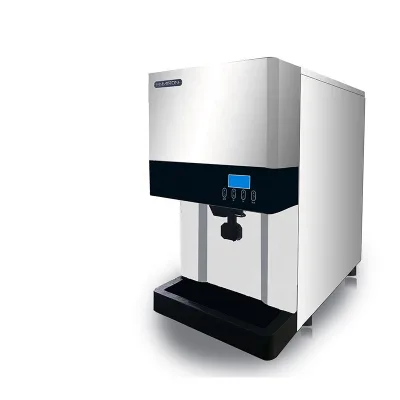


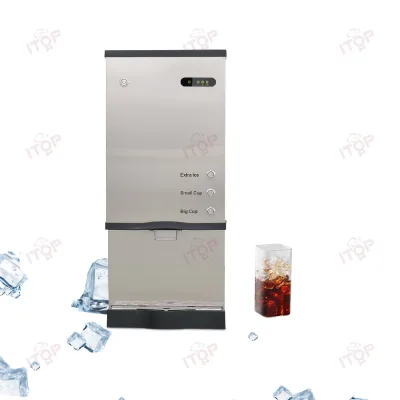


Automatic Small Ice Cube Vending Station Self Service Cube Ice Water Machine
$360.00 - $500.00
MOQ: 1 Pieces


Comprehensive Sourcing Guide
Water-Cooled Granule Ice Vending Machine Sourcing Guide
Sourcing a water-cooled granule ice vending machine requires a careful balance between thermal efficiency, mechanical reliability, and automated operational integrity. These units are designed for commercial environments where consistent ice production and minimal manual intervention are critical. The condensing mode, specifically water-cooled, offers distinct advantages in temperature regulation compared to air-cooled alternatives, particularly in high-ambient-temperature settings or enclosed vending spaces. Buyers must understand that the choice of cooling method directly impacts the machine’s footprint, water infrastructure requirements, and overall energy consumption profile.
The granule ice shape, often referred to as nugget ice, is preferred in many commercial applications due to its texture and rapid cooling properties. This specific ice type requires a specialized ice-making system that differs from cube or flake production. When evaluating suppliers, procurement teams should focus on machines that integrate full automatic ice bagging and sealing systems, as these features reduce labor costs and improve hygiene standards. The integration of these systems into an integral type structure ensures that the vending, cooling, and dispensing mechanisms operate as a unified unit, reducing potential points of failure.
Product Scope and Observed Listing Signals
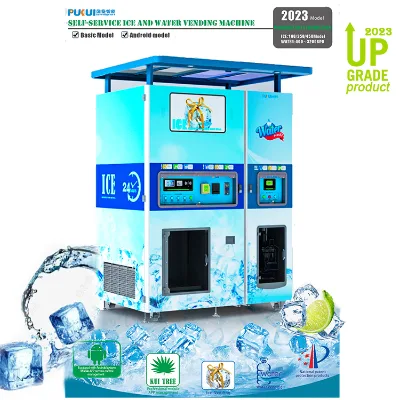
The current market landscape for these machines reveals a diverse range of models, with observed listings indicating a price range from approximately $285 to $10,000 USD. This wide variance suggests significant differences in capacity, automation level, and component quality. Buyers should note that the minimum order quantity (MOQ) is frequently listed as one unit, indicating that suppliers are willing to accommodate single-unit purchases, which is typical for specialized commercial equipment. However, the price disparity should serve as a warning to scrutinize the specifications closely, as lower-priced units may lack critical features such as automatic cleaning or advanced monitoring systems.
Observed product attributes highlight a strong trend toward automation and remote management capabilities. Many listed models feature electric control systems, automatic cleaning devices, and failure self-detection mechanisms. These features are essential for maintaining operational uptime in unattended vending locations. Additionally, the presence of extended networking support and remote control systems, such as GSM-based monitoring, allows operators to track machine status, inventory levels, and performance metrics in real-time. Buyers should prioritize models that offer these connectivity options to ensure efficient remote management and proactive maintenance.
Technical Specifications to Verify
When evaluating technical specifications, the condensing mode is a primary differentiator. While some models are air-cooled, the focus here is on water-cooled units, which typically offer more stable operating temperatures and potentially higher efficiency in warm environments. Buyers must verify the power requirements, as observed listings indicate power consumption greater than 400W. It is crucial to confirm the exact wattage and voltage compatibility with the installation site’s electrical infrastructure to avoid operational issues or safety hazards. The ice-making system should be confirmed as fully automatic, ensuring consistent production without manual intervention.
The physical dimensions and capacity are critical for site planning. Observed models vary significantly in size, with some units measuring approximately 110cm in length, 100cm in width, and 220cm in height, while others are more compact. Capacity ranges from 140kg to 900kg of ice per day, depending on the model. Buyers must match the machine’s capacity to the expected demand of the installation site. Additionally, the water treatment system should be verified, with some models capable of processing up to 200 gallons per day. Ensuring adequate water supply and drainage is essential for the proper functioning of water-cooled systems.
Compliance and Safety Documentation
Compliance with international standards is a non-negotiable aspect of sourcing commercial ice vending machines. Buyers should request documentation confirming that the equipment meets relevant safety and quality standards, such as CE and ISO certifications. These certifications indicate that the manufacturer adheres to established guidelines for electrical safety, mechanical integrity, and environmental impact. It is important to verify the validity of these certificates and ensure they are specific to the model being purchased, as certifications may vary across different product lines.
Safety features such as power-off protection and automatic cleaning devices are critical for both user safety and product hygiene. Power-off protection ensures that the machine shuts down safely in the event of an electrical surge or failure, preventing damage to internal components. Automatic cleaning devices help maintain the hygiene of the ice-making and dispensing systems, reducing the risk of contamination. Buyers should also inquire about the availability of machinery test reports, which provide independent verification of the machine’s performance and reliability under standard operating conditions.
Cost Drivers and Commercial Terms
The cost of a water-cooled granule ice vending machine is influenced by several factors, including capacity, automation level, and included features. Models with higher daily ice production capacities, such as those producing up to 900kg per day, will naturally command higher prices. Additionally, machines equipped with advanced features like LCD displays, coin and bill acceptance systems, and IC card payment options may have higher upfront costs. Buyers should evaluate the total cost of ownership, considering not just the purchase price but also ongoing maintenance, energy consumption, and water usage.
Commercial terms such as warranty and customization options are also significant cost drivers. Most suppliers offer a one-year warranty on core components, including the motor, bearing, and pressure vessel. Buyers should clarify the scope of the warranty and the process for claiming repairs or replacements. Customization options, such as branding or specific payment system configurations, may incur additional fees. It is advisable to negotiate these terms upfront to avoid unexpected costs during the procurement process.
Supplier Qualification and Quality Control
Supplier qualification is a critical step in ensuring the reliability of the purchased equipment. Buyers should verify the supplier’s manufacturing capabilities and quality control processes. Requesting details about the core components, such as the motor and pressure vessel, can provide insight into the machine’s durability. Suppliers that provide machinery test reports demonstrate a commitment to quality assurance and can offer valuable data on the machine’s performance under various conditions. Buyers should also inquire about the supplier’s experience in exporting similar equipment, particularly to their target market.
Quality control should extend beyond the initial purchase to include ongoing support and maintenance. Suppliers that offer remote control systems and failure self-detection capabilities enable proactive maintenance, reducing downtime and repair costs. Buyers should assess the supplier’s responsiveness to technical issues and the availability of spare parts. Establishing a clear communication channel with the supplier for technical support is essential for resolving any issues that may arise during the machine’s operational life.
Long-Term Procurement Checks
Long-term procurement success depends on the machine’s ability to operate reliably over time with minimal intervention. Buyers should consider the ease of maintenance and the availability of replacement parts. Machines with automatic cleaning devices and failure self-detection systems are easier to maintain, as they reduce the need for manual inspections and repairs. Additionally, the availability of remote monitoring capabilities allows operators to address issues before they become critical, ensuring continuous operation.
Environmental conditions and installation requirements are also important considerations for long-term procurement. Water-cooled machines require a reliable water supply and proper drainage, which must be accounted for during site selection. Buyers should also consider the machine’s energy efficiency, as lower power consumption can lead to significant cost savings over the machine’s lifespan. By carefully evaluating these factors, buyers can make informed decisions that ensure the long-term success of their ice vending operations.
FAQs
What ice shape does the water-cooled granule ice vending machine produce?
The machine produces granule ice as its primary ice shape. This specific output is confirmed by the product attributes listed for the water-cooled condensing mode units available in the current catalog.
Can the water-cooled granule ice vending machine be customized for buyers?
Yes, customization is available for this equipment. Buyers can request specific modifications, and the product listing explicitly states that customized options are offered for the water-cooled granule ice vending machine models.
Which certification standards do the water-cooled granule ice vending machines meet?
The machines meet CE and ISO certification standards. These standards are documented in the product specifications for the water-cooled granule ice vending machines originating from China, ensuring compliance with international safety requirements.
How is the water-cooled granule ice vending machine powered and controlled?
The unit operates with electric control and consumes more than 400W of power. It features an integral structure with automatic cleaning devices and power-off protection to ensure safe and efficient commercial operation indoors.
What payment methods are supported by the water-cooled granule ice vending machine?
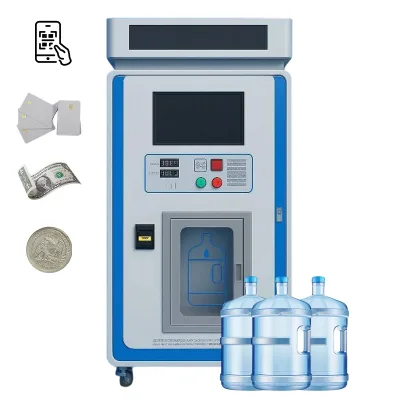
The machine supports coins, bills, IC cards, and provides change. The payment system is designed for flexibility, allowing users to select from multiple options including coin charging systems and remote control capabilities via GSM.
Can the water-cooled granule ice vending machine be used in indoor environments?
Yes, the machine is designed specifically for indoor environmental conditions. Its structure and condensing mode are optimized for indoor commercial applications, ensuring reliable performance without exposure to outdoor weather elements.