Source Water-Cooled Four-Stroke Diesel Engine for Trucks, Ships, Engineering
Compare 30 listings of water-cooled four-stroke diesel engines suitable for trucks, ships, and engineering projects. Buyers can review specifications like power output, cylinder count, and cooling methods to find the right unit for land use applications.
Key considerations
Products List


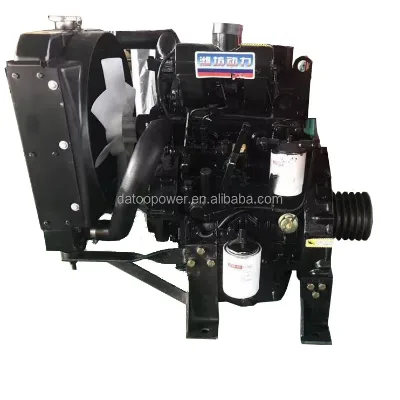


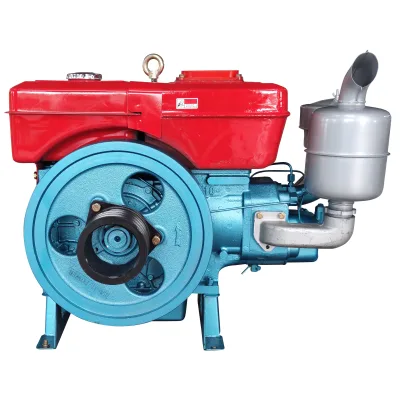


Comprehensive Sourcing Guide
Strategic Sourcing Guide for Water-Cooled Four-Stroke Diesel Engines
Procuring industrial-grade powertrain components requires a disciplined approach that balances technical performance with supply chain reliability. The core keyword, water-cooled four-stroke diesel engine, represents a specific class of machinery widely utilized across construction, transportation, and emergency power sectors. Buyers entering this market must navigate a landscape defined by diverse cylinder configurations, varying displacement capacities, and strict compliance requirements. This guide outlines the critical factors for evaluating suppliers and selecting units that meet operational demands without relying on unverified marketing claims.
Technical Architecture and Configuration Analysis
The fundamental architecture of a water-cooled four-stroke diesel engine dictates its efficiency, durability, and suitability for specific applications. In the observed market, these units frequently feature a four-cylinder in-line configuration, though six-cylinder variants are also present. The combustion cycle relies on compression ignition, where fuel is injected into a cylinder filled with highly compressed, hot air, eliminating the need for a spark plug. This design is inherently robust and efficient for continuous duty cycles.
A critical technical differentiator is the aspiration method. Many high-performance units in this category utilize a turbocharged and charge air-cooled system. This configuration forces more air into the combustion chamber, significantly increasing power output relative to engine displacement. The cooling method is explicitly water-based, utilizing a liquid coolant loop to manage thermal loads, which is essential for maintaining engine integrity under heavy loads. The bore and stroke dimensions, such as a 102mm bore by 115mm stroke, determine the engine's displacement, which in these examples is observed around 3.8 liters for four-cylinder models.
The installation method is typically fixed, indicating that these engines are designed to be bolted into a chassis or a stationary frame rather than being portable in a loose configuration. The body material is predominantly iron, providing the necessary structural rigidity to withstand high combustion pressures. Understanding these mechanical attributes is the first step in matching an engine to a specific load profile.
Performance Specifications and Operational Metrics
When evaluating the performance of a water-cooled four-stroke diesel engine, buyers must scrutinize the rated power, horsepower, and fuel consumption characteristics. Market observations indicate a range of power outputs, with specific models rated at 76 kW or 90 horsepower. These figures are not universal; they vary based on the engine model, such as the 4102 or 4BT series, and the specific tuning of the injection system.
The starting mechanism is another vital specification. Most units in this category are designed for electric start, ensuring rapid deployment in emergency or standby scenarios. The fuel type is strictly diesel, aligning with the compression-ignition design. For applications requiring variable speed or load management, the adjustable rate is a key metric, with some units offering a 5% adjustment capability to fine-tune performance.
The total piston displacement, measured in liters, serves as a proxy for the engine's torque potential. A displacement of 3.8 liters is common for four-cylinder units, while six-cylinder variants will naturally possess higher displacement. The oil capacity, observed at 6.8 liters in specific models, is a critical maintenance parameter that buyers must verify to ensure proper lubrication intervals and fluid management. The weight of these units, often around 340 kg with a tolerance of ±20 kg, impacts transportation logistics and mounting requirements.
Compliance, Certification, and Emission Standards
Navigating the regulatory landscape is essential for international procurement. Compliance is not merely a formality but a prerequisite for market entry and operational legality. Buyers should verify that suppliers possess recognized quality management certifications. Observed documentation frequently cites ISO 9001 and SGS, which indicate adherence to international quality control standards. Additionally, CE certification is often referenced, suggesting compliance with European safety and health requirements.
Emission standards are a growing concern in global procurement. The discharge standard for these engines is a critical compliance metric. Specific models in the observed data adhere to Euro III standards, which govern the permissible levels of nitrogen oxides and particulate matter. Buyers must confirm that the engine's emission rating matches the regulatory requirements of the destination country, as standards vary significantly between regions.
The warranty terms also serve as a proxy for supplier confidence. A standard warranty period observed in this sector is 6 months or 1000 operating hours, whichever comes first. This limitation underscores the importance of rigorous pre-shipment inspection and the need for a robust after-sales support network.
Cost Drivers and Procurement Parameters
The pricing of water-cooled four-stroke diesel engines is influenced by a complex matrix of factors, including cylinder count, power output, and the complexity of the cooling and aspiration systems. The observed price range in the market is substantial, spanning from $135 to $20,000. This wide variance reflects the difference between smaller, lighter units and larger, heavy-duty industrial engines.
Minimum Order Quantity (MOQ) is another critical procurement parameter. While some suppliers may require bulk orders, the observed data indicates that many vendors offer an MOQ of just one piece, facilitating procurement for small-scale projects or single-unit replacements. However, buyers should be aware that this flexibility may come with higher per-unit costs or longer lead times compared to bulk purchases.
Packaging is a significant cost driver in logistics. Engines are typically shipped in wooden cases or wrapped in PE film to prevent damage during transit. The choice of packaging material affects shipping costs and environmental compliance, particularly in regions with strict wood treatment regulations. Buyers should also consider the origin of the product, with major manufacturing hubs located in China, specifically in regions like Wuhan, which can influence shipping duration and customs duties.
Typical Applications and Usage Scenarios
The versatility of water-cooled four-stroke diesel engines makes them suitable for a broad spectrum of applications. The primary usage categories include common units, standby units, and emergency crew support. In land-use scenarios, these engines power a variety of machinery, from construction equipment to agricultural vehicles.
Specific application areas identified in the market data include trucks, buses, ships, and engineering machinery. The self-starting capability and fixed installation method make them ideal for integration into larger systems where reliability is paramount. For example, in a truck or bus, the engine provides the primary propulsion, while in a ship, it may serve as a main or auxiliary power source. The "ordinary" land-use type classification suggests these units are designed for general-purpose industrial and commercial use rather than specialized, extreme-environment operations.
The ability to customize the engine further expands its applicability. Suppliers offering customization can tailor the engine to specific mounting requirements, power outputs, or auxiliary system integrations, ensuring a perfect fit for unique operational needs.
Supplier Evaluation and Quality Assurance
Selecting the right supplier requires a thorough evaluation of their technical capabilities and quality assurance processes. Buyers should prioritize suppliers who provide transparent documentation regarding their production standards and testing protocols. The presence of certifications like ISO 9001 and SGS is a strong indicator of a supplier's commitment to quality, but it should be verified through current, valid certificates.
Quality control should extend beyond the factory floor. Buyers must inquire about the testing procedures used to validate engine performance before shipment. While specific test results are not universally published, the "guaranteed quality" claim suggests that manufacturers perform rigorous checks. The warranty terms, such as the 6-month or 1000-hour coverage, provide a baseline for expected reliability, but buyers should seek additional assurances for critical applications.
The origin of the product is also a factor in supplier evaluation. Manufacturing in established industrial regions like Wuhan, China, often implies access to a mature supply chain and skilled labor force. However, buyers should verify the specific factory location and its capacity to meet demand without compromising quality.
Long-Term Procurement and Maintenance Considerations
Sourcing a water-cooled four-stroke diesel engine is not a one-time transaction but the beginning of a long-term operational relationship. Maintenance requirements, such as oil capacity and replacement intervals, must be factored into the total cost of ownership. The specified oil capacity of 6.8 liters, for instance, dictates the frequency and volume of fluid changes required.
Buyers should also consider the availability of spare parts and technical support. Engines with standardized models, such as the 4102 or 4BT, often have a wider availability of aftermarket parts compared to proprietary designs. The "adjustable rate" feature allows for some operational flexibility, but the mechanical limits of the engine must be respected to ensure longevity.
Finally, the installation method being fixed means that the initial setup is permanent. Buyers must ensure that the site preparation, including foundation stability and cooling system integration, is completed before the engine arrives. Proper installation is critical to preventing premature wear and ensuring the engine operates within its designed parameters. By focusing on these long-term considerations, buyers can secure a reliable power source that delivers value over its entire service life.
FAQs
What is the rated power of the 4102 engine model?
The 4102 engine model has a rated power of 76 kW. This specification applies to the four-cylinder in-line configuration with a 3.8-liter displacement and direct injection system.
Which certifications do these diesel engines typically hold?
These engines typically hold ISO 9001 and SGS certifications. Some listings also reference CE certification, indicating compliance with international quality and safety standards for industrial use.
Can buyers customize the engine specifications for their needs?
Yes, customization is available for these water-cooled four-stroke diesel engines. Buyers can request specific adjustments to meet unique operational requirements or integration needs for their machinery.
What is the minimum order quantity for purchasing these units?
The minimum order quantity is one piece for many suppliers. This low MOQ allows buyers to procure single units for replacement or small-scale projects without bulk commitments.
How is the engine cooled and what is the oil capacity?
The engine uses water cooling and has an oil capacity of 6.8 liters. This capacity ensures proper lubrication for the four-stroke compression-ignition design during operation.
Where are these engines manufactured and what is the warranty?
These engines are manufactured in China, with specific origins noted in Wuhan. The standard warranty covers 6 months or 1000 operating hours, whichever comes first.
What is the discharge standard for these diesel engines?
The discharge standard for these engines is Euro III. This compliance level governs permissible emissions of nitrogen oxides and particulate matter for the observed four-stroke diesel models.