Source Waterproof Insulated Cooler Tote for Picnics, Travel, and Cans
Find 30 Waterproof Insulated Cooler Tote options from Chinese manufacturers. Compare features like Oxford and polyester materials, zipper closures, and custom logo printing. These bags offer thermal insulation for food, drinks, and outdoor activities; compare the available evidence and request quotations based on your requirements.
Key considerations
Products List
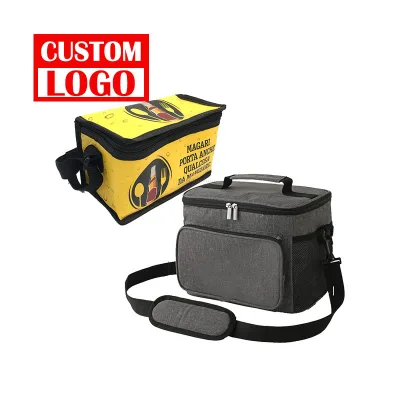


Factory Customized Waterproof Cooler Bag with Pocket Insulated Thermal Bag
$9.68 - $11.00
MOQ: 500 Pieces


Comprehensive Sourcing Guide
Waterproof Insulated Cooler Tote Sourcing Guide
Buyers evaluating waterproof insulated cooler totes must first distinguish between general storage bags and specialized thermal units designed for temperature retention. The observed product data indicates a strong focus on Oxford and Polyester materials with aluminum lining, which are critical for maintaining cold temperatures during transport. These units are frequently marketed for food, travel, and outdoor activities, suggesting that procurement decisions should prioritize bags with verified thermal insulation properties rather than generic water-resistant features.
The market signals reveal a diverse range of capacities, from 15 to 30 liters, catering to different usage scenarios such as picnics, beach outings, or daily commuting. Buyers should verify that the specific model selected matches the intended load volume, as the observed listings show significant variation in single package sizes and gross weights. Understanding these physical constraints is essential for logistics planning, ensuring the chosen tote fits within shipping dimensions while providing the necessary storage space for beverages or perishable goods.
Product Scope and Observed Listing Signals
The product scope for waterproof insulated cooler totes encompasses a wide array of applications, including food storage, wine transport, and promotional gift distribution. Observed listings highlight features like leak-proof construction, shoulder straps, and foldable designs, which indicate a demand for versatility in both commercial and personal contexts. Buyers should note that while many products claim eco-friendly and recyclable attributes, the primary functional requirement remains the ability to keep contents cool or warm for extended periods.
Listing signals also point to a high degree of customization, with options for branded logos and varied color schemes to suit corporate or retail needs. The presence of multiple closure types, such as zippers and hook-and-loop fasteners, suggests that buyers must evaluate the security of the seal based on their specific cargo requirements. Additionally, the observation of "Colorful Color" and "Printed" options implies that aesthetic customization is a standard expectation in this category, requiring clear communication of design specifications during the sourcing process.
Technical Specifications to Verify
Technical verification must begin with the insulation material, as the observed data specifies aluminum lining as a key component for thermal efficiency. Buyers should request detailed specifications regarding the thickness of the lining and the quality of the outer fabric, whether Oxford or Polyester, to ensure durability against abrasion and moisture. The presence of multiple compartments and specific handle types, such as shoulder straps, further necessitates a review of the internal layout to confirm it aligns with the intended storage configuration.
Capacity and weight are critical technical parameters that vary significantly across the observed product range, with capacities listed from 15 to 30 liters and weights ranging from 150g to 200g. Procurement teams must validate that the single package size and gross weight match the logistical requirements of their distribution network. Furthermore, the closure mechanism, typically a zipper, should be tested for reliability to prevent leaks, ensuring the bag maintains its waterproof and leak-proof integrity under stress.
Compliance and Safety Documentation
While specific certification data is limited in the provided context, buyers must insist on documentation confirming that materials are safe for food contact, especially given the primary application of food storage. The observed mention of "Safety Factor" and "Eco-Friendly" attributes suggests a market trend toward non-toxic materials, but this requires formal verification through supplier-provided test reports or compliance statements. Without explicit certification data, buyers should treat these claims as observations that require independent validation before large-scale deployment.
Safety documentation should also address the structural integrity of the bag, particularly regarding the handle and closure systems which bear the load during transport. Buyers should verify that the sewing processes and surface handling techniques, such as hot stamping, do not compromise the material's safety or durability. Ensuring that the product meets general safety standards for consumer goods is essential, even if specific regulatory certifications are not explicitly listed in the initial product descriptions.
Cost Drivers and Commercial Terms
Cost drivers in this category are heavily influenced by material quality, specifically the type of fabric and the thickness of the thermal lining. The observed range of MOQs from 50 to 5000 units indicates that pricing structures are likely tiered, with significant economies of scale available for larger orders. Buyers should anticipate that customization options, such as logo printing and specific color schemes, will add to the base unit cost, requiring a clear understanding of the price impact of these variables.
Commercial terms must account for the observed lead time of usually 30 days, which impacts inventory planning and order scheduling. The packaging method, listed as PP bags or cartons, also affects shipping costs and must be factored into the total landed cost calculation. Buyers should negotiate clear terms regarding payment schedules and delivery timelines, ensuring that the supplier can meet the 30-day delivery window without compromising on quality or customization requirements.
Supplier Qualification and Quality Control
Supplier qualification should focus on verifying the production origin, as the data points to manufacturers in Hubei and Wenzhou, China. Buyers must assess the supplier's capacity to handle the observed range of customization, including logo acceptance and varied model numbers like JMW portable collapsible insulated bags. It is crucial to confirm that the supplier has the technical capability to maintain consistent quality across different production runs, especially when dealing with complex features like multiple compartments and specialized closures.
Quality control protocols must include rigorous testing of the waterproof and thermal insulation claims, as these are central to the product's value proposition. Buyers should implement pre-shipment inspections to verify that the finished goods match the specified single package size, weight, and material composition. Establishing a clear quality agreement that defines acceptable defect rates and performance benchmarks is essential to mitigate the risk of receiving substandard products that fail to meet the expected thermal or durability standards.
Long-Term Procurement Checks
Long-term procurement strategies should prioritize the stability of the supply chain and the consistency of product specifications over time. Buyers need to monitor whether the supplier can maintain the observed material standards, such as Oxford or Polyester with aluminum lining, as production volumes scale up. Regular audits of the manufacturing process are recommended to ensure that the "Eco-Friendly" and "Reusable" claims remain valid and that the product continues to meet safety and performance expectations.
Sustainability and durability are key factors for long-term success, requiring ongoing evaluation of the product's lifecycle and end-of-life disposal options. Buyers should track the performance of the totes in real-world conditions to validate claims of heat preservation and leak-proof capabilities. Establishing a feedback loop with end-users will help identify any recurring issues with the zipper, handle, or insulation, allowing for proactive adjustments to the product design or supplier selection in future procurement cycles.
FAQs
How does the aluminum lining keep drinks and food cold in the cooler tote?
The insulated interior uses an aluminum lining that reflects heat away from the contents, slowing warming of chilled items. Insulation performance depends on how full the bag is, how often it is opened, and outside temperatures. Adding ice packs alongside cans or bottles extends cooling time, and the zipper closure helps seal cold air inside between uses.
What materials are used to make the Waterproof Insulated Cooler Tote?
The tote is made from oxford fabric, with polyester also used across the range, and features an aluminum lining for insulation. Oxford is a tightly woven material that resists water and handles regular outdoor use. The bag weighs roughly 150 to 200 grams, keeping it light and easy to carry to picnics, beaches, and camping trips.
Can I add my own logo and custom colors to the cooler tote?
Yes, customization is available, and custom logos are accepted with the brand name tailored to your own artwork. Printed color options and customized patterns can be applied during production. Minimum order quantities typically range from 50 to 5000 units, so confirm artwork format and placement with the supplier before the order is finalized.
Which sizes and capacities are offered for the insulated cooler tote?
Available capacities include 15 L, 20 L, 24 L, and 30 L, giving options from a small lunch load to a large picnic or beach load. The listed single package size is about 10 by 10 by 2 centimeters for the folded bag, and the medium folded size makes storage simple when the tote is not in use.
How long does production and delivery usually take for a custom order?
Delivery time is usually around 30 days after order confirmation, though the exact schedule depends on order quantity and customization complexity. Orders shipped in pp bags or cartons are packed per the agreed specification. Confirm lead time in writing when ordering, since logo printing and custom patterns may add production steps before shipment.
What features make this tote suitable for outdoor activities and travel?
The tote is water resistant, insulated, leak proof, and foldable, with a shoulder strap and handle options for easy carrying. It suits cans, bottles, wine, food, and larger storage loads for picnics, hiking, camping, and beach outings. Its light weight and large capacity make it practical for day trips, and it is reusable across all seasons.
Can the cooler tote keep food warm as well as cold?
Yes, the aluminum-lined insulated construction supports both heat preservation and keeping contents cold. Use it for warm prepared food during short trips, and preheat the bag with warm items packed quickly. Thermal performance is strongest when the zipper is kept closed and the bag is filled reasonably full, reducing air space inside the compartment.
How is the bag closed and what compartments does it include?
The cooler tote closes with a zipper, and some models also offer hook and loop closures for quicker access. Multiple compartments help separate drinks, food, and utensils during transport. The zipper seal supports insulation and leak resistance, while the foldable soft construction lets the empty bag collapse flat for convenient storage between outings.