Source Water-Cooled Four Cylinder Diesel Engine for Generators
Find a Water-Cooled Four Cylinder Diesel Engine from 30 verified listings. Compare specifications like bore, stroke, and power output to identify the right industrial power solution for your procurement needs; compare the available evidence and request quotations based on your requirements.
Key considerations
Products List


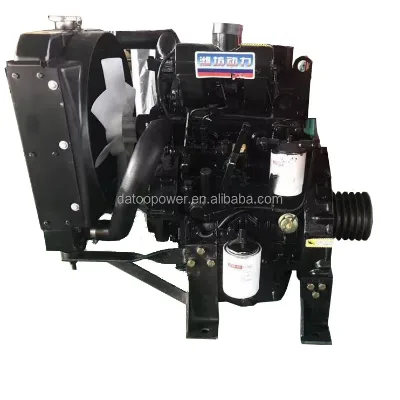


6 Cylinders Water Cooled Diesel Engine for Generator Diesel Generator Engine
$1900.00 - $2800.00
MOQ: 1 Pieces


38HP Small Diesel Engine Water Cooled Two Cylinder Diesel Engine for Sale
$760.00 - $800.00
MOQ: 1 Pieces


China Low Speed Water Cooling Diesel Engine for Engineering Machinery
$5600.00 - $8000.00
MOQ: 1 Pieces


Diesel Engine 2021 Custom Design Water Cooled 22HP 4 Cylinders Diesel Engine
$3000.00 - $5000.00
MOQ: 5 Pieces


Comprehensive Sourcing Guide
Water-Cooled Four Cylinder Diesel Engine Sourcing Guide
Procuring a water-cooled four-cylinder diesel engine requires distinguishing between high-speed industrial variants and low-speed stationary units, as the supplied data reveals a wide spectrum of configurations. Buyers must verify whether the specific listing targets power output applications or stationary roles, noting that observed models range from 2.2L to 3.76L displacement with varying cylinder arrangements. The presence of both naturally aspirated and supercharged intake options further complicates selection, demanding a clear definition of the intended load profile before engaging suppliers.
Verification of the ignition mode is critical, as the market data indicates a split between compression-ignition diesel systems and electric ignition alternatives that may not suit all industrial standards. While some listings specify a four-stroke cycle with reciprocating piston movement, others describe double-cylinder or six-cylinder configurations that deviate from the core four-cylinder requirement. Buyers should scrutinize the product model numbers, such as 6D10D283A or 4D22, to ensure the physical engine architecture matches the specific mechanical constraints of their machinery or power generation setup.
Product Scope and Observed Listing Signals
The observed product listings demonstrate significant variability in cylinder counts, with some entries explicitly stating double-cylinder or six-cylinder arrangements alongside the target four-cylinder specification. This inconsistency suggests that buyers must carefully filter search results to isolate engines with the exact "4-Cylinder" attribute, as generic searches may return incompatible two-cylinder or six-cylinder units. The presence of specific bore and stroke dimensions, such as 110mm by 117mm or 102mm by 115mm, serves as a primary signal for verifying the physical footprint and displacement compatibility with existing mounting frames.
Pricing signals in the market range widely from 5 to 10,000 USD, reflecting differences in power ratings, cooling systems, and brand origins like Weifang or Beijing-based manufacturers. Buyers should treat these price points as indicative of the engine's condition and complexity rather than a fixed standard, noting that new condition units with electric starter systems often command higher premiums. The observed minimum order quantities of one set suggest flexibility for single-unit procurement, yet the wide price variance necessitates a detailed comparison of included accessories and warranty terms to determine true value.
Technical Specifications to Verify
Technical due diligence must begin with the cooling system architecture, as the core requirement specifies water-cooled designs, yet some listings may ambiguously describe cooling methods. Buyers should confirm the bore diameter and stroke length, as these dimensions directly dictate the displacement and torque characteristics, with observed values ranging from 84mm to 117mm. It is essential to cross-reference the rated power and speed, such as the 40hp or 42hp/2000rpm figures, against the intended application to ensure the engine can sustain the required load without overheating or premature wear.
The fuel system and ignition mode require precise validation, particularly given the mix of compression-ignition diesel engines and electric ignition variants found in the data. Buyers must verify the intake pressure impulse, distinguishing between naturally aspirated and supercharged models, as this choice significantly impacts performance at altitude or under heavy load. Additionally, the firing order, such as the observed 1-3-4-2 sequence, and the compression ratio, noted as 17:01 in some listings, are critical for ensuring compatibility with the engine's control systems and fuel injection timing.
Compliance and Safety Documentation
While specific certification statuses like CE or ISO9001 appear in background data, buyers should not assume these are present without explicit documentation from the supplier. The sourcing guide emphasizes that compliance verification is a proactive step, requiring the buyer to request current test reports and safety certificates that align with the destination country's regulations. Relying on general market knowledge is insufficient; instead, procurement teams must demand proof of adherence to local emission standards and safety protocols before finalizing any purchase agreement.
Documentation regarding the engine's origin, such as the listed production locations in China or Beijing, should be accompanied by a full bill of materials and origin certificates. Buyers must ensure that the provided paperwork includes detailed maintenance manuals and safety warnings specific to the water-cooled system, as improper handling of cooling fluids can lead to catastrophic failure. The absence of explicit certification claims in the primary data underscores the need for rigorous document review to mitigate regulatory risks and ensure the equipment meets all legal requirements for operation.
Cost Drivers and Commercial Terms
The commercial landscape for these engines is influenced by the packing method, with plywood packaging observed as a standard for protecting the unit during transit. Buyers should evaluate whether the quoted price includes the cost of this specialized packing or if it is an additional line item, as improper packaging can lead to damage during shipping. The observed minimum order quantity of one set allows for flexible purchasing, but buyers must negotiate clearly on whether bulk discounts apply for multiple units to optimize the total cost of ownership.
Warranty terms, such as the observed 1000-hour coverage, represent a significant cost driver that varies by supplier and engine model. Procurement teams must clarify the scope of this warranty, including whether it covers labor, parts, or both, and how the 1000-hour limit is calculated against actual operating hours. Additionally, the selling unit designation as a single item suggests that accessories like mounting kits or control panels may be excluded, requiring buyers to budget separately for these essential components to ensure a fully operational system.
Supplier Qualification and Quality Control
Supplier qualification should focus on verifying the brand reputation and manufacturing history, with Weifang and Beijing-based entities appearing in the data as potential sources. Buyers must assess the supplier's ability to provide consistent quality control, particularly given the observed variations in cylinder counts and specifications across different listings. Establishing a clear communication channel for technical queries is essential, as the diversity of models like the 2110 or 4D22 requires precise specification matching to avoid receiving incorrect engine variants.
Quality control protocols must extend beyond the initial inspection to include pre-shipment testing and verification of the engine's condition. Buyers should request evidence of the new condition status and confirm that the engine has undergone rigorous testing for compression ratios and firing orders before dispatch. Implementing a third-party inspection for the first order is advisable to validate the physical attributes, such as the bore and stroke dimensions, ensuring that the delivered product matches the technical specifications agreed upon in the purchase order.
Long-Term Procurement Checks
Long-term procurement success depends on establishing a reliable supply chain for spare parts, particularly for components like pistons, cylinders, and cooling system elements. Buyers should verify the availability of replacement parts for the specific model numbers, such as 6D10D283A or 4D22, to minimize downtime during maintenance cycles. The observed 1000-hour warranty period highlights the importance of a robust after-sales support network, ensuring that any defects are addressed promptly without disrupting the buyer's operations.
Continuous monitoring of the engine's performance metrics, including speed, power output, and fuel consumption, is vital for maintaining efficiency over the product's lifecycle. Buyers should implement a schedule for regular inspections to check the water-cooling system for leaks or blockages, as these issues can escalate quickly if left unaddressed. By maintaining detailed records of operating hours and maintenance activities, procurement teams can better predict replacement needs and negotiate favorable long-term service agreements with their suppliers.
FAQs
What is the standard cooling method for this diesel engine?
The standard cooling method is water-cooled, ensuring efficient heat dissipation during continuous operation. This design supports stable performance in stationary power applications. The system relies on liquid circulation to maintain optimal operating temperatures, preventing overheating and extending the engine's service life under heavy loads.
How many cylinders does the typical model feature?
Typical models feature four cylinders arranged in an L-shape configuration. This layout provides a compact footprint while delivering balanced power output. The four-cylinder design ensures smooth reciprocating piston movement, which is essential for consistent energy generation in industrial and commercial power output applications.
Can the engine be customized for specific power needs?
Yes, customization is available to meet specific operational requirements. Buyers can request adjustments to fit particular machinery interfaces or power demands. This flexibility allows for tailored solutions, ensuring the engine integrates seamlessly into various stationary setups while maintaining reliable compression-ignition performance and durability.
What is the ignition mode for this diesel engine?
The ignition mode is compression-ignition, which is standard for diesel engines. This method eliminates the need for spark plugs, relying instead on high compression to ignite the fuel. It ensures robust starting capabilities and efficient fuel combustion, making it ideal for heavy-duty and continuous duty cycles.
What is the typical packing method for shipping?
The typical packing method is plywood crates, which provide robust protection during transit. This secure packaging safeguards the engine from physical damage and environmental factors. It ensures the product arrives in new condition, ready for immediate installation and operation without requiring additional protective measures upon delivery.
Where is this engine typically manufactured?
This engine is typically manufactured in China, a major hub for diesel engine production. The origin indicates access to established supply chains and manufacturing expertise. Buyers benefit from competitive pricing and reliable production capabilities, ensuring consistent quality and availability for global sourcing requirements and large-scale procurement needs.