Source Water Filter Valve for Pool, Household, and Industrial Use
Compare 30 Water Filter Valve options including manual and automatic models for swimming pools, household usage, and water industrial applications. View specifications like pressure ratings, materials, and certifications to find the right solution; compare the available evidence and request quotations based on your requirements.
Updated
Key considerations
Products List

$44.20 - $60.00
MOQ: 1 Pieces

$44.20 - $48.87
MOQ: 1 Pieces


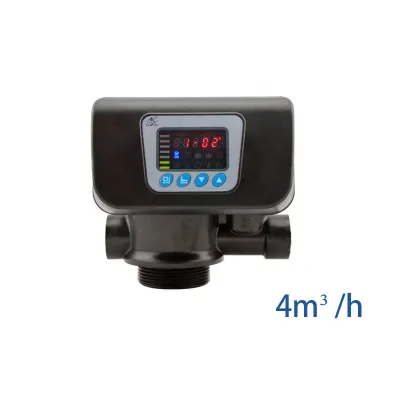
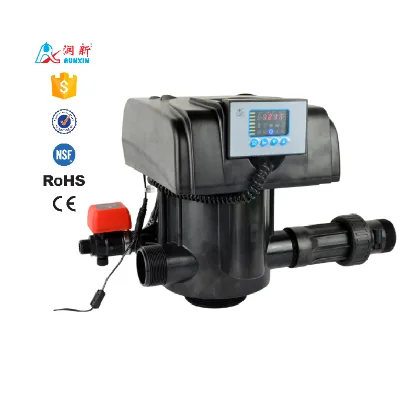
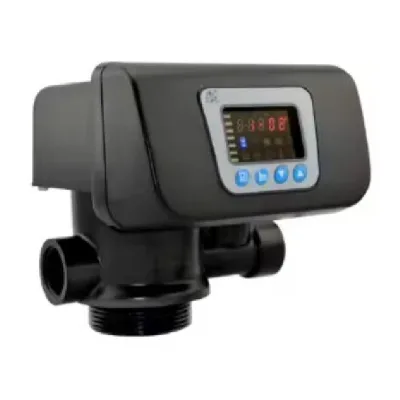
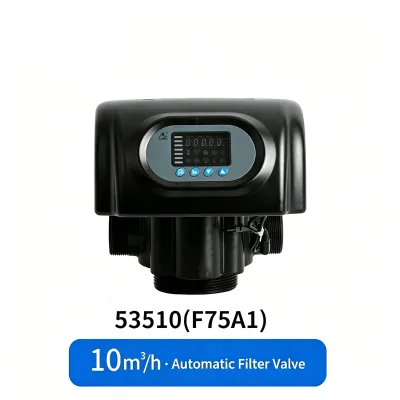
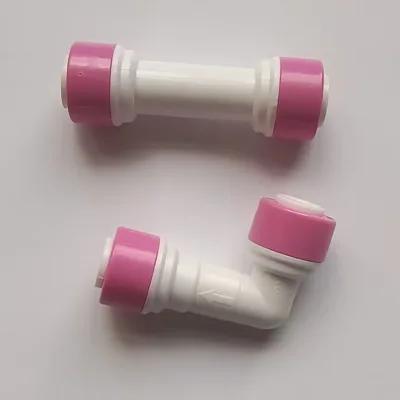
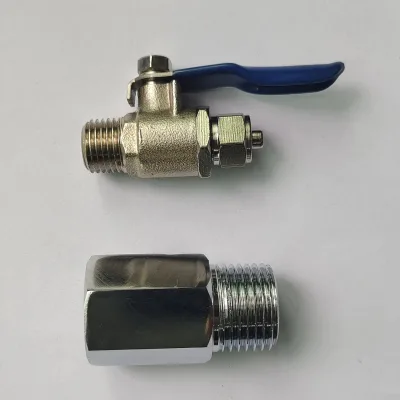
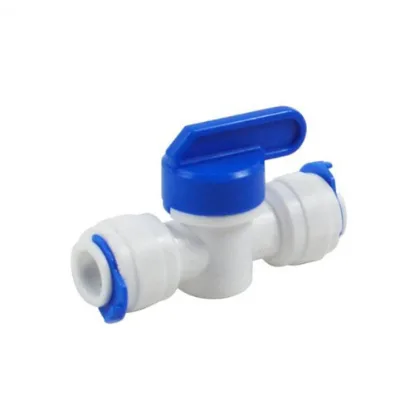
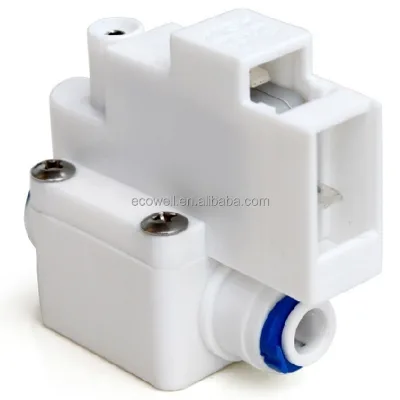
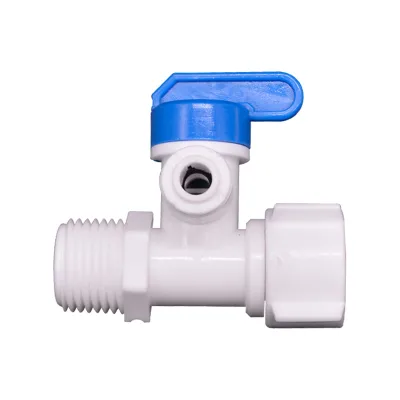


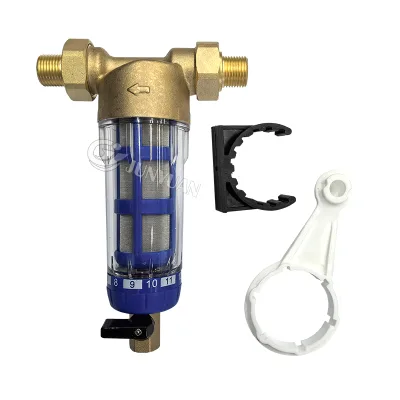
$8.0949 - $16.2929
MOQ: 100 Minimum
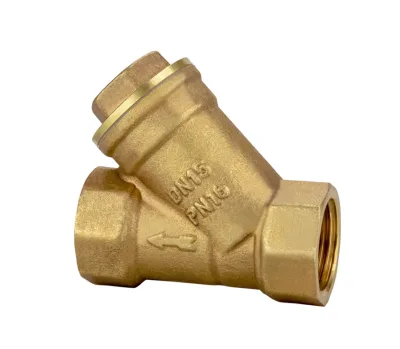
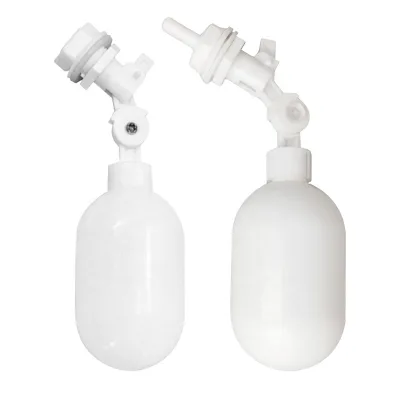
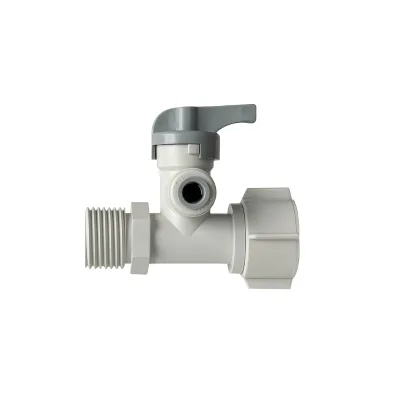
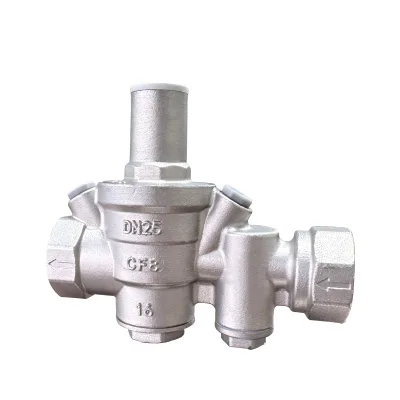
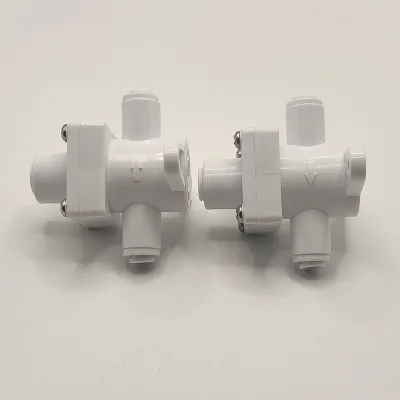


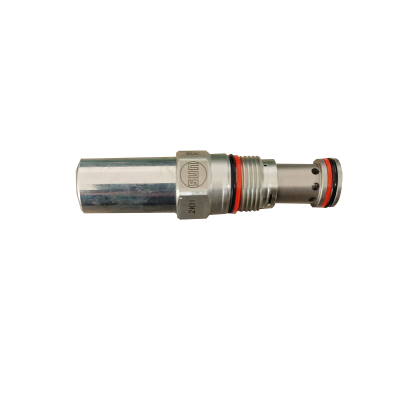


Comprehensive Sourcing Guide
Water Filter Valve Sourcing Guide
Sourcing water filter valves requires a clear understanding of the diverse mechanical and operational configurations available in the global market. Buyers must distinguish between manual and automatic control valves, as the driving mode significantly impacts system complexity and maintenance requirements. The observed product landscape includes top-mount valves, fixed ball valves, and swing structures, each serving distinct hydraulic functions within residential and industrial water treatment setups. Understanding these structural differences is the first step in aligning procurement with specific filtration needs.
The material composition of the valve body and internal components is critical for durability and chemical resistance. Common materials observed include ABS plastic, stainless steel, and PPO with ceramic moving disks, each offering different advantages regarding weight, corrosion resistance, and pressure handling. Buyers should verify the specific material grade against the operating environment, particularly when dealing with high-pressure applications or exposure to harsh chemicals. Selecting the wrong material can lead to premature failure, increased downtime, and higher total cost of ownership.
Product Scope and Observed Listing Signals
The current market offers a wide range of water filter valves, with observed prices ranging from $0.4 to $99,999 USD, reflecting significant variation in complexity and scale. Minimum order quantities (MOQ) typically range from 1 to 5,000 pieces, allowing for both small-scale prototyping and large-volume industrial procurement. This broad spectrum indicates that buyers can find solutions for various project sizes, from household usage to large-scale water industrial usage, provided they align their volume expectations with supplier capabilities.
Product listings frequently highlight specific functional attributes such as filter, backwash, waste, rinse, and closed modes, which are essential for multi-port control valves used in swimming pool and residential filtration systems. Some valves are designed as relief valves with tee-type channels, while others feature reversing flow directions or double lobe mechanisms. Buyers should carefully review these functional descriptions to ensure the valve supports the required hydraulic cycle and flow direction for their specific application, avoiding mismatches that could compromise system efficiency.
Technical Specifications to Verify
Verifying nominal pressure ratings and working pressure limits is essential to prevent system failures under operational stress. Observed specifications include nominal pressures of JIS10-20K and maximum working pressures of 8 bar, with some units rated for bursting pressures up to 38 bar. Buyers must ensure that the selected valve’s pressure rating exceeds the maximum expected system pressure, including potential water hammer effects, to maintain safety and integrity. Mismatched pressure ratings can lead to catastrophic valve failure and significant water damage.
Flow direction and installation type are other critical technical parameters that require careful verification. Some valves support reversing flow, while others are designed for specific pipeline inlet modes or cabinet-type installations. The standard connection sizes, such as 1.5-inch or 2-inch fittings, must match the existing piping infrastructure. Additionally, the working principle, whether ion exchange or mechanical relief, must align with the filtration process. Buyers should request detailed technical drawings to confirm dimensional compatibility and operational logic before finalizing orders.
Compliance and Safety Documentation
Certification status is a key indicator of product quality and regulatory compliance in international markets. Observed certifications include CE, RoHS, and WQA, which signify adherence to European safety, environmental, and water quality standards. Buyers should request valid certification documents for each batch or model, ensuring that the certifications are current and applicable to the specific product variant. Relying on uncertified products can result in customs delays, legal liabilities, and rejection by end-users who require verified compliance.
Patent protection and intellectual property rights are also important considerations for branded components. Some suppliers hold patents in the USA and Europe, indicating proprietary designs that may offer performance advantages or unique features. Buyers should verify that the sourced valves do not infringe on existing patents, particularly when integrating them into larger branded systems. Additionally, warranty terms, such as the observed 12-month warranty, provide a layer of protection against manufacturing defects, but buyers should clarify the scope of coverage and claim procedures.
Cost Drivers and Commercial Terms
Packaging and origin are significant factors influencing logistics costs and supply chain resilience. Products are often packed in cartons, with some listings specifying brand packaging or form cartons, which can affect handling efficiency and product protection during transit. The origin of manufacture, primarily noted as China, including regions like Ningbo and Zhejiang, offers competitive pricing but requires careful management of shipping times and import duties. Buyers should calculate the total landed cost, including freight, insurance, and tariffs, to accurately assess the financial viability of each supplier option.
Customization services, such as OEM and ODM, allow buyers to tailor valves to specific branding or technical requirements. The availability of customization, indicated by "Yes" or "Available" attributes, enables differentiation in the market but may increase unit costs and lead times. Buyers should negotiate clear terms for customization, including tooling fees, minimum order quantities for custom runs, and approval processes for prototypes. Understanding these commercial terms helps in budgeting for non-standard requirements and avoiding unexpected expenses during the procurement process.
Supplier Qualification and Quality Control
Supplier qualification involves verifying manufacturing capabilities and quality management systems. Buyers should assess whether suppliers have the capacity to produce complex valve structures, such as bellows globe valves or fixed ball valves, with consistent quality. The presence of specific material standards, like PP material or stainless steel grades, should be confirmed through material test reports. Engaging with suppliers who demonstrate robust quality control processes reduces the risk of receiving defective products and ensures long-term supply stability.
Quality control checks should include visual inspections, dimensional verification, and functional testing of the valves. Buyers may request pre-shipment inspections to verify that the products meet the agreed-upon specifications, including flow direction, sealing form, and operating pressure. Establishing clear acceptance criteria and rejection protocols in the purchase agreement is essential for maintaining quality standards. Regular audits and performance reviews of suppliers help identify potential issues early and foster a collaborative relationship focused on continuous improvement.
Long-Term Procurement Checks
Long-term procurement success depends on monitoring supplier performance and adapting to market changes. Buyers should track key performance indicators such as on-time delivery, defect rates, and responsiveness to technical queries. Maintaining a diversified supplier base can mitigate risks associated with single-source dependencies, especially for critical components like water filter valves. Regularly reviewing supplier capabilities and market trends ensures that the procurement strategy remains aligned with evolving business needs and technological advancements.
Continuous improvement in product specifications and compliance requirements necessitates ongoing communication with suppliers. As standards evolve, buyers must ensure that their sourced valves remain compliant with the latest regulations and industry best practices. Building a strong relationship with suppliers facilitates better collaboration on innovation and problem-solving. By prioritizing transparency, quality, and reliability, buyers can secure a stable supply of high-performance water filter valves that support their operational goals and customer satisfaction.
FAQs
What materials are used for water filter valves?
Water filter valves are commonly constructed from ABS plastic or stainless steel to ensure durability and corrosion resistance. Some models utilize PP material or PPO material with ceramic moving disks for enhanced performance. These material choices support various applications, including household usage and water industrial usage, ensuring long-term reliability in different environments.
Can water filter valves be customized for specific needs?
Yes, customization is available for water filter valves to meet specific project requirements. Manufacturers offer OEM and ODM services, allowing for tailored solutions. Buyers can request specific configurations, such as different packing methods or branding, ensuring the product aligns perfectly with their operational needs and market positioning.
What certifications do water filter valves typically hold?
Water filter valves often hold CE and RoHS certifications, ensuring compliance with international safety and environmental standards. Some products may also carry WQA certification. These certifications verify that the valves meet rigorous quality and safety requirements, providing buyers with confidence in the product's reliability and regulatory compliance for global markets.
How is the warranty structured for water filter valves?
The standard warranty for water filter valves is typically 12 months. This coverage protects buyers against manufacturing defects and ensures product quality. Buyers should verify specific warranty terms with suppliers, as conditions may vary. A clear warranty policy indicates manufacturer confidence in the durability and performance of their valve products.
What is the typical MOQ for water filter valves?
The minimum order quantity for water filter valves generally ranges from 1 to 5000 pieces, with some suppliers setting a standard MOQ of 100 pieces. This flexibility allows buyers of various sizes to procure suitable quantities. Buyers should confirm specific MOQ requirements with suppliers to ensure alignment with their inventory and budget planning.
Where are water filter valves primarily manufactured?
Water filter valves are primarily manufactured in China, with key production hubs located in Ningbo and Zhejiang. These regions are known for their robust manufacturing capabilities and supply chain efficiency. Buyers sourcing from these locations can benefit from established industrial ecosystems and competitive pricing structures for high-quality valve components.