Source Water Filter Straw for Outdoor, Emergency, and Travel
Compare 30 verified water filter straw options from Chinese manufacturers. Buyers can evaluate materials like silicone and activated carbon, filtration grades, and customization features for outdoor, emergency, and travel applications; compare the available evidence and request quotations based on your requirements.
Key considerations
Products List


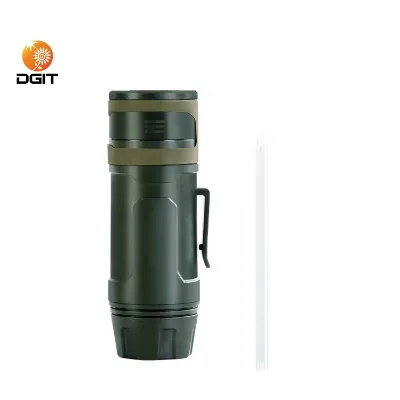


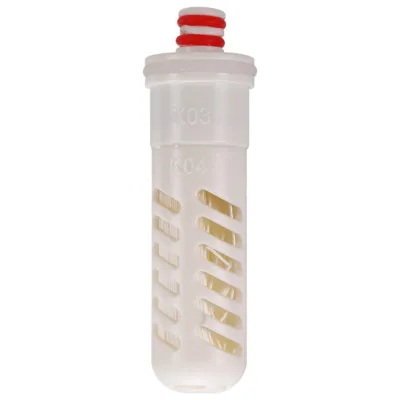


$44.20 - $60.00
Moq: 1


Comprehensive Sourcing Guide
Water Filter Straw Sourcing Guide
The global market for water filter straws presents a diverse range of options, from simple silicone reusable straws to advanced filtration units designed for specific contaminant removal. Buyers must distinguish between products intended for personal hydration and those engineered for industrial water treatment applications. The observed listings reveal a significant variance in material composition, with some items utilizing activated carbon for contaminant removal while others rely on TPU or PP polymers for structural integrity. Understanding this distinction is critical before initiating any procurement process, as the intended use case dictates the necessary technical specifications and safety certifications.
Procurement strategies must account for the wide spectrum of customization available in this category, ranging from basic logo printing to full OEM and ODM capabilities. Suppliers often offer flexible packaging solutions, including OPP bags, poly bags, and standard export cartons, which can impact logistics costs and product protection during transit. Buyers should verify whether the supplier provides machinery test reports and warranty coverage, as these documents serve as essential indicators of manufacturing reliability. The ability to customize product dimensions, such as the ID4*OD8 standard or specific micron ratings, allows for tailored solutions that meet precise operational requirements.
Product Scope and Observed Listing Signals
Buyers should carefully analyze the observed price range, which spans from $0.02 to $16,000, to understand the value proposition of different product tiers. This vast disparity often reflects differences in material quality, filtration efficiency, and production complexity rather than simple unit costs. Low-cost items may be basic silicone straws with minimal filtration capabilities, whereas higher-priced units likely incorporate advanced filtration grades like ULPA filters or complex multi-stage purification systems. It is essential to correlate price points with specific functional claims, such as the ability to remove water contaminants or the specific micron rating of the filtration media.
The observed minimum order quantities (MOQs) ranging from 1 to 100,000 units indicate a market that accommodates both small-scale prototyping and large-volume industrial contracts. Suppliers frequently offer customization options, including logo placement and specific packaging configurations, which can influence the final MOQ requirements. Buyers must verify the actual production capacity and lead times, as some listings suggest delivery times of 7-10 days while others indicate order processing periods of 25-30 days. Understanding these commercial signals helps in aligning procurement timelines with project schedules and inventory management strategies.
Technical Specifications to Verify
Technical due diligence requires a rigorous verification of material composition and filtration standards to ensure product efficacy. Listings indicate materials such as activated carbon, TPU, PP, and metal, each serving distinct roles in the filtration process. Buyers must confirm the specific filtration grade, such as the 0.01 micron rating or ULPA standards, to ensure the product meets the required purity levels for the intended application. Additionally, the curing agent type, such as Platinum Catalyst or Double2, 4 Vulcanizing, and the associated curing temperatures and times are critical for assessing the durability and chemical stability of the final product.
Dimensional tolerances and physical specifications are equally vital for ensuring compatibility with existing systems and equipment. The observed tolerance of ±0.1mm suggests a high level of precision in manufacturing, which is essential for fittings and connectors used in industrial settings. Buyers should verify the single package size and gross weight, as these factors directly impact shipping costs and storage requirements. Furthermore, the operating temperature range, typically cited between 5-40℃, must be validated against the environmental conditions where the product will be deployed to prevent performance degradation or material failure.
Compliance and Safety Documentation
Ensuring compliance with safety standards is paramount, particularly for products intended for food and beverage or medical applications. Buyers should request documentation verifying that the materials used, such as silicone or activated carbon, meet relevant food-grade and medical-grade safety regulations. The presence of a warranty period, such as the observed 1-year coverage, often reflects the manufacturer's confidence in their product's safety and durability. It is crucial to confirm that the supplier provides machinery test reports, which serve as independent verification of the product's performance and adherence to safety protocols.
Regulatory compliance extends to the origin of production and the specific standards applied during the manufacturing process. Products originating from regions like Henan, Fujian, and Zhejiang, China, may be subject to different local and international regulatory frameworks. Buyers must verify that the supplier adheres to recognized international standards for filtration and material safety, especially when the product is destined for markets with strict regulatory environments. The availability of OEM/ODM services should also be accompanied by clear documentation regarding intellectual property rights and compliance with export regulations.
Cost Drivers and Commercial Terms
Understanding the primary cost drivers is essential for negotiating favorable commercial terms and managing budget constraints. Material costs, particularly for specialized filtration media like activated carbon or high-grade polymers, significantly influence the final price. The complexity of the manufacturing process, such as horizontal or vertical extrusion molding, also adds to the production expenses. Buyers should analyze the relationship between customization levels, such as logo printing or specific packaging, and the resulting cost implications to optimize their procurement strategy.
Commercial terms, including shipping methods and delivery times, play a critical role in the total cost of ownership. The observed shipping options, such as air or sea freight, offer different trade-offs between speed and cost, which must be aligned with project timelines. Delivery times ranging from 7 to 30 days require careful planning to avoid supply chain disruptions. Buyers should also consider the impact of packaging choices, such as standard export packing or custom cartons, on logistics efficiency and potential damage during transit.
Supplier Qualification and Quality Control
Supplier qualification involves a thorough assessment of their manufacturing capabilities, quality control systems, and track record. Buyers should verify the supplier's ability to handle both OEM and ODM requests, ensuring they have the flexibility to meet specific design and production requirements. The presence of a machinery test report and a defined warranty period are strong indicators of a supplier's commitment to quality and customer satisfaction. It is advisable to request samples and conduct independent testing to validate the supplier's claims regarding filtration efficiency and material safety.
Quality control processes must be robust and transparent to ensure consistent product performance across large orders. Buyers should inquire about the supplier's inspection protocols, including in-process checks and final quality assurance measures. The ability to maintain tight tolerances, such as the observed ±0.1mm, demonstrates a high level of manufacturing precision. Establishing a clear communication channel for quality issues and defining the procedures for handling non-conforming products are essential steps in building a reliable supply chain partnership.
Long-Term Procurement Checks
Establishing long-term procurement relationships requires ongoing monitoring of supplier performance and product consistency. Buyers should implement regular audits and performance reviews to ensure that the supplier continues to meet quality standards and delivery commitments. Tracking key performance indicators, such as defect rates, lead time adherence, and customer satisfaction, provides valuable insights into the supplier's reliability. Continuous feedback loops help identify areas for improvement and foster a collaborative environment for addressing potential challenges.
Future-proofing the procurement strategy involves staying informed about technological advancements and market trends in the water filtration industry. Buyers should regularly review the supplier's product portfolio for new innovations that could enhance efficiency or reduce costs. Maintaining a diverse supplier base can mitigate risks associated with supply chain disruptions and ensure business continuity. By proactively managing supplier relationships and staying adaptable to market changes, buyers can secure a sustainable and competitive advantage in the long term.
FAQs
What materials are used for water filter straws?
Water filter straws are typically constructed from durable materials such as silicone, TPU, or PP. Some specialized models incorporate activated carbon to enhance filtration capabilities. These materials ensure the straws are non-disposable and suitable for repeated use in various environments while maintaining structural integrity.
Can water filter straws be customized with logos?
Yes, customization is available for water filter straws, including logo printing. OEM and ODM services are offered to meet specific branding needs. Buyers can request custom designs, ensuring the final product aligns with their corporate identity or marketing requirements while maintaining standard quality and functionality.
What is the lead time for water filter straw orders?
The standard delivery time for water filter straw orders is typically 7-10 days. Sample preparation also takes approximately 7-10 days, while larger production orders may require 25-30 days. These timelines ensure efficient processing and timely shipment via air or sea freight options.
How does the filtration grade of water filter straws work?
Water filter straws utilize advanced filtration grades, such as 0.01 micron or ULPA standards, to remove water contaminants effectively. The process often involves horizontal or vertical extrusion molding with platinum catalyst curing. This ensures high-efficiency purification, making the straws suitable for medicine, food, and beverage applications.
What are the packaging options for water filter straws?
Water filter straws are packaged in standard export packing, including OPP bags, poly bags, and carton boxes. Each unit is carefully packed to prevent damage during transit. The packaging dimensions and weight are optimized for efficient shipping, ensuring products arrive safely at destinations like Qingdao, Ningbo, or Shanghai.
Where are water filter straws manufactured?
Water filter straws are manufactured in China, with production facilities located in regions such as Henan, Fujian, and Zhejiang. These locations provide access to advanced manufacturing processes and reliable supply chains. The products are shipped from major ports, ensuring efficient global distribution and timely delivery to international buyers.