Source Water Purifier Nano Bubble Generator for Industrial, Agriculture, Hospital
Find and compare 30 Water Purifier Nano Bubble Generator options from China. These systems support combined treatment processes like reverse osmosis and softening, with capacities ranging from 1 to 12m3 and bubble sizes between 80nm and 20μm for diverse applications.
Key considerations
Products List


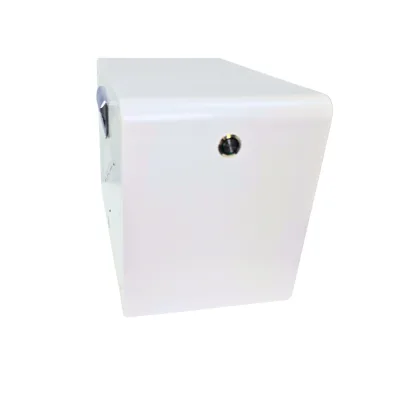
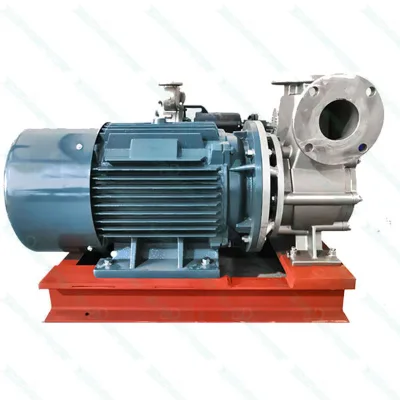
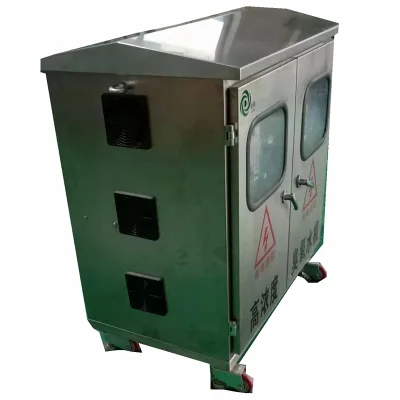
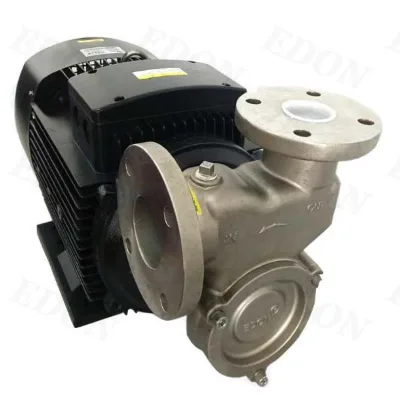

Caf Aerator Fine Bubble Generator Nano Bubble Generator
$800.00 - $1500.00
MOQ: 1 Sets
Qingdao EVU Environmental And Engineering Equipment Co., Ltd.


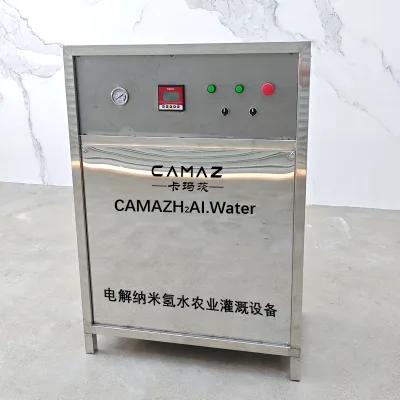
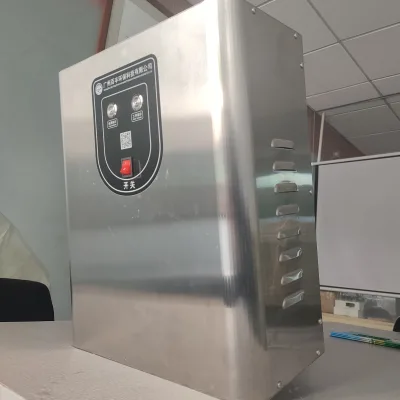
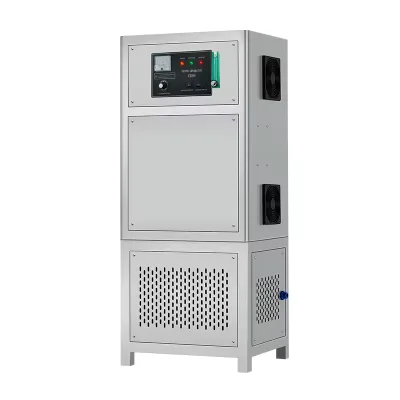
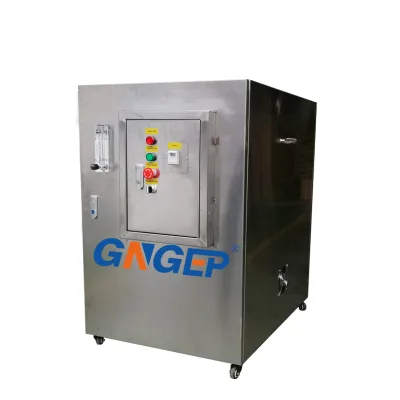

Hydrogen Bubble Bath Machine Hydrogen Water Nano Bubble Water Machine
$1100.00 - $1680.00
MOQ: 1 Pieces


Comprehensive Sourcing Guide
Water Purifier Nano Bubble Generator Sourcing Guide
Buyers must first distinguish between general water purification units and specialized nano bubble generators, as the supplied data indicates a specific focus on bubble generation technologies with capacities ranging from 1 to 12 cubic meters. The observed product listings reveal a diverse range of applications spanning industrial, agricultural, and hospital sectors, suggesting that procurement strategies must account for varying operational environments and regulatory requirements.
Understanding the physical footprint and weight of these units is critical for facility planning, as observed specifications include weights from 12 kg to 250 kg and dimensions that can depend heavily on the selected capacity. Procurement teams should verify whether the listed dimensions, such as 630500770 mm, apply to the specific model required, ensuring that the equipment fits within existing infrastructure without requiring costly facility modifications.
Product Scope and Observed Listing Signals
The market for these devices presents a wide price spectrum, with observed listings ranging from 4 to 12,500 USD, reflecting significant differences in capacity, power consumption, and component quality. Buyers should analyze the correlation between the listed price and the stated productivity, such as 150L/hour versus 100L/Hour, to determine if the cost reflects genuine performance capabilities or merely basic filtration functions without advanced nano bubble generation.
Customization availability is a key signal in the current market, allowing buyers to tailor units for specific industrial or agricultural needs rather than accepting off-the-shelf configurations. However, the presence of multiple packaging types, including cartons, wooden packages, and pallets, indicates that logistics costs and handling requirements will vary significantly depending on the specific model and the fragility of the internal components like pumps and pressure vessels.
Technical Specifications to Verify
Verification of the nano bubble generation capability is paramount, with observed bubble sizes ranging from 80 nanometers to 20 micrometers, a critical parameter for effective water treatment in sensitive applications. Buyers must confirm that the specific model, such as the HLYZ series, consistently achieves this size range under operational load, as the efficiency of the treatment process depends entirely on the stability and concentration of these nano-sized bubbles within the water stream.
Power and voltage requirements present another critical verification point, as observed data lists voltages of 220V and 380V with power consumptions varying from 0.045 kW to 18.5 kW. Procurement teams must ensure that the selected unit matches the facility's electrical infrastructure, particularly for high-capacity models like the 12m3 generator, to prevent operational failures or the need for expensive electrical upgrades before installation can commence.
Compliance and Safety Documentation
Safety compliance is evidenced by the presence of CE and ISO certifications in the market data, which buyers should request as mandatory documentation before finalizing any purchase agreement. These certifications indicate that the core components, including pumps, PLCs, and pressure vessels, have undergone testing to meet international safety and quality standards, providing a baseline assurance for the operational safety of the equipment in industrial settings.
Machinery test reports are also listed as available, serving as a vital tool for verifying the actual performance of the unit against its claimed specifications before shipment. Buyers should insist on reviewing these reports to confirm that the processing capacity, such as the 95% efficiency rate, and the productivity metrics are accurate, ensuring that the equipment will deliver the expected results in real-world water treatment scenarios.
Cost Drivers and Commercial Terms
The total cost of ownership is heavily influenced by the payment terms and the complexity of the customization required, with observed terms including TT and LC options that affect cash flow and risk management. Buyers should negotiate payment structures that align with project milestones, particularly for larger units like the 12m3 capacity models, to mitigate financial risk while ensuring the supplier has the necessary capital to source high-quality core components.
Shipping and packaging costs represent a significant variable, as the observed data includes single package sizes ranging from 42x30x37 cm to 100x65x65 cm and weights up to 350 kg gross. Procurement teams must calculate the logistics expenses based on the specific packaging type, such as wooden cases or pallets, to avoid unexpected budget overruns, especially when importing from origins like Jiangsu or Shanghai to international destinations.
Supplier Qualification and Quality Control
Supplier qualification should focus on the origin of the core components and the manufacturing location, with observed data pointing to origins in China, specifically Jiangsu and Shanghai. Buyers must verify the supply chain integrity of critical parts like the PLC and bearings to ensure that the equipment is built with durable materials that can withstand the rigorous demands of industrial and agricultural water treatment applications.
Quality control processes must be validated through the availability of machinery test reports and warranty terms, which are observed to be one year for many listed units. Procurement teams should establish clear protocols for post-installation support and defect resolution, ensuring that the supplier can provide timely assistance if the nano bubble generator fails to meet the specified bubble size or productivity standards during the warranty period.
Long-Term Procurement Checks
Long-term procurement success depends on the availability of spare parts and the standardization of the equipment, with observed model numbers like HLYZ-001 and CQM indicating a need for consistent part compatibility. Buyers should secure a supply agreement for critical components such as pumps and pressure vessels to prevent operational downtime, ensuring that the facility can maintain continuous water treatment operations without waiting for custom replacements.
Monitoring the evolution of product standards is essential, as observed specifications include various sizes and capacities that may change as technology advances. Procurement teams should maintain a relationship with the supplier to stay informed about updates to the nano bubble generation technology, ensuring that future expansions or replacements align with the latest efficiency standards and performance capabilities in the water treatment industry.
FAQs
What bubble sizes does the Water Purifier Nano Bubble Generator produce?
The device generates bubbles ranging from 80 nanometers to 20 micrometers in size. This wide range allows for versatile applications in industrial, agricultural, and hospital settings. The specific bubble distribution depends on the operational parameters and the selected model configuration for your water treatment needs.
What are the standard specifications for the HLYZ series models?
Standard specifications include models like HLYZ-001 and HLYZ-01 with dimensions of 630x500x770 mm. Capacities are available in 1, 2, 6, and 12 cubic meters. These units utilize combined treatment methods and are designed for efficient water purification and aeration processes across various industrial environments.
Can the Water Purifier Nano Bubble Generator be customized for specific needs?
Yes, customization is available for these units. Buyers can request specific packaging options such as wooden cases or pallets. The machinery supports various voltage inputs including 220V and 380V. Customization ensures the equipment fits specific facility requirements and operational workflows effectively.
What core components are included in the Water Purifier Nano Bubble Generator?
Key core components include the pump, pressure vessel, bearing, and PLC control system. These parts ensure reliable operation and precise control of the nano bubble generation process. The machinery test report is provided to verify the quality and functionality of these essential internal components before shipment.
What certifications and warranty terms apply to these generators?
The equipment holds CE and ISO certifications for quality and safety standards. A one-year warranty is provided to cover potential defects or operational issues. These terms ensure buyer confidence in the product's durability and compliance with international manufacturing standards for water treatment machinery.
How is the Water Purifier Nano Bubble Generator packaged for shipping?
Packaging options include cartons, wooden packages, and pallets for nanobubble water treatment units. Specific models may use wooden cases for enhanced protection during transit. The single package size varies, with some units measuring 42x30x37 cm or larger, ensuring safe delivery from Jiangsu, China.