Source Water Quality Infrared Oil Detector for Industry
Find and compare Water Quality Infrared Oil Detector options for industrial wastewater monitoring, environmental compliance, and process control. Browse 30 listings with specifications like 0.2 to 100mg/L measuring range and CE certification to select the right sensor for your facility.
Key considerations
Products List


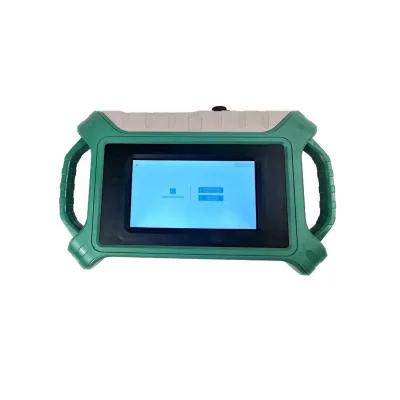


Determination of Oil Content in Water Infrared Oil and Grease Analytical Instrument
$3300.00 - $5300.00
MOQ: 1 Sets


Comprehensive Sourcing Guide
Water Quality Infrared Oil Detector Sourcing Guide
Procuring water quality infrared oil detectors requires a nuanced understanding of industrial monitoring needs, particularly in environments where hydrocarbon contamination poses significant environmental or operational risks. These devices are essential for continuous monitoring in wastewater treatment plants, industrial discharge points, and environmental protection agencies. Buyers must distinguish between portable handheld units for spot checks and fixed installation systems for real-time data logging. The selection process hinges on matching the detector’s measuring range and accuracy to the specific concentration levels expected in the target application, ensuring that the chosen model can reliably detect oil spills or gradual leaks without false positives.
The market offers a variety of configurations, from wall-mounted sensors to portable handheld analyzers, each serving distinct operational purposes. While some listed products focus on security applications like motion detection, true water quality infrared oil detectors are specialized instruments designed for chemical analysis. Buyers should carefully review product attributes to confirm that the device is intended for liquid analysis rather than perimeter security. Understanding the distinction between general-purpose sensors and specialized water quality monitors is critical to avoiding procurement errors, as the latter requires specific calibration and optical components tailored to infrared absorption spectra of oils.
Product Scope and Observed Listing Signals
The observed product landscape reveals a wide disparity in item types, ranging from security motion detectors to specialized analytical instruments. Listings indicate a price range from $4.90 to $7,428, reflecting the diversity between simple passive sensors and complex, high-precision analytical systems. Buyers must navigate this variance by focusing on technical specifications rather than price alone. For instance, some products are explicitly labeled as "Pet-Immunity Microwave & Infrared Motion Detectors," which are entirely unrelated to water quality monitoring. It is crucial to filter out these security-focused items to identify genuine water quality analyzers that utilize infrared technology for oil concentration measurement.
Specific technical attributes observed in relevant listings include measuring ranges from 0.2 to 100mg/L and maximum measured concentrations up to 64,000mg/L. These ranges suggest that high-end models are capable of handling both trace contamination and severe oil spill scenarios. Additionally, measurement accuracy is cited as 2%, a key performance indicator for compliance reporting. Buyers should verify if the listed models support the required dynamic range for their specific discharge limits. The presence of features like "Standard Export Wooden Case" packing and origins in Chongqing or Shenzhen indicates established manufacturing hubs, but buyers must confirm that the specific model number corresponds to water analysis rather than other industrial applications.
Technical Specifications to Verify
When evaluating infrared oil detectors, the measuring range and accuracy are paramount. Buyers must ensure the device’s range aligns with their expected oil concentrations, whether for low-level monitoring or high-concentration spill detection. A measurement accuracy of 2% is a strong indicator of precision, but buyers should verify if this accuracy holds across the entire range or only at specific points. Additionally, the detection method, such as dual-element PIR for motion or infrared absorption for oil, must be clearly defined. Confusing motion detection technology with chemical analysis technology is a common pitfall, so verifying the optical principle is essential for accurate procurement.
Installation mode and physical dimensions also play a critical role in system integration. Wall-mounted units require specific mounting heights and structural support, while handheld devices offer flexibility for portable testing. Buyers should check if the device includes features like tamper switches or dismantle prevention outputs, which are vital for maintaining data integrity in unattended monitoring stations. Furthermore, the power supply voltage, such as DC 9-14V or DC 10.5-28V, must match the site’s electrical infrastructure. Confirming these technical details ensures that the selected detector can be seamlessly integrated into existing monitoring networks without requiring extensive retrofitting.
Compliance and Safety Documentation
Certification is a non-negotiable aspect of sourcing industrial monitoring equipment. Products listed with CE and RoHS certifications indicate compliance with European safety and environmental standards, which is often a baseline requirement for international trade. Buyers should verify that the specific model has the necessary certifications for its intended market, as some listings may include CCC certification for the Chinese domestic market. Ensuring that the device meets local regulatory requirements is crucial for legal operation and avoiding customs delays. Additionally, waterproof designs like IP55 ratings are important for outdoor installations, protecting the electronics from environmental damage.
Safety features such as fireproof ABS housing and tamper switches contribute to the overall reliability and safety of the monitoring system. Buyers should review the material specifications to ensure durability in harsh industrial environments. The presence of an intelligent system or specific alarming outputs, such as relay contacts, indicates advanced functionality that can trigger alerts or automated responses. Verifying these safety and compliance documents ensures that the procurement meets both operational and regulatory standards, reducing liability and ensuring long-term performance. Buyers must request updated certification copies from suppliers to confirm current validity.
Cost Drivers and Commercial Terms
The cost of water quality infrared oil detectors is influenced by several factors, including measurement accuracy, range, and additional features like intelligent systems or tamper detection. Higher accuracy and wider ranges typically command higher prices, reflecting the complexity of the optical and electronic components involved. Buyers should consider the total cost of ownership, including maintenance, calibration, and potential replacement parts, rather than just the initial purchase price. The observed MOQ range of 1-100 units suggests flexibility for both small-scale pilots and large-scale deployments, allowing buyers to negotiate terms based on volume.
Commercial terms such as packaging and origin also impact logistics costs. Standard export wooden cases provide robust protection during shipping, reducing the risk of damage. Origins in major manufacturing hubs like Chongqing and Shenzhen may offer competitive pricing due to established supply chains, but buyers should factor in shipping and import duties. Lead times and payment terms should be clearly defined in the contract to avoid delays. Buyers should also inquire about warranty periods and after-sales support, as these factors can significantly affect the long-term value of the investment.
Supplier Qualification and Quality Control
Selecting a qualified supplier is critical for ensuring the reliability of water quality infrared oil detectors. Buyers should verify the supplier’s manufacturing capabilities, including their ability to produce devices with specific certifications like CE and RoHS. Factories in Shenzhen and Chongqing are known for electronics manufacturing, but buyers must confirm that the supplier specializes in analytical instruments rather than general security products. Requesting factory audits or third-party quality reports can provide additional assurance of manufacturing standards. Suppliers with a history of exporting to international markets are often more familiar with compliance requirements and quality expectations.
Quality control processes should include rigorous testing of measurement accuracy and durability. Buyers should ask for test reports or calibration certificates for the specific batch of products being purchased. The use of SMT (Surface Mount Technology) in PCB manufacturing is a positive indicator of quality, as it ensures consistent and reliable electronic connections. Additionally, suppliers should provide clear documentation on the device’s performance under various conditions, such as temperature and humidity variations. Establishing a strong relationship with a qualified supplier ensures consistent quality and support throughout the product lifecycle.
Long-Term Procurement Checks
Long-term success in procuring water quality infrared oil detectors depends on ongoing performance monitoring and supplier relationship management. Buyers should establish key performance indicators (KPIs) for device accuracy, uptime, and maintenance frequency. Regular calibration checks are essential to maintain measurement accuracy over time, and buyers should ensure that the supplier provides calibration services or guidelines. Tracking the device’s performance in real-world conditions helps identify any issues early, allowing for timely intervention. Maintaining a log of maintenance activities and performance data supports continuous improvement and informed decision-making for future purchases.
Supplier evaluation should be an ongoing process, with regular reviews of product quality, delivery times, and customer support. Buyers should solicit feedback from end-users to assess the device’s usability and reliability in daily operations. Building a diversified supplier base can mitigate risks associated with single-source dependencies. Additionally, staying informed about technological advancements in infrared oil detection can help buyers upgrade their monitoring systems effectively. By focusing on long-term value and performance, buyers can ensure that their water quality monitoring infrastructure remains robust and compliant with evolving environmental standards.
FAQs
What is the measuring range for this infrared oil detector?
The measuring range is 0.2 to 100mg/L for standard operation. The device can handle a maximum measured concentration of up to 64000mg/L. This wide range allows for versatile application in various industrial water quality monitoring scenarios without requiring frequent recalibration or range switching.
How accurate is the measurement output of the sensor?
The measurement accuracy is specified at 2%. This precision ensures reliable data for critical water quality assessments. Users can trust the readings for compliance monitoring and process control, as the device maintains consistent performance across its operational range under standard environmental conditions.
Can the device be customized for specific industrial needs?
Yes, customization is available for this product. Buyers can request specific modifications to meet unique operational requirements. This flexibility allows for tailored solutions in diverse industrial settings, ensuring the detector integrates seamlessly with existing monitoring infrastructure and meets specific regulatory or performance standards.
What certifications does the water quality detector hold?
The product holds CE and RoHS certifications. These certifications indicate compliance with European safety and environmental standards. Buyers can be confident in the product's adherence to strict regulatory requirements for electronic equipment, ensuring safe operation and environmental responsibility in global markets.
Where is this infrared oil detector manufactured?
The product originates from Chongqing, China. This location is a known hub for industrial instrumentation manufacturing. Buyers sourcing from this region can expect established supply chains and competitive logistics options, facilitating efficient procurement and delivery for international orders.
What is the standard packaging for this detector?
The standard packing is a Standard Export Wooden Case. This robust packaging protects the sensitive electronic components during transit. It ensures the device arrives in optimal condition, ready for immediate installation, while meeting international shipping standards for fragile industrial equipment.