Source Water Quality Monitoring Station for Industry Agriculture Research
Compare 30 Water Quality Monitoring Station options from verified Chinese suppliers. These industrial and agricultural analyzers feature customizable sizes, RS485 communication, and ISO certifications for biochemistry and medical research applications.
Key considerations
Products List

High Quality Outdoor Reliable Water Quality Monitoring Station for Industrial Use
$45000.00 - $80000.00
MOQ: 1 Pieces

Outdoor Durable Automatic Intelligent Water Quality Monitoring Station for Industrial
$45000.00 - $80000.00
MOQ: 1 Pieces

Outdoor Installation High-Tolerance Reliable Water Quality Monitoring Station for Industrial
$45000.00 - $80000.00
MOQ: 1 Pieces

Outdoor Durable Automatic Water Quality Monitoring Station for Industrial
$45000.00 - $80000.00
MOQ: 1 Pieces

High Performance Outdoor Smart Water Quality Monitoring Station for Industrial
$45000.00 - $80000.00
MOQ: 1 Pieces


Buoy Monitoring Station Achieving Multiple Parameters For Surface Water
$98.00 - $1888.00
MOQ: 1 Pieces



Comprehensive Sourcing Guide
Strategic Sourcing Guide for Water Quality Monitoring Stations
Procuring a Water Quality Monitoring Station requires a disciplined approach that balances technical precision with supply chain reliability. For industrial and agricultural buyers, the selection process must move beyond basic functionality to evaluate how the instrument integrates with existing infrastructure, adheres to regulatory standards, and maintains accuracy over time. The following guide synthesizes available product attributes and industry best practices to assist procurement teams in making informed decisions without relying on unverified marketing claims.
Technical Architecture and Operational Specifications
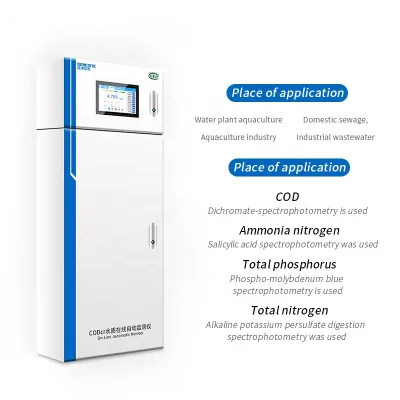
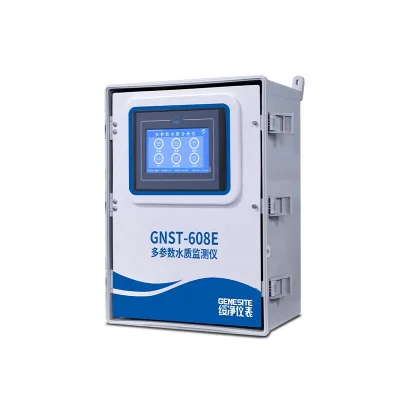
The core of any Water Quality Monitoring Station lies in its sensor technology and data processing capabilities. Modern units often function as online water quality analyzers designed for continuous monitoring rather than spot checks. A critical observation in the current market is the variation in physical dimensions and power requirements. While some units are designed for compact installation with a floor area requirement of less than 2 square meters, others are larger industrial systems. Buyers must verify the specific footprint of the unit against their site constraints, as dimensions can range significantly, with observed specifications including configurations like 1550mm x 1000mm x 2000mm or more compact variants around 1200mm x 700mm x 300mm.
Power consumption is another vital technical parameter. High-performance analyzers may draw up to 2500W during peak operation, necessitating a robust power supply infrastructure. The standard power input for these systems is typically AC220V ±10% at 50Hz ±1%, though compatibility with local grid variations must be confirmed. The control unit is generally an embedded industrial system, ensuring stability in harsh environments. Data communication is a key differentiator; reliable stations support RS232 and RS485 interfaces, often adhering to the Modbus protocol. Some advanced models also support wireless transmission, facilitating remote monitoring capabilities essential for distributed agricultural or industrial sites.
The analytical performance of the station determines its utility. Detection limits as low as 0.01mg/L are available for specific parameters, with error margins typically kept below 3% of the full scale (F.S.). The measurement period for a single analysis cycle is often designed to be efficient, with some units completing a full cycle in 60 minutes or less. The system should support multiple analysis modes, including hourly, interval, manual, and remote operations, allowing operators to tailor data collection to specific process needs. Furthermore, the insulation resistance of the electrical components should exceed 20 MΩ to ensure safety and signal integrity in wet environments.
Compliance, Certification, and Environmental Standards
In the B2B sector, compliance is not merely a formality but a prerequisite for operational continuity. When evaluating potential suppliers, buyers should look for certifications that validate the safety and environmental compliance of the equipment. Common certifications observed in the market include ISO, FCC, and RoHS. These standards indicate that the device meets international requirements for electromagnetic compatibility, restriction of hazardous substances, and quality management systems. However, buyers must exercise caution, as certification status can vary by specific model and batch. It is essential to request current certification documents rather than relying on general product descriptions.
Environmental operating conditions are equally critical for long-term reliability. The equipment must function within specific temperature and humidity ranges. Observed service conditions indicate an operational temperature range of 5°C to 35°C with humidity levels below 90% (non-condensing). Exceeding these limits can lead to sensor drift or hardware failure. Additionally, the device should be resistant to common interferences found in water samples, such as sulfides, heavy metals, and organic matter. The ability to distinguish target analytes from these disturbances is a key indicator of sensor quality.
Packaging standards also play a role in compliance and logistics. Industrial-grade units are frequently shipped in wooden cases or wooden boxes to protect sensitive electronics during transit. This packaging method is standard for heavy equipment weighing up to 400kg, ensuring that the unit arrives in pristine condition. Buyers should verify that the packaging meets international export standards, particularly if the equipment is being shipped across borders, to avoid customs delays or damage claims.
Cost Drivers and Economic Factors
The total cost of ownership for a Water Quality Monitoring Station is influenced by several factors beyond the initial purchase price. The observed price range in the market is broad, spanning from 0 to 80,000 USD, reflecting the diversity of configurations, from basic portable units to complex, multi-parameter industrial stations. This wide variance is driven by the number of monitoring factors supported, the complexity of the communication protocols, and the robustness of the housing.
Minimum Order Quantities (MOQ) also impact procurement strategy. Suppliers may offer flexible MOQs ranging from a single unit to 300 units, depending on the customization level and production capacity. For large-scale deployments, negotiating volume discounts is a standard practice. However, buyers should be wary of suppliers who offer prices that seem disproportionately low, as this may indicate compromises in component quality or the absence of necessary certifications.
Customization is a significant cost driver. Many suppliers offer customizable analysis ranges and dimensions to fit specific site requirements. While this flexibility is valuable, it can extend lead times and increase unit costs. The decision to opt for a standard model versus a custom configuration should be based on a clear assessment of operational needs. If the site requires non-standard dimensions or specific monitoring factors, the buyer must weigh the cost of customization against the potential benefits of a tailored solution.
Typical Applications and Functional Versatility
Water quality monitoring stations are deployed across a wide spectrum of industries, with industrial and agricultural sectors being the primary users. In industrial settings, these stations are integral to biochemistry and medical research applications, where precise chemical analysis is required for process control and quality assurance. The ability to monitor multiple factors, with some models offering up to nine options, allows for comprehensive water quality assessment in complex environments.
The versatility of these systems is further enhanced by their mounting options. While some units are designed to be non-portable and installed in a fixed rack configuration, others may offer different mounting solutions to suit the site layout. The "Multi-applications" feature indicates that a single unit can often be adapted for various uses, reducing the need for multiple specialized instruments. This is particularly beneficial for agricultural operations that may need to monitor different water sources, such as irrigation channels, reservoirs, or processing water.
The warning systems integrated into these stations add a layer of operational safety. Features such as liquid shortage alerts, self-test capabilities, failure notifications, and excessive condition warnings help prevent downtime and data loss. These automated alerts allow maintenance teams to address issues before they escalate, ensuring continuous monitoring without constant human supervision.
Supplier Evaluation and Quality Assurance
Selecting the right supplier is as important as selecting the right product. Buyers should prioritize suppliers who provide transparent information about their production origins and quality control processes. Observed product origins include locations such as Nanjing, Jiangsu Province, and Beijing, China, indicating a concentration of manufacturing capabilities in these regions. However, the origin alone does not guarantee quality; buyers must verify the supplier's track record and adherence to international standards.
Quality control should be a central part of the evaluation process. Buyers should inquire about the testing procedures used to validate the detection limit, error margin, and insulation resistance of the equipment. Requesting test reports or third-party validation can provide assurance that the product meets the claimed specifications. Additionally, the supplier's ability to provide after-sales service, including technical support and spare parts availability, is crucial for long-term operations.
The following table summarizes key technical and compliance attributes that buyers should verify during the supplier evaluation process:
| Attribute Category | Key Verification Points | Observed Market Examples |
|---|---|---|
| Communication | Protocol support (Modbus, RS232/485), Wireless capability | RS232/RS485, Modbus, Wireless Transmission |
| Power & Size | Voltage stability, Floor area, Weight limits | AC220V, ≤2m², 400kg |
| Certification | ISO, FCC, RoHS validity | ISO, FCC, RoHS |
| Performance | Detection limit, Error margin, Measurement time | 0.01mg/L, <3% F.S., ≤60min |
| Environment | Temp/Humidity range, Interference resistance | 5-35°C, <90% Humidity, Sulfide/Heavy Metal resistant |
Long-Term Procurement and Maintenance Considerations
Sourcing a Water Quality Monitoring Station is not a one-time transaction but the beginning of a long-term partnership. Buyers should consider the lifecycle costs, including maintenance, calibration, and potential upgrades. The embedded industrial control system should be designed for longevity, with software updates available to adapt to changing regulatory requirements or new monitoring parameters.
The customization options available, such as adjustable analysis ranges and dimensions, should be evaluated for their long-term relevance. As operational needs evolve, the ability to reconfigure the system without replacing the entire unit can save significant costs. Furthermore, the warranty terms and service agreements provided by the supplier should be clearly defined. A robust service plan that includes regular maintenance checks and rapid response to failures is essential for minimizing downtime.
Finally, buyers should remain vigilant about the supply chain stability. Given the global nature of the market, lead times and availability of critical components can fluctuate. Establishing a relationship with a supplier who has a reliable production schedule and a transparent communication channel is vital. By focusing on these long-term factors, procurement teams can ensure that their investment in water quality monitoring infrastructure delivers consistent value and operational reliability for years to come.
FAQs
What certifications do water quality monitoring stations typically have?
Common certifications include ISO, FCC, and RoHS, indicating compliance with safety and environmental standards. Buyers must verify current documents for specific models as status can vary by batch.
How large is the floor area required for installation?
The floor area requirement is typically less than 2 square meters for compact units. Some larger industrial systems may have different dimensions, so verify specific footprint against site constraints.
Can these units support wireless data transmission?
Yes, many models support wireless transmission alongside RS232 and RS485 interfaces. This feature facilitates remote monitoring capabilities essential for distributed agricultural or industrial sites.
What is the maximum power consumption during operation?
High-performance analyzers may draw up to 2500W during peak operation. A robust power supply infrastructure is necessary to handle this maximum power requirement effectively.
Which analysis modes are supported by the system?
The system supports hourly, interval, manual, and remote analysis modes. Operators can tailor data collection to specific process needs using these flexible operational options.
What is the detection limit for specific parameters?
Detection limits as low as 0.01mg/L are available for specific parameters. Error margins are typically kept below 3% of the full scale to ensure accuracy.
How are these units packaged for shipping?
Industrial-grade units are frequently shipped in wooden cases or wooden boxes. This packaging protects sensitive electronics during transit for heavy equipment weighing up to 400kg.