Source Water Purifier Ozone Gas Detector for Industry, Water Treatment, Disinfection
Compare 30 listings of Water Purifier Ozone Gas Detector units designed for industrial monitoring, water treatment facilities, and disinfection applications. These devices feature electrochemical sensors and ozone output capabilities ranging from 3 to 1000 grams per hour.
Key considerations
Products List


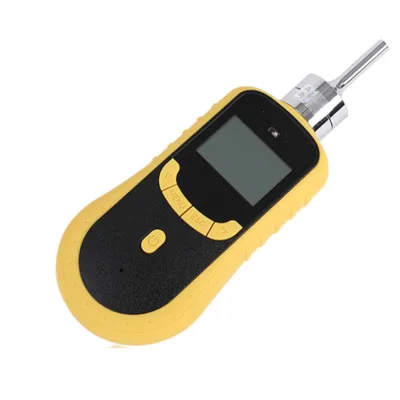


Online Real-Time Ozone Monitoring System Dissolved Ozone Water Detector
$650.00 - $700.00
MOQ: 1 Pieces

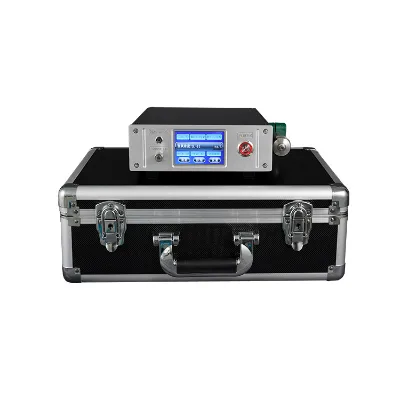


Mic300oz UV Based Ozone Detector for Water Treatment and Environmental Safety
$200.00 - $3000.00
MOQ: 1 Pieces

Mic300oz UV Based Ozone Detector for Industrial Air and Water Treatment Safety
$200.00 - $3000.00
MOQ: 1 Pieces


Comprehensive Sourcing Guide
Strategic Sourcing Guide for Water Purification Ozone Gas Detection Systems
The procurement of ozone gas detection systems specifically tailored for water purification applications requires a nuanced understanding of the intersection between electrochemical sensing technologies and industrial disinfection processes. Buyers entering this market must navigate a landscape where product attributes vary significantly between portable monitoring devices and fixed industrial generators. The core keyword "Water Purifier Ozone Gas Detector" often conflates two distinct product categories: instruments designed to measure ozone concentration in water or air, and the ozone generation units themselves used to treat the water. A successful sourcing strategy begins with clearly distinguishing between detection parameters and generation capabilities, as the supplied market data reveals a diverse array of models ranging from handheld analyzers to wall-mounted industrial units.
Technical Specifications and Detection Parameters
When evaluating potential suppliers, the primary technical differentiator is the detection range and the specific gas parameters the device is calibrated to measure. The market data indicates that electrochemical gas analyzers are a prevalent technology type for these applications. Buyers should verify that the selected unit supports the specific concentration ranges required for their water treatment process. Observed specifications in the current supply base include a wide spectrum of ozone detection ranges, such as 0-10ppm, 0-20ppm, 0-50ppm, and extending up to 0-500ppm. Furthermore, some units are configured for broader ranges including 0-1000ppm, 0-2000ppm, and even 0-100ppm.
Precision is another critical specification. High-performance units in the observed data list a detection accuracy of ≤±3%Fs (Full Scale), which is a standard benchmark for industrial-grade monitoring. For applications requiring lower concentration measurements, such as residual ozone in treated water, some instruments offer resolution down to 0.001 Mg/L or 0.01mg/L with a precision of ±2%. The operating environment must also be considered; units designed for harsh industrial settings often feature an operating temperature range of -30 to 60 degrees Celsius. Power supply requirements vary, with many industrial models supporting a 12-24V input, while portable variants may rely on 1.5V AAA batteries. Buyers must ensure the power interface matches their facility's electrical infrastructure to avoid integration issues.
Compliance and Certification Verification
In the industrial water treatment sector, regulatory compliance is non-negotiable. Sourcing guides must emphasize the verification of international certifications before finalizing any purchase. The available product data highlights that reputable suppliers typically provide devices certified under CE, RoHS, and ISO9001 standards. These certifications indicate that the manufacturing process adheres to European safety directives, restricts hazardous substances, and maintains quality management systems. Some units in the market also carry FCC certification, which is essential for electronic devices that emit radio frequency energy, ensuring they do not interfere with other communication equipment.
Buyers should not assume that all listed products possess these certifications without explicit documentation. The presence of "CE" and "RoHS" in product descriptions should be treated as a verification point rather than a guaranteed attribute for every SKU. It is crucial to request current certification certificates from the supplier to confirm that the specific model number, such as the ZP200-O3 or EW-OG series, is covered under the valid certification scope. Additionally, the material composition of the device casing should be checked; corrosion-resistant engineering plastics are a common and desirable feature for devices exposed to humid or chemically aggressive environments typical of water treatment plants.
Cost Drivers and Pricing Structures
Understanding the cost drivers for ozone detection and generation systems is vital for budgeting. The observed price range in the market spans from 1 to 10,000 USD, reflecting the vast difference between simple portable detectors and complex, high-output industrial generators. The primary cost driver is the ozone output capacity. Units with an ozone output ranging from 3-100g per hour are priced differently than those capable of 10-1000g per hour. The technology used, such as corona discharge for generation or electrochemical sensors for detection, also influences the final price.
Another significant factor is the level of customization. The market data confirms that customization is available for many products, allowing buyers to tailor detection ranges, housing materials, or communication protocols. Customized units generally command a higher price point due to the engineering and production adjustments required. Furthermore, the packaging type, whether standard cartons or export-standard packaging, can impact logistics costs. Buyers should note that the minimum order quantity (MOQ) for many of these items is as low as 1 unit, facilitating small-scale testing or pilot projects without significant upfront capital commitment. However, bulk purchasing may offer better pricing tiers, though specific volume discounts are not universally standardized across all suppliers.
Typical Applications and Installation Requirements
The application of ozone gas detectors and generators in water purification is multifaceted. These devices are primarily utilized for disinfection purposes, ensuring that water treatment processes meet safety standards by monitoring residual ozone levels. The specific usage scenarios include water treatment facilities, industrial cleaning processes, and environmental protection projects. The "Clean and environmentally friendly" attribute is frequently cited, aligning with modern sustainability goals in water management.
Installation requirements vary based on the form factor of the device. Some units are designed to be portable, offering flexibility for spot-checking or mobile applications. In contrast, other models are explicitly non-portable and are intended for fixed installation. The data indicates that fixed units often support wall-mounted or ceiling-mounted configurations, which are ideal for continuous monitoring in large tanks or treatment rooms. The physical dimensions of the device are also a consideration; for instance, some models have standard dimensions of 1556030mm, while others may be larger, such as 23x12cmx29.4cm. Buyers must ensure that the selected device fits the physical constraints of their installation site and that the mounting method aligns with their facility's layout.
Supplier Evaluation and Product Attributes
Evaluating suppliers requires a focus on their ability to provide technical support and timely service. The market data suggests that key advantages of reputable suppliers include better pricing, timely service, and robust technical support. These factors are critical for maintaining operational continuity in water treatment facilities where equipment failure can lead to significant process disruptions. Buyers should also verify the origin of the products, as the data indicates that many units originate from the Chinese mainland, specifically from regions like Guangdong and Hunan.
When assessing product attributes, buyers should look for features that enhance usability and safety. For example, the presence of an LED display allows for easy reading of ozone concentration levels in various lighting conditions. The "Smart Type" attribute is noted as "not supported" for some models, indicating that buyers should not expect advanced IoT connectivity or smart home integration unless explicitly confirmed. Additionally, the "Decoration and construction content" being described as "clean and environmentally friendly" suggests that the manufacturing process and final product design prioritize hygiene and environmental safety. Buyers should cross-reference these claims with the supplier's production capabilities to ensure consistency.
Quality Control and Long-Term Procurement Considerations
Long-term procurement success depends on rigorous quality control measures and the availability of after-sales support. Given the corrosive nature of ozone, the material durability of the device is paramount. The use of corrosion-resistant engineering plastics is a standard quality indicator that buyers should verify. Regular calibration and maintenance are essential to maintain the stated detection accuracy of ≤±3%Fs. Buyers should inquire about the supplier's calibration services and the availability of replacement parts, such as sensors or batteries.
The lead time and production capacity are also critical considerations. While the specific lead times are not universally listed in the provided data, the ability to customize orders suggests that production schedules may vary. Buyers should establish clear communication channels regarding production timelines to avoid delays in project implementation. Furthermore, the "Communication" feature mentioned in ozone output specifications implies that some units may offer data logging or remote monitoring capabilities. Verifying the compatibility of these communication protocols with existing facility management systems is a necessary step before finalizing a procurement decision.
Comparative Analysis of Product Models
To facilitate a clearer decision-making process, the following table summarizes key differences between observed product models based on the provided data. This comparison highlights the variance in model numbers, certifications, and specific attributes that buyers should consider.
| Product Model | Primary Function | Certification | Detection/Output Range | Installation Type | Origin |
|---|---|---|---|---|---|
| ZP200-O3 | Electrochemical Gas Analyzer | CE, RoHS, ISO9001 | Ozone 0-10ppm to 0-500ppm | Portable | Guangdong, China |
| EW-OG | Ozone Generator | CE, RoHS | Ozone Output 3-100g Hr | Non Portable | Hunan |
| EW-O | Ozone Generator | CE, FCC | Ozone Output 10-1000g Hr | Non Portable | Hunan |
| YF-8500-O3 | Gas Analyzer | CE, RoHS | O3 Detection | Wall/Ceiling Mounted | Chinese mainland |
| Doz 5000 | Water Quality Tester | N/A | 0.000-2.000 Mg/L | Portable | N/A |
This table illustrates that while some models are designed for high-output generation (EW-O series), others are specialized for precise detection (ZP200-O3, YF-8500-O3). The certification profiles also differ, with some units carrying FCC certification while others do not. Buyers must align their specific operational needs with these distinct product profiles to ensure optimal performance and compliance.
In conclusion, sourcing ozone gas detectors and generators for water purification requires a meticulous approach to technical verification, certification validation, and supplier evaluation. By focusing on the specific attributes and data points available in the market, buyers can make informed decisions that ensure the reliability and safety of their water treatment operations. The diversity of the product landscape offers solutions for various scales of operation, from small portable units to large industrial generators, provided that the selection process is grounded in verified facts and rigorous quality standards.
FAQs
What certifications do water purifier ozone gas detectors typically have?
Many units carry CE, RoHS, and ISO9001 certifications to ensure safety and quality. Some models also include FCC certification for radio frequency compliance. Buyers must verify that specific model numbers are covered under valid certificates before purchase.
Which detection ranges are available for ozone concentration monitoring?
Available ranges include 0-10ppm, 0-20ppm, 0-50ppm, and up to 0-500ppm. Broader options extend to 0-1000ppm and 0-2000ppm for industrial needs. Some instruments also measure specific parameters like carbon monoxide or combustible gases.
Can these devices be installed in wall or ceiling mounted configurations?
Yes, fixed industrial units often support wall-mounted or ceiling-mounted installations. Portable models are designed for spot-checking rather than fixed mounting. Buyers should confirm the installation type matches their facility layout before ordering.
What is the operating temperature range for these ozone detection systems?
Industrial units typically operate within a temperature range of -30 to 60 degrees Celsius. This ensures functionality in harsh environments common in water treatment plants. Portable variants may have different thermal limits depending on battery type.
How is the ozone output capacity defined for generator models?
Output capacities range from 3-100g per hour for smaller units to 10-1000g per hour for larger industrial generators. The technology used, such as corona discharge, influences the final output capability. Buyers must match capacity to their treatment volume.
Are customization options available for specific detection parameters?
Customization is available for many products to tailor detection ranges or housing materials. This allows buyers to specify exact requirements for their water treatment process. Customized units generally require longer lead times due to engineering adjustments.