Source Waterproof EVA Tool Case for Hardware, Electrical, Car Repair
Compare 30 Waterproof EVA Tool Case options from verified suppliers. These cases feature shockproof protection, varying capacities, and customization for hardware, electrical, and car repair tools. Many models include foam packaging and screen printing services for branding needs; compare the available evidence and request quotations based on your requirements.
Key considerations
Products List


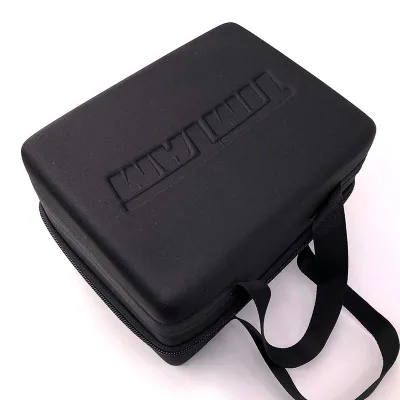


Waterproof Plastic Box Tool Suitcase Tool Case Waterproof Equipment Case with Handle
$70.00 - $80.00
MOQ: 50 Pieces




Comprehensive Sourcing Guide
Waterproof EVA Tool Case Sourcing Guide
Procuring waterproof EVA tool cases requires a disciplined approach to balancing material integrity with functional design. These cases are engineered to protect sensitive hardware, electrical components, and automotive repair tools from environmental hazards. Buyers must prioritize cases that offer shockproof and waterproof capabilities, ensuring that contents remain secure during transit or in rugged field conditions. The selection process should begin with a clear definition of the internal capacity needed, ranging from medium to super capacity options, to ensure optimal fit for the specific tool sets being stored.
The market offers a variety of configurations, including hand-held models and wheeled designs, each serving distinct logistical needs. Hand-held cases are ideal for portability and quick access, while wheeled variants support heavier loads and extended travel. Customization is widely available, allowing businesses to tailor colors, printing methods, and internal foam layouts to their brand identity. Understanding these variations is crucial for aligning the product with the end-user’s operational environment, whether it involves home maintenance, outdoor adventures, or professional car repair services.
Product Scope and Observed Listing Signals
The observed product landscape reveals a diverse range of specifications tailored to different storage requirements. Listings indicate models with dimensions such as 280mm x 210mm x 110mm and larger formats like 540mm x 190mm x 90mm, catering to both compact and extensive tool collections. Materials primarily consist of EVA combined with nylon fabric or ABS plastic, providing a rigid yet lightweight structure. The gross weight of these cases typically remains under 0.5 kg to 1 kg, ensuring that the packaging itself does not add significant burden to the overall shipment or user experience.
Bearing capacity is a critical factor, with many cases supporting loads between 3 and 10 kg. This range ensures durability without compromising the structural integrity of the EVA shell. Color options are predominantly black, though customization is available to meet specific corporate or aesthetic preferences. The usage scope extends across hardware tools, electrical tools, and car repair instruments, highlighting the versatility of these containers. Buyers should verify the exact outer dimensions and internal layout to prevent mismatches between the case size and the tools it is intended to house.
Technical Specifications to Verify
Verifying technical specifications is essential to ensure the case meets operational demands. Key attributes include the IP rating, which often correlates with water and dust resistance, and the hardness level, which is typically partial hard to provide cushioning against impacts. The printing technology, such as screen printing or embossing, affects the durability of branding on the case surface. Buyers must confirm whether the imprint size covers the entire surface or specific areas, as this impacts the visual appeal and brand visibility. Additionally, the packing method, whether in polybags or cardboard, influences the protection level during shipping.
Dimensional accuracy is paramount, with standard sizes like 260mm x 180mm x 70mm and 510mm x 425mm x 195mm being common. These measurements dictate the external footprint and internal volume. The material composition, often EVA or ABS, determines the case’s flexibility and resilience. Buyers should request detailed specifications for each model, including the suite quantity and whether the case includes foam inserts for secure tool placement. Confirming these details prevents surprises upon delivery and ensures the product aligns with the intended application, whether for travel, home use, or professional workshops.
Compliance and Safety Documentation
Compliance with international standards is a non-negotiable aspect of sourcing tool cases. Certifications such as RoHS and CE indicate that the materials used are free from hazardous substances and meet European safety requirements. Buyers must verify the validity of these certifications with the supplier, ensuring they are current and applicable to the specific product models being ordered. Documentation should include test reports that confirm the case’s ability to withstand shock and water exposure, providing assurance of product reliability.
Safety standards also extend to the manufacturing process, ensuring that the EVA and nylon fabrics used are durable and non-toxic. Buyers should request material safety data sheets (MSDS) to confirm the absence of harmful chemicals. Additionally, understanding the origin of the product, often from regions like Guangdong, China, helps in assessing the supply chain’s stability and quality control practices. Proper documentation not only facilitates customs clearance but also builds trust with end-users who prioritize safety and regulatory compliance in their purchasing decisions.
Cost Drivers and Commercial Terms
Cost drivers for waterproof EVA tool cases include material quality, customization complexity, and order volume. The use of high-grade EVA and ABS plastic, along with features like wheeled designs or custom foam inserts, increases production costs. Printing techniques, such as silk screen printing, add to the expense, especially for large imprint areas. Buyers should analyze the price range, which typically spans from low-cost basic models to premium customized options, to align with their budget constraints. Understanding these variables helps in negotiating favorable terms and avoiding hidden costs.
Commercial terms such as MOQ (Minimum Order Quantity) and sample availability significantly impact procurement strategy. Sample MOQs are often low, allowing buyers to evaluate quality before committing to bulk orders. Custom MOQs may start at 500 pieces, requiring careful planning to avoid excess inventory. Lead times and payment terms should be clearly defined in the contract to mitigate risks. Buyers should also consider the packaging method, as options like polybags or cardboard affect shipping costs and product protection. Transparent communication with suppliers ensures that all financial and logistical aspects are accounted for.
Supplier Qualification and Quality Control
Supplier qualification is critical to ensuring consistent product quality and reliable delivery. Buyers should assess suppliers based on their production capacity, quality management systems, and past performance. Factories with established processes for EVA molding and assembly are more likely to deliver durable cases. Verification of certifications, such as RoHS and CE, should be part of the initial screening process. Additionally, evaluating the supplier’s ability to handle customization requests, including color and printing options, is essential for meeting specific brand requirements.
Quality control measures must be implemented throughout the production cycle. Buyers should request pre-shipment inspections to verify dimensional accuracy, material integrity, and functional features like latches and handles. Testing for shockproof and waterproof capabilities can be conducted using standardized methods to ensure compliance with claimed specifications. Establishing a clear communication channel with the supplier allows for timely resolution of any issues. Regular audits and feedback loops help maintain high standards and foster a long-term partnership based on mutual trust and quality assurance.
Long-Term Procurement Checks
Long-term procurement success depends on continuous monitoring of supplier performance and market trends. Buyers should regularly review product quality, delivery times, and customer feedback to identify areas for improvement. Tracking changes in material costs and regulatory requirements helps in anticipating price fluctuations and compliance updates. Maintaining a diversified supplier base reduces dependency on a single source and mitigates supply chain risks. Regularly updating specifications and requirements ensures that the procured cases remain relevant to evolving market needs.
Building a robust relationship with suppliers facilitates better negotiation power and access to new innovations. Buyers should engage in periodic reviews to assess the supplier’s commitment to quality and sustainability. Exploring opportunities for co-development, such as custom designs or enhanced features, can provide a competitive edge. Additionally, staying informed about industry standards and best practices ensures that the procurement strategy remains aligned with global benchmarks. By focusing on long-term partnerships and continuous improvement, buyers can secure a reliable supply of high-quality waterproof EVA tool cases.
FAQs
How waterproof are these EVA tool cases in real conditions?
These cases are listed as waterproof with a hard EVA shell construction, so they protect tools from rain, splashes, and wet job-site conditions. They are not designed for full submersion, so prolonged underwater exposure should be avoided. For added protection, models such as AK-18-26 are packaged with foam inserts that cushion contents against water ingress and shocks.
What sizes and capacities are available for the Waterproof EVA Tool Case?
Listed models cover a wide size range, including compact options around 190mm*100mm*50mm, mid-size cases at 280mm*210mm*110mm or 260mm*180mm*70mm, long slim cases at 540mm*190mm*90mm, and large wheeled cases with outer sizes of 510X425X195mm. Capacity ranges from medium to super, with bearing capacity typically between 3 and 10 kg.
Can I customize the color, logo, and printing on the cases?
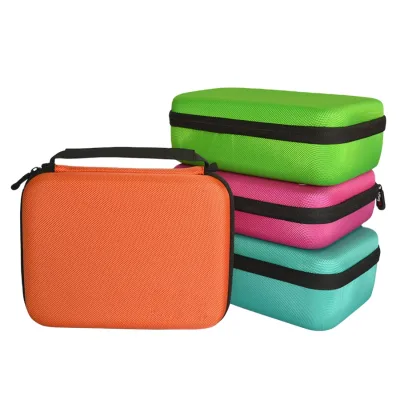
Yes, customization is available. Standard color is black, and customized colors can be requested on certain models. Logo options include screen printing, silk screen printing, and embossing, with imprint size covering the overall surface. Custom orders typically start at 500 pieces per model, while sample orders can be placed with a minimum of 1 piece.
What is the minimum order quantity for samples and bulk orders?
Sample MOQ is 1 piece, so you can evaluate one case before committing. For customized production orders, the custom MOQ is typically 500 pieces per model. Bulk quantities of up to 1000 pieces are listed across the product range. Polybag or cardboard packing is standard, and foam packaging is available for models requiring extra protection.
Which certifications do these EVA tool cases carry?
Listed cases carry RoHS and CE certification, which address restricted substances and general product safety requirements for electronics-adjacent goods. Certification coverage may vary by model, so confirm the exact certificates for your chosen model before ordering. The waterproof and shockproof functions are stated product attributes rather than certified performance ratings.
What tools and applications are these cases designed for?
The cases are designed for hardware tools and hand tools, electrical tools, car repair tools, and USB or electronic accessories. Applications include travel, home, car, and outdoor use. Hand-held styles suit technicians and hobbyists, while wheeled styles with super capacity serve heavier professional toolkits that need mobility between workshops.
How durable is the EVA material against shocks and daily handling?
EVA is a partially hard, closed-cell material that absorbs impact and resists crushing, which is why these cases are rated shockproof as well as waterproof. Combined with nylon fabric surfaces on some models and foam packing on others, they protect contents during transport and drops. Gross weight stays under 1 kg for most hand-held models, keeping them portable.
Where are these cases manufactured and how are they packed?
Manufacturing origin is China, with at least one supplier based in Guangdong. Packing options include polybag for standard shipments and polybag or cardboard for models needing retail-ready presentation, while model AK-18-26 ships packaged with foam. Confirm packing preferences when requesting quotations, since packaging choice can affect unit cost and carton dimensions.