Source Water Treatment Citric Acid for Cleaning, pH Control, and Chelation
Find 30 verified suppliers of Water Treatment Citric Acid for industrial cleaning, pH adjustment, and metal chelation. Compare specifications including purity, packaging, and certifications to select the right grade for your chemical auxiliary needs; compare the available evidence and request quotations based on your requirements.
Key considerations
Products List


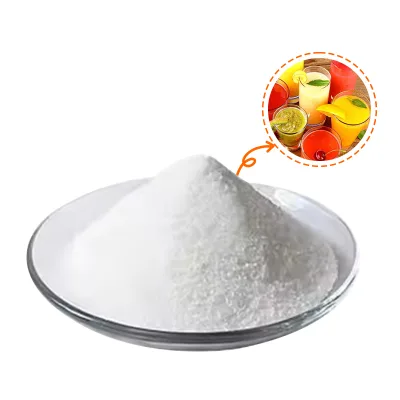


Citric Acid / Water Chemicals / pH Adjuster / Water Treatment / Food Additive
$500.00 - $550.00
MOQ: 25 Tons

Monohydrate and Anhydrous/ Citric Acid / pH Adjuster / Water Treatment Chemicals
$500.00 - $550.00
MOQ: 25 Tons


Comprehensive Sourcing Guide
Water Treatment Citric Acid Sourcing Guide
Procuring citric acid for water treatment requires distinguishing between food-grade and industrial-grade variants, as the supplied data reveals a mix of specifications including BP2009, USP32, and FCC6 standards. Buyers must verify that the specific lot intended for chemical auxiliary applications meets the purity thresholds of 99.5% minimum, rather than assuming all listed products satisfy this requirement. The observed listings indicate a wide range of molecular weights and formulations, necessitating a careful review of the chemical formula to ensure compatibility with the specific water treatment process.
The market data shows significant variation in packaging and physical appearance, ranging from colorless crystalline powders to white granules in 25kg bags or bulk containers. Sourcing decisions should prioritize suppliers who explicitly state the product model and origin, such as those listing Tianjin as the production location, to ensure traceability. It is critical to confirm whether the product is intended for direct dosing or as a cleaning agent, as the presence of sodium citrate variants with different molecular formulas could alter the chemical balance in the treatment system.
Product Scope and Observed Listing Signals
Buyers should analyze the observed listing signals to identify the specific form of citric acid required, noting that some entries describe the product as a concentrate chocolate or board liquid, which may indicate a different application entirely. The presence of multiple CAS numbers, such as 77-92-9 and 5949-29-1, suggests that the search results include both anhydrous citric acid and its monohydrate or sodium salt variants. Procurement teams must filter these results to isolate the exact chemical entity needed for water treatment, avoiding confusion between the acid itself and its salts which have distinct solubility and buffering properties.
The supply chain data indicates a monthly supply ability of up to 2000 tons, suggesting that large-scale industrial buyers can secure consistent volume without immediate stockouts. However, the observed MOQ range of 1 to 1000 units implies that smaller buyers may face higher per-unit costs or limited flexibility in order sizing. It is essential to match the order quantity with the specific packaging format, such as 25kg kraft paper bags or bulk buckets, to optimize logistics and minimize handling costs during the receiving process.
Technical Specifications to Verify
Technical verification must begin with the molecular weight and formula, as the data lists conflicting values like 192.122 for citric acid and 210.1388 for other variants, which directly impacts dosing calculations. Buyers should request a Certificate of Analysis for every batch to confirm the exact molecular formula and ensure it matches the intended chemical reaction in the water treatment system. Relying on general descriptions like "powder" or "granule" is insufficient; precise physical properties such as bulk density between 800-1000kg/M3 must be validated to calculate storage volume and transport weight accurately.
Melting and boiling points are critical thermal properties that influence storage stability and processing conditions, with observed values ranging from -94 degrees to 56 degrees depending on the specific hydrate form. Procurement teams must verify these thermal characteristics against the operating temperature of their water treatment facilities to prevent degradation or unexpected phase changes during storage. Additionally, the shelf life of over 12 months or up to 2 years must be confirmed on the label, ensuring the product remains effective throughout the intended usage period without requiring immediate consumption upon delivery.
Compliance and Safety Documentation
Compliance verification requires checking for specific certifications such as FDA, ISO, BRC, and HACCP, which are listed in the observed data but may not apply to every product variant. Buyers must ensure that the specific batch intended for water treatment carries the relevant food-grade or industrial-grade certifications, as the presence of a food certification does not automatically guarantee suitability for chemical auxiliary applications. The distinction between standards like BP2009 and USP32 is vital, as these pharmacopeial standards dictate the acceptable limits for impurities that could interfere with water treatment efficacy.
Safety documentation must include detailed Material Safety Data Sheets (MSDS) that align with the observed storage methods, such as normal or room temperature conditions. The data indicates that some products are packaged in paper or PP bags, which may have different flammability or chemical resistance profiles compared to other packaging materials. Procurement teams should verify that the supplier provides up-to-date safety data that addresses the specific hazards of the product, including its classification as a chemical auxiliary agent, to ensure safe handling and storage protocols are followed.
Cost Drivers and Commercial Terms
Cost drivers in this market are heavily influenced by the purity level, with observed standards requiring a minimum of 99.5% purity, and the specific packaging format selected. Buyers should anticipate that products with higher purity grades or specialized packaging, such as compound bags for sodium citrate, may command a premium over standard bulk options. The observed price range of 0.5 to 20000 USD suggests a vast disparity based on volume and specification, requiring a detailed cost-benefit analysis to determine the most economical option that still meets technical requirements.
Commercial terms must account for the observed MOQ range of 1 to 1000 units, which can significantly impact the total landed cost for smaller operations. Buyers should negotiate lead times and shipping terms based on the supplier's supply ability of 2000 tons per month, ensuring that delivery schedules align with production needs. It is also crucial to clarify whether the quoted price includes the cost of the packaging material, such as paper or kraft paper, as this can vary between suppliers and affect the overall budget for the procurement cycle.
Supplier Qualification and Quality Control
Supplier qualification should focus on verifying the origin of the product, with observed data pointing to China and specifically Tianjin as key production hubs. Buyers must confirm that the supplier has a robust quality control system in place, evidenced by certifications like ISO and HACCP, to ensure consistent product quality across different batches. The presence of a brand name like Lvyuan in the data suggests that established manufacturers may offer better traceability and accountability, which is essential for maintaining the integrity of water treatment processes.
Quality control protocols must include regular testing of the product's physical and chemical properties, such as color, appearance, and molecular weight, to detect any deviations from the specified standards. Buyers should require the supplier to provide batch-specific test results that confirm the product meets the required standards, such as E331 or BP2009, before shipment. Establishing a clear communication channel for quality issues is vital, as the observed variation in product models and specifications indicates a need for rigorous pre-shipment verification to prevent non-conforming goods from entering the supply chain.
Long-Term Procurement Checks
Long-term procurement strategies should include periodic audits of the supplier's ability to maintain the observed supply ability of 2000 tons per month without compromising quality. Buyers must monitor the consistency of the product specifications, such as the shelf life and storage requirements, to ensure that the supplier can meet ongoing operational needs over an extended period. Regular reviews of the supplier's certification status and compliance with changing regulations are necessary to mitigate risks associated with supply chain disruptions or regulatory changes.
It is also essential to track the performance of the product in the water treatment system over time, comparing actual results against the expected outcomes based on the initial specifications. Buyers should maintain a database of test results and supplier performance metrics to identify trends that may indicate a need for supplier changes or process adjustments. By continuously evaluating the supplier's reliability and the product's efficacy, organizations can ensure a stable and efficient water treatment operation that meets both current and future demands.
FAQs
What is the purity standard for Water Treatment Citric Acid?
The product meets a minimum purity standard of 99.5%. It is available in food grade specifications and complies with BP2009, USP32, FCC6, and E3303 standards. This ensures high chemical consistency for effective water treatment applications and regulatory compliance.
Can I request custom packaging for bulk orders?
Customization is available for packaging requirements. Standard options include 25kg bags, kraft paper compound bags, or cartons. You can specify PP bags or buckets based on your logistical needs. This flexibility supports efficient storage and handling for industrial water treatment processes.
What certifications are provided for this citric acid?
The product holds FDA, ISO, and BRC certifications. Additional documentation includes HACCP and ISO approvals. These credentials verify safety and quality management systems, ensuring the material is suitable for sensitive water treatment environments and meets international regulatory requirements for chemical auxiliary agents.
How should Water Treatment Citric Acid be stored?
Store the product at normal room temperature to maintain stability. The shelf life exceeds 12 months, with some specifications noting a two-year duration. Keep the paper or kraft packaging sealed to prevent moisture absorption, ensuring the crystalline powder remains effective for water treatment.
What is the typical supply capacity for this product?
The supply ability is 2000 tons per month. This capacity supports large-scale industrial procurement needs. The product originates from China, with specific production noted in Tianjin. This reliable output ensures consistent availability for ongoing water treatment chemical requirements and bulk purchasing agreements.