Source Water Treatment Conductivity Analyzer for Lab, Plant, and Field
Find and compare 30 Water Treatment Conductivity Analyzer options from verified Chinese manufacturers. Evaluate models with digital displays, RS-485 communication, and multi-parameter capabilities for industrial water treatment, biochemistry research, and food analysis applications.
Key considerations
Products List


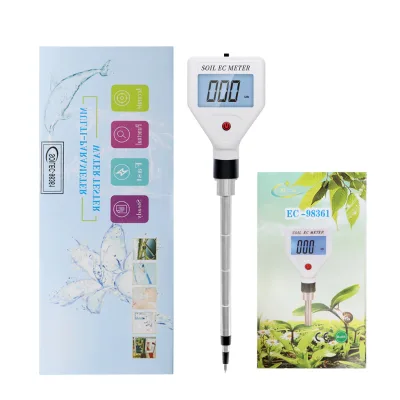


Professional Multi-Sensor Analyzer with Real-Time Water Quality Monitoring
$223.00 - $246.00
MOQ: 2 Pieces


Comprehensive Water Quality Analyzer for Accurate Testing and Monitoring
$3588.00 - $5200.00
MOQ: 1 Pieces

Auto-Calibration Industrial-Grade Environmental Water Quality Analyzer
$12500.00 - $19000.00
MOQ: 1 Pieces


Comprehensive Sourcing Guide
Water Treatment Conductivity Analyzer Sourcing Guide
Product Scope and Observed Listing Signals
The market for water treatment conductivity analyzers presents a diverse array of instrumentation, ranging from compact, multi-parameter handheld testers to robust, industrial-grade digital loggers. Current listings indicate a significant variation in product capabilities, with observed price points spanning from approximately $13.22 to $50,000 USD. This wide range reflects the disparity between basic diagnostic tools and complex, integrated systems designed for continuous monitoring in demanding industrial environments. Buyers must carefully distinguish between simple measurement devices and comprehensive data logging solutions, as the latter often include advanced features such as SD card memory storage and specific communication protocols that are critical for automated water treatment processes.
Geographic sourcing data reveals that a substantial portion of these instruments originates from manufacturing hubs in China, specifically within provinces such as Shanghai, Henan, and Zhejiang. These regions are known for producing a variety of analytical instruments, including models like the O3-2059, TOB-831+860, and BSK-5 in 1. The presence of products with specific model numbers and distinct physical dimensions, such as 144144104mm or 246.5mm*44mm, suggests that buyers are choosing between panel-mounted units and portable or modular devices. Understanding the physical footprint and mounting requirements of these devices is essential for integration into existing water treatment infrastructure, ensuring that the selected analyzer fits within control panels or portable field kits without modification.
Technical Specifications to Verify
When evaluating conductivity analyzers, the resolution and measurement range of the indicating electrode are primary technical indicators of performance. Buyers should verify that the device offers a high-resolution output, such as 0.01% or moisture measurement resolutions down to 0.1ug, to ensure precise data capture for sensitive water quality applications. The measurement range of the indicating electrode, which may extend up to 2400mv in some models, dictates the device's ability to handle varying ionic concentrations. It is crucial to confirm that the analyzer’s range aligns with the specific conductivity levels expected in the water treatment process, whether for ultrapure water or wastewater, to avoid signal saturation or insufficient sensitivity.
Communication and data output capabilities are equally critical for modern water treatment facilities that rely on centralized monitoring systems. Many industrial-grade analyzers feature RS-485 Modbus RTU communication ports, allowing seamless integration with SCADA systems or PLCs for real-time data acquisition. Additionally, some models support SD card memory expansion, such as 32G capacity, which provides local data storage for historical trend analysis and compliance reporting. Buyers must also assess the power supply requirements, noting that some units operate on DC12V, and verify the display type, whether digital or LCD, to ensure usability in the intended operational environment. The inclusion of multi-function capabilities, such as pH measurement ranges from 0.00 to 14.00 pH, may offer value for applications requiring simultaneous parameter monitoring.
Compliance and Safety Documentation
Certification status is a fundamental requirement for ensuring that water treatment analyzers meet international safety and quality standards. The CE certification is a common compliance mark observed in product listings, indicating that the device adheres to European health, safety, and environmental protection standards. Buyers should request valid certification documents to verify that the specific model has undergone appropriate testing for electrical safety and electromagnetic compatibility. This documentation is particularly important for installations in regulated industries or regions where compliance with local electrical codes is mandatory for operational licensing.
Material construction and environmental ratings also play a significant role in the safety and longevity of the analyzer. Devices constructed from plastic and stainless steel offer varying degrees of corrosion resistance, which is vital in water treatment environments where exposure to chemicals and moisture is constant. Buyers should verify the IP rating of the instrument to ensure it provides adequate protection against dust and water ingress, preventing short circuits or sensor degradation. Furthermore, understanding the pressure resistance capability, such as ≤0.2MPa, and thread specifications like G3/4", is essential for ensuring the device can withstand the hydraulic conditions of the water line without leaking or failing.
Cost Drivers and Commercial Terms
The cost of a Water Treatment Conductivity Analyzer is influenced by several factors, including the complexity of the measurement technology, the quality of materials used, and the level of customization available. Products with advanced features such as multi-parameter analysis, digital displays, and integrated data logging typically command higher prices compared to basic single-parameter testers. The observed MOQ range of 1-5 units suggests that suppliers are flexible with order quantities, allowing buyers to procure single units for pilot testing or small batches for immediate deployment. This flexibility can reduce initial capital expenditure but may impact unit pricing, so buyers should negotiate based on their specific volume requirements.
Customization support, including OEM and ODM services, can significantly affect the commercial terms and final cost of the procurement. Buyers requiring specific branding, unique packaging, or tailored software interfaces may incur additional setup fees or higher per-unit costs. It is important to clarify whether the listed price includes all necessary accessories, such as probes, cables, and mounting hardware, or if these are sold separately. Additionally, buyers should inquire about the prod_packing details, such as carton box or carton packaging, to ensure that the products are adequately protected during shipping and to calculate accurate logistics costs based on the total weight and dimensions of the shipment.
Supplier Qualification and Quality Control
Verifying the supplier’s origin and manufacturing capabilities is a critical step in ensuring the reliability of the purchased analyzers. Suppliers located in established industrial regions like Shanghai, Henan, and Zhejiang often have access to robust supply chains and experienced engineering teams. Buyers should request detailed product specifications, including prod_model numbers and prod_standard dimensions, to confirm that the supplier can consistently produce devices that meet the required technical parameters. The availability of customization support indicates that the supplier has the flexibility to adapt products to specific buyer needs, which is a positive indicator of their manufacturing agility.
Quality control processes should be explicitly discussed during the supplier evaluation phase. Buyers should ask about the testing procedures used for each unit, including calibration checks for conductivity and pH measurements, to ensure accuracy before shipment. The presence of a digital display and high-resolution sensors suggests that the manufacturer invests in precision components, but buyers must verify that these components are rigorously tested for consistency. Additionally, understanding the prod_packing methods, such as the use of carton boxes, helps assess the supplier’s attention to detail in protecting sensitive electronic components during transit, which is crucial for maintaining product integrity upon arrival.
Long-Term Procurement Checks
Establishing a framework for long-term procurement success involves monitoring the supplier’s ability to provide consistent product quality and support over time. Buyers should track the performance of the analyzers in the field, paying close attention to any deviations in measurement accuracy or communication stability. The use of standardized communication protocols like RS-485 Modbus RTU facilitates easier troubleshooting and integration with future system upgrades, so buyers should ensure that the supplier provides comprehensive documentation for these protocols. Regularly reviewing the product’s performance against the initial specifications, such as the 0.01% resolution or 2400mv range, helps identify any drift or degradation that may require recalibration or replacement.
Sustainability and supply chain resilience are also key considerations for long-term procurement. Buyers should assess the supplier’s ability to maintain stock levels of critical components, such as indicating electrodes and display modules, to minimize downtime in case of failure. The availability of spare parts and technical support services should be clearly defined in the procurement agreement. Furthermore, buyers should stay informed about any updates to product models or standards, such as changes in prod_standard dimensions or new certification requirements, to ensure that their installed base remains compliant and compatible with evolving industry regulations.
FAQs
What customization options are available for water treatment conductivity analyzers?
Customization is available for these instruments, allowing buyers to request specific configurations. Some models support OEM and ODM services to meet unique operational needs. This flexibility helps tailor the device to specific laboratory or industrial requirements without compromising core functionality.
Which certifications do water treatment conductivity analyzers typically hold?
Many units carry CE certification, ensuring compliance with European safety and performance standards. This certification indicates the device meets essential health and environmental requirements. Buyers should verify specific certification documents for each model to ensure regulatory alignment in their target regions.
How is the signal output configured for data transmission?
The signal output is configured as RS-485, enabling reliable serial communication with external systems. This interface supports Modbus RTU protocols for seamless integration into existing monitoring networks. It allows for efficient data logging and remote control capabilities in industrial settings.
What is the resolution for moisture measurement in these devices?
The moisture measurement resolution is 0.1ug, providing high precision for sensitive applications. This level of detail is critical for accurate analysis in biochemistry and medical research fields. Such resolution ensures that even minute changes in moisture content are detected reliably.
Can these analyzers be used for food analysis applications?
Yes, these devices are applicable for food analysis alongside biochemistry and medical research. Their multi-function design supports diverse testing requirements across different industries. This versatility makes them suitable for quality control processes in food production environments.
What is the pressure resistance capability of the sensor?
The pressure resistance capability is rated at 0.2MPa or less, ensuring safe operation under moderate pressure. This specification is important for applications involving liquid flow or pressurized systems. Users must ensure operating conditions do not exceed this limit to prevent damage.
Which display type is used for reading measurement values?
The display type is LCD, offering clear visibility of digital readings in various lighting conditions. Some models feature a digital display for enhanced readability of complex data. This ensures operators can easily monitor parameters during continuous testing sessions.
What is the standard size for the instrument housing?
Standard sizes include dimensions like 144*144*104mm or 144X144X116mm depending on the specific model. These compact forms fit standard panel mounting requirements for industrial control systems. Buyers should check the exact model number to confirm the physical dimensions.