Source Waterproof 3D Carbon Fiber Sticker for Body, Glass, and Interior
Compare 30 Waterproof 3D Carbon Fiber Sticker options from suppliers in China. Buyers can review PVC film thickness, customization availability, and lead times for body, glass, and interior applications.
Key considerations
Products List


Customizable 3D Carbon Fiber Vinyl Stickers for Creative Designs
$1.60 - $3.00
MOQ: 3000 Square Meters


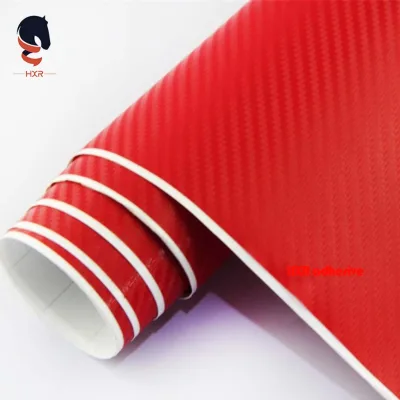


Wholesale Supplier 3D Carbon Fiber Vinyl Wrapping Sticker Car Decoration Vinyl
$55.00 - $65.00
MOQ: 1 Rolls

Wholesale Supplier Carbon Fiber Wraps Vinyl Sticker Car Body Sticker Film
$70.00 - $80.00
MOQ: 1 Rolls


High Quality TPU 8.0mil Forged Carbon Wrap 3D Carbon Vehicle Car Sticker
$400.00 - $500.00
MOQ: 1 Rolls


Manufacture Custom Logo Waterproof Adhesive 3D Metal Nickel Car Stickers
$0.50 - $10.00
MOQ: 1000 Pieces


Comprehensive Sourcing Guide
Strategic Sourcing Guide for Waterproof 3D Carbon Fiber Stickers
The global market for automotive and industrial decorative films has seen a significant surge in demand for high-fidelity textures that mimic premium materials without the associated weight or cost. Among these, the Waterproof 3D Carbon Fiber Sticker has emerged as a critical component for vehicle customization, equipment branding, and interior enhancement. For procurement professionals, navigating this category requires a disciplined approach to technical verification, as the term "carbon fiber" often masks a wide variety of underlying material compositions and manufacturing standards. This guide provides a structured framework for evaluating suppliers and products, ensuring that the final procurement aligns with specific performance requirements and budgetary constraints.
Technical Specifications and Material Composition
The foundation of a successful procurement for 3D carbon fiber stickers lies in a rigorous understanding of the material specifications. While the visual appeal is paramount, the physical properties determine longevity and application suitability. Based on available industry data, the primary substrate for these products is typically Polyvinyl Chloride (PVC) film. However, buyers must distinguish between different thickness variants, as this directly impacts durability and flexibility.
Observed specifications in the market indicate a range of thicknesses, with common variants including 60 microns, 120 microns, and 150 microns. A 60-micron PVC film is often suitable for short-term applications or flat surfaces, whereas a 120-micron or 150-micron thickness provides the structural integrity required for curved body panels and high-wear areas. The 3D effect is achieved through embossing or printing techniques that create a woven texture. It is crucial to verify the backing paper quality, as this affects the application process. Standard backing papers are often rated at 140g/m², providing sufficient rigidity to prevent tearing during installation while allowing for easy release.
Furthermore, the adhesive system is a critical technical specification. High-quality waterproof stickers utilize a bubble-free glue formulation that ensures a seamless bond without trapping air pockets, which can lead to premature delamination. The standard width for these rolls is frequently observed at 1.52 meters, though 1.27 meters is also a common specification. Length per roll typically ranges from 30 to 50 meters, though custom lengths are available. Buyers should explicitly request the "Thickness of PVC" and "Backing Paper" grams per square meter in their technical inquiries to avoid receiving substandard materials that may fail under UV exposure or temperature fluctuations.
Compliance, Certification, and Environmental Standards
When sourcing waterproof 3D carbon fiber stickers, compliance with environmental and safety standards is non-negotiable, particularly for applications involving vehicle interiors or outdoor exposure. While specific certification names vary by region, the underlying requirements generally revolve around the absence of harmful volatile organic compounds (VOCs) and the durability of the adhesive under varying climatic conditions.
Buyers must verify that the PVC film and the adhesive are free from heavy metals and phthalates, especially if the stickers are intended for use in enclosed spaces like car interiors. The "Bubble Free" attribute mentioned in product data suggests a high-quality adhesive application, but this should be backed by independent testing data regarding adhesion strength and peel resistance. For outdoor applications, the material must demonstrate resistance to UV degradation, which can cause fading or cracking over time.
Although specific certification bodies are not universally mandated for all sticker types, suppliers should be able to provide documentation confirming that their materials meet international safety standards for automotive use. This includes verifying that the "Color Available" options are stable and do not bleed or fade under direct sunlight. In the context of the provided data, some products are listed with a standard of "Color Available 7 colors," indicating a baseline for color consistency, but buyers should demand a color fastness test report to ensure the specific shades meet their brand requirements.
Cost Drivers and Pricing Dynamics
The pricing of waterproof 3D carbon fiber stickers is influenced by several key factors, including material thickness, customization complexity, and order volume. The observed price range in the market spans from $0.08 to $500 per unit, reflecting the vast difference between small, single-roll purchases and large-scale, custom-printed orders. The lower end of the spectrum typically corresponds to standard, off-the-shelf rolls with minimal customization, while the higher end includes bespoke designs, thicker gauges, and specialized packaging.
Minimum Order Quantity (MOQ) is a significant cost driver. Data indicates that MOQs can range from 1 roll to 3,000 rolls, with a common baseline of 12 to 20 rolls for standard products. Ordering below the standard MOQ often incurs a premium per unit or may not be feasible depending on the supplier's production capacity. Additionally, the "Customization" attribute is a major variable; while many suppliers offer customization, the complexity of the design, the number of colors, and the specific embossing patterns required will directly impact the final cost.
Lead time is another critical component of the total cost of ownership. A standard lead time of 4 weeks is observed for customized orders, which allows for proper production scheduling and quality control. Rush orders may incur additional fees, and buyers should factor this into their procurement timeline. The packaging method, whether in "Carton Box" or "Plastic Bags," also contributes to the cost, with more robust packaging required for international shipping to prevent damage during transit.
Typical Applications and Use Cases
Waterproof 3D carbon fiber stickers serve a diverse range of applications across the automotive, advertising, and industrial sectors. The primary use case is automotive body modification, where the stickers are applied to hoods, roofs, bumpers, and side panels to enhance the vehicle's aesthetic appeal. The "Whole Body Sticker" and "Border Sticker" types are specifically designed for these applications, offering full coverage or accentuating specific lines of the vehicle.
Beyond automotive use, these stickers are frequently utilized for "Outdoor Advertisement," where their durability and visual impact make them ideal for signage and vehicle wraps. The "Windshield Glass Sticker" and "Car Window Sticker" categories highlight their versatility in interior and exterior glass applications, often used for decorative purposes or to display inspection stickers. In the industrial sector, the "Medicine" usage category suggests potential applications in labeling or equipment identification, although this is less common for carbon fiber textures.
The "Kind" of sticker, such as "Modification Sticker" or "Personalized Sticker," further defines its intended use. Buyers should match the specific product type to their application environment. For example, a "Letter" type sticker might be suitable for branding, while a "Logo" type is better for corporate identity. The "Decoration Sticker" category for the rear of vehicles indicates a focus on aesthetic enhancement rather than functional protection. Understanding these distinctions ensures that the selected product meets the functional and aesthetic needs of the end-user.
Supplier Evaluation and Quality Assurance
Evaluating suppliers for waterproof 3D carbon fiber stickers requires a multi-faceted approach that goes beyond price comparison. Buyers should prioritize suppliers who demonstrate transparency in their production processes and provide clear technical documentation. The origin of the product, often listed as "Shanghai" or "China," is a common source, but the specific factory capabilities and quality control measures are more important than the geographic location alone.
Key evaluation criteria include the supplier's ability to provide free samples, which allows for hands-on testing of the material's texture, adhesive quality, and color accuracy. The "Sample: Can Be Provided Free of Charge" attribute is a strong indicator of a supplier's confidence in their product. Buyers should also verify the "prod_model" codes, such as SCF120, SCF150A, or JTCC130, to ensure consistency in future orders. These model numbers often correspond to specific thicknesses, widths, and finishing techniques.
Quality control should be a collaborative effort between the buyer and the supplier. Establishing clear acceptance criteria for thickness, width, and color consistency is essential. For instance, verifying that the "Standard Width" matches the ordered specification (e.g., 1.52m) and that the "Thickness of PVC" is within the agreed tolerance is critical. Additionally, buyers should request a quality assurance report that details the results of any relevant tests, such as adhesion strength or UV resistance, to ensure the product meets the required standards before full-scale production begins.
Long-Term Procurement Considerations
Sourcing waterproof 3D carbon fiber stickers is not merely a transactional activity but a strategic decision that impacts long-term brand reputation and operational efficiency. Buyers should consider the scalability of their supplier relationship, ensuring that the partner can handle increased order volumes as business grows. The ability to customize orders, as indicated by the "customized" standard, is a valuable asset for maintaining product differentiation in a competitive market.
Inventory management is another critical factor. With lead times of 4 weeks, buyers must plan their orders well in advance to avoid stockouts. The "Carton Box" packaging is suitable for bulk storage, but buyers should ensure that the packaging is robust enough to protect the rolls from moisture and physical damage during storage. Furthermore, the "150 Micron" or "120 Micron" options may become obsolete if market trends shift towards thinner or thicker films, so maintaining a flexible supply chain is advisable.
Finally, buyers should monitor the evolving landscape of automotive and industrial trends. As the demand for eco-friendly materials increases, suppliers who can offer sustainable PVC alternatives or recyclable backing papers will gain a competitive edge. By staying informed about these developments and maintaining a proactive relationship with suppliers, buyers can ensure a steady supply of high-quality waterproof 3D carbon fiber stickers that meet their evolving needs.
Comparative Analysis of Product Attributes
To assist in the decision-making process, the following table summarizes key attributes observed in the market for waterproof 3D carbon fiber stickers. This comparison highlights the variability in specifications and helps buyers identify the most suitable options for their specific requirements.
| Attribute | Standard Observation | High-Performance Observation | Customization Potential |
|---|---|---|---|
| Material | PVC Film | High-Density PVC | Available |
| Thickness | 60 Micron | 150 Micron | Customizable |
| Width | 1.27m / 1.52m | 1.52m | Customizable |
| Length | 30m / 50m | 50m | Customizable |
| Backing Paper | 140g/m² | 140g/m² | Available |
| Adhesive | Bubble Free | Bubble Free | Available |
| MOQ | 1 Roll | 12 Rolls | 20 Rolls |
| Lead Time | 4 Weeks | 4 Weeks | Variable |
| Origin | Shanghai, China | Shanghai, China | N/A |
This table underscores the importance of verifying specific attributes against the buyer's needs. While standard observations provide a baseline, high-performance options and customization potential offer the flexibility required for specialized applications. By carefully analyzing these factors, procurement professionals can make informed decisions that balance cost, quality, and performance.
FAQs
What thickness options are available for Waterproof 3D Carbon Fiber Sticker rolls?
Available thickness options include 60, 120, and 150 microns depending on the specific product model. Thicker variants like 120 or 150 microns provide better durability for curved body panels compared to standard 60-micron films.
Can I get free samples of Waterproof 3D Carbon Fiber Sticker before ordering?
Yes, suppliers can provide samples free of charge to verify material quality and texture. This allows buyers to test the adhesive and embossing before committing to a larger bulk order.
What is the standard width and length for a roll of Waterproof 3D Carbon Fiber Sticker?
Standard widths are typically 1.27 or 1.52 meters with lengths ranging from 30 to 50 meters per roll. Custom lengths and widths are also available to meet specific project requirements.
How long does it take to receive customized Waterproof 3D Carbon Fiber Sticker orders?
The standard lead time for customized orders is approximately four weeks from order confirmation. This duration ensures proper production scheduling and quality control for the specific design requirements.
What is the minimum order quantity for purchasing Waterproof 3D Carbon Fiber Sticker?
Minimum order quantities typically range from 12 to 20 rolls for standard products. Some suppliers may accept orders as low as one roll, though bulk purchases often yield better pricing.
Which adhesive type is used for Waterproof 3D Carbon Fiber Sticker to prevent bubbles?
High-quality products utilize a bubble-free glue formulation to ensure a seamless bond without air pockets. This adhesive system helps prevent premature delamination and ensures a smooth finish on application.