Find Waterproof 2G Elderly Care Smartwatch for Health, Calls, and Alerts
Source a selection of 30 Waterproof 2G Elderly Care Smartwatch options featuring ECG, blood pressure monitoring, and Bluetooth calling. Buyers can compare models with AMOLED or IPS displays, various band materials, and IP68 waterproof ratings to find the right fit for senior health needs.
Key considerations
Products List


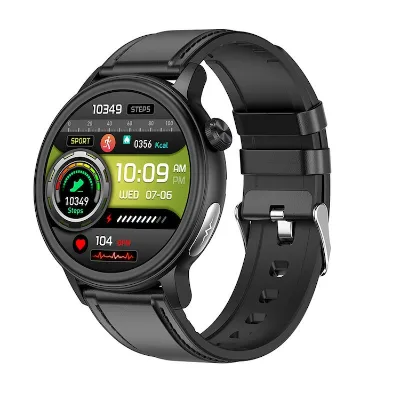

4G Senior Smartwatch Elderly Health Stress Temperature GPS Tracker Smart Watch
$56.00 - $62.00
MOQ: 1 Pieces


2025 4G LTE Location Sos Dual Call Waterproof Children Elderly GPS Smartwatch
$56.00 - $60.00
MOQ: 1 Pieces


Comprehensive Sourcing Guide
Strategic Sourcing Guide for Waterproof 2G Elderly Care Smartwatches
The global demand for wearable health monitoring devices has expanded significantly, driven by an aging demographic and the need for remote care solutions. For procurement professionals targeting the specific niche of a "Waterproof 2G Elderly Care Smartwatch," the sourcing landscape requires a disciplined approach that balances technical functionality with regulatory compliance and supply chain reliability. This guide synthesizes available market data to provide a framework for evaluating potential suppliers and products, ensuring that the final procurement decision aligns with the specific needs of elderly care applications without relying on unverified marketing claims.
Technical Specifications and Functional Requirements
When sourcing a smartwatch designed for elderly care, the technical specifications must prioritize accessibility, durability, and connectivity. The core keyword implies a device that operates on 2G networks, which is critical for ensuring connectivity in areas where 4G or 5G coverage may be inconsistent or where the target demographic requires simple, reliable voice communication. In the current market, devices often feature a combination of Bluetooth and cellular capabilities, allowing for dual-mode operation.
The display technology is a primary consideration for elderly users who may have reduced visual acuity. Available market data indicates a prevalence of AMOLED, IPS, OLED, and TFT display types. AMOLED and OLED panels offer high contrast and deep blacks, which can be beneficial for readability in various lighting conditions, while IPS panels provide wide viewing angles. Screen resolution is another critical metric; observed data points to resolutions such as 320x240 pixels, which is a baseline for clear text and icon visibility. For users with specific needs, a 1.39-inch high-resolution 360x360 screen is also a documented specification that offers a larger canvas for information display.
Connectivity features extend beyond simple calling. The "Multi-function" attribute observed in current listings includes a comprehensive suite of health monitoring tools: Heart Rate Monitor, Blood Pressure Monitor, Sleep Monitor, Activity Monitoring, and GPS tracking. For elderly care specifically, the inclusion of an ECG function and non-invasive blood glucose measurement capabilities represents a significant value-add, though these should be verified as medical-grade or wellness-grade depending on the intended use case. The device must also support compatibility with major operating systems, including Android and iOS, to ensure seamless integration with the caregiver's smartphone for remote monitoring.
Connectivity and Network Standards
The requirement for 2G connectivity in a smartwatch for the elderly is a specific technical constraint that demands careful verification. While modern networks are rapidly transitioning to 4G and 5G, 2G networks remain operational in many regions, particularly in rural areas or developing markets where elderly populations may reside. A device labeled as "2G" must explicitly support the GSM frequency bands used in the target deployment region.
Procurement teams must verify that the device supports the necessary SIM card functionality. The "Bluetooth Enabled" feature listed in product attributes often serves as a secondary communication channel for data synchronization with a phone, but the primary emergency or daily communication for an elderly user often relies on the cellular network. The "BT call" (Bluetooth Call) feature allows the watch to function as a hands-free headset, which is essential for users who may have difficulty holding a phone. However, for a standalone "2G" device, the internal modem must be robust enough to handle voice calls and potentially SMS alerts without constant tethering to a smartphone.
Buyers should also consider the standby time, which is a critical metric for reliability. Observed data suggests a standby time range of 7 to 15 days. This longevity is vital for elderly users who may not be tech-savvy enough to charge their devices daily. A device that requires frequent charging increases the risk of the user being unreachable in an emergency. The charging method, typically magnetic charging as observed in the product data, should be easy to align and secure, reducing the friction of daily maintenance.
Material Composition and Durability Standards
Durability is paramount for devices intended for elderly care, where drops, water exposure, and constant wear are common. The material composition of the watch case and band plays a significant role in both comfort and resilience. Market observations indicate a wide variety of band materials, including Silicone, Leather, Nylon, Rubber, Stainless Steel, Faux Leather, and Plastic. For elderly users, Silicone and Rubber are often preferred due to their hypoallergenic properties, flexibility, and ease of cleaning.
The case material is frequently listed as Plastic or PC (Polycarbonate), which offers a lightweight profile essential for all-day wear. However, the structural integrity of the plastic must be sufficient to protect the internal electronics. A key durability feature is the waterproof rating. The "Waterproof" attribute is frequently cited, with specific standards such as IP68 observed in the data. An IP68 rating implies that the device is dust-tight and can withstand immersion in water beyond 1 meter for a specified duration. This is crucial for elderly users who may be bathing or caught in rain, ensuring the device remains functional during daily activities.
The physical dimensions of the watch are also relevant. One observed standard lists dimensions of 44.537.811.7 mm, which suggests a compact form factor. For elderly users with smaller wrists, a smaller screen size, such as the observed 28 mm, might be more appropriate. The item shape is predominantly round, which is a traditional aesthetic that may be more familiar and comfortable for older generations compared to square digital interfaces.
Compliance, Certification, and Safety Verification
In the realm of medical and health monitoring devices, compliance is not merely a regulatory hurdle but a fundamental safety requirement. While the supplied data does not explicitly list specific certification bodies like CE, FDA, or ISO for every model, the presence of advanced health features like ECG, Blood Pressure, and Blood Glucose monitoring necessitates rigorous verification. Buyers must not assume that a "Health Monitor" feature implies medical-grade accuracy without documented certification.
The "EN13319" standard is mentioned in the background data, though it is noted as low-confidence for concrete claims. This standard relates to safety requirements for personal protective equipment, which may be relevant if the device is marketed as safety gear. However, for health monitoring, buyers should specifically request documentation regarding the accuracy of the sensors. If the device claims to measure blood pressure or glucose, it must comply with relevant medical device regulations in the destination country.
Furthermore, the "Waterproof standard" of IP68 should be verified through independent test reports. Marketing claims of "Waterproof" can be misleading; the specific IP rating must be confirmed to ensure the device can withstand the intended exposure levels. Buyers should also check for compliance with electromagnetic compatibility (EMC) standards, as the device emits radio frequencies for 2G and Bluetooth connectivity. Ensuring that the product origin, listed as China, aligns with the export regulations of the destination market is also a critical step in the compliance verification process.
Cost Drivers and Procurement Economics
Understanding the cost drivers for a Waterproof 2G Elderly Care Smartwatch is essential for budgeting and supplier negotiation. The price range observed in the market spans from 1 to 85 USD, indicating a highly segmented market with significant variation based on features and build quality. Several factors influence this price variance.
First, the complexity of the health monitoring sensors is a primary cost driver. A device with basic step counting and heart rate monitoring will be at the lower end of the price spectrum, while a device featuring ECG, blood pressure, and glucose monitoring will command a higher price due to the cost of specialized sensors and the associated calibration software. Second, the connectivity module is a major factor. A 2G modem adds cost compared to a Bluetooth-only device, and the inclusion of GPS tracking further increases the bill of materials.
The packaging and branding also affect the final cost. The "Gift Box" packing option suggests a premium presentation, which may increase the unit price but is valuable for gifting or corporate procurement. The "Brand Name" variability, ranging from generic names to specific brands like CarePro, SmaPro, or Nanway, indicates that buyers can choose between white-label solutions and branded products, each with different cost implications.
Minimum Order Quantity (MOQ) is another economic consideration. The observed MOQ range is 1 to 100 units, with "Small Orders" explicitly accepted. This flexibility is beneficial for buyers testing the market or fulfilling smaller institutional needs. However, higher volume orders typically result in better unit pricing. Buyers should also consider the lead time, which is not explicitly provided in the data but is a standard variable in procurement that affects inventory planning.
Supplier Evaluation and Quality Control
Selecting the right supplier requires a multi-faceted evaluation process that goes beyond the product listing. The "Product Origin" is consistently listed as China, which is a major manufacturing hub for consumer electronics. However, the quality of manufacturing can vary significantly between factories. Buyers should prioritize suppliers who can provide transparent information about their production processes and quality control measures.
The "Customization" attribute is available, which is a strong indicator of a supplier's flexibility. This allows buyers to tailor the device to specific needs, such as customizing the user interface for elderly users, adding specific branding, or adjusting the packaging. However, customization often comes with a higher MOQ or longer lead time, which must be factored into the procurement plan.
Quality control should focus on the consistency of the health monitoring features. Since the "Multi-function" list includes critical health metrics, buyers must request sample units for testing. The "Standby time" of 7-15 days should be verified under real-world usage conditions, not just in a lab setting. Additionally, the durability of the "Waterproof" seal should be tested to ensure it holds up over time, as seals can degrade with repeated use.
Buyers should also evaluate the supplier's ability to provide after-sales support. For elderly care devices, firmware updates and technical support are crucial. A supplier that offers a robust warranty and responsive customer service will add significant value to the procurement. The "Small Orders: Accepted" attribute suggests that the supplier is open to working with smaller buyers, but it is essential to confirm that the same level of support is available for small orders as for large ones.
Long-Term Procurement and Application Scenarios
The long-term viability of a smartwatch procurement depends on the supplier's ability to support the product over its lifecycle. For elderly care applications, the device must remain functional and compatible with evolving mobile networks. As 2G networks are phased out in various regions, buyers must consider the future-proofing of their procurement. While the current keyword specifies "2G," suppliers may offer models with 4G capabilities or hybrid solutions that can adapt to network changes.
Typical applications for these devices include home care for the elderly, assisted living facilities, and remote monitoring by family members. The "Communication" usage attribute highlights the device's role in maintaining contact between the user and caregivers. Features like "Caller ID" and "Bluetooth speaker" enhance this communication capability, making the device a vital link in the care network.
The "Activity monitoring" and "Fitness monitoring" features also serve a preventive health role, encouraging physical activity and tracking health trends over time. For institutional buyers, the ability to aggregate data from multiple devices can provide valuable insights into the health status of a population. However, data privacy and security must be a primary concern, especially when dealing with sensitive health information.
In conclusion, sourcing a Waterproof 2G Elderly Care Smartwatch requires a balanced approach that considers technical specifications, material durability, compliance standards, and supplier reliability. By focusing on verified attributes such as IP68 waterproofing, specific screen resolutions, and the availability of health monitoring sensors, buyers can make informed decisions that meet the needs of the elderly demographic. The flexibility of small order quantities and customization options further enhances the procurement strategy, allowing for tailored solutions that ensure the safety and well-being of the end-users.
FAQs
Can this smartwatch support 2G connectivity for elderly users?
Yes, the device supports Bluetooth and cellular capabilities for communication. While specific 2G band details vary by model, the product features Bluetooth calling and multi-function health monitoring to ensure connectivity for care applications.
What display types are available for this smartwatch?
Available display technologies include AMOLED, IPS, OLED, and TFT screens. Some models feature a 1.39-inch high-resolution 360x360 screen, while others offer 320x240 resolution to ensure clear visibility for elderly users.
Which health monitoring functions does this watch include?
The watch includes heart rate, blood pressure, sleep, and activity monitoring. Advanced models also offer ECG functions and non-invasive blood glucose measurement, alongside GPS tracking and caller ID features for safety.
How long does the battery last on standby?
The standby time ranges from 7 to 15 days depending on usage. This longevity is achieved through efficient power management, and the device typically uses a magnetic charging method for convenient recharging.
What is the waterproof rating for this smartwatch?
The device meets the IP68 waterproof standard, making it dust-tight and resistant to water immersion. This rating ensures durability during daily activities like hand washing or exposure to rain for elderly care users.
Can I customize the packaging for this product?
Yes, customization is available for this product line. Buyers can select specific packing options like gift boxes and may request branding adjustments, subject to the supplier's minimum order quantity and lead time policies.
What materials are used for the watch band?
Band materials include silicone, leather, nylon, rubber, stainless steel, and plastic. Silicone and rubber are often preferred for comfort and hypoallergenic properties, while other options provide durability and style variety.
What is the price range for these smartwatches?
The observed price range in the market spans from 1 to 85 USD. Pricing varies based on features like ECG sensors, connectivity modules, and packaging, with small orders of 1 to 100 units generally accepted.