Source Waterproof Aluminum E-Bike Battery Case for Automotive, Electronics, and Household Use
Find 30 waterproof aluminum e-bike battery case options from Chinese manufacturers. Compare materials like aluminum and stainless steel, machining methods such as CNC stamping and extrusion, and certifications including ISO and SGS to select the right enclosure for your project.
Key considerations
Products List


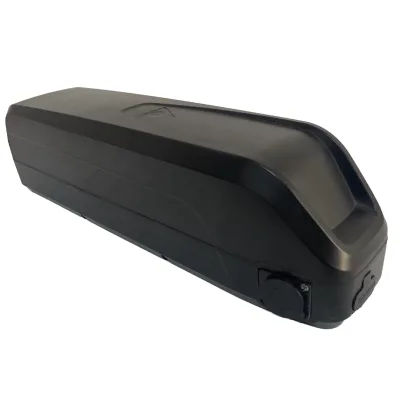
OEM Sheet Metal Carbon Steel Deep Drawing Waterproof E-Bike Battery Case
$1.99 - $4.39
MOQ: 100 Pieces


OEM Plastic Portable New Energy Battery Case Durable Electric Bike Cases
$0.99 - $3.99
MOQ: 100 Pieces
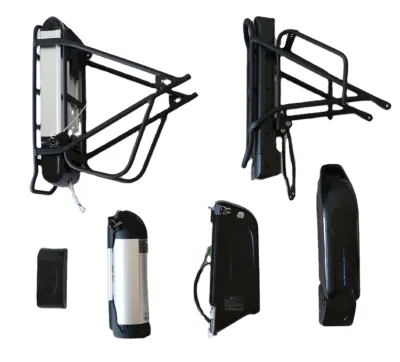
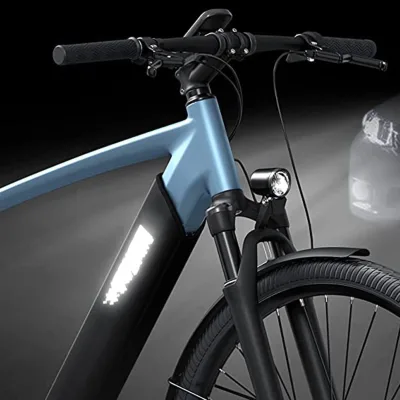
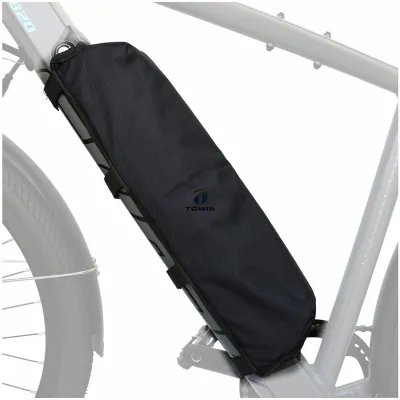
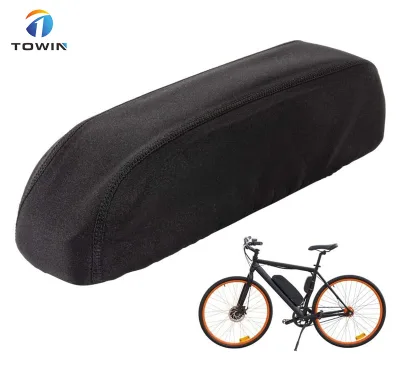
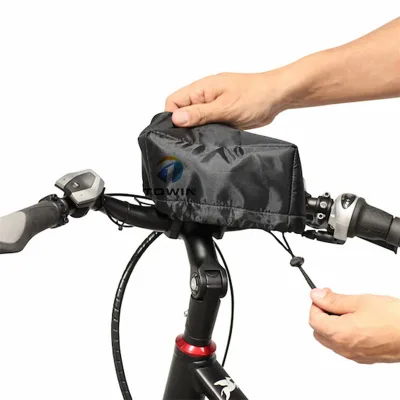
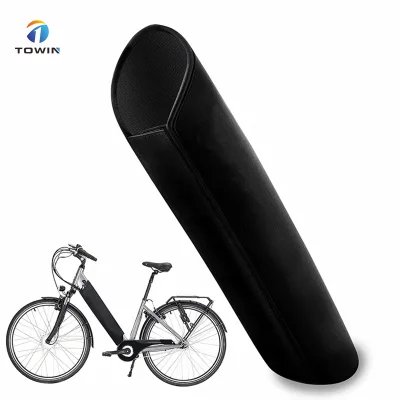
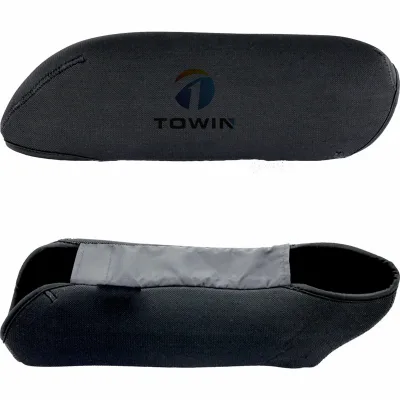

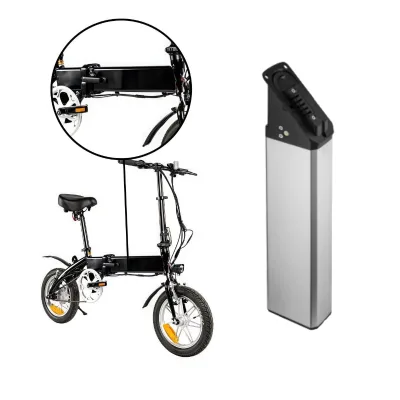
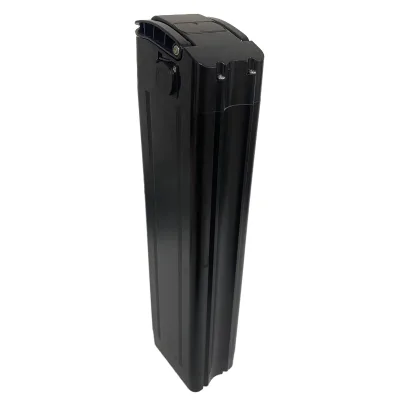


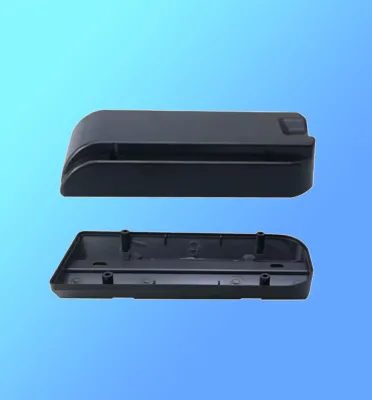
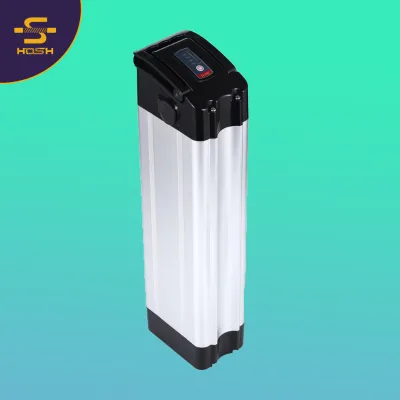

Comprehensive Sourcing Guide
Waterproof Aluminum E-Bike Battery Case Sourcing Guide
Sourcing a waterproof aluminum e-bike battery case requires a disciplined approach that balances material integrity, manufacturing precision, and regulatory compliance. The aluminum enclosure serves as the primary protective shell for high-capacity lithium-ion battery packs, shielding sensitive cells from environmental hazards such as moisture, dust, and physical impact. Buyers must recognize that "waterproof" is not a binary state but a graded performance metric, typically defined by Ingress Protection (IP) ratings. Consequently, the procurement strategy must focus on verifying the specific IP rating claimed by the supplier, ensuring that the aluminum alloy selected offers sufficient corrosion resistance while maintaining the structural rigidity needed to protect internal components during transit and operation.
The manufacturing landscape for these components is diverse, ranging from sheet metal fabrication to more complex machining processes. Suppliers may utilize techniques such as CNC stamping, extrusion, or general metal processing to achieve the desired form factor. It is critical for buyers to understand that the chosen manufacturing method directly influences the case's dimensional tolerance, surface finish, and overall cost structure. For instance, extruded aluminum profiles offer cost-effective solutions for standard shapes, whereas CNC-machined parts provide higher precision for complex geometries. Procurement teams must align their technical requirements with the supplier’s core competencies to avoid quality discrepancies and ensure that the final product meets the rigorous demands of electric vehicle applications.
Product Scope and Observed Listing Signals
Market listings for aluminum e-bike battery cases reveal a wide spectrum of product attributes, indicating a fragmented supply chain with varying levels of specialization. Observed data suggests that materials primarily include aluminum and stainless steel, with some listings also referencing plastic injection molded alternatives for internal components or non-structural parts. The presence of customization options is a dominant signal, with many suppliers advertising the ability to tailor dimensions, mounting points, and internal layouts to specific battery pack configurations. Buyers should interpret these signals as an opportunity for bespoke engineering but must exercise caution to ensure that customizations do not compromise the structural integrity or waterproof sealing of the enclosure.
Listing descriptions frequently highlight applications in metal coating, forging, and recycling machinery, which may seem unrelated to e-bike components at first glance. However, this indicates that many suppliers are generalist metal fabricators capable of producing battery cases as part of a broader portfolio of industrial metal parts. The observed price range is broad, reflecting differences in material thickness, surface treatment quality, and order volume. Additionally, minimum order quantities (MOQs) vary significantly, with some suppliers accepting low-volume orders for prototyping while others require larger batches for production runs. Buyers must carefully cross-reference these listing signals with their own volume requirements and technical specifications to identify suppliers who can deliver both quality and scalability.
Technical Specifications to Verify
Dimensional tolerance is a critical technical specification that directly impacts the fit and function of the battery case within the e-bike frame. Suppliers often cite tolerances such as +/-0.05mm or +/-0.10mm, but buyers must verify how these tolerances are measured and maintained throughout the production process. Tighter tolerances are essential for ensuring a snug fit with gaskets and seals, which are vital for achieving the desired waterproof rating. Procurement teams should request detailed engineering drawings and tolerance stack-up analyses to confirm that the supplier can consistently produce parts within the specified limits, particularly for complex features such as mounting holes and connector cutouts.
Surface treatment and material composition are equally important factors that influence the durability and aesthetic appeal of the battery case. Common surface treatments include powder coating and polishing, which provide corrosion resistance and a professional finish. Buyers should verify the type of aluminum alloy used, as different alloys offer varying levels of strength and machinability. Additionally, the quality of the surface treatment process must be assessed, as poor coating adhesion can lead to premature failure in harsh environmental conditions. It is advisable to request samples or case studies that demonstrate the long-term performance of the surface treatment under simulated real-world conditions.
Compliance and Safety Documentation
Certification status is a key indicator of a supplier’s commitment to quality management and regulatory compliance. Many suppliers hold ISO certifications, such as ISO9001:2008 or ISO9001:2015, which demonstrate a structured approach to quality control. However, buyers must look beyond general quality management certifications and focus on product-specific standards that relate to battery safety and environmental compliance. Standards such as RoHS and CE are often mentioned, indicating that the materials used are free from hazardous substances and meet European safety requirements. Buyers should request valid certification documents and verify their authenticity with the issuing bodies to ensure that the supplier’s claims are accurate.
In addition to certifications, buyers must ensure that the battery case design complies with relevant electrical safety standards. While the casing itself is a mechanical component, its design must facilitate safe electrical isolation and thermal management. Standards such as UL 2271 and UL 2849, which relate to electric vehicle battery systems, provide guidance on safety requirements that may indirectly influence the design of the enclosure. Buyers should consult with their engineering teams to determine which specific standards apply to their product and ensure that the supplier is aware of and capable of meeting these requirements. Failure to comply with these standards can result in significant legal and safety risks.
Cost Drivers and Commercial Terms
The cost of an aluminum e-bike battery case is influenced by several factors, including material costs, manufacturing complexity, and surface treatment requirements. Aluminum prices fluctuate based on global market conditions, and buyers should be aware that these fluctuations can impact the final price of the enclosure. Additionally, the complexity of the design, such as the number of CNC operations or the intricacy of the surface treatment, will affect the manufacturing cost. Buyers should request detailed cost breakdowns from suppliers to understand how each component contributes to the final price and identify areas where cost savings may be possible without compromising quality.
Commercial terms, including minimum order quantities (MOQs) and lead times, are also significant cost drivers. Suppliers may offer lower prices for larger order volumes, but buyers must balance this with their inventory management strategies and cash flow constraints. Lead times can vary depending on the supplier’s production capacity and the complexity of the order. Buyers should negotiate clear delivery schedules and penalty clauses for delays to mitigate the risk of production disruptions. Additionally, shipping costs and logistics arrangements should be considered, as the weight and dimensions of the aluminum cases can impact transportation expenses.
Supplier Qualification and Quality Control
Supplier qualification is a critical step in the sourcing process that ensures the selected partner has the capability and reliability to deliver high-quality products. Buyers should conduct a thorough assessment of the supplier’s manufacturing facilities, including their equipment, quality control processes, and workforce expertise. On-site audits or third-party inspections can provide valuable insights into the supplier’s operational capabilities and help identify potential risks. Buyers should also evaluate the supplier’s track record, including their experience in producing battery cases for e-bike applications and their ability to meet tight deadlines.
Quality control measures must be established to ensure that the battery cases meet the specified technical requirements. Buyers should implement incoming inspection protocols to verify the dimensions, surface finish, and material composition of the received parts. Statistical process control (SPC) methods can be used to monitor production consistency and identify trends that may indicate quality issues. Additionally, buyers should request regular quality reports from the supplier and conduct periodic audits to ensure that the supplier’s quality management system remains effective. Establishing a strong quality control framework is essential for maintaining product reliability and customer satisfaction.
Long-Term Procurement Checks
Long-term procurement success depends on continuous monitoring and evaluation of supplier performance. Buyers should establish key performance indicators (KPIs) to track metrics such as on-time delivery, defect rates, and responsiveness to issues. Regular performance reviews should be conducted to assess the supplier’s ability to meet these KPIs and identify areas for improvement. Buyers should also maintain open communication channels with the supplier to address any concerns promptly and foster a collaborative relationship. Continuous improvement initiatives, such as joint engineering reviews or cost reduction projects, can help drive value and innovation over time.
As technology and market conditions evolve, buyers must remain agile and adaptable in their sourcing strategies. This may involve exploring new suppliers, negotiating better terms, or investing in new technologies to improve product quality and efficiency. Buyers should also stay informed about changes in regulatory requirements and industry standards to ensure that their products remain compliant and competitive. By maintaining a proactive approach to supplier management and quality control, buyers can mitigate risks and secure a reliable supply of high-quality aluminum e-bike battery cases for their operations.
FAQs
What materials are used for the e-bike battery case?
The product is available in aluminum and stainless steel materials. Some listings also specify plastic injection molding for parts. Buyers can select the material based on specific durability and weight requirements for their application.
Can the battery case be customized to specific requirements?
Yes, customization is available for the product. Buyers can request specific tolerances such as plus or minus 0.05mm or plus or minus 0.10mm. The manufacturer also offers custom standards and packaging options to meet unique project needs.
What is the lead time for quick delivery?
The quick delivery time is listed as 7 days for certain items. This rapid turnaround applies to specific orders and may depend on the selected customization level. Buyers should confirm the exact timeline with the supplier before placing an order.
Which certifications do the products hold?
Products hold certifications including ISO, RoHS, and SGS. Some listings reference ISO9001:2008 or ISO9001:2015 standards. Additional standards like ANSI, GB, GOST, ASTM, and DIN are also observed in the product specifications.
What is the minimum order quantity for these cases?
The minimum order quantity ranges from 1 to 1000 units depending on the supplier. Specific listings indicate an MOQ of 10 to 100 pieces for certain items. Buyers should verify the exact MOQ with the vendor to ensure it fits their procurement plan.
How are the battery cases packed for shipping?
Packaging options include polybags with cartons, wooden cases, or plywood boxes. Inner packages may consist of carton boxes or plastic bags. The specific packing method depends on the product model and the supplier's standard shipping practices.
Where are the products manufactured and shipped from?
Products originate from China, specifically Weifang City in Shandong Province. Shipping ports include Qingdao, Ningbo, and Shanghai. The goods can be transported via sea or air to reach global export markets.