Source Automatic Vertical Inkjet Cutting Plotter for Clothing, Bags, Interiors
Compare 30 Automatic Vertical Inkjet Cutting Plotter models from verified Chinese manufacturers. These electric, computerized machines support single or dual-feed operations for cutting paper, news CAD paper, and fabric in clothing, bags, and interior applications; compare the available evidence and request quotations based on your requirements.
Key considerations
Products List


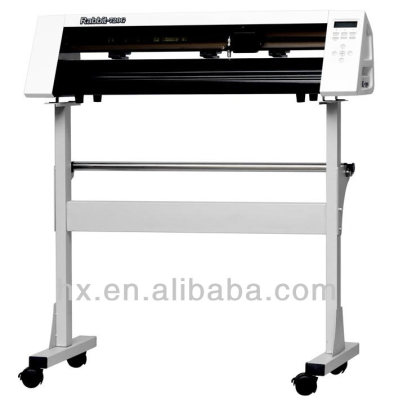
$102.13 - $306.38
MOQ: 1 Minimum


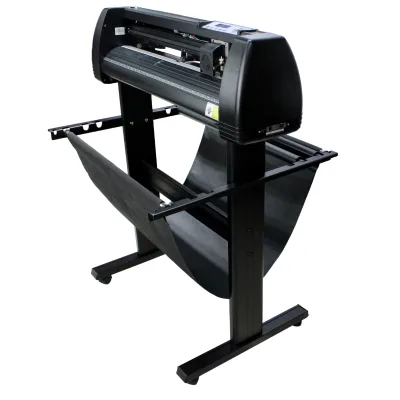


Tecjet Cutting Plotter Sticker Printer and Cutter Vinyl Plotter Cutter
$5800.00 - $10000.00
MOQ: 1 Pieces
Comprehensive Sourcing Guide
Automatic Vertical Inkjet Cutting Plotter Sourcing Guide
Procurement professionals must first distinguish between continuous inkjet printing systems and automated cutting mechanisms when evaluating vertical plotter listings. The observed market data reveals a mix of products, including continuous inkjet printers designed for food and daily industrial applications alongside specialized single-blade cutters for sample cutting in clothing and interiors. Buyers should verify whether a listed unit integrates both printing and cutting functions or if they are sourcing separate components for a complete workflow.
Understanding the specific classification of the machinery is critical for aligning procurement with production needs. Listings indicate distinct categories such as automatic electric-driven cutters and computerized single-blade systems, each serving different operational requirements. A buyer must confirm if the machine is intended for high-speed sample cutting in textiles or for direct printing on news CAD paper, as the underlying technology and consumable requirements differ significantly between these distinct industrial applications.
Product Scope and Observed Listing Signals
The current market inventory displays a wide variance in operational capabilities, ranging from basic single-color printing presses to advanced dual-spray and four-spray inkjet systems. Buyers will encounter models with specific print speeds measured in square meters per hour, such as 150 Sq.M/H or 190 Sq.M/H, alongside machines with maximum feed widths extending up to 190cm. It is essential to cross-reference these performance metrics against actual production volume requirements to avoid purchasing underpowered equipment that cannot meet throughput targets.
Listing signals also highlight significant differences in physical dimensions and material handling capacities across various product models. Some units feature a maximum feed width of 170cm with a machine width of 228cm, while others are designed for narrower 125cm feeds with a 183cm footprint. Procurement teams must carefully review the stated buffer capacity and voltage specifications, such as 220V+-10% 50Hz, to ensure compatibility with existing factory infrastructure and power supply systems before finalizing any purchase order.
Technical Specifications to Verify
Technical due diligence requires a rigorous verification of nozzle types and paper supply mechanisms to ensure compatibility with intended materials. The observed data points to specific nozzle configurations like the HP45A Type and varying feed systems including dual-feed and paper supply options for news CAD paper. Buyers must confirm that the selected machine's nozzle architecture supports the specific ink viscosity and print resolution required for their application, whether it involves detailed sample cutting or broad industrial marking.
Verification of mechanical specifications is equally vital, particularly regarding blade materials and maximum cutting speeds for vertical operations. Listings indicate the use of steel blades in single-blade cutter classifications with maximum cut speeds reaching 1200mm/Sec, which directly impacts production efficiency. Procurement specialists should validate that the driven type, typically electric, and the automatic grade align with the desired level of automation, ensuring the machine can handle the specified domain of clothing, bags, and interior sample cutting without manual intervention.
Compliance and Safety Documentation
Safety and regulatory compliance are paramount when sourcing industrial machinery, with specific standards often cited in product documentation. The observed listings reference CE certification for certain models, indicating adherence to European safety directives, which is a critical benchmark for international buyers. Procurement teams must request valid certification documents to verify that the machine meets local safety regulations and that the electrical components, such as the 0.8kw capacity units, are rated for safe operation in the intended environment.
Beyond general safety standards, buyers must ensure that the product origin and manufacturing location align with their supply chain risk management policies. Data indicates origins from regions such as Zhejiang, Hefei, and Mengcheng in China, which may influence logistics, import duties, and quality control expectations. It is necessary to confirm that the supplier provides comprehensive safety manuals and that the machine's design, including its packing in export-standard cartons or wooden cases, protects the equipment during transit and installation.
Cost Drivers and Commercial Terms
Cost structures for these machines are heavily influenced by the complexity of the printing and cutting technology, such as the number of spray nozzles and the maximum feed width capabilities. Models featuring four-spray systems with higher print speeds and wider feed capacities generally command higher price points compared to single-color or dual-spray alternatives. Buyers should analyze the total cost of ownership, including the cost of consumables like ink and the specific blade materials, rather than focusing solely on the initial purchase price.
Commercial terms and packaging requirements also play a significant role in the final landed cost and delivery timeline. The observed data shows varied packing methods, ranging from standard cartons to two-layer export standard cartons and heavy-duty wooden cases, which directly impact shipping expenses and insurance costs. Procurement professionals must negotiate clear terms regarding the minimum order quantity, which ranges from 1 to 10 units, and clarify who bears the responsibility for customs clearance and final delivery to the factory floor.
Supplier Qualization and Quality Control
Supplier qualification should focus on the manufacturer's ability to provide consistent customization and computerized control features as observed in the product listings. Many models are described as computerized and available for customization, suggesting that the supplier must have the engineering capacity to adapt machines to specific client needs. Buyers should verify the supplier's track record in delivering automatic grade machines and their ability to maintain the precision required for high-speed cutting and printing operations.
Quality control protocols must be established to ensure that the delivered units match the specified technical parameters and performance claims. Given the variance in models like the SS-1200TPQ series or the JS6 series, it is essential to define acceptance criteria for print speed, feed width, and machine width before shipment. Procurement teams should insist on pre-shipment inspections that validate the blade material, voltage capacity, and the integrity of the packing to prevent damage during transit and ensure immediate operational readiness.
Long-Term Procurement Checks
Long-term procurement success depends on the availability of spare parts and the durability of critical components like steel blades and inkjet nozzles. Buyers must assess the supplier's support infrastructure to ensure that replacement parts for the specific model, such as the AC-721 or AB1350, are readily available to minimize downtime. Establishing a reliable supply chain for consumables and maintenance components is essential for maintaining the high-speed performance and precision required in continuous industrial operations.
Finally, buyers should implement a strategy for monitoring performance degradation and technological obsolescence over the lifecycle of the equipment. As the market evolves, the ability to upgrade software or adapt to new printing standards will be crucial for maintaining competitiveness. Procurement teams should negotiate service level agreements that include training, technical support, and potential future upgrades, ensuring that the investment in automatic vertical inkjet cutting plotters remains viable and efficient for years to come.
FAQs
What is the maximum cut print speed for this Automatic Vertical Inkjet Cutting Plotter?
The maximum cut print speed reaches 1200mm per second. This high-speed performance ensures efficient processing for large-scale production runs. The machine utilizes a single-blade cutter design to maintain precision while operating at these rapid rates. It is suitable for applications in clothing, bags, and interiors where quick turnaround times are essential for operational efficiency.
Which specifications define the printing width and feed capacity of the plotter?
The plotter offers various printing widths, including 120cm, 165cm, and 185cm models. Max feed widths range from 125cm to 190cm depending on the specific configuration. These dimensions allow for versatile handling of different material sizes. The system supports dual or triple spray printing speeds, accommodating diverse industrial requirements for consistent output quality across various material types.
Can the Automatic Vertical Inkjet Cutting Plotter be customized for specific industrial needs?
Yes, customization is available for this Automatic Vertical Inkjet Cutting Plotter. Buyers can tailor the machine to meet specific production requirements. The system is computerized and driven by electric power, ensuring precise control. It supports automatic grading and operates on standard 220V voltage. This flexibility allows manufacturers to adapt the equipment for unique workflows in daily industrial or food packaging sectors.
What certifications and standards does the Automatic Vertical Inkjet Cutting Plotter meet?
The Automatic Vertical Inkjet Cutting Plotter meets CE standards for safety and compliance. This certification ensures the machine adheres to recognized European safety regulations. The equipment is manufactured in China, with origins in Zhejiang and Anhui provinces. These standards provide buyers with confidence in the product's reliability and operational safety, making it suitable for international trade and deployment in regulated industrial environments.
How is the Automatic Vertical Inkjet Cutting Plotter packaged for shipping?
The plotter is packaged in export-standard cartons or wooden cases for secure transport. Some models use two-layer export standard cartons to protect internal components. This robust packaging ensures the machine arrives in optimal condition. The carton packing method is designed to withstand logistics handling. Buyers receive the equipment ready for installation, with all necessary parts securely contained to prevent damage during transit.
What is the buffer capacity and voltage requirement for the plotter operation?
The plotter features a buffer capacity of 8200kb for efficient data handling. It operates on a voltage of 220V plus or minus 10% at 50Hz. The power consumption is rated at 0.8kw. These specifications ensure stable performance during continuous operation. The system is designed to integrate seamlessly with standard industrial power supplies, providing reliable functionality for automated cutting and printing tasks in various manufacturing settings.