Source Waterproof Anti-Slip Garden Rain Boots for Farming, Gardening, and Construction
Compare 30 listings of waterproof anti-slip garden rain boots featuring steel toe, slip-resistant, and anti-static options. Buyers can review materials like rubber and PU, sizes, and customization availability from Hebei, China suppliers.
Key considerations
Products List


Ankle Bootie Rainboots Safety Rain Shoes Waterproof Anti-Slip Water Boots
$1.40 - $1.60
MOQ: 1000 Pairs


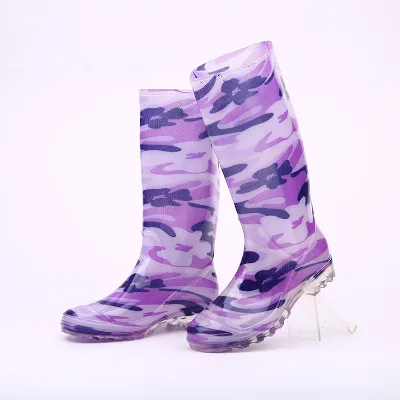

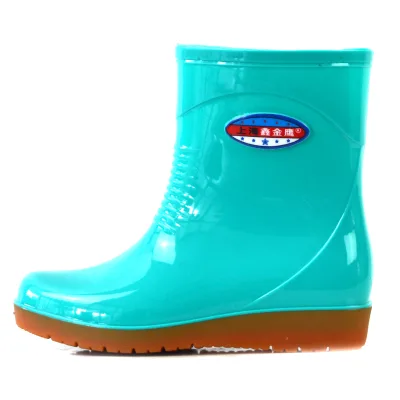


Quality Assurance Rubber Working Boots Outdoor Waterproof Rain Boot Shoes
$3.50 - $4.50
MOQ: 1000 Pairs
Comprehensive Sourcing Guide
Strategic Sourcing Guide for Waterproof Anti-Slip Garden Rain Boots
Understanding Technical Specifications and Material Composition
When sourcing waterproof anti-slip garden rain boots, the primary objective is to identify products that offer reliable protection against moisture while ensuring safety on wet or uneven surfaces. The market presents a diverse array of specifications, and buyers must carefully distinguish between general rain footwear and specialized industrial-grade safety boots. Based on available product data, the upper materials for these boots typically consist of rubber or polyurethane (PU). Rubber variants are often highlighted for their durability and inherent waterproof capabilities, while PU options may offer a different balance of flexibility and weight. The lining material frequently utilizes a mesh construction, which can aid in breathability, though this is a secondary feature compared to the primary waterproof requirement.
The insoles are commonly manufactured from polyvinyl chloride (PVC), a material chosen for its resistance to water absorption and ease of cleaning. A critical technical differentiator is the presence of a steel toe cap. While many listings describe the product as a "rain boot" or "rain shoe," specific models feature a steel toe, transforming the item from simple garden footwear into a safety-compliant boot. The outsole material is predominantly PVC, selected for its slip-resistant properties. The feature sets observed in the market include combinations of steel toe, slip-resistance, waterproofing, and anti-static properties. Some advanced models also list puncture resistance and insulation, which are valuable for gardeners working in cold or debris-heavy environments.
Color options are extensive, ranging from standard black and white to high-visibility colors like orange, yellow, green, and blue. This variety allows buyers to select footwear that meets specific visibility requirements for safety on construction sites or aesthetic preferences for garden use. The heel shape is consistently described as flat, with a low heel height typically ranging between 1 and 3 cm, which provides stability and reduces fatigue during long periods of standing or walking. The seasonal suitability is noted as "Four Seasons," indicating that these boots are designed for year-round use rather than being limited to wet weather conditions.
Compliance, Certification, and Safety Standards Verification
Navigating the compliance landscape for waterproof anti-slip garden rain boots requires a nuanced approach, as the term "garden rain boot" can encompass both casual footwear and industrial safety equipment. Buyers must verify whether the specific product they are sourcing meets the rigorous standards required for their intended application. While some background information references ISO 20345:2011, a standard for safety footwear, and CE certification, these should not be assumed to apply to every listing without explicit verification from the supplier. The presence of a steel toe and anti-static features suggests that the product may be intended to meet industrial safety standards, but the absence of a specific standard code in the product attributes means the buyer must request documentation.
The distinction between "Acid and Alkali Resistant" and "Not Acid and Alkali Resistant" is a critical compliance factor. For gardeners or workers in chemical environments, the chemical resistance of the rubber or PVC material is paramount. A product listed as not acid and alkali resistant may degrade quickly if exposed to fertilizers, cleaning agents, or acidic soils. Therefore, buyers must explicitly confirm the chemical resistance profile of the rubber or PU upper material. Similarly, the anti-static feature is a specific electrical safety attribute that must be validated through testing reports if the boots are to be used in environments where static electricity poses a risk.
Certification status is another area requiring diligence. While CE is a common mark for products entering the European market, and ISO 20345 is a global benchmark for safety footwear, the provided data does not confirm that every listed model holds these certifications. Buyers should treat the mention of these standards as a reference point for what to ask for, rather than a guarantee of compliance. The verification process should include requesting valid test reports from accredited laboratories that confirm the slip-resistance rating, the impact resistance of the steel toe, and the electrical insulation properties. Without these documents, the product remains a general-purpose rain boot rather than a certified safety device.
Cost Drivers and Pricing Dynamics in the Market
The pricing for waterproof anti-slip garden rain boots is influenced by a complex interplay of material costs, manufacturing complexity, and order volume. The observed price range in the market spans from $1.40 to $55.00 USD, a significant variance that reflects differences in quality, feature sets, and brand positioning. The lower end of this spectrum likely corresponds to basic PVC or rubber boots with minimal features, such as a simple waterproof upper and a basic sole. These products may lack specialized features like steel toes, anti-static properties, or high-visibility colors.
Conversely, the higher price points are driven by the inclusion of advanced safety features. Boots equipped with steel toes, puncture-resistant soles, and anti-static capabilities command a premium due to the additional materials and manufacturing processes required. The cost of the upper material also plays a role; while both rubber and PU are used, the quality and thickness of the rubber can vary significantly, affecting durability and price. Furthermore, the complexity of the design, such as the integration of mesh linings or specialized insoles, adds to the manufacturing cost.
Order volume is another critical cost driver. The Minimum Order Quantity (MOQ) varies widely, ranging from as low as 1 pair to 1,000 pairs. Suppliers offering low MOQs, such as 1 or 200 pairs, may charge a higher unit price to cover setup and handling costs. In contrast, bulk orders of 500 or 1,000 pairs often benefit from economies of scale, resulting in a lower per-unit cost. The payment terms also influence the financial dynamics of the transaction. Some suppliers require 100% payment before shipping, which can impact cash flow for buyers, while others may offer more flexible terms involving bank transfers or Western Union.
Typical Applications and Usage Scenarios
The versatility of waterproof anti-slip garden rain boots makes them suitable for a wide range of applications beyond simple gardening. The primary use case is, of course, outdoor gardening, where the boots protect against mud, water, and uneven terrain. The slip-resistant and waterproof features are essential for maintaining traction on wet grass, muddy paths, and slippery garden tools. The four-season suitability ensures that these boots can be used in winter conditions, providing warmth and protection against snow and ice, as well as in summer for wet weather work.
However, the presence of safety features like steel toes and anti-static properties expands the application to industrial and construction environments. Workers in these sectors require footwear that protects against falling objects, punctures, and electrical hazards. The steel toe cap provides impact protection, while the anti-static feature prevents the buildup of static electricity, which is crucial in environments with flammable materials or sensitive electronic equipment. The puncture-resistant sole is particularly valuable for construction sites where nails, glass, or sharp debris may be present on the ground.
The high-visibility colors, such as orange, yellow, and green, are specifically designed for safety in low-light conditions or high-traffic areas. These colors ensure that workers are easily seen by machinery operators and other personnel, reducing the risk of accidents. The flat heel and low heel height contribute to stability, making these boots suitable for tasks that require prolonged standing or walking on uneven surfaces. Whether used in a residential garden, a commercial landscaping project, or an industrial facility, the key is to match the specific features of the boot to the hazards present in the work environment.
Supplier Evaluation and Production Capabilities
Evaluating suppliers for waterproof anti-slip garden rain boots requires a focus on production capabilities, location, and reliability. The majority of the observed products originate from Hebei, China, a region known for its manufacturing infrastructure in the footwear industry. Buyers should verify the specific production facility and its capacity to handle their order volume. The lead time for delivery is typically around 15 days, which is a standard timeframe for manufacturing and shipping. However, this can vary based on the complexity of the order and the current production schedule of the supplier.
Packing methods are another indicator of supplier professionalism. Some suppliers use carton packing, which is suitable for bulk shipping and protects the boots during transit. Others may use individual polybag packaging, which is more common for retail-ready products. The standard packing configuration, such as 20 pairs per carton or 15 pairs per carton, should be clearly defined to ensure efficient logistics and inventory management. The ability to customize the product is a significant advantage, as it allows buyers to tailor the boots to their specific branding or functional requirements. Customization options may include color variations, logo placement, or specific feature additions.
Payment terms are a critical factor in supplier evaluation. While some suppliers require 100% payment before shipping, others may offer more flexible terms. Buyers should assess their own cash flow and risk tolerance when selecting a supplier. The use of secure payment methods like bank transfers or Western Union is standard, but buyers should ensure that the transaction is protected through escrow services or trade assurance programs where available. Additionally, the supplier's ability to provide detailed product specifications and compliance documentation is essential for maintaining quality and meeting regulatory requirements.
Quality Control and Long-Term Procurement Considerations
Implementing a robust quality control (QC) strategy is essential for ensuring the long-term success of sourcing waterproof anti-slip garden rain boots. Buyers should establish clear acceptance criteria based on the technical specifications, such as the integrity of the waterproof seal, the durability of the slip-resistant sole, and the strength of the steel toe cap. Regular inspections during the production process and before shipment can help identify and rectify defects early, reducing the risk of receiving substandard products.
Long-term procurement considerations involve building a sustainable relationship with suppliers who can consistently deliver high-quality products. This includes evaluating the supplier's ability to scale production, maintain consistent quality, and adapt to changing market demands. Buyers should also consider the environmental impact of the materials used, such as the recyclability of PVC and rubber, and the energy efficiency of the manufacturing process. The availability of replacement parts or accessories, such as insoles or replacement soles, can also extend the lifecycle of the boots and reduce waste.
Finally, buyers should maintain a comprehensive record of all product attributes, including color, size, and feature sets, to ensure consistency across orders. The size range of 36-38 US, along with other specific size listings, should be verified to ensure that the boots fit the intended user base. By focusing on these quality control and long-term factors, buyers can secure a reliable supply of waterproof anti-slip garden rain boots that meet their operational needs and safety standards.
Comparative Analysis of Product Features
To facilitate informed decision-making, the following table summarizes the key feature variations observed in the market. This comparison highlights the differences in materials, safety features, and packaging that buyers should consider when selecting a product.
| Feature Category | Option A (Basic) | Option B (Industrial) | Option C (High-Visibility) |
|---|---|---|---|
| Upper Material | Rubber | PU | Rubber |
| Lining Material | Mesh | Mesh | Mesh |
| Insole Material | PVC | PVC | PVC |
| Safety Features | Waterproof, Slip-Resistant | Steel Toe, Anti-Static, Puncture-Resistant | Steel Toe, Slip-Resistant, Anti-Static |
| Chemical Resistance | Not Acid/Alkali Resistant | Acid and Alkali Resistant | Not Acid/Alkali Resistant |
| Color Options | Black, White | Black, White, Yellow | Orange, Yellow, Green |
| Heel Height | Low (1-3cm) | Low (1-3cm) | Low (1-3cm) |
| Packaging | One Pair One Polybag | Carton Packing | Carton Packing |
| MOQ | 1 Pair | 1000 Pairs | 500 Pairs |
This table illustrates that while basic models focus on essential waterproofing, industrial models offer enhanced safety features and chemical resistance. High-visibility options prioritize color and specific safety attributes. Buyers must align their selection with the specific hazards and requirements of their work environment to ensure optimal performance and safety.
FAQs
What materials are used for the upper of these boots?
The upper material is typically made of rubber or polyurethane (PU). Rubber offers durability while PU provides flexibility, and both materials support the waterproof requirement for garden and industrial use.
Which safety features are commonly included in these boots?
Common safety features include steel toe caps, slip-resistant soles, and waterproofing. Some models also offer anti-static properties, puncture resistance, and insulation for enhanced protection in various environments.
Can I find boots with acid and alkali resistance?
Yes, some models are acid and alkali resistant, while others are not. Buyers must verify the specific chemical resistance of the rubber or PVC material before purchasing for environments with fertilizers or cleaning agents.
What is the typical lead time for delivery?
The typical delivery time is around 15 days. This timeframe applies to standard manufacturing and shipping processes, though it may vary based on order complexity and current production schedules.
How does the minimum order quantity vary?
The minimum order quantity ranges from 1 pair to 1000 pairs depending on the supplier. Lower MOQs often come with higher unit prices, while bulk orders benefit from economies of scale.
What color options are available for these boots?
Boots are available in black, white, red, orange, yellow, green, and blue. High-visibility colors like orange and yellow are often used for safety in low-light or high-traffic industrial areas.
Are these boots suitable for all seasons?
Yes, the boots are suitable for four seasons. They are designed for year-round use, providing protection against mud, water, snow, and ice in both residential and industrial settings.