Source Waterproof Anti-Slip Dog Shoes for Walking, Hunting, and Training
Find 30 listings for Waterproof Anti-Slip Dog Shoes designed for outdoor activities. Compare neoprene and mesh options with coldproof features. Evaluate sizes from XS to XL and customization services for bulk orders; compare the available evidence and request quotations based on your requirements.
Key considerations
Products List


4PCS/Set Durable Waterproof Pet Shoes & Socks Non-Slip Winter Dog Shoes Pet Boots
$4.71 - $5.57
MOQ: 100 piece


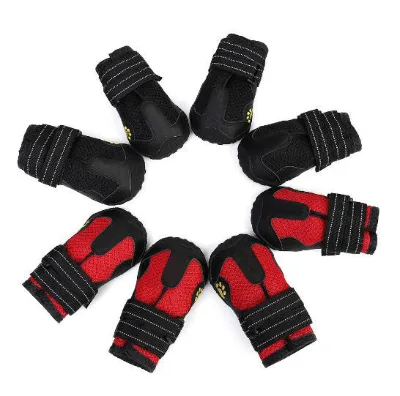

Breathable Wearproof Durable Anti-Slip Paw Protector Reflective Straps Dog Shoes
$9.79 - $9.99
MOQ: 100 Pieces


Outdoor Multi-Functional Non-Slip Durable Fabric Paw Protection Boots Dog Shoes
$6.69 - $6.89
MOQ: 100 Pieces


2024 New Dog Manufacturers Waterproof Anti-Slip Wear-Resistant Pet Shoes
$2.63 - $2.86
MOQ: 350 Pieces

Factory Direct Anti-Slip Fall and Winter Wear-Resistant New Pet Dog Shoes
$5.82 - $6.32
MOQ: 150 Pieces


New Cross-Border DIP Rubber Pet Foot Cover Non-Slip Waterproof Dog Shoes
$2.43 - $2.63
MOQ: 400 Pieces

Popular Four-Season Version Waterproof Non-Slip Wear-Resistant Breathable Puppy Shoes
$3.74 - $4.06
MOQ: 250 Pieces
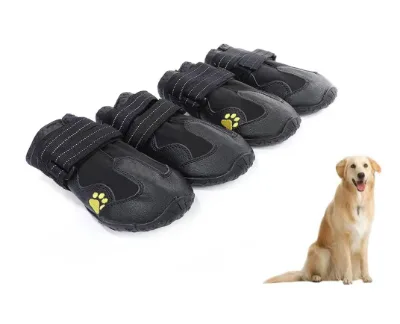

Comprehensive Sourcing Guide
Waterproof Anti-Slip Dog Shoes Sourcing Guide
Procuring waterproof anti-slip dog shoes requires careful attention to material composition and functional design to ensure durability during outdoor activities. The observed market data indicates that neoprene is a primary material used for these products, offering essential coldproof and waterproof properties suitable for spring, autumn, and winter seasons. Buyers must verify that the selected footwear maintains structural integrity while providing the necessary grip for dogs engaged in walking, hunting, or training.
Commercial listings reveal a diverse range of customization options, including OEM/ODM services and logo printing, which are critical for private label strategies. However, the supply chain also presents non-customized options with fixed color palettes such as black, red, blue, and green. Sourcing agents should prioritize suppliers who can clearly distinguish between these production modes to align inventory with specific brand requirements and avoid confusion regarding product specifications.
Product Scope and Observed Listing Signals
The product scope encompasses various models designed for different pet sizes, with observed specifications ranging from XS to XL to accommodate diverse breeds. Listings indicate that these shoes are specifically engineered for dogs, featuring round shapes and specific dimensions like 5.56.512cm or 6.5714.5cm. Buyers should scrutinize the size charts provided by suppliers to ensure the selected models match the intended target market, as the functional design varies significantly between standard and customized configurations.
Market signals show that packaging methods vary widely, including PVC bags, mesh bags, and carton boxes, which directly impacts logistics costs and product presentation. Some suppliers offer samples, allowing buyers to physically assess the anti-slip quality and waterproofing before committing to larger orders. It is essential to confirm whether the packaging aligns with retail requirements, as the choice between a simple mesh bag and a branded carton box can influence the perceived value of the final product.
Technical Specifications to Verify
Technical verification must begin with the material composition, specifically confirming the use of neoprene for its flexibility and weather resistance. Buyers should demand detailed specifications regarding the shoe's weight, which has been observed ranging from 72g to 130g depending on the model and size. Ensuring that the weight distribution is appropriate for the dog's activity level is crucial, as heavier shoes may impede movement while lighter ones might lack sufficient protection against harsh elements.
Dimensional accuracy and fit are equally critical, as the observed size standards include specific measurements that must be strictly adhered to. Suppliers often list multiple models with distinct codes, such as DBS-4612 or CC-0424-71, each potentially having unique sizing standards. Procurement teams should request physical samples to validate that the internal dimensions match the external specifications, ensuring that the shoes provide a secure fit without causing discomfort or slipping off during active use.
Compliance and Safety Documentation
While specific certification documents are not explicitly detailed in the provided listing data, buyers must verify that all materials meet international safety standards for pet products. The absence of explicit certification claims in the source text necessitates a proactive approach where suppliers are required to provide test reports for toxicity and material safety. This is particularly important for products intended for winter use, where chemical treatments for waterproofing must not pose health risks to the animal.
Documentation should also cover the manufacturing origin, with observed data pointing to production hubs in Zhejiang and Yiwu, China. Buyers should ensure that the supplier can provide traceability for the raw materials used, especially since the products are designed for outdoor activities like hunting and training. Verifying that the production process adheres to relevant environmental and safety regulations helps mitigate liability risks and ensures the product is safe for prolonged contact with pets.
Cost Drivers and Commercial Terms
Cost structures are heavily influenced by the level of customization, with options ranging from standard non-customized items to fully branded OEM solutions. The observed minimum order quantities (MOQ) vary significantly, with some listings requiring as few as 100 pieces while others mandate 500 pieces. Buyers must balance the unit price against the MOQ to optimize inventory turnover, as higher customization levels often come with increased production costs and stricter volume requirements.
Payment terms and delivery timelines are key commercial factors that affect cash flow and supply chain reliability. The data indicates a delivery window of 30 to 60 days, which requires careful planning to avoid stockouts during peak seasons. Additionally, payment methods such as T/T are standard, and buyers should negotiate terms that protect their interests while ensuring the supplier has the necessary capital to maintain production schedules and meet the agreed-upon lead times.
Supplier Qualification and Quality Control
Supplier qualification should focus on their ability to manage complex customization requests while maintaining consistent quality across large batches. The availability of samples is a strong indicator of a supplier's confidence in their product, allowing buyers to conduct rigorous testing on waterproofing and anti-slip performance before finalizing orders. It is advisable to engage with suppliers who have a proven track record in producing pet accessories, as this experience often translates to better quality control processes.
Quality control protocols must be established to verify that the final products match the agreed-upon specifications regarding color, size, and material. Since the market offers a mix of black, red, blue, and green options, visual inspections are necessary to ensure color consistency and the absence of defects. Implementing a pre-shipment inspection process helps identify any deviations early, ensuring that the delivered goods meet the functional requirements for coldproof and waterproof performance.
Long-Term Procurement Checks
Establishing a long-term partnership requires regular performance reviews to ensure that the supplier continues to meet quality and delivery standards over time. Buyers should monitor the consistency of product attributes, such as the weight and dimensions, to prevent drift in specifications that could affect customer satisfaction. Regular audits of the production process can help identify potential issues before they escalate, ensuring a stable supply of high-quality dog shoes.
Market dynamics and seasonal demands should also be factored into long-term planning, as the products are designed for specific seasons like winter and spring. Buyers need to maintain open communication with suppliers to anticipate changes in material costs or production capacity that could impact availability. By fostering a collaborative relationship, procurement teams can secure priority production slots and ensure a reliable supply chain that adapts to fluctuating market needs.
FAQs
What materials are used for Waterproof Anti-Slip Dog Shoes?
These shoes are typically constructed from neoprene to provide flexibility and durability. The material ensures the footwear remains waterproof and coldproof, making it suitable for various weather conditions. This composition supports the functional requirements for outdoor activities and training while maintaining comfort for the pet.
Can I customize the logo on these dog shoes?
Yes, customized logo services are available for bulk orders. Buyers can request specific branding to enhance product identity. This customization option allows businesses to tailor the appearance of the shoes, ensuring they meet specific marketing or corporate requirements while maintaining the standard functional attributes of the product.
What is the minimum order quantity for these products?
The minimum order quantity varies by supplier but is often set at 500 pieces. Some vendors may accept lower MOQs, such as 100 pieces, depending on the specific product model. Buyers should verify the exact MOQ with the supplier to ensure it aligns with their procurement volume and budget constraints.
How are the dog shoes packaged for shipment?
Packaging options include PVC bags, mesh bags, and OPP bags. Each set typically contains four pieces, standardized as one set per bag. This packaging method protects the shoes during transit and ensures they are organized efficiently for inventory management and retail display upon arrival at the destination warehouse.
What sizes are available for these waterproof dog shoes?
Sizes generally range from XS to XL to accommodate different dog breeds. Specific dimensions may include 5.5*6.5*12cm or 6.5*7*14.5cm depending on the model. Buyers should consult the size chart provided by the manufacturer to select the appropriate fit for their pets, ensuring comfort and secure wear.
What is the typical lead time for production?
The delivery time usually ranges from 30 to 60 days after order confirmation. This timeframe accounts for manufacturing, quality control, and packaging processes. Buyers should plan their inventory accordingly to avoid stockouts, especially during peak seasons, and confirm the exact lead time with the supplier before finalizing the purchase agreement.