Source Waterproof Anti-Slip Jaw Exerciser for Home Gym Park
Compare 30 listings of waterproof anti-slip jaw exerciser options suitable for home, gymnasium, and park use. Buyers can evaluate features like customization, material, and pricing to find the right jaw muscle training tool.
Key considerations
Products List


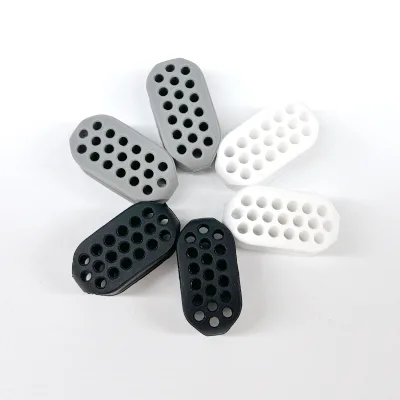

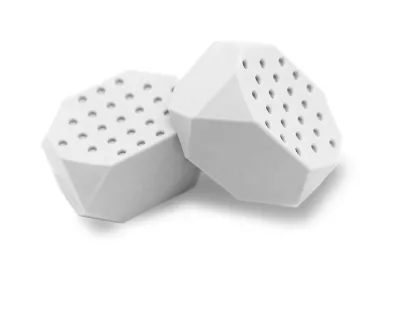
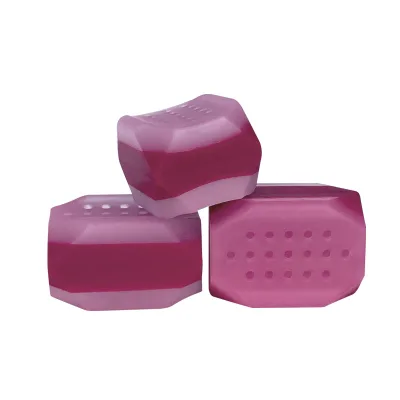
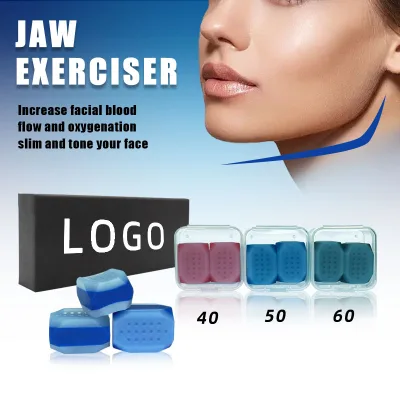


Stability Weather Resistance Outdoor Gym User-Friendly Exercise Fitness Equipment
$2400.00 - $2500.00
MOQ: 1 Pieces


Weather Resistance Park Gym Exercise Garden Sports Outdoor Fitness Equipment
$3700.00 - $3800.00
MOQ: 1 Pieces



Comprehensive Sourcing Guide
Strategic Sourcing Guide for Waterproof Anti-Slip Jaw Exercisers
The global market for personal fitness equipment has expanded significantly to include specialized devices targeting facial muscle training. Among these, the waterproof anti-slip jaw exerciser has emerged as a critical product category for both commercial gyms and individual consumers. Sourcing this specific item requires a disciplined approach that balances material science, functional design, and supply chain reliability. Buyers must navigate a landscape where product attributes such as "Anti-slip," "Durable," "Washable," and "Waterproof" are frequently cited, yet the actual implementation varies by manufacturer. This guide provides a comprehensive framework for evaluating suppliers and products based on verified attributes and industry standards, ensuring that procurement decisions are grounded in factual evidence rather than marketing assertions.
Technical Specifications and Material Integrity
The core functionality of a jaw exerciser relies heavily on its material composition and physical dimensions. In the current market, silicone is the dominant material, specifically noted as "Food Grade Silicone" in high-quality listings. This material choice is non-negotiable for products claiming to be safe for direct oral contact. The observed product data indicates that the hardness of these devices is generally categorized as "Soft," which is essential for user comfort during repetitive jaw muscle training. However, the term "Soft" must be verified against specific hardness scales to ensure the device provides adequate resistance for effective exercise without causing injury.
Waterproof capabilities are a primary technical requirement for this category. The attribute "Waterproof" suggests that the product can withstand exposure to moisture, which is critical for hygiene in shared environments like gyms, parks, and community centers. This feature is often paired with "Anti-slip" properties, ensuring that the device remains secure in the hand or mouth even when wet. The physical dimensions of the product also play a role in usability. Observed specifications show sizes ranging from compact units measuring 31.61.5 cm to larger trainer boxes measuring 1482 cm. Buyers must align these dimensions with the intended user demographic, whether for a single item or a bulk order for a facility. The "Folded" or "Unfolded" state of the product is another specification to consider, particularly for storage and portability in home or gymnasium settings.
Compliance, Certification, and Safety Standards
Safety is paramount when sourcing products that interact directly with the human body. The presence of "FDA" certification in the product data highlights a specific regulatory benchmark that buyers should prioritize. While not all listed products may explicitly state this certification, the standard for food-grade materials implies a need for compliance with relevant health and safety regulations. Buyers must verify that the "Food Grade Silicone" used in manufacturing meets the specific regulatory requirements of their target market, whether that is the United States, the European Union, or other regions.
The "Standard" attribute observed in the data often defaults to a generic "Standard" or "Customize" classification. This ambiguity necessitates a rigorous verification process where the buyer requests specific test reports. It is insufficient to rely on a supplier's claim of compliance; the buyer must demand documentation proving that the silicone does not contain harmful phthalates or heavy metals. Furthermore, the "Disposable" attribute is listed as "Non-Disposable," indicating that these are durable goods intended for long-term use. This distinction is vital for procurement planning, as it affects the lifecycle cost and the frequency of replacement. Buyers should ensure that the product's durability claims are supported by stress testing data, particularly regarding the "Anti-slip" coating and the structural integrity of the silicone under repeated compression.
Cost Drivers and Pricing Dynamics
The pricing for waterproof anti-slip jaw exercisers exhibits a wide range, observed between 0.1 and 3800 USD. This vast disparity is not indicative of product quality alone but rather reflects the scale of purchase, customization levels, and packaging complexity. The "MOQ" (Minimum Order Quantity) is a significant cost driver, with observed ranges spanning from 1 to 1200 units. For buyers seeking small quantities, the unit cost will naturally be higher, whereas bulk orders can leverage economies of scale.
Customization is a major factor influencing the final price. The data confirms that "Customized Color" and "Customized Logo" are available services. Implementing these features adds to the production cost due to the setup of molds and the additional labor required for branding. The "Packing" method also impacts the price; options range from simple "Silicone" or "Box" packaging to more elaborate "Plastic Box + Color box" configurations. The "Single gross weight" of 0.015 kg suggests that shipping costs per unit are relatively low, but the volume of packaging materials can increase the overall logistics expense. Buyers should carefully evaluate the trade-off between premium packaging and cost efficiency, especially when targeting community or gymnasium markets where bulk distribution is common.
Typical Applications and Usage Scenarios
The versatility of the jaw exerciser allows it to be deployed in diverse environments. The product attributes explicitly list "Home," "Gymnasium," "Park," and "Community" as applicable usage locations. This broad applicability suggests that the product is designed for both personal fitness routines and professional therapeutic or training environments. In a gymnasium or community center setting, the "Waterproof" and "Washable" features are critical for maintaining hygiene standards across multiple users. The "Unisex" gender classification further expands the potential market, making the product suitable for a wide demographic.
The specific usage is defined as "Exercise jaw size," "Jaw Muscle Training," and "Fitness Exercise." These applications indicate that the product is not merely a novelty item but a functional tool for muscle development. The "Style" is noted as "Western," which may influence the design aesthetics and marketing approach in different regions. For buyers targeting the fitness industry, understanding the specific training goals of the end-user is essential. Whether the goal is aesthetic jawline definition or therapeutic muscle strengthening, the product's resistance level and material softness must align with these objectives.
Supplier Evaluation and Verification Protocols
When evaluating potential suppliers, buyers must look beyond the surface-level attributes provided in product listings. The "Brand Name" and "Place Of Origin" are key identifiers, with "Skyhope" and "Geedyn" appearing as notable brands, and "Jiangsu" and "Guangdong" in China identified as production hubs. However, relying solely on brand reputation is insufficient. Buyers should verify the supplier's ability to meet the "Customized" requirements, as some listings show conflicting data where "Customization" is listed as "Available" while another entry states "Non-Customized." This inconsistency highlights the need for direct communication to confirm capabilities.
A critical step in supplier evaluation is the verification of the "Model Number." Specific models like "JLY-FFM-001," "JAW-04," and "SiH075" indicate distinct product lines. Buyers should request samples of these specific models to test the "Anti-slip" and "Waterproof" claims firsthand. Additionally, the "Logo" customization process should be scrutinized to ensure the branding is durable and does not degrade during washing. The "Single package size" and "Weight" data provided in the listings should be cross-referenced with the supplier's actual shipping documentation to prevent discrepancies in logistics planning.
Quality Control and Long-Term Procurement Considerations
Establishing a robust quality control (QC) protocol is essential for maintaining product integrity over time. Given the "Non-Disposable" nature of the product, QC should focus on the longevity of the silicone and the stability of the anti-slip surface. Buyers should implement a sampling plan that tests for material degradation, color fastness, and resistance to tearing after repeated use. The "Standard" of "customize" mentioned in the data suggests that buyers can negotiate specific QC criteria, such as tolerance levels for size variations (e.g., 282018 mm vs. 31.61.5 cm).
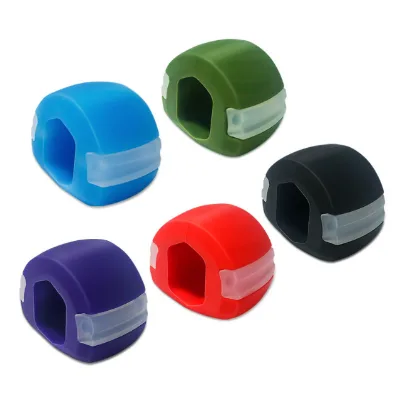
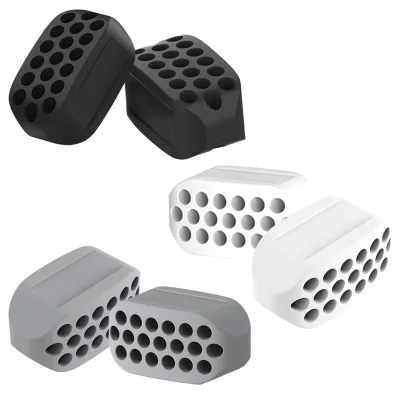
Long-term procurement considerations involve the stability of the supply chain and the ability to scale. The "MOQ" of 10 to 100 pairs offers flexibility for initial orders, but buyers should plan for future volume increases. The "Lead time" and "Production capacity" are not explicitly detailed in the provided facts, so buyers must negotiate these terms clearly in the contract. Furthermore, the "Color" options, including "Black," "Red," and "White," should be evaluated for their ability to meet market trends. A diversified color palette can help in segmenting the market and appealing to different consumer preferences.
Comparative Analysis of Product Attributes
To facilitate decision-making, the following table summarizes key attributes observed across the product data, highlighting the variations that buyers must navigate.
| Attribute Category | Observed Variations | Procurement Implication |
|---|---|---|
| Material | Silicone, Food Grade Silicone | Must verify food-grade certification for oral safety. |
| Hardness | Soft | Verify resistance levels match intended training intensity. |
| Customization | Available vs. Non-Customized | Confirm specific logo and color capabilities before ordering. |
| Packaging | Silicone, Box, Plastic Box + Color Box | Higher packaging complexity increases unit cost and weight. |
| Certification | FDA (Observed) | Request full compliance documentation for target markets. |
| Origin | Jiangsu, Guangdong, China | Assess logistics costs and supplier reliability by region. |
| Usage | Exercise jaw size, Fitness Exercise | Align product specs with specific training goals (aesthetic vs. therapeutic). |
Final Procurement Recommendations
Sourcing waterproof anti-slip jaw exercisers requires a meticulous approach that prioritizes material safety, functional durability, and supply chain transparency. Buyers should focus on verifying the "Food Grade Silicone" composition and the "FDA" or equivalent certifications to ensure user safety. The wide range of customization options, from "Customized Color" to "Customized Logo," offers significant opportunities for branding but requires clear communication with suppliers to avoid conflicting specifications. By adhering to the technical specifications and quality control measures outlined in this guide, buyers can secure a reliable supply of high-quality jaw exercisers that meet the diverse needs of home, gymnasium, and community users. The key to success lies in rigorous supplier evaluation and a commitment to verifying every claim against tangible evidence.
FAQs
What material is used for waterproof anti-slip jaw exercisers?
The product is made from silicone, often specified as food grade silicone for safety. This material ensures the device is soft, durable, and safe for direct oral contact during jaw muscle training exercises.
Can buyers request a customized logo on the jaw exerciser?
Yes, customized logo services are available for this product. Buyers can work with manufacturers to apply branding, though specific customization capabilities should be confirmed directly with the supplier before ordering.
Which certifications are available for waterproof anti-slip jaw exercisers?
FDA certification is observed for some listings of this product. Buyers should verify that the food grade silicone meets specific regulatory requirements for their target market to ensure compliance and user safety.
How does the minimum order quantity affect the jaw exerciser price?
The minimum order quantity ranges from 1 to 1200 units, influencing the unit cost significantly. Higher volumes typically leverage economies of scale, while smaller orders may incur higher per-unit pricing due to setup costs.
Where are waterproof anti-slip jaw exercisers manufactured?
Products originate from regions in China, specifically Jiangsu and Guangdong provinces. Buyers should consider these locations when evaluating logistics costs and supplier reliability for bulk procurement of fitness equipment.
What is the typical packaging for the jaw muscle training device?
Packaging options vary from simple silicone or box packaging to plastic box plus color box configurations. The choice of packaging impacts the single gross weight and overall shipping expenses for the buyer.
Can the jaw exerciser be used in gymnasium and community settings?
Yes, the device is designed for use in home, gymnasium, park, and community environments. Its waterproof and washable features make it suitable for shared spaces where hygiene is a priority for multiple users.