Source Waterproof Carbon Crystal Wall Panel for Hotels, Schools, and Homes
Explore 30 listings of Waterproof Carbon Crystal Wall Panel options featuring PVC materials, B1 flame retardancy, and moisture-proof functions. Compare specifications like thickness, installation methods, and applications for hospitals, gyms, and residential spaces; compare the available evidence and request quotations based on your requirements.
Updated
Key considerations
Products List


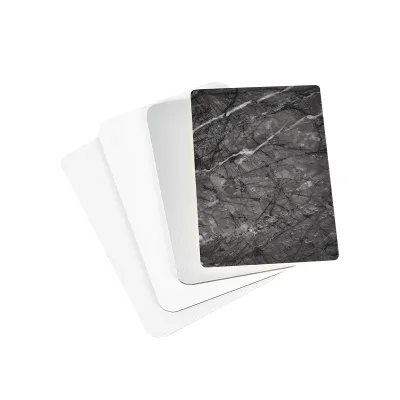
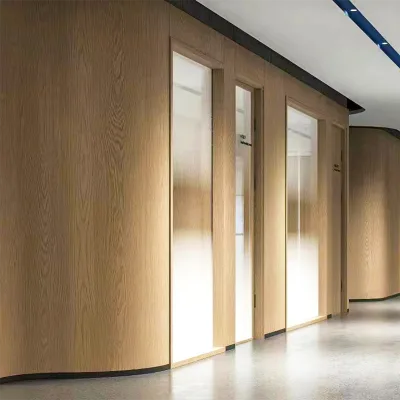
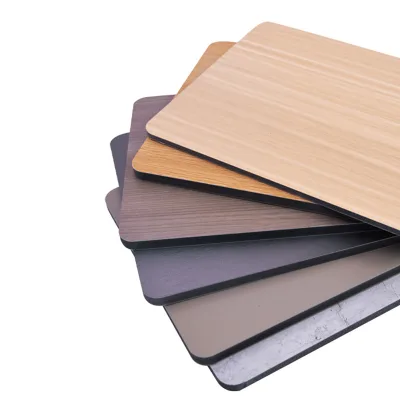
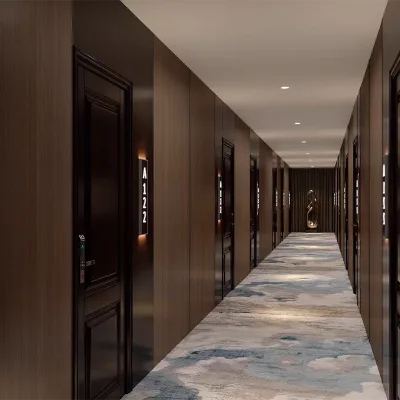
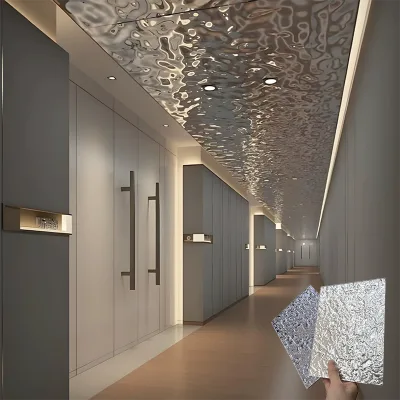
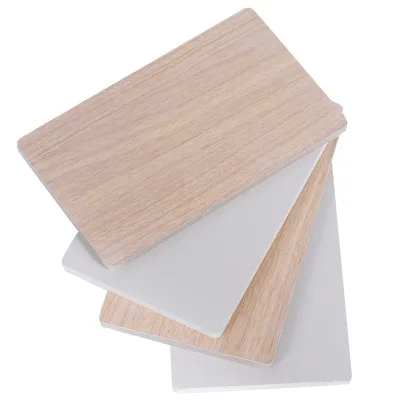

High Quality Fireproof Waterproof Carbon Crystal Panel Bamboo Charcoal Wall Panel
$0.84 - $0.88
MOQ: 1 Square Meters


Waterproof PVC Wall Panel Marble Alternative Bamboo Charcoal Carbon Crystal Board
$4.45 - $5.00
MOQ: 500 Square Meters


Premium Wood Grain Carbon Crystal Wall Panels for Waterproof Interiors
$3.50 - $5.00
MOQ: 300 Square Meters

Premium Carbon Crystal Wall Panels: Fireproof & Waterproof Solution
$3.50 - $5.00
MOQ: 300 Square Meters

Premium 8mm Carbon Crystal Wall Panel with Natural Bamboo Charcoal
$1.99 - $3.66
MOQ: 300 Square Meters


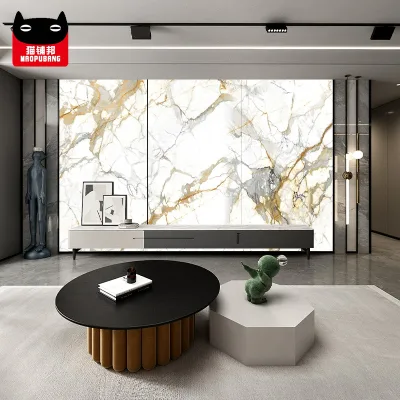
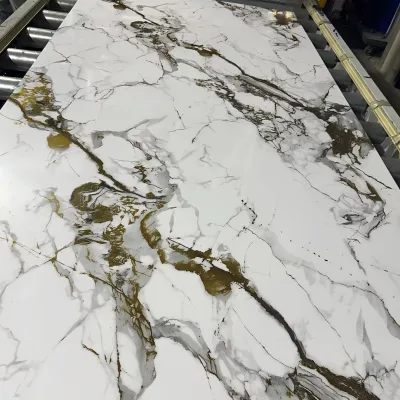
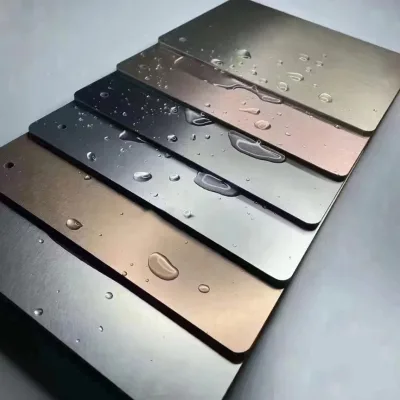
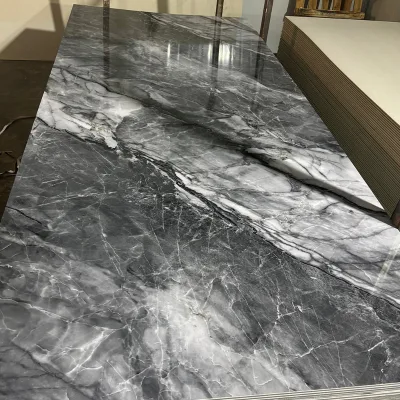
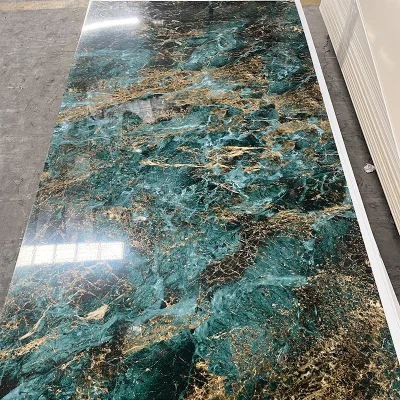
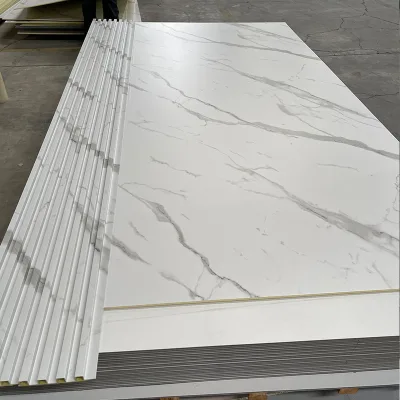
Comprehensive Sourcing Guide
Waterproof Carbon Crystal Wall Panel Sourcing Guide
Procuring waterproof carbon crystal wall panels requires a disciplined approach to material verification and application matching. These panels, primarily constructed from PVC carbon crystal boards, offer a versatile solution for both indoor and exterior environments. Buyers must distinguish between standard PVC compositions and specialized carbon crystal variants to ensure the product meets specific structural and aesthetic demands. The core material composition directly influences durability, weight, and resistance to environmental factors, making it the first critical data point in any sourcing evaluation.
The observed market signals indicate a wide range of customization options, including wood grain, marble textures, and geometric patterns. These aesthetic choices are not merely decorative but often correlate with the surface processing techniques used, such as coextrusion or hot pressing. Understanding the relationship between the desired visual finish and the manufacturing process helps buyers anticipate potential limitations in design complexity or surface durability. This alignment ensures that the selected panel style will perform as expected in its intended architectural context.
Product Scope and Observed Listing Signals
The product scope encompasses a diverse array of applications, ranging from hospitals and schools to residential villas and commercial gyms. Listings frequently highlight usage in high-traffic areas such as entryways, bathrooms, and kitchens, where moisture resistance is paramount. The versatility of these panels allows for use in decorative background walls, exterior cladding, and interior partitioning. Buyers should carefully map their specific project requirements against the listed application areas to confirm suitability, noting that some suppliers may restrict certain finishes to indoor-only use despite general waterproof claims.
Observed listing signals reveal significant variation in minimum order quantities and packaging specifications. While some suppliers list an MOQ of just thirty pieces, others require orders of one thousand square meters, reflecting a split between sample procurement and bulk industrial sourcing. Packaging dimensions, such as single packages measuring 122x244x0.8 cm, provide critical logistical data for freight planning. Buyers must verify whether the quoted price includes protective packaging suitable for long-distance shipping, as improper handling can compromise the integrity of the tongue-and-groove edges during transit.
Technical Specifications to Verify
Thickness is a primary technical differentiator, with common offerings including 5mm, 8mm, and 9mm variants. Thicker panels generally provide enhanced rigidity and sound insulation, which is crucial for applications in hotels and multi-unit residential buildings. Buyers should verify the exact thickness tolerance, as deviations can affect the fit of the marble click tongue-and-groove edge system. Ensuring consistent thickness across batches is essential for maintaining a seamless installation, particularly in large-scale projects where visual continuity is a key quality metric.
Water absorption rates and flame retardancy are critical performance indicators that must be explicitly confirmed. Listings often cite water absorption of less than one percent, supporting the waterproof designation, but buyers should request specific test reports to validate this claim. Additionally, the flame retardant level is frequently listed as B1 Grade, a standard requirement for commercial and public spaces. Verifying these metrics through independent laboratory testing or certified supplier documentation is necessary to ensure compliance with local building codes and safety regulations.
Compliance and Safety Documentation
Formaldehyde emissions are a significant concern in interior wall paneling, with some products marketed as E0 formaldehyde-free. Buyers must request detailed material safety data sheets to confirm the absence of harmful volatile organic compounds. This documentation is particularly important for projects involving schools, hospitals, and residential bedrooms, where air quality standards are strictly regulated. Without verified emission data, the health implications of using these panels in enclosed spaces remain uncertain, potentially leading to compliance issues or occupant dissatisfaction.
Certification status, such as CE or ROHS, is often mentioned in background contexts but requires active verification. Buyers should not assume that a supplier possesses these certifications without requesting valid certificates of conformity. These documents serve as proof that the product meets European safety, health, and environmental protection requirements. For international shipments, ensuring that all necessary compliance documentation is readily available prevents customs delays and ensures that the product can be legally installed in the destination market.
Cost Drivers and Commercial Terms
Pricing for these panels varies significantly based on material composition, thickness, and surface treatment complexity. Observed price ranges indicate that basic variants may start at lower price points, while customized designs with premium textures command higher costs. Buyers should analyze the cost structure to understand how much of the price is attributed to raw PVC materials versus value-added processes like coextrusion or hot pressing. This breakdown helps in negotiating better terms and identifying potential areas for cost reduction without compromising quality.
Minimum order quantities and production capacity are key commercial factors that influence procurement strategy. Suppliers with monthly capacities of 60,000 square meters can support large-scale projects, but buyers must confirm lead times to ensure timely delivery. Payment terms, warranty periods, and after-sale service provisions, such as online technical support, also play a crucial role in the total cost of ownership. A longer warranty period, such as three years, may justify a higher initial price by reducing long-term maintenance and replacement risks.
Supplier Qualification and Quality Control
Supplier location and manufacturing capability are vital indicators of reliability. Many producers are based in regions like Shandong or Hunan, which are known for their plastic processing industries. Buyers should verify the supplier’s production facilities to ensure they have the necessary equipment for consistent quality control. Visiting the factory or requesting virtual tours can provide insights into their manufacturing processes, from raw material handling to final packaging, ensuring that the supplier can meet the required quality standards.
Quality control procedures should include rigorous testing for dimensional stability, surface adhesion, and edge integrity. Buyers should inquire about the supplier’s internal quality assurance protocols, including how they handle defects and batch variations. Requesting pre-shipment samples is a practical step to verify the physical quality of the panels, including the ease of installation and the accuracy of the tongue-and-groove fit. Establishing a clear quality agreement with the supplier helps mitigate risks and ensures that the delivered products meet the specified technical requirements.
Long-Term Procurement Checks
Maintenance requirements and cleaning protocols are essential considerations for the long-term performance of carbon crystal wall panels. Buyers should obtain detailed care instructions to ensure that the panels remain waterproof and resistant to mold and mildew over time. Understanding the recommended cleaning agents and methods helps prevent damage to the surface finish, preserving the aesthetic appeal and functional integrity of the installation. Proper maintenance can significantly extend the lifespan of the panels, reducing the need for frequent replacements.
Supplier responsiveness and project support capabilities are critical for successful long-term partnerships. Buyers should evaluate the supplier’s ability to provide total solution support, including design assistance and installation guidance. A supplier that offers comprehensive after-sale service, such as online technical support, can help resolve issues quickly and efficiently. Building a relationship with a reliable supplier ensures ongoing access to consistent product quality and timely support, which is invaluable for future projects and maintenance needs.
FAQs
What is the material composition of these panels?
The panels are made from PVC carbon crystal board, offering a durable and lightweight solution for interior applications. This material provides excellent moisture-proof and waterproof properties, making it suitable for humid environments like bathrooms and kitchens. The construction ensures long-term stability without warping or deforming under normal indoor conditions.
What thickness options are available for the product?
Manufacturers offer thickness options of 5mm, 8mm, and 9mm to suit different structural and aesthetic requirements. These variations allow buyers to select the appropriate panel depth for specific wall installations. The standard size is 1220mm by 2440mm, ensuring compatibility with common construction frameworks and design layouts.
Can the panels be customized for specific projects?
Yes, customization is available for various project needs, including specific designs and finishes. Buyers can choose from wood grain, marble texture, or plain colors to match their interior decor. The supplier provides total solution support for projects, ensuring that the panels meet unique architectural and functional requirements effectively.
What is the minimum order quantity for purchase?
The minimum order quantity varies, with some listings requiring 30 pieces while others specify 1000 square meters. Buyers should verify the specific MOQ with the supplier before placing an order. This flexibility allows both small-scale renovations and large commercial projects to source the panels according to their volume needs.
How is the installation process handled for these panels?
Installation is designed to be quick and easy, utilizing a tongue and groove edge system. The panels feature a marble click mechanism that simplifies assembly without complex tools. This method reduces labor time and costs, making it an economical choice for contractors and DIY enthusiasts working on indoor wall decorations.
What fire safety rating do these wall panels have?
The panels carry a B1 Grade flame-retardant rating, ensuring a higher level of fire safety. This classification makes them suitable for public spaces such as hospitals, schools, and hotels. The material also includes anti-static and mould-proof features, contributing to a safer and healthier indoor environment for occupants.