Source Wallpaper for Home, Office, and Commercial Spaces
Explore 30 verified Wallpaper options including digital printing, vinyl, and paper types. Buyers can compare features like waterproofing, customization, and MOQs for interior home, administration, and entertainment applications. Detailed specifications cover ink compatibility, finishing styles, and packing methods to ensure the right selection for diverse projects.
Key considerations
Products List


Luxury Texture Wallpaper Bedroom Wallpaper Others Wallpapers/Wall Panels
$0.75 - $0.85
MOQ: 1 Square Meters

Digital Wallpaper Digital Printing Wallpaper Printed Wallpaper Rolls
$0.10 - $0.90
MOQ: 1 Square Meters


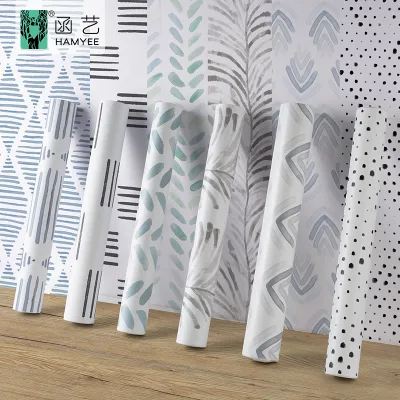


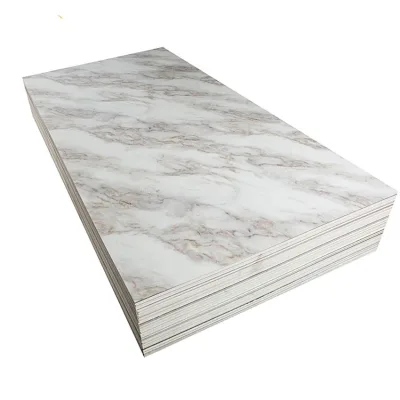


Comprehensive Sourcing Guide
Wallpaper Sourcing Guide
Procuring Wallpaper for commercial or residential projects requires a disciplined approach to verifying product attributes against actual supplier capabilities. The market offers a diverse range of materials, from traditional paper wallpapers to modern vinyl and eco-friendly XPE options, each serving distinct functional and aesthetic purposes. Buyers must distinguish between blank printable substrates and finished decorative products, as the sourcing requirements differ significantly. Understanding the specific type of Wallpaper, such as digital printing Wallpaper or pre-pasted varieties, is the first step in aligning supplier offerings with project specifications. This initial classification ensures that the procurement team targets manufacturers with the correct production lines and material expertise.
The observed listings indicate a broad spectrum of customization options, including DIY any style designs and custom color matching. Many suppliers offer digital printing capabilities compatible with eco-solvent, UV, or latex inks, allowing for high-resolution image reproduction on various substrates. The presence of both standard roll sizes and custom dimensions suggests that flexibility is a key value proposition in this sector. Buyers should note that while many products are marked as customizable, the extent of this customization varies by manufacturer. Some may only offer standard patterns with minor color adjustments, while others provide full design services. Clarifying the level of design control required early in the negotiation process prevents misunderstandings regarding final product appearance and production timelines.
Product Scope and Observed Listing Signals
The product scope for Wallpaper sourcing includes several distinct categories, primarily defined by material composition and application method. Paper Wallpaper remains a common entry point, often used for interior home applications where cost efficiency is a priority. Vinyl Wallpaper is frequently observed for its durability and ease of maintenance, making it suitable for high-traffic areas or commercial spaces. Additionally, XPE environmentally friendly PVC Wallpaper is emerging as a sustainable option, offering features like heat insulation and noise deadening. Buyers must clearly define whether they require a finished decorative product or a blank substrate for in-house printing, as this distinction fundamentally changes the supplier selection criteria and technical requirements.
Observed listing signals reveal a strong emphasis on customization and specific functional features. Many products highlight attributes such as waterproof, anti-slip, and wrinkle-resistant properties, which are critical for specific environments like bathrooms or kitchens. The availability of yarn-dyed styles and modern design aesthetics indicates a market trend toward contemporary looks. Furthermore, the presence of specific model numbers like WP1001 and WP1005-2 suggests that standardized product lines exist alongside custom offerings. Buyers should scrutinize these signals to determine if the supplier specializes in mass-produced standard items or has the capacity for small-batch custom runs. Understanding these signals helps in predicting the supplier's operational focus and their ability to meet specific project deadlines.
Technical Specifications to Verify
Verifying technical specifications is crucial to ensure the Wallpaper meets the physical demands of the installation environment. Key parameters include roll width, length, and thickness, which directly impact coverage calculations and installation labor costs. Observed standards include widths of 1.07M, 1.27M, and 1.52M, with lengths ranging from 0.7*10M to 3m. Thickness varies significantly, with options like 2mm, 3mm, and 2.5mm, affecting the tactile feel and durability of the final surface. Buyers must confirm that the specified dimensions align with their installation tools and room geometry. Mismatches in roll size can lead to excessive waste or complex splicing requirements, increasing overall project costs and reducing aesthetic continuity.
In addition to dimensions, material composition and surface finishing require detailed verification. The finishing type, such as matte, affects light reflection and the visibility of surface imperfections. For printable wallpapers, the compatibility with specific ink types, such as eco-solvent, UV, or latex, must be confirmed to ensure proper adhesion and color vibrancy. The weight of the material, for example, 500g per square meter for classic deep embossed Wallpaper, influences hanging stability and the required adhesive strength. Buyers should request sample rolls to test these physical properties under real-world conditions. This hands-on verification helps identify potential issues with peeling, fading, or texture inconsistency before committing to large-scale orders.
Compliance and Safety Documentation
Compliance with safety and environmental standards is a non-negotiable aspect of Wallpaper procurement, particularly for commercial and public spaces. Buyers must request documentation proving that the materials meet relevant fire resistance and smoke emission standards. Features such as fire proofing, smoke-proof, and germ proofing are often listed, but these claims must be backed by third-party test reports. The presence of features like anti-static and fluorescence resistance may also be relevant for specific industries, such as healthcare or data centers. Verifying these attributes ensures that the Wallpaper does not pose health risks or violate local building codes. Failure to obtain proper documentation can lead to project delays or legal liabilities.
Environmental compliance is increasingly important, with many buyers seeking eco-friendly materials. The use of XPE environmentally friendly PVC or other low-VOC materials should be verified through material safety data sheets (MSDS). Buyers should inquire about the sourcing of raw materials and the manufacturing processes to ensure they align with sustainability goals. Additionally, for products intended for indoor use, indoor air quality certifications are essential to guarantee that the Wallpaper does not emit harmful chemicals. Requesting detailed compliance documentation not only protects the end-user but also enhances the brand reputation of the procurement entity. This due diligence is a critical step in mitigating risk and ensuring long-term product performance.
Cost Drivers and Commercial Terms
Understanding the cost drivers in Wallpaper procurement helps buyers negotiate favorable commercial terms. The primary cost factors include material type, customization level, and order volume. Custom designs and specific color matches often incur higher costs due to additional setup and printing time. The observed price range of $0.1 to $9.5 per unit reflects the wide variation in product complexity and material quality. Buyers should request detailed quotations that break down costs for material, printing, packaging, and shipping. This transparency allows for better budget planning and identification of potential cost-saving opportunities. Negotiating based on total landed cost rather than unit price provides a more accurate picture of the financial commitment.
Commercial terms, including minimum order quantities (MOQ) and payment structures, significantly impact cash flow and inventory management. Observed MOQs range from 1 to 1000 units, with specific examples like 120 rolls or 30 rolls. Buyers should align their order quantities with these thresholds to avoid penalties or surcharges. Payment terms, such as advance payments or letter of credit, should be negotiated based on the supplier's creditworthiness and the buyer's financial policies. Clear agreements on lead times and delivery schedules are essential to prevent project delays. Establishing a clear communication protocol for order updates and quality checks ensures that both parties are aligned throughout the procurement process.
Supplier Qualification and Quality Control
Qualifying suppliers involves assessing their production capabilities, quality control systems, and track record. Buyers should request information on the supplier's manufacturing facilities, including the types of printing technology used, such as digital printing lines. The ability to handle different ink types, such as eco-solvent, UV, or latex, indicates a versatile production setup. Reviewing the supplier's portfolio of past projects helps gauge their experience with similar products and applications. Additionally, checking for any industry certifications or awards can provide insights into the supplier's reputation and commitment to quality. A thorough qualification process reduces the risk of receiving substandard products and ensures a reliable partnership.
Implementing a robust quality control plan is essential for maintaining product consistency. Buyers should agree on inspection points, such as pre-shipment inspections or third-party audits, to verify that the products meet the specified standards. Defining acceptable defect rates and return policies protects the buyer from financial losses due to quality issues. Regular communication with the supplier during the production process allows for early detection and correction of any deviations. Establishing a feedback loop for continuous improvement helps in refining the product specifications and enhancing the overall quality of future orders. This proactive approach to quality control ensures that the final product meets the buyer's expectations and project requirements.
Long-Term Procurement Checks
Establishing long-term procurement relationships requires ongoing monitoring and evaluation of supplier performance. Buyers should track key performance indicators, such as on-time delivery rates, quality defect rates, and responsiveness to inquiries. Regular reviews of the supplier's financial health and operational stability help in identifying potential risks early. Building a strategic partnership with a reliable supplier can lead to better pricing, priority production slots, and collaborative product development. This long-term perspective allows for greater flexibility and innovation in the procurement process. Maintaining open and transparent communication is key to sustaining a successful partnership and ensuring mutual growth.
Diversifying the supplier base is another important long-term strategy to mitigate risk. Relying on a single supplier can expose the buyer to supply chain disruptions, such as raw material shortages or production issues. By maintaining relationships with multiple qualified suppliers, buyers can ensure continuity of supply and leverage competitive pricing. Regularly updating the supplier qualification criteria and re-evaluating performance ensures that the supplier base remains aligned with the buyer's evolving needs. This dynamic approach to procurement management enhances resilience and adaptability, allowing the buyer to respond effectively to market changes and project demands.
FAQs
What printing types are available for Wallpaper?
Digital printing is the primary method used for these Wallpaper products. The system supports compatible inks including eco-solvent, UV, and latex options. This allows for versatile customization while maintaining high-quality output for various interior design needs.
Which Wallpaper types can be customized for printing?
You can choose from paper, vinyl, and blank Wallpaper types designed for printing. Customization is available for specific designs and styles. These options include printable Wallpaper suitable for various applications like counter upholstery or general interior home decoration.
What are the standard dimensions for Wallpaper rolls?
Standard widths include 1.07 meters, 1.27 meters, and 1.52 meters. Some specific models offer dimensions like 0.7 by 10 meters or 2.8 meters. Custom sizes are also available to meet specific project requirements and installation needs.
Can I order Wallpaper with a low minimum quantity?
Yes, minimum order quantities vary by product type and supplier. Some items start at 1 roll, while others require 120 rolls or 1000 pieces. Buyers should check specific product pages to confirm the exact MOQ before placing an order.
What features do waterproof wallpapers offer?
Waterproof wallpapers provide moisture-proof and smoke-proof protection for indoor use. They also feature anti-slip, wrinkle-resistant, and fire-proofing capabilities. These attributes make them suitable for administration, commerce, and household environments requiring durable wall coverings.
How are Wallpaper products packed for shipping?
Products are typically packed in rolls with thick plastic bags inside cartons. Some items use paperboxes for protection. The packing ensures the Wallpaper remains safe during transit from the origin in China to the final destination.
What materials are used for eco-friendly Wallpaper?
Materials include XPE environmentally friendly PVC Wallpaper with specific thicknesses like 2.5mm. Some options feature deep embossed textures weighing 500g per square meter. These materials support modern design styles while ensuring safety and durability for interior applications.